There is something deeply satisfying about walking into a room where the ceiling tells a story. The weathered grain, the natural imperfections, the sense that these timbers have witnessed decades of life—that is what homeowners and designers chase when they pursue authentic rustic aesthetics. Real reclaimed beams deliver that narrative, but they also bring structural headaches, moisture concerns, and price tags that make budget-conscious renovators wince. Polyurethane faux wood beams have emerged as the intelligent solution, capturing every visual detail while eliminating the practical drawbacks that plague genuine timber.
The primitive aesthetic draws from a design philosophy that celebrates imperfection. Unlike modern minimalism, which often polishes away character, primitive style embraces the honest beauty of materials shaped by time and use. A beam that shows its age authentically—knots that suggest growth rings, grain patterns that hint at forest origin—becomes a focal point rather than a flaw. Achieving this look with real wood means hunting through salvage yards, paying premium prices for century-old barn lumber, and then wrestling with beams that may harbor insects or rot. Faux polyurethane versions sidestep these concerns entirely while delivering visuals that fool even trained eyes.

Understanding the Primitive Aesthetic in Interior Design
The term primitive in design contexts refers to early American and colonial influences—the furniture, architecture, and decorative elements created by settlers working with limited tools and abundant natural materials. These pieces were built to last because making them required tremendous effort; there was no option for replacement when something broke. The aesthetic that emerged from this necessity features clean lines softened by hand-crafted irregularity, natural finishes that develop patina over time, and proportions that feel substantial without being ostentatious.
When applying primitive aesthetics to contemporary spaces, the challenge becomes integration. A newly constructed home with modern HVAC systems and spray foam insulation does not naturally accommodate beams salvaged from demolished barns. The weight alone creates structural considerations that may require engineering assessments and reinforced ceiling joists. Polyurethane faux beams resolve this tension beautifully. They mount directly to existing surfaces using adhesive and screws, adding visual weight without physical burden. The installation process takes hours rather than days, and the results transform a generic room into something with genuine heritage feel.
Color selection plays a crucial role in primitive styling. The palette leans toward earth tones—burnt sienna, ochre, raw umber, and the grey of weathered oak. When polyurethane beams are manufactured with layered staining techniques, they develop the depth and variation that characterizes aged timber. Each beam receives treatment that mimics decades of sun exposure and air interaction, producing colors that look earned rather than applied. This organic quality distinguishes premium faux beams from cheaper alternatives that apply flat, uniform finishes and consequently read as obviously artificial.
Technical Advantages of Polyurethane Construction
Polyurethane as a manufacturing material brings properties that make it exceptionally suitable for decorative beam applications. The material accepts molds taken from genuine timber samples, capturing every crack, grain variation, and surface texture with microscopic accuracy. This fidelity means that when light strikes a polyurethane beam at different angles throughout the day, the visual response mimics natural wood—highlights appear in authentic grain valleys, shadows pool convincingly in manufactured cracks. The result satisfies close inspection, which matters when beams are installed in spaces where people look up and engage with the ceiling architecture.
Weight represents the most practical advantage for most residential applications. A genuine Douglas fir beam measuring eight feet long and ten inches square can weigh between sixty and eighty pounds. Multiply that by the three or four beams a typical living room installation requires, and the cumulative load becomes significant. Ceiling joists designed for modern residential construction typically assume minimal overhead weight beyond lighting fixtures and drywall. Polyurethane beams weighing five to eight pounds each place no meaningful structural demands on the building. This makes them viable for upper floor installations, apartment conversions, and any situation where floor joist reinforcement would otherwise be necessary.
Moisture resistance expands the range of suitable applications considerably. Real wood absorbs atmospheric humidity, expanding and contracting with seasonal changes. This movement creates gaps between beams and mounting surfaces over time, and in humid environments like bathrooms or kitchens near cooking areas, genuine timber can develop mold, warp, or rot. Polyurethane repels water entirely. The material tolerates sustained humidity without dimensional change, making it appropriate for vaulted ceilings in beach houses, spa reception areas, or any space where condensation might concern natural wood.
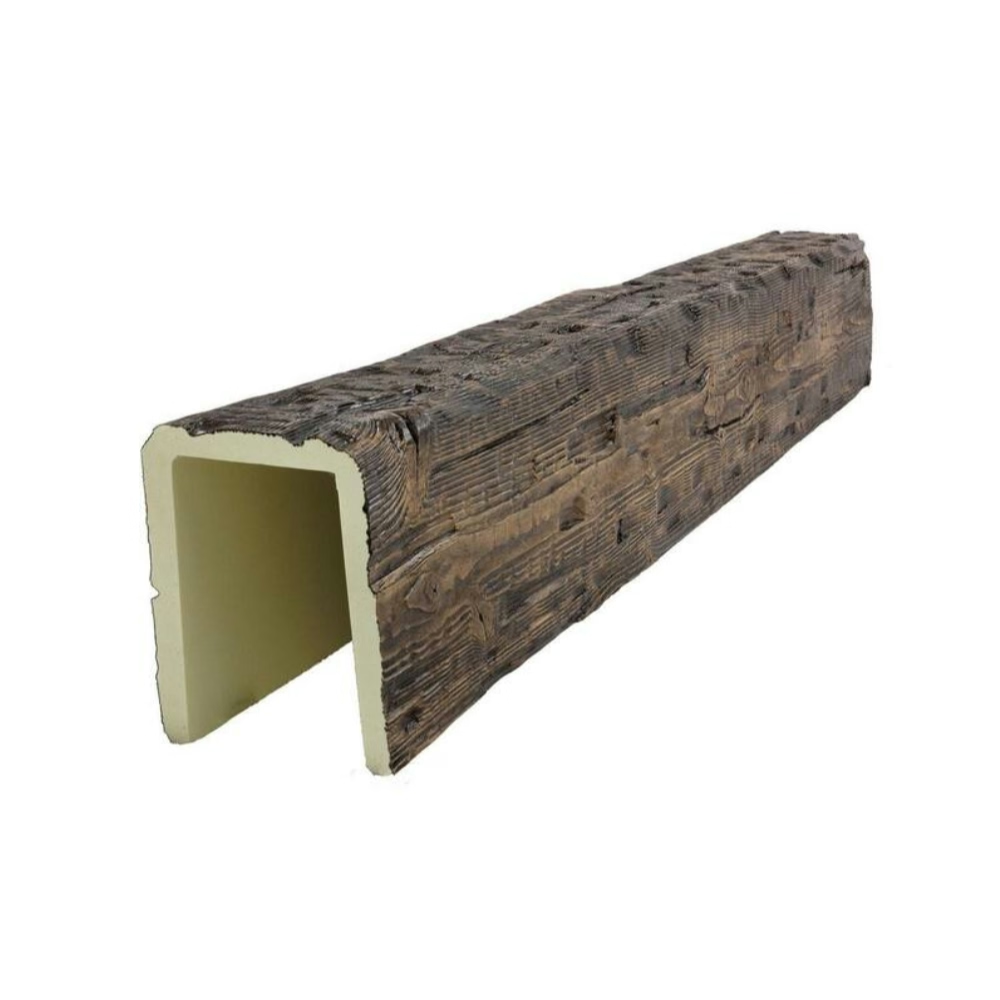
Installation Approaches for Vintage Rural Spaces
Successful installation of faux beams in rustic settings requires attention to the visual context. In primitive design, nothing is perfectly aligned or evenly spaced—authenticity demands slight variations that suggest hand-hewn craftsmanship. Professional installers often use techniques that introduce controlled imperfection: mounting beams with barely perceptible rotation rather than dead-level orientation, spacing them with incremental rather than uniform gaps, and orienting grain patterns so that adjacent beams complement rather than mirror each other.
Structural mounting uses a combination of methods depending on ceiling type and beam profile. New construction with exposed joists allows direct screw attachment through mounting blocks factory-installed on beam undersides. Retrofit applications over finished drywall employ heavy-duty construction adhesive supplemented by screws driven into studs located with electronic finders. The adhesive provides primary load distribution while screws prevent any movement during settling or humidity fluctuation. Threaded rods passing completely through beams and into ceiling structure provide maximum security for commercial applications or public spaces where building codes may require specific load ratings.
The finishing process after installation involves careful attention to seams and joints. Where beam ends meet walls or where multiple beams intersect, gaps must be filled with materials that accept stain and texture to match the surrounding beam surface. Premium installation kits include matching caulk compounds and touch-up solutions designed for specific beam finishes. The goal is eliminating visual evidence of installation hardware so that beams appear to emerge naturally from or rest solidly against surrounding surfaces. This attention to detail distinguishes professional-quality installations from amateur attempts.

Maintenance and Long-Term Care Considerations
One of the most appealing aspects of polyurethane faux beams concerns their minimal maintenance requirements. Unlike natural wood that benefits from periodic oiling, sealing, or refinishing, polyurethane retains its appearance indefinitely with basic cleaning. Dust accumulation and airborne pollutants that might require annual deep-cleaning for genuine timber can be addressed with occasional wiping using mild soap solutions. The factory-applied finishes resist fading from UV exposure, though prolonged direct sunlight may eventually cause slight color shift in the most intensely illuminated installations.
Physical durability surprises many first-time buyers who assume that lightweight materials must be fragile. Polyurethane beams resist impacts that would dent or splinter natural wood. The material absorbs minor collisions without visible damage, making it suitable for family homes with active children or commercial spaces with elevated likelihood of accidental contact. This resilience means fewer repair concerns over the beam lifetime, reduced touch-up requirements, and overall appearance retention that outperforms many natural wood alternatives.
Should damage occur through severe impact or unusual circumstances, polyurethane beams offer repair options unavailable with genuine timber. Surface scratches can be sanded smooth and touched up with matching stain compounds. Small gouges accept filler compounds that blend with surrounding textures. Unlike natural wood where damage often compromises structural integrity or requires complete beam replacement, polyurethane repairs can restore appearance to near-original condition without specialized woodworking skills or equipment.
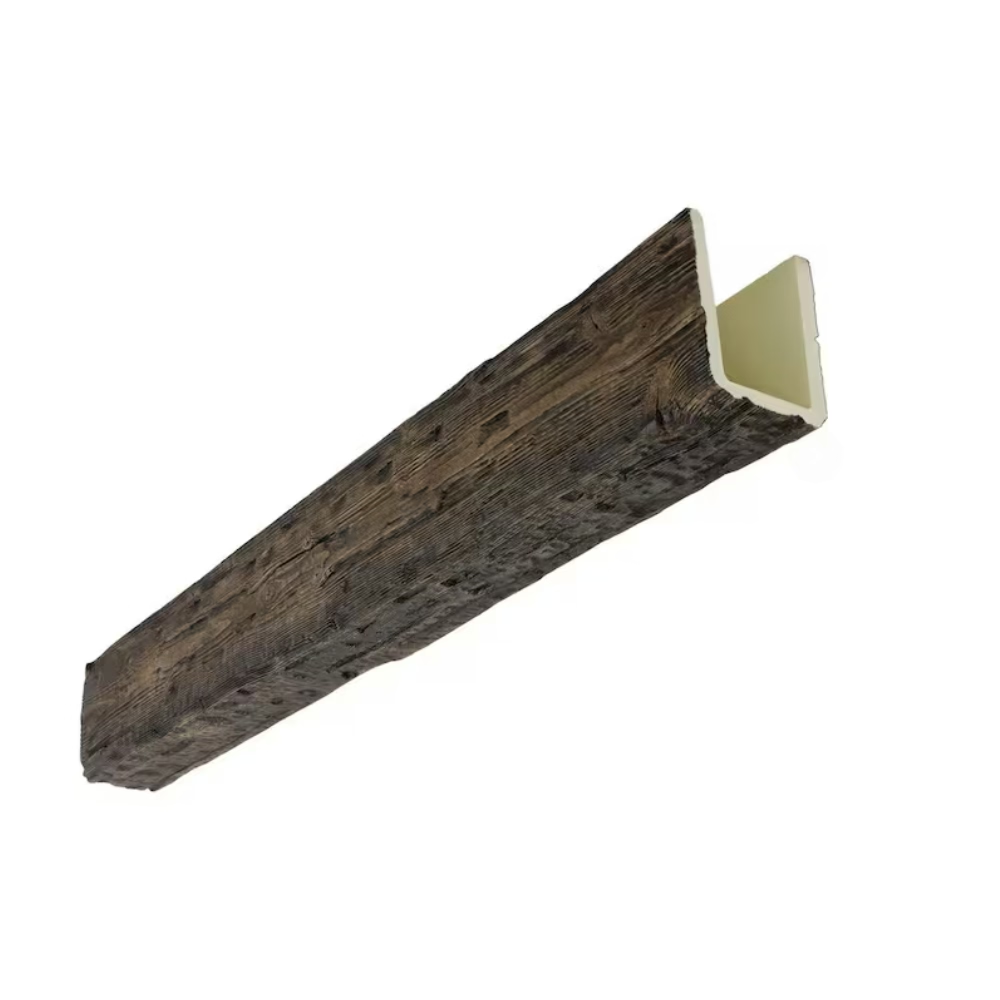
Selecting Authentic Primitive Beam Profiles
The profile or cross-sectional shape of a beam communicates its origin and construction method. Primitive rustic beams typically feature rough-hewn characteristics—surfaces that show tool marks, edges that deviate from perfect perpendicularity, and proportions that feel substantial without refined precision. Manufacturers offer beam profiles ranging from deliberately roughsawn rectangles to beams with deliberately distressed surfaces featuring embedded bark textures and irregular edge profiles.
Box-style beams simulate the appearance of dimensional lumber assembled into hollow structural members. This construction method was common in historical architecture when exposed ceiling timbers needed to appear massive without consuming interior space or requiring excessive structural support. The hollow interior also accommodated electrical wiring, HVAC ductwork, or plumbing pipes in pre-modern construction. Faux box beams capture this architectural vocabulary while remaining lightweight enough for any mounting situation. The visible faces show authentic wood grain and texture, while hollow interiors require no special preparation before installation.
For spaces seeking maximum primitive authenticity, manufacturers produce beams with deliberately introduced defects: saw kerfs from imperfect cuts, grain separations that suggest seasonal stress, and surface checking patterns that develop in aged timber. These intentional imperfections read as evidence of genuine history rather than manufactured character. When positioned in spaces with other primitive elements—shaker furniture, hand-forged hardware, woven textiles—the cumulative effect creates interiors that feel curated rather than decorated.
Design Integration with Vintage Rural Decor
Successful primitive interior design creates visual conversation between elements. Beams should not exist as isolated statements but as participants in a larger aesthetic dialogue. The warm wood tones of polyurethane beams complement handwoven baskets, antique botanical prints, and textiles dyed with natural pigments. When selecting beam finishes, consider the dominant wood species visible in existing furniture and architectural elements, then choose beam finishes that harmonize rather than compete.
Lighting integration significantly impacts how beam installations read in completed spaces. Recessed fixtures installed between beams create pools of illumination that highlight grain textures and surface treatments. Surface-mounted industrial pendants hung from beam undersides reinforce the utilitarian heritage of primitive design while providing functional task lighting. The interplay between shadows cast by beams and the illumination patterns created by strategically positioned fixtures produces the layered lighting effect that makes rustic interiors feel intimate and inviting.
Textile choices extend the primitive palette into soft furnishings and window treatments. Unlined cotton or linen curtains in natural undyed states let light filter through while maintaining the earthy aesthetic. Wool throws and quilts featuring geometric patterns in muted earth tones ground seating areas beneath beam installations. The combination creates rooms where every element reinforces the sense of craftsmanship and heritage that primitive styling celebrates.
Achieving the rustic primitive look with polyurethane faux beams represents one of the most accessible paths to transforming contemporary spaces into warm, character-rich environments. The material performance advantages—lightweight, moisture-resistant, durable, and maintenance-free—combine with increasingly sophisticated manufacturing techniques to deliver visual results that satisfy demanding design professionals. Whether applied in weekend cabin renovations, full-house restorations, or commercial hospitality spaces, these beams provide the architectural foundation that makes primitive styling achievable without the compromises that genuine reclaimed timber would require.
Technical References
ASTM standards cited in every specification
Test Data
Lab results from internal testing program
Updated 2026
Reviewed against current product specs


