Designing a home bar involves solving problems that most residential rooms never pose. How do you create intimate enclosure in an open floor plan? How do you establish visual hierarchy that draws attention to the bar itself while treating the surrounding space as context? How do you balance the practical requirements of drink preparation and glass storage against the atmospheric qualities that make bar spaces inviting rather than merely functional? These challenges require design thinking that integrates multiple considerations into coherent spatial experience.
Ceiling treatment addresses one of the most consequential decisions in home bar design. The overhead plane anchors the room visually, establishing proportions and contributing atmospheric qualities that affect everything below. Flat, featureless ceilings abandon this opportunity, leaving the space without architectural identity. Exposed beams transform that wasted plane into a design asset, adding visual weight, texture, and the warmth associated with natural materials. For bars seeking rustic character, timber beams suggest themselves as logical choices, though the practical realities of polyurethane alternatives deserve serious consideration.
Establishing Visual Identity Through Ceiling Treatment
Every distinctive space requires a dominant visual element that establishes its identity and anchors subsequent design decisions. In home bars, the ceiling beam installation typically serves this role. The scale of ceiling elements dominates visual field in ways that wall treatments cannot match, particularly when seating positions orient patrons upward toward the overhead architecture. This positional advantage makes ceiling beams extraordinarily influential in establishing space character.
The material quality of ceiling beams communicates values before conscious processing occurs. Timber carries associations with craftsmanship, heritage, and organic warmth that align naturally with the hospitality traditions underlying bar culture. These psychological associations are not superficial decoration but fundamental aspects of how humans respond to designed environments. Polyurethane beams manufactured with attention to these qualities deliver similar responses while overcoming practical limitations that might preclude genuine timber installation.
Style selection from available rustic options requires alignment with the broader bar design concept. Rough-sawn textures suggest frontier simplicity and utilitarian function. Hand-hewn surfaces imply traditional craftsmanship and deliberate construction. Weathered finishes reference materials that have served through extended use. Each approach creates different emotional resonance, and the selection should flow from the specific experience the designer intends to create rather than generic rustic impulse.

Layout Strategies and Beam Placement
Beam placement patterns establish the organizational logic that makes ceiling architecture readable and comprehensible. Grid patterns create formal order appropriate to spaces with symmetrical layouts or intentional geometric precision. Running patterns that follow room length create directional emphasis, drawing attention toward focal points at room ends. Diagonal installations add dynamic energy that suits spaces intended for entertainment and social activity.
Functional zones within bar spaces benefit from varied ceiling treatment. The primary bar counter area might feature concentrated beam presence with closer spacing or larger dimensions, creating a sense of ceremonial importance for the mixing and serving activities that occur there. Lounge seating areas could use subtler beam presence, providing visual connection to the bar area while maintaining distinct atmospheric identity. This zoning approach creates visual hierarchy that guides occupant experience through the space.
Proportions between beams and room dimensions deserve careful attention. Large rooms with high ceilings accommodate substantial beam dimensions without visual congestion. Smaller spaces require restraint, using smaller beams or wider spacing to maintain perceived openness. The goal involves achieving authentic character without overwhelming the spatial context, making ceiling treatment enhance rather than dominate the overall bar environment.
Finish Selection for Authentic Character
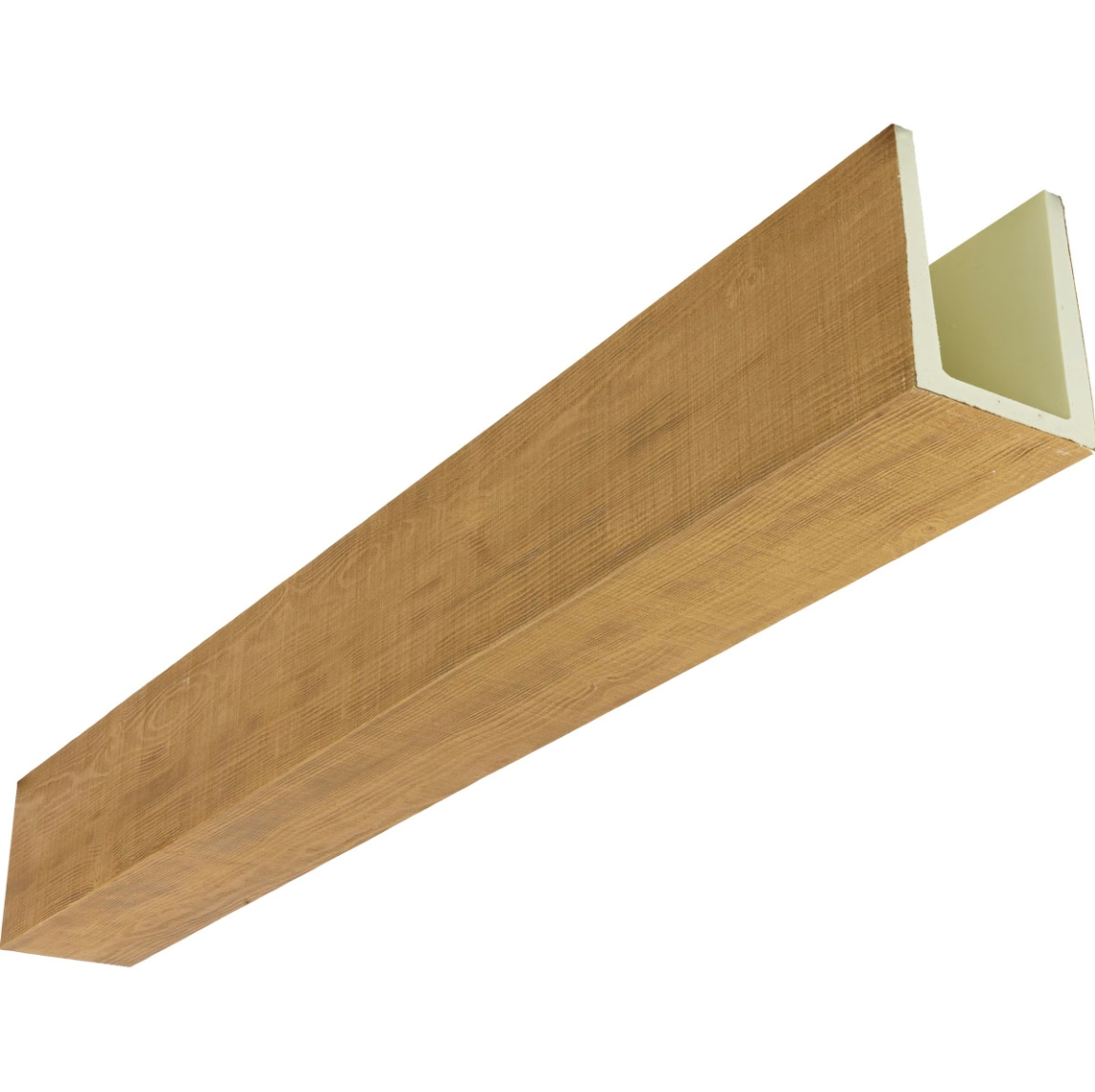
Finish quality distinguishes premium faux beams from budget alternatives. The best polyurethane beams feature layered staining techniques that create depth and variation impossible with single-coat applications. Light strikes authentic finishes differently than uniform coatings, revealing tonal variations that suggest genuine aging rather than superficial coloration. These subtle qualities reward close inspection and contribute to long-term satisfaction with the installation.
Color palette should align with the specific historical or regional reference informing the bar design. English pub tradition typically features darker wood tones—mahogany, walnut, and aged oak—alongside brass fixtures and cream or hunter-green wall finishes. American neighborhood taverns of the mid-century period favored honey-toned maple and lighter natural finishes complemented by warm incandescent lighting. Identifying the specific reference point clarifies finish selection and prevents the generic rusticity that results from combining unrelated influences.
Surface texture contributes substantially to perceived authenticity. Rough-sawn textures reveal manufacturing technique and suggest material origin. Hand-hewn surfaces show tool marks that communicate construction methodology. Weathered treatments introduce controlled deterioration that implies extended service history. Each texture approach serves different design intentions and should be selected intentionally rather than arbitrarily.

Complementary Materials and Detailing
Beam installations exist in relationship with surrounding materials that either reinforce or compete with timber aesthetics. Wall surfaces in rustic bar designs typically feature wood paneling, exposed brick, or plaster in earth tones that complement beam finishes. Glass surfaces should be minimal or treated to reduce cold reflection that conflicts with warm timber presence. Metal accents in brass, copper, or antique bronze establish material conversation with wood tones.
Trim work defines transitions between ceiling beams and adjacent surfaces. The profile and placement of crown molding, corner trim, and light plates affects how beam installations read spatially. Period-appropriate profiles reinforce design authenticity, while mismatched trim undermines even excellent beam installations. Budget allocation should preserve sufficient resources for quality trim work rather than concentrating all investment in beam products themselves.
Hardware accessories mounted on beams or within their visual sphere contribute to authentic bar atmosphere. Vintage light fixtures, mounted sporting memorabilia, and period advertising create layers of meaning that reward extended observation. These accessories work best when they feel discovered rather than displayed, suggesting accumulated history rather than manufactured nostalgia. Curating appropriate pieces requires effort but distinguishes genuinely atmospheric spaces from superficial theme-bar imitations.
Long-Term Performance and Maintenance
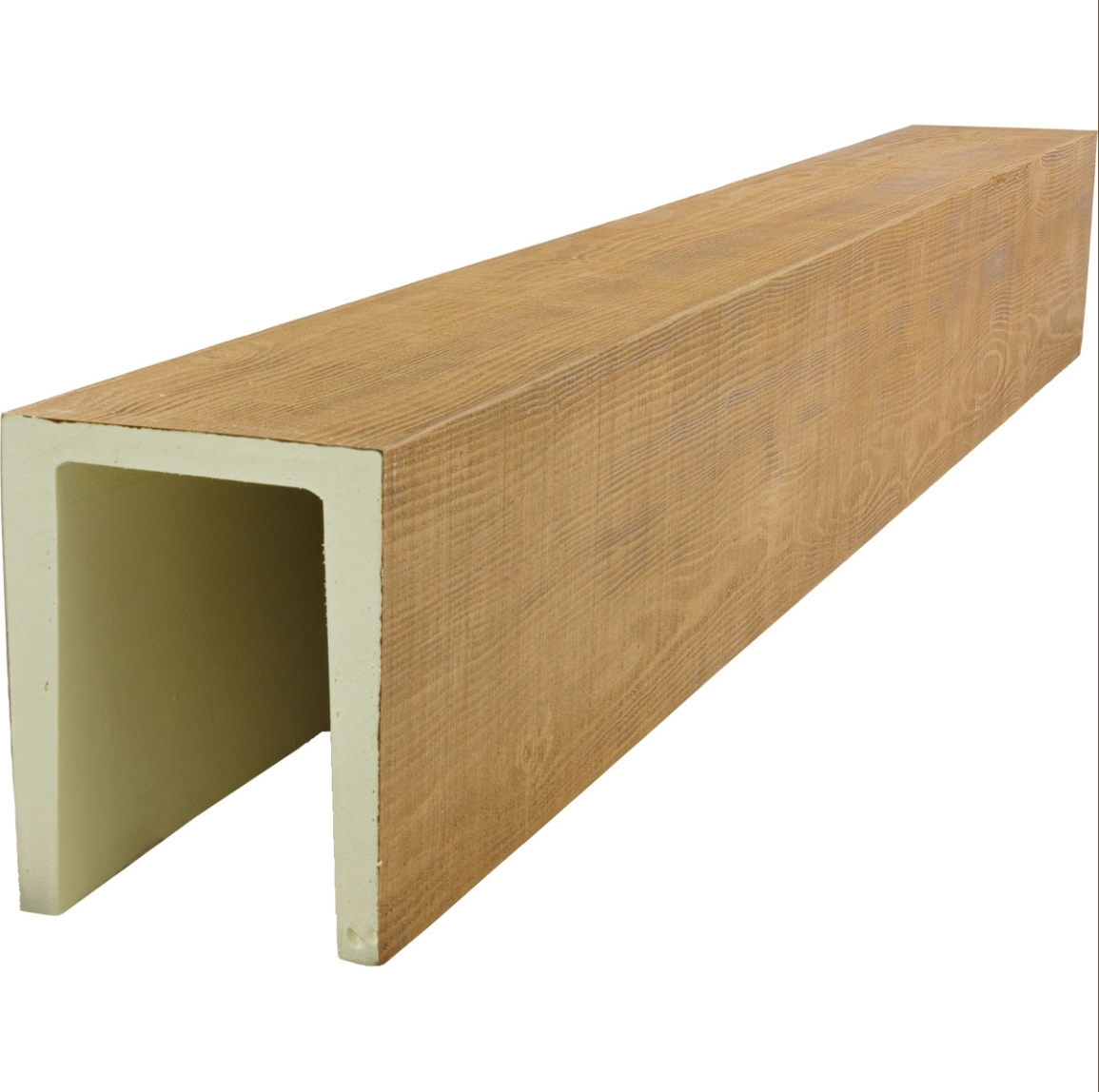
The practical realities of home bar environments demand materials that perform reliably over extended service periods. Moisture from drinks, humidity fluctuations from HVAC operation, and the occasional spill all challenge ceiling materials in ways that ordinary residential ceilings never encounter. Polyurethane's resistance to moisture absorption provides significant advantage in these conditions, maintaining dimensional stability and appearance despite environmental challenge.
Cleaning and maintenance requirements affect the long-term ownership experience. Polyurethane beams tolerate standard cleaning with mild detergents, requiring no special treatment or periodic refinishing. The surface coatings applied during manufacturing resist staining and clean easily when contamination occurs. This maintenance simplicity represents meaningful advantage over genuine timber, which might require oiling, sealing, or eventual refinishing to maintain appearance.
Physical durability ensures that bar environments with active social use maintain their visual quality. Occasional contact from raised glasses, playful gestures, or casual movement through the space subjects ceiling beams to impacts that might damage vulnerable materials. Polyurethane absorbs minor impacts without visible damage, while the material's resilience prevents the splintering or denting that affects natural wood in similar conditions.
The home bar designed with rustic polyurethane beams delivers enduring satisfaction through thoughtful integration of aesthetic ambition and practical performance. These installations provide the atmospheric foundation that transforms drink service into experience, creating spaces where hospitality becomes tangible and memorable.
Technical References
ASTM standards cited in every specification
Test Data
Lab results from internal testing program
Updated 2026
Reviewed against current product specs


