Mountain retreats occupy a distinctive category in residential design—the spaces where families escape the density and pace of everyday life to reconnect with landscape, weather, and each other. These properties often embrace architecture that references vernacular traditions: heavy timber construction, generous stone fireplaces, and interiors that feel carved from the surrounding landscape rather than imported from distant manufacturing centers. The aesthetic choices made in mountain homes communicate values about place, permanence, and the relationship between built and natural environments.
Ceiling treatment plays a crucial role in establishing mountain cabin atmosphere. The overhead plane establishes proportion, contributes warmth, and provides the visual anchor that connects disparate wall and floor treatments into cohesive spatial experience. Flat, featureless ceilings undermine this potential, creating disconnection between architectural intention and executed detail. Exposed beams address this gap, transforming ceilings from forgotten surfaces into defining architectural elements that justify the investment in other finishes and furnishings.
Mountain Architecture and Its Design Traditions
Mountain building traditions evolved in response to environmental challenges that shaped every design decision. Heavy snowfall required steep roof pitches and robust structural systems. Cold temperatures demanded generous insulation and efficient heating. Remote locations meant materials came from local sources—timber from surrounding forests, stone from nearby quarries—creating architecture that felt native to its setting. These practical requirements produced aesthetic qualities that modern homeowners find deeply appealing precisely because they emerge from authentic functional necessity.
The exposed-beam ceiling became a hallmark of mountain architecture for reasons both structural and practical. Exposing ceiling structure eliminated the need for additional finish materials that would be expensive to transport and difficult to maintain in mountain conditions. The beams themselves became visual features that demonstrated construction quality and material authenticity. What began as economic necessity evolved into aesthetic preference that persists in contemporary mountain construction.
Contemporary mountain homes inherit this aesthetic tradition while facing different practical circumstances. Modern insulation and moisture management systems require different construction approaches than historical buildings employed. Building codes addressing seismic safety and snow loads may conflict with traditional exposed-structure methods. These constraints make authentic mountain construction increasingly expensive, creating opportunity for materials that deliver traditional aesthetics while accommodating contemporary building requirements.

Performance Requirements in Mountain Environments
Mountain environments present building materials with challenges that exceed typical residential conditions. Temperature extremes, intense UV radiation at elevation, freeze-thaw cycling, and occasional extreme weather events all test material performance in ways that standard building applications never encounter. These conditions demand careful material selection to ensure long-term satisfaction with any installed product.
Moisture management deserves particular attention in mountain applications. Temperature differentials between heated interiors and frigid exteriors create condensation potential that can damage vulnerable materials. Seasonal humidity fluctuations cause natural wood to absorb and release moisture, leading to dimensional instability, surface checking, and eventual degradation. Polyurethane's complete moisture resistance eliminates these concerns, maintaining dimensional stability and appearance regardless of atmospheric conditions.
UV radiation at mountain altitudes significantly exceeds sea-level intensity due to thinner atmosphere and frequent snow reflection. This elevated UV exposure accelerates surface degradation in many materials, causing fading, chalking, and surface erosion. Premium polyurethane beams incorporate UV stabilizers that resist this degradation, maintaining surface appearance through years of intense mountain sun exposure. This formulation technology represents meaningful advantage over natural wood, which requires regular refinishing to combat UV damage.
Design Integration with Mountain Interior Styles
Successful mountain interior design creates coherent spatial experiences that reference vernacular traditions while accommodating contemporary lifestyles. Beams provide the foundation for this integration, establishing visual weight and material warmth that connects the interior to its mountainous context. The specific beam characteristics—species, texture, finish, and placement—should align with the particular mountain aesthetic being pursued.
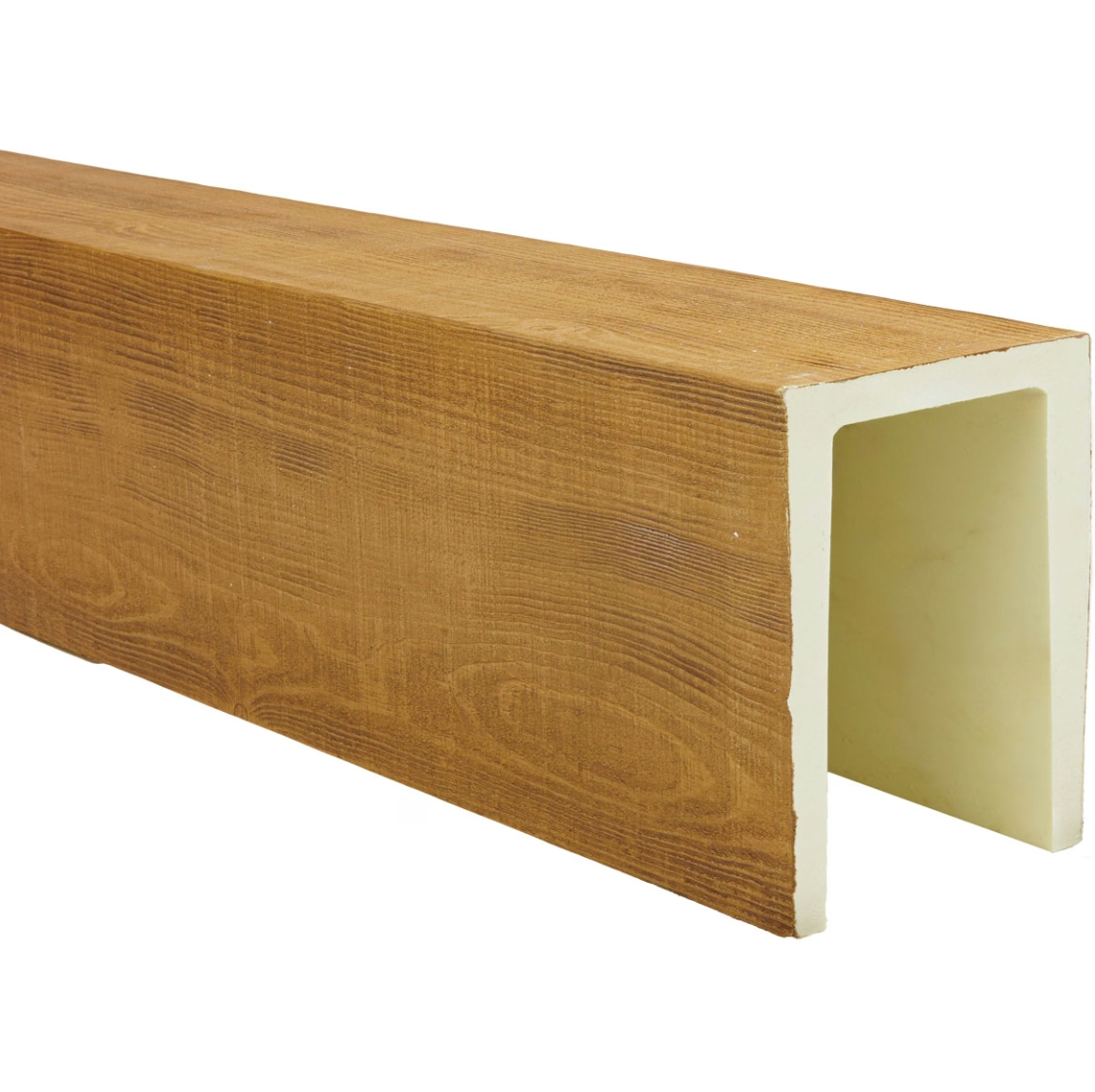
Rustic mountain styles favor rough textures and substantial proportions. Beams with rough-sawn surfaces, exposed knots, and pronounced grain patterns suggest the timber harvested from surrounding forests and milled using traditional methods. Larger dimensions—ten inches or more in depth—create the visual presence appropriate to dramatic mountain settings where structures must hold their own against powerful landscapes. These characteristics distinguish rustic mountain interiors from more refined approaches.
Craftsman-influenced mountain design employs cleaner lines and more refined proportions. Beams feature tighter grain patterns, fewer surface imperfections, and more precise edge conditions. The overall effect remains warm and organic but with the intentionality and craft precision associated with the Arts and Crafts movement. These interiors often incorporate built-in millwork, integrated lighting, and other details that extend craft values throughout the space.

Installation Approaches for Remote Locations
The logistics of getting building materials to mountain locations deserve careful consideration in project planning. Remote properties may be accessible only by seasonal roads, require ferry transportation, or involve significant driving distances from building suppliers. These logistics affect material selection in ways that urban projects never encounter, favoring products that are easy to transport, handle, and store.
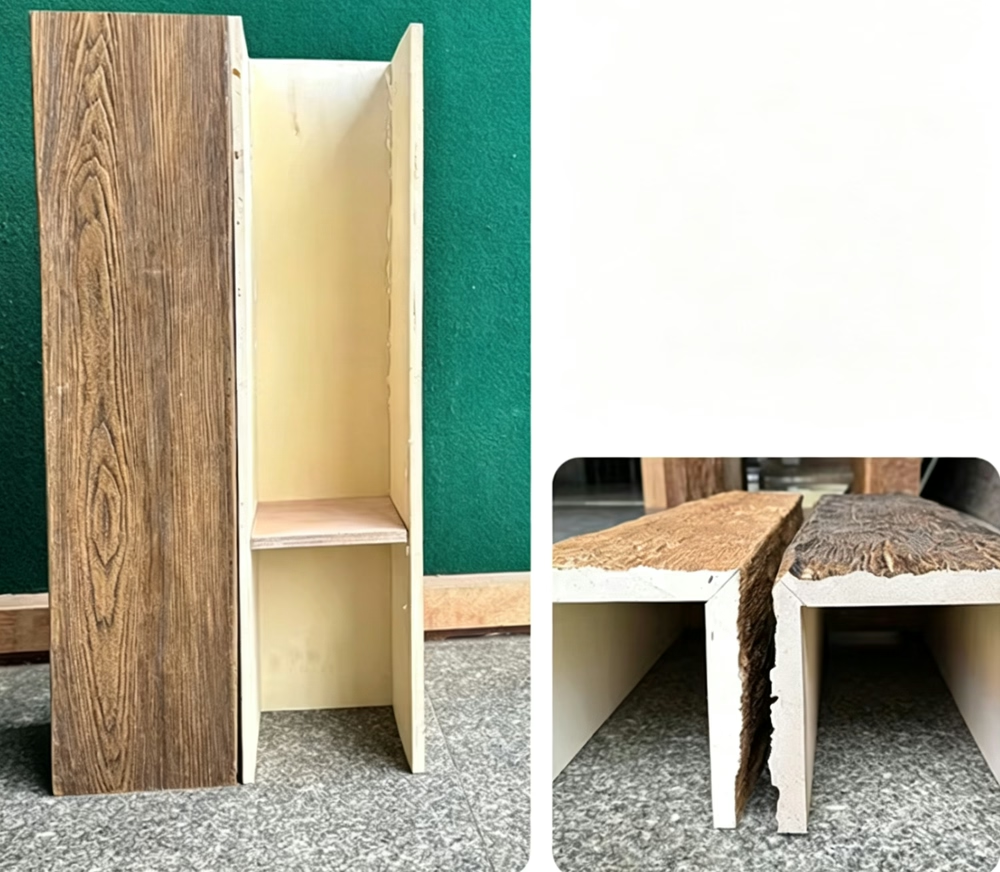
Polyurethane beams offer significant advantages in these logistical contexts. Their lightweight construction reduces shipping costs and allows handling by individual workers without specialized equipment. Bundles of beams arrive in manageable packages that can be transported in standard vehicles and moved through narrow access routes that would preclude larger deliveries. This accessibility expands the range of projects feasible for remote locations and simplifies construction scheduling.
On-site installation benefits from polyurethane's workability. The material cuts cleanly using standard woodworking tools without splintering or tear-out that can damage manufactured surfaces. Routing and drilling accommodate fixture mounting and electrical runs without the structural concerns that would apply to genuine timber. Adhesive bonding systems provide secure attachment without the specialized hardware that heavy timber installations require.
Long-Term Value for Mountain Properties
Mountain properties often experience seasonal occupation patterns that differ significantly from primary residences. These间歇性 occupancy creates unique demands for materials that maintain appearance and performance despite extended periods without climate control or regular maintenance attention. Freeze-thaw cycles, pest activity, and moisture accumulation can damage vulnerable materials during unoccupied periods.
Polyurethane beams maintain appearance through these extended intervals without attention. The material does not require the regular maintenance that natural wood demands—oiling, sealing, insect treatment, or periodic refinishing. A mountain cabin closed for winter returns in spring to find polyurethane beams unchanged by months of exposure to cold and darkness. This maintenance simplicity represents meaningful advantage for properties where regular attention is impractical.
Durability under mountain conditions ensures that beam installations provide lasting value. The material resists impact damage, moisture exposure, and UV degradation that might compromise lesser products. Homeowners can expect their installations to maintain appearance and structural integrity through decades of seasonal use without replacement or significant repair.
The combination of authentic aesthetics, practical performance, and easy maintenance makes polyurethane faux beams an increasingly popular choice for mountain cabin interior styling. These products enable design ambitions that might otherwise prove impractical, allowing homeowners to achieve the warm, substantial atmosphere that defines authentic mountain retreat character.
Technical References
ASTM standards cited in every specification
Test Data
Lab results from internal testing program
Updated 2026
Reviewed against current product specs


