Cabin interiors carry expectations shaped by generations of cultural association. The word itself conjures images: rough-textured walls, warm firelight, leather worn soft by decades of use, and overhead timbers that frame the space with honest structural weight. These expectations create both opportunity and obligation for anyone attempting cabin interior design—the opportunity to tap into deep emotional resonance, and the obligation to deliver authentic experience rather than superficial approximation.
Decorating cabin interiors involves curating materials and treatments that collectively produce the desired atmosphere. Individual elements must work together, reinforcing each other's contributions to spatial character. Ceiling beams provide a foundational element around which other choices organize themselves. Their scale, texture, and finish establish parameters that wall treatments, furniture selections, and accessorizing must complement rather than contradict.
The Emotional Pull of Timber in Interior Spaces
Humans maintain deep psychological connections with natural materials that evolved in environments fundamentally different from contemporary built spaces. Timber specifically triggers responses associated with shelter, warmth, and organic growth patterns that provided safety and sustenance throughout human history. These responses operate below conscious awareness, influencing how spaces feel before intellectual evaluation occurs.
In cabin contexts, timber overhead creates psychological enclosure that contrasts productively with the expansive landscapes typically viewed through cabin windows. The tight, warm intimacy created by timber beams and the expansive openness of surrounding wilderness form a spatial rhythm that alternates between protection and prospect. This combination of compression and release creates the distinctive experience that draws people to cabin retreats.
Polyurethane faux beams capture these psychological qualities through visual characteristics carefully designed to trigger authentic wood responses. Grain patterns, surface textures, and color variations replicate the organic complexity that natural timber displays. The result satisfies visual inspection and activates the deeper emotional responses that make timber such a powerful design element.

Cabin Decor Themes and Their Beam Requirements
Cabin interiors accommodate multiple aesthetic directions, each with distinct requirements for ceiling treatment. The hunting lodge tradition emphasizes masculine colors, mounted trophies, and robust materials that suggest frontier practicality. The cozy retreat variant prioritizes softness and comfort—plush textiles, warm lighting, and finishes that invite lingering conversation. The vintage cabin aesthetic references specific historical periods, typically mid-century mountain construction, with design elements specific to those contexts.
Hunting lodge style benefits from beams with bold character—pronounced grain, prominent knots, and darker finish tones that suggest exposure to smoke and weather. The visual weight should feel substantial, anchoring spaces dominated by heavy leather furniture and rustic wood case pieces. Beams with rough-sawn textures complement the utilitarian aesthetic, suggesting timber milled using traditional methods and installed without refinement.
Cozy retreat interiors require softer beam presentation—cleaner grain patterns, lighter finish tones, and dimensions that provide presence without overwhelming intimate spaces. The goal involves creating enclosure and warmth without the heavy atmosphere that might feel oppressive in smaller cabin footprints. Beams in honey or amber tones complement the warm textiles and gentle lighting that define cozy retreat aesthetics.
Texture and Finish Considerations
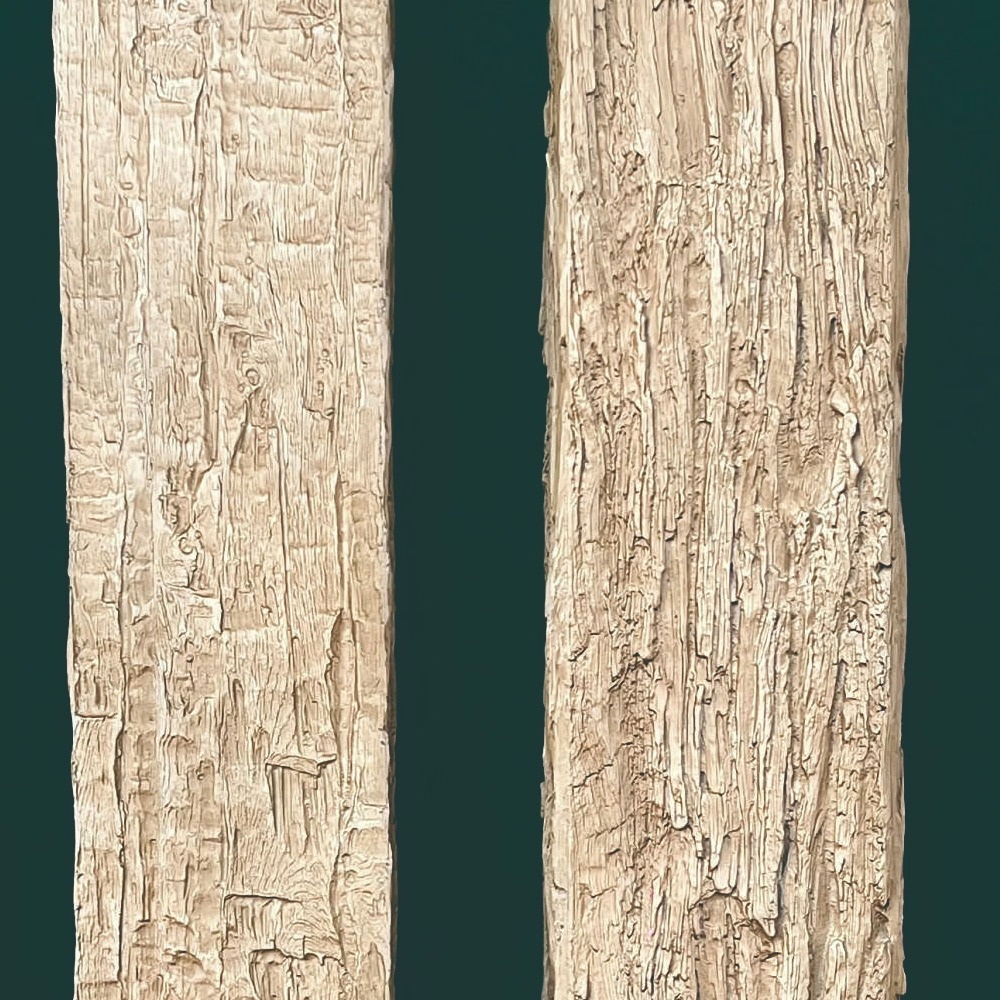
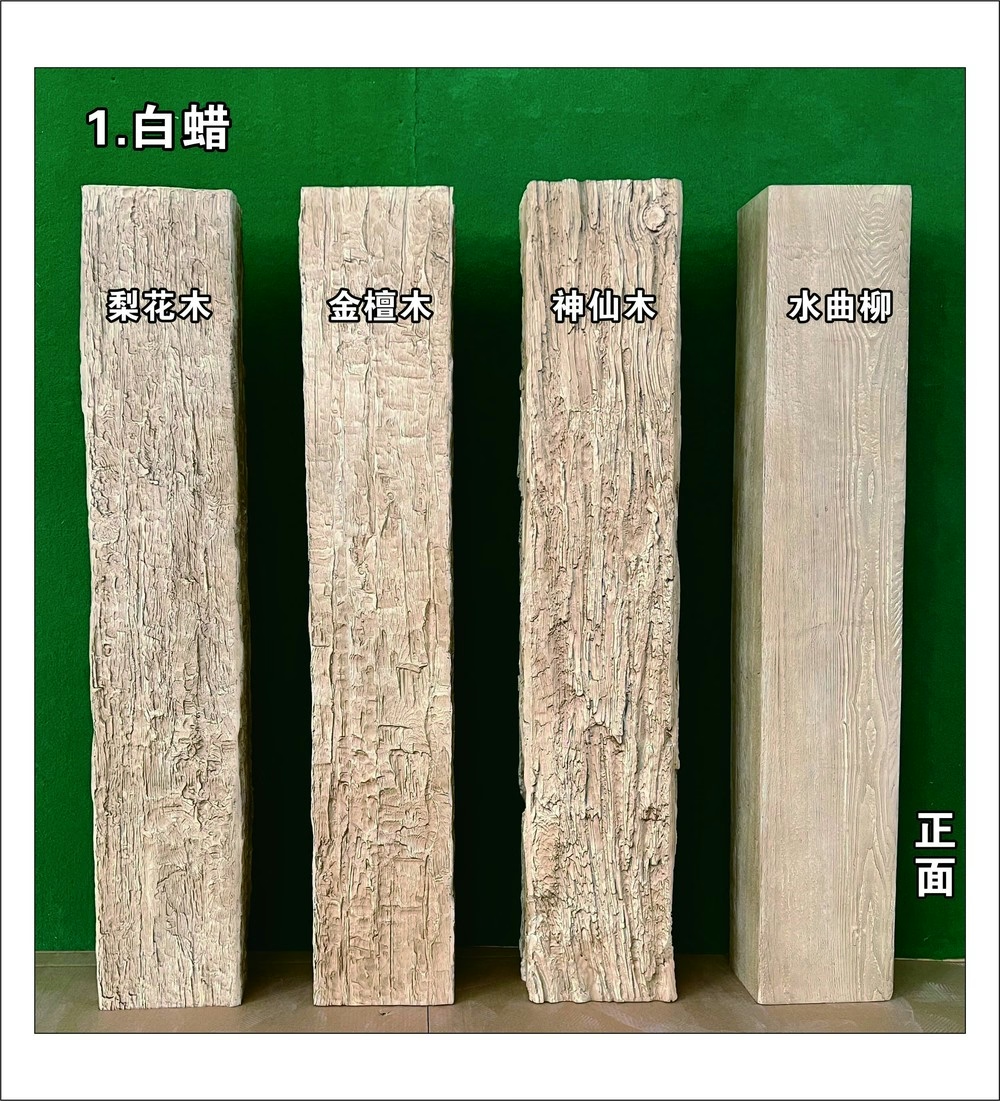
Surface texture communicates authenticity in cabin applications more powerfully than any other characteristic. The subtle variations, tool marks, and organic irregularities of genuine timber create visual interest that perfectly smooth manufactured surfaces cannot achieve. Premium polyurethane beams replicate these textural qualities through sophisticated manufacturing processes that capture the complexity of natural wood surfaces.
Rough-sawn textures reference timber milled using band saw or circular saw methods, leaving visible kerf marks and slightly uneven surfaces. This texture suits rustic cabin aesthetics and pairs naturally with other rough materials—stone fireplaces, wrought iron hardware, woven textiles. The tactile quality encourages touch, creating interaction between occupants and architectural elements that deepens spatial engagement.
Hand-hewn textures simulate timber shaped using axes or adzes, with characteristic marking patterns that reveal the tool's passage through the wood. This treatment suggests traditional craftsmanship and the labor-intensive methods that historical construction employed. Hand-hewn beams complement other craft-influenced details—mortise-and-tenon joinery, hand-forged hardware, carved wooden elements—that extend the traditional aesthetic throughout the interior.
Spatial Planning with Ceiling Beams
Beam placement affects how cabin interiors read spatially, creating visual relationships between ceiling architecture and functional zones below. Thoughtful placement enhances spatial organization while careless installation creates confusion that undermines overall design quality. Understanding these relationships requires attention to how beams interact with other architectural elements.
Fireplace placement often anchors cabin living areas, with furniture arranged to face the flame and warmth. Beams crossing above the fireplace deserve particular attention, as this intersection establishes visual hierarchy that other elements reference. Beams at right angles to fireplace orientation create grid-like structure, while beams parallel to the fireplace extend the fire's presence into the broader ceiling plane.
Window placement influences beam orientation decisions in cabins where these elements interact visually. Beams that frame window views create architectural geometry that organizes landscape scenery into comprehensible compositions. Beams that compete with window views for attention create visual confusion that diminishes both elements. Resolving these relationships requires understanding how beams and windows will appear together from typical seating positions.

Maintenance Considerations for Vacation Properties
Cabin interiors in vacation properties often receive less regular attention than primary residences, making maintenance requirements a significant factor in material selection. Seasonal occupation patterns mean that any maintenance needs must be addressed during brief visits, often with limited access to tools, supplies, or professional services. Materials that demand regular attention become burdens rather than pleasures.
Polyurethane beams eliminate most maintenance concerns that would affect genuine timber in vacation property applications. The material does not require periodic oiling, sealing, or refinishing to maintain appearance. Surface cleaning using mild detergents restores appearance when needed, typically only when significant soiling occurs. The absence of insect attraction—termites and carpenter ants do not recognize polyurethane as food source—eliminates treatment requirements that natural wood demands.
Long-term appearance retention ensures that vacation cabin interiors maintain quality despite infrequent attention. UV exposure, humidity fluctuation, and temperature variation that might degrade natural wood finish leave polyurethane surfaces essentially unchanged. Homeowners returning after off-season closure find their beam installations unchanged by months of exposure, ready to contribute to the cabin experience without preparatory attention.
Complementary Decor Elements
Beam installations achieve fullest expression when complemented by other elements that reinforce the cabin aesthetic. These accessories and treatments should create visual conversation with ceiling architecture, establishing thematic continuity that makes spaces feel curated rather than assembled.
Textiles contribute significantly to cabin warmth and comfort. Wool blankets in earth tones, linen curtains in natural undyed states, and leather upholstery that develops patina over time all complement timber beam aesthetics. The combination of overhead warmth from beams and tactile warmth from textiles creates layered comfort that defines authentic cabin experience.
Lighting fixtures suspended from beams reinforce the craft heritage that timber suggests. Lantern-style pendants with Edison filament bulbs reference historical lighting technology while providing practical illumination. The warm color temperature of these sources complements timber tones, creating the amber glow that distinguishes cabin evenings from ordinary domestic lighting.
Accessories including mounted wildlife art, vintage outdoor equipment, and collected objects from mountain recreation complete cabin interiors. These personal elements add narrative content that makes spaces feel inhabited and meaningful rather than merely decorated. The overhead beams provide perfect backdrop for displaying these treasures, establishing architectural framework within which personal collections find natural home.
Technical References
ASTM standards cited in every specification
Test Data
Lab results from internal testing program
Updated 2026
Reviewed against current product specs


