Farmhouse kitchens speak to something deep in our cultural memory—the grandmother's kitchen where bread rose on the counter, where Sunday dinners gathered extended family, where warmth came from both oven and wood stove. Modern farmhouse design attempts to recover these qualities, translating historical kitchen functions into contemporary spatial arrangements. The challenge lies in creating authentic atmosphere rather than mere stylistic reference, achieving the emotional resonance that distinguishes genuine farmhouse kitchens from their superficial imitations.
Ceiling treatment provides one of the most powerful tools for achieving authentic farmhouse atmosphere. The overhead plane receives constant peripheral attention, creating subconscious impression whether consciously observed or not. Flat drywall contributes nothing, leaving the kitchen feeling like any other room in the house. Exposed beams transform this forgotten surface into architectural feature, establishing the farmhouse character that other elements can then reinforce.
Farmhouse Kitchen Character and Its Origins
Understanding farmhouse kitchen aesthetics requires appreciating how these spaces actually functioned historically. Farm families needed kitchens that accommodated massive food preparation tasks: slaughtering and butchering, preserving harvests through canning and smoking, grinding grain for bread, and feeding large crews during harvest season. The equipment required was industrial in scale—huge reservoirs, massive preparation surfaces, and storage for quantities that urban families never imagined.
The materials that evolved to meet these requirements created the aesthetic vocabulary we now reference as farmhouse style. Durability came first—surfaces that would not chip, stain, or wear through generations of use. Cleanability mattered enormously in an era before sanitizing sprays and dishwashers. What emerged was a palette of porcelain, solid wood, wrought iron, and hammered copper that developed character through use rather than despite it.
Contemporary farmhouse kitchens retain these material priorities while adapting to current cooking practices. The scale has shrunk, but the aesthetic values persist: honest materials, substantial construction, and surfaces that invite use rather than demanding protection. Ceiling beams fit naturally into this vocabulary, providing warmth and character that align with farmhouse principles.

Beam Styling for Farmhouse Kitchen Applications
Farmhouse kitchen ceiling beams should reference historical construction while accommodating contemporary building realities. The beams that appear in period photographs and restoration projects often represent actual structural members—joists and purlins exposed because concealing them would require materials and labor the original builders could not afford. Contemporary faux beams must replicate this visual impact while existing purely as decorative elements.
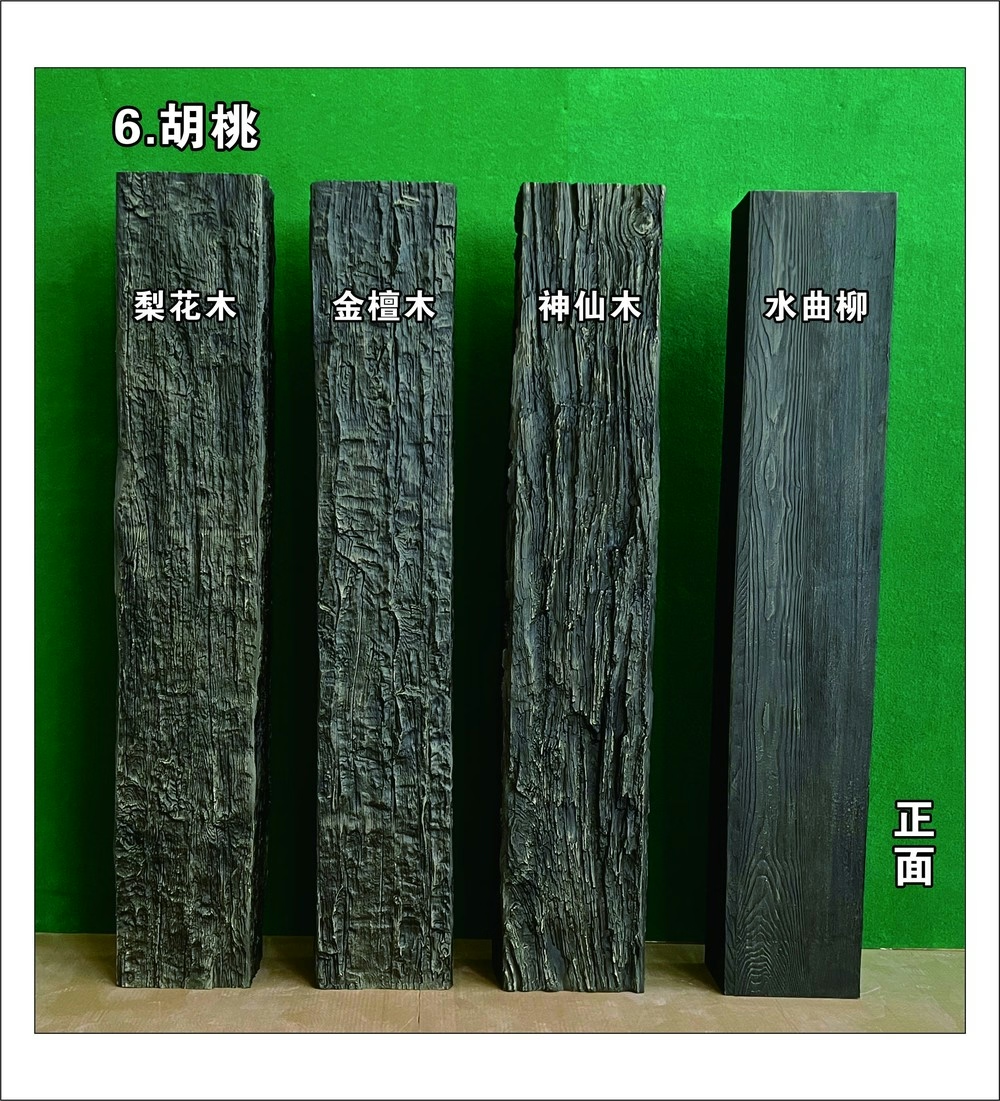
Texture selection establishes the farmhouse authenticity that homeowners seek. Rough-sawn surfaces suggest timber milled using traditional methods, with characteristic saw marks and slight surface variation. Hand-hewn beams imply even more labor-intensive construction, with tool marks that reveal the craftsman's passage. These textural qualities create the sense of authentic history that distinguishes genuine farmhouse aesthetics from generic rustic approximation.
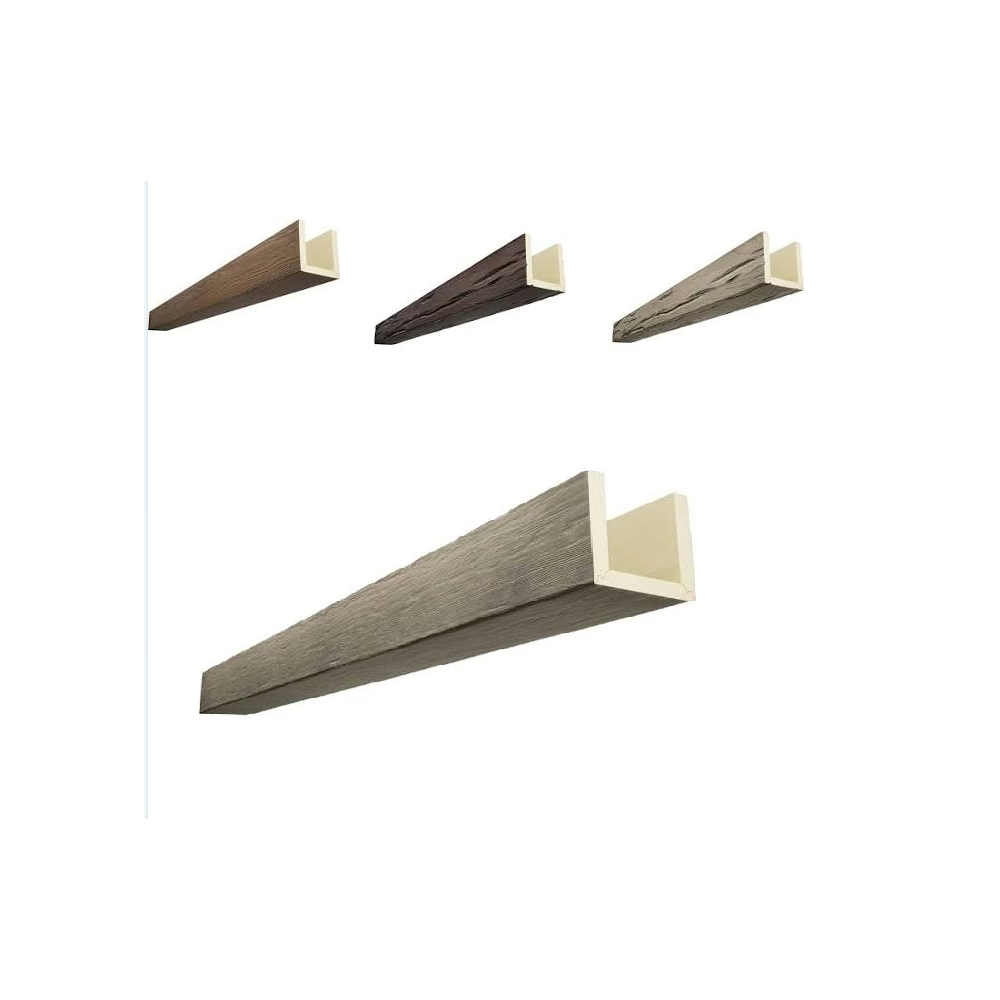
Finish tones in farmhouse kitchens typically emphasize warmth and natural variation. Honey-toned oak, rich amber maple, and medium walnut tones anchor the palette while complementing the neutral backgrounds—white tile, grey stone, stainless steel—that form farmhouse kitchen foundations. The beam finish should feel earned through use, suggesting extended service rather than fresh application.
Kitchen-Specific Installation Considerations
Kitchens present unique challenges for ceiling treatments that affect beam installation decisions. Cooking generates moisture, heat, and airborne grease that challenge materials in ways ordinary residential ceilings never encounter. Ventilation systems manage these byproducts but cannot eliminate them entirely. Material selection must account for these conditions to ensure long-term satisfaction.
Moisture resistance provides significant advantage in kitchen applications. Steam from boiling pots, humidity from dishwashing, and temperature fluctuations during cooking create condensation cycles that stress natural wood. Polyurethane repels moisture entirely, maintaining dimensional stability regardless of atmospheric conditions. This performance ensures that beam installations remain straight and secure despite years of kitchen humidity exposure.
Grease resistance affects both appearance and maintenance. Natural wood absorbs airborne grease particles, gradually developing the darkened, sticky surface that characterizes poorly maintained traditional kitchens. Polyurethane's non-porous surface rejects grease accumulation, maintaining clean appearance with simple cleaning. This practical advantage reduces the maintenance attention that genuine timber would demand.
Design Integration with Farmhouse Kitchen Elements
Successful farmhouse kitchen design creates coherent relationship between ceiling beams and the other elements that define the space. Cabinets, countertops, and architectural details should work with beam installations rather than competing for attention. This integration requires understanding how different elements interact visually.
Wood species consistency between beams and visible cabinet elements establishes material continuity that makes spaces feel complete. When beam finishes match cabinet faces, the eye moves smoothly through the space without jarring transitions. Mismatched finishes—oak beams paired with cherry cabinets, for example—create visual friction that undermines design coherence, even when individual elements are well-executed.
The apron-front sink, a defining farmhouse kitchen element, deserves particular attention in beam layout. Positioned below windows in classic farmhouse configuration, these sinks benefit from beam placement that frames rather than obstructs window views. Beams running perpendicular to the sink wall create vertical rhythm that complements the horizontal emphasis of the window wall above the sink.
Open shelving, increasingly popular in farmhouse renovations, complements beam installations by extending wood-forward aesthetics vertically. Shelves mounted between beams or adjacent to beam ends provide display opportunities that reinforce farmhouse character. The combination of overhead timber and accessible wood shelving fills the kitchen with organic warmth.

Lighting Design for Farmhouse Kitchens
Lighting affects how beam installations read visually, creating either dramatic impact or disappointing flatness. The interplay between light sources and beam surfaces determines whether grain patterns register, whether shadows create depth, and whether the overall effect feels atmospheric or merely decorated.
Farmhouse kitchens typically benefit from warmer light temperatures that complement wood tones. Bulbs in the 2700K to 3000K range produce the amber cast associated with incandescent lighting and traditional farmhouse atmosphere. Cooler temperatures can make wood tones appear grey or muddy, undermining the warmth that beam installations provide.
Recessed fixtures between beams provide general ambient illumination without competing with beam aesthetics. Positioning these to wash light across beam undersides creates gentle shadows that emphasize texture and depth. The goal involves making beams the visual heroes while providing adequate light for kitchen tasks.
Statement fixtures add personality and supplemental illumination for specific work zones. Pendants over kitchen islands, directional fixtures illuminating the range, and decorative sconces flanking the sink all contribute to layered lighting that serves practical needs while reinforcing farmhouse character. These fixtures should complement beam aesthetics rather than competing for attention.
Long-Term Performance in Kitchen Environments
Kitchen ceilings face ongoing challenges that test material performance across extended service periods. Temperature cycling, humidity fluctuation, grease exposure, and occasional cleaning contact all affect appearance over time. Material selection determines how well installations weather these conditions.
Polyurethane's resistance to moisture and grease ensures that beam installations maintain appearance with minimal attention. Surface cleaning using mild detergent restores appearance when needed, with no requirement for refinishing, sealing, or other maintenance interventions. This practical advantage allows homeowners to focus attention on kitchen activities rather than ceiling maintenance.
Impact resistance protects installations from the occasional contact that kitchen ceilings experience. Raised pots, swinging cabinet doors, and playful activities occasionally cause ceiling impacts. Polyurethane absorbs these contacts without visible damage, while the material's resilience prevents the splintering or denting that affects natural wood in similar conditions.
The farmhouse kitchen with rustic polyurethane beams provides enduring satisfaction through authentic aesthetics and practical performance. These installations create the warm, welcoming atmosphere that defines farmhouse character while accommodating the functional demands of contemporary cooking and family life.
Technical References
ASTM standards cited in every specification
Test Data
Lab results from internal testing program
Updated 2026
Reviewed against current product specs


