Mountain homes occupy a unique position in residential design—they are retreats from ordinary life, places where the pace slows and attention turns toward landscape, weather, and the company of family and friends. The architecture of these spaces should reinforce this distinction, creating environments fundamentally different from the urban and suburban contexts that dominate most daily experience. Every design decision in mountain homes either strengthens or weakens this sense of escape, this feeling of arriving somewhere deliberately different from everywhere else.
Ceiling treatment provides perhaps the most underutilized opportunity for establishing mountain character. In most residential construction, the overhead plane receives minimal attention—standard drywall, perhaps acoustic tile, occasionally a decorative treatment—but rarely anything that contributes meaningfully to spatial identity. In mountain homes, this neglect wastes enormous potential. The ceiling is one of the largest surfaces in any room, and its treatment establishes the visual framework within which all other design decisions occur.
The Distinctive Character of Mountain Architecture
Mountain architecture developed over centuries as builders responded to environmental conditions that shaped every material choice and construction method. Steep terrain demanded structures that followed contours rather than imposing artificial horizontals. Heavy snow loads required robust roof systems and thoughtful drainage. Cold climates prioritized thermal mass and efficient heating. Local materials—timber from surrounding forests, stone from nearby quarries—provided practical solutions that also created the regional character now referenced in contemporary mountain design.
The exposed-beam ceiling emerged from this environmental context as both practical necessity and aesthetic preference. Exposing structural timbers eliminated the need for finish materials that would be expensive in remote locations. The beams themselves demonstrated construction quality and material authenticity. Over time, what began as economic necessity became recognized as desirable aesthetic quality—the visual weight and warmth that timber provides, the honest expression of structure, the connection to natural materials that modern construction often obscures.
Contemporary mountain homes inherit this aesthetic tradition while facing different practical circumstances. Modern building codes, insulation requirements, and energy efficiency standards create constraints that historical builders never encountered. The challenge lies in honoring traditional aesthetics while accommodating contemporary building science—an integration that faux beams accomplish more successfully than many alternatives.

Material Selection for Mountain Environments
Mountain locations test building materials severely, creating conditions that demand careful selection. Temperature extremes, freeze-thaw cycling, intense UV exposure at elevation, and occasional extreme weather events all affect material performance in ways that standard applications never encounter. Materials that perform adequately in temperate urban environments may fail rapidly in mountain conditions.
Moisture performance deserves particular attention in mountain applications. Temperature differentials between heated interiors and frigid exteriors create condensation cycles that damage vulnerable materials. Snow accumulation on roofs can cause ice dams that allow water infiltration. Groundwater and soil moisture can affect below-grade elements. These moisture challenges make the complete water resistance of polyurethane a significant practical advantage.
UV radiation at mountain altitudes significantly exceeds sea-level intensity due to thinner atmosphere and frequent snow reflection. This elevated exposure accelerates surface degradation in many materials, causing fading, chalking, and structural compromise. Premium polyurethane formulations incorporate UV stabilizers that resist this degradation, maintaining surface appearance through years of intense mountain sun exposure.
Design Approaches for Different Mountain Styles
Mountain homes span a considerable aesthetic range, from rustic hunting camps to refined alpine lodges. Beam styling should align with the specific mountain variant being pursued, creating coherence between ceiling treatment and overall design direction. Mismatched aesthetics—refined beams in rustic contexts, rough beams in elegant settings—create visual confusion that undermines overall design quality.
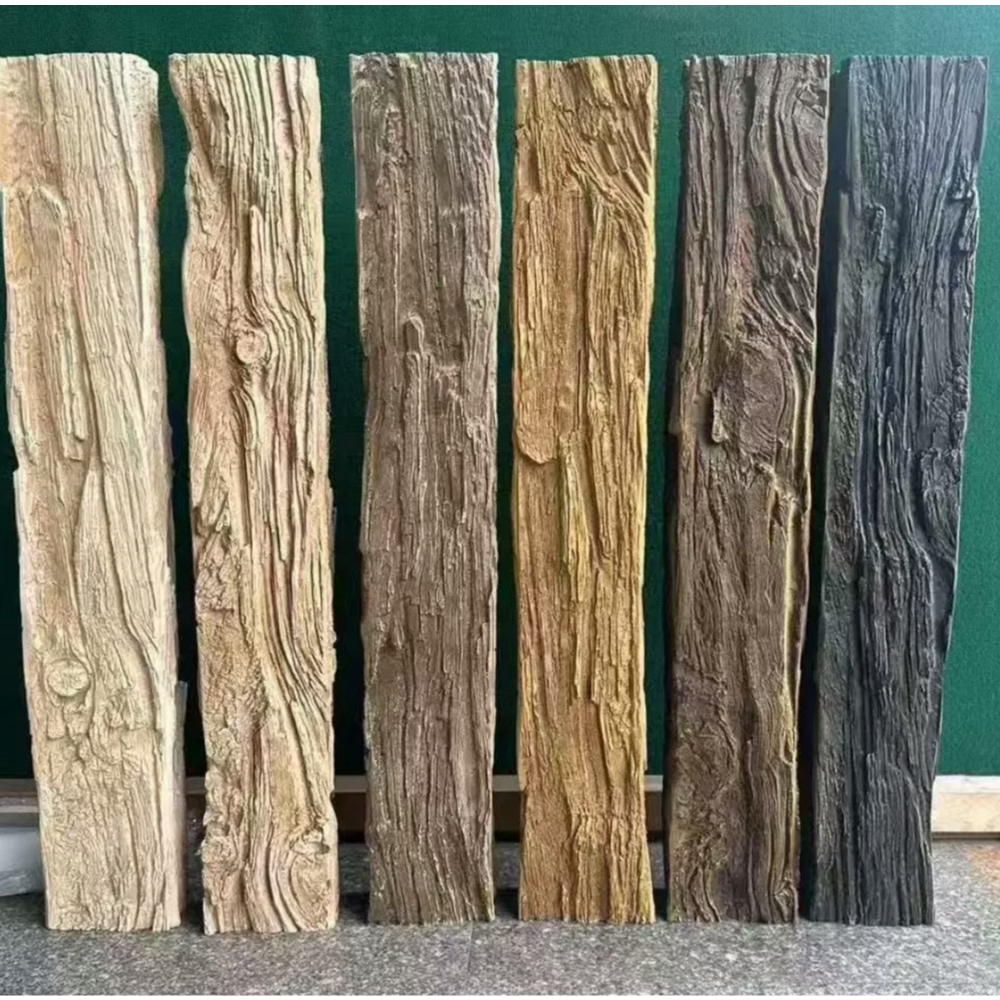
Rustic mountain style emphasizes robustness and natural character. Beams feature rough textures, prominent grain patterns, and substantial proportions that hold their own against dramatic mountain landscapes. The overall effect should feel substantial and honest, reflecting construction that prioritizes function and authenticity over refinement. Darker finish tones—walnut, espresso, weathered grey—reinforce the rugged character appropriate to this approach.
Alpine lodge style draws from European mountain building traditions, emphasizing refined proportions and sophisticated material combinations. Beams remain rustic in character but with cleaner edge conditions and more consistent dimensions. The overall effect balances warmth with elegance, creating spaces that feel luxurious while maintaining mountain character. Lighter finish tones—honey oak, natural pine, bleached maple—complement the sophisticated approach.
Integration with Mountain Landscape
The most successful mountain home design creates conversation between interior spaces and surrounding landscape. Windows frame views; materials reference local geology and vegetation; ceiling beams establish visual rhythm that extends outward through glazed walls into the mountain setting beyond. This integration requires conscious attention during design development.
Beam orientation can either emphasize or obscure landscape views. Beams running parallel to window walls create vertical rhythm that frames views as individual compositions. Beams crossing perpendicular to window walls establish horizontal bands that extend landscape rhythm into the interior. Each approach creates different spatial effects that should align with specific design intentions.
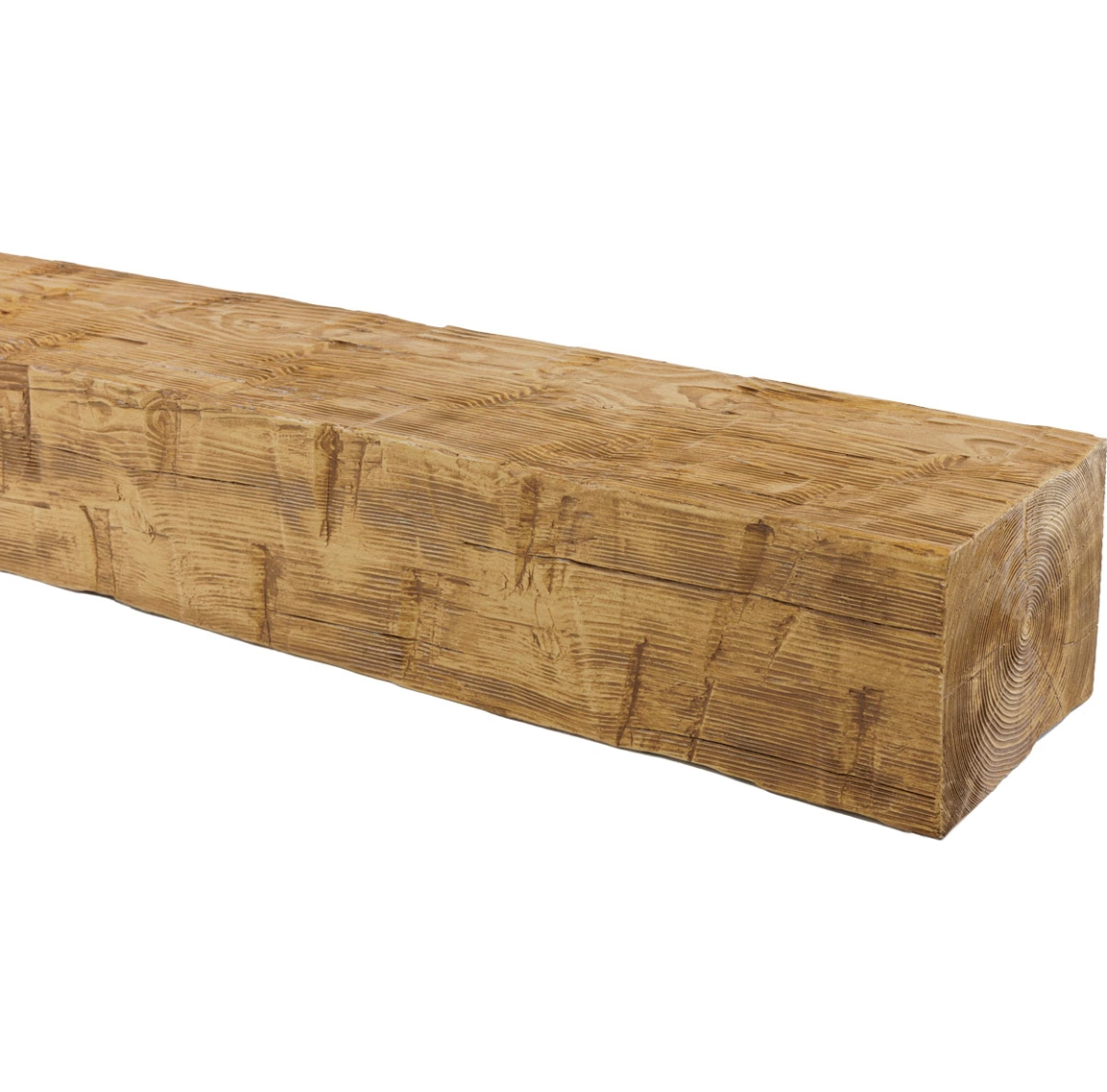
Material selection should reference the mountain context wherever possible. Beams finished in species common to the surrounding forest—Douglas fir in the Pacific Northwest, Engelmann spruce in the Rockies, eastern white pine in Appalachia—create regional authenticity that generic timber cannot achieve. High-quality faux beams offer species-specific coloring and grain patterns that enable this regional specificity.

Practical Considerations for Mountain Properties
Mountain properties present logistical and practical challenges that influence material and installation decisions. Remote locations, seasonal access, and limited professional contractor availability make lightweight, easy-to-install products significantly more practical than heavy alternatives requiring specialized equipment or expertise.
Transportation logistics favor polyurethane over genuine timber for remote mountain locations. The reduced weight lowers shipping costs and allows delivery using standard vehicles rather than specialized equipment. Individual beams can be handled by single workers, eliminating the multi-person teams that heavy timber installations require. This accessibility expands the range of projects feasible for remote locations.
Installation in mountain properties often proceeds during construction phases when access is available, followed by long intervals before completion. Polyurethane beams tolerate storage in unheated structures without the degradation that might affect natural wood left in similar conditions. This storage tolerance simplifies construction scheduling and reduces material protection requirements.
Long-Term Value for Mountain Retreats
Mountain properties often experience seasonal occupation patterns that differ significantly from primary residences. These intermittent occupancy patterns create unique demands for materials that maintain appearance without regular attention. The maintenance simplicity of polyurethane represents significant advantage in contexts where regular service is impractical.
Durability under mountain conditions ensures that beam installations provide lasting value. The material resists impact damage, moisture exposure, and UV degradation that might compromise lesser products. Homeowners can expect their installations to maintain appearance and structural integrity through decades of seasonal use without replacement or significant repair.
The combination of authentic aesthetics, practical performance, and minimal maintenance makes polyurethane faux beams an ideal choice for mountain homes and cabin styling. These products enable design ambitions that might otherwise prove impractical, allowing homeowners to achieve the warm, substantial atmosphere that defines authentic mountain retreat character.
Technical References
ASTM standards cited in every specification
Test Data
Lab results from internal testing program
Updated 2026
Reviewed against current product specs


