The appeal of reclaimed barn timber in interior design stems from something more than aesthetic fashion—it connects contemporary spaces to agricultural history, to the labor of previous generations, and to the patient work of converting raw forest into structural material. Barn wood carries stories in its grain patterns, nail holes, and weathered surfaces. These material qualities cannot be manufactured through simple surface treatment; they emerge from decades of exposure to sun, rain, and seasonal temperature fluctuation that break down wood fibers in patterns no industrial process can truly replicate.
Yet reclaimed timber presents practical challenges that make it increasingly difficult to specify for contemporary projects. Genuine barn wood must be sourced from demolition projects, carefully inspected for structural integrity and insect damage, and processed to remove contaminants before installation. The cost reflects this labor-intensive provenance, placing authentic reclaimed timber beyond reach for many budgets. Additionally, the irregular dimensions and unpredictable availability of salvage material complicate project planning and scheduling.
Faux timber products manufactured to replicate reclaimed barn aesthetics offer a practical alternative that preserves the visual qualities while eliminating sourcing and handling challenges. Advanced polyurethane molding technology captures the surface complexity of genuine barn wood—the weathering patterns, the nail holes, the natural checking and grain separation—with remarkable fidelity. The result satisfies visual requirements while providing performance characteristics that genuine timber cannot match.
Understanding Reclaimed Barn Wood Characteristics
Authentic barn wood develops its distinctive appearance through extended exposure to environmental conditions that break down surface fibers, leach color compounds, and create the weathered grey patina that collectors prize. This weathering process occurs unevenly across beam surfaces, creating the layered appearance where protected areas retain original color while exposed surfaces bleach to silver grey. The contrast between these zones creates the depth that distinguishes weathered timber from artificially treated alternatives.
Beyond color development, genuine barn wood accumulates physical evidence of agricultural use. Nail holes from former hardware, fence staples, and equipment brackets mark surfaces with evidence of former function. Mortise holes and tenon projections reveal traditional joinery methods. Saw kerfs and axe marks document the timber's original processing. These imperfections collectively create the sense of authentic history that new wood cannot possess regardless of surface treatment.
Insect activity affects some reclaimed timbers, leaving bore holes and galleries that testify to previous infestation. While this damage rarely affects structural integrity in dimensional lumber, it adds visual interest that contributes to overall authenticity. Faux products that incorporate these characteristics as intentional design elements achieve greater realism than those attempting to simulate pristine surfaces.

Manufacturing Approaches to Barn Wood Replication
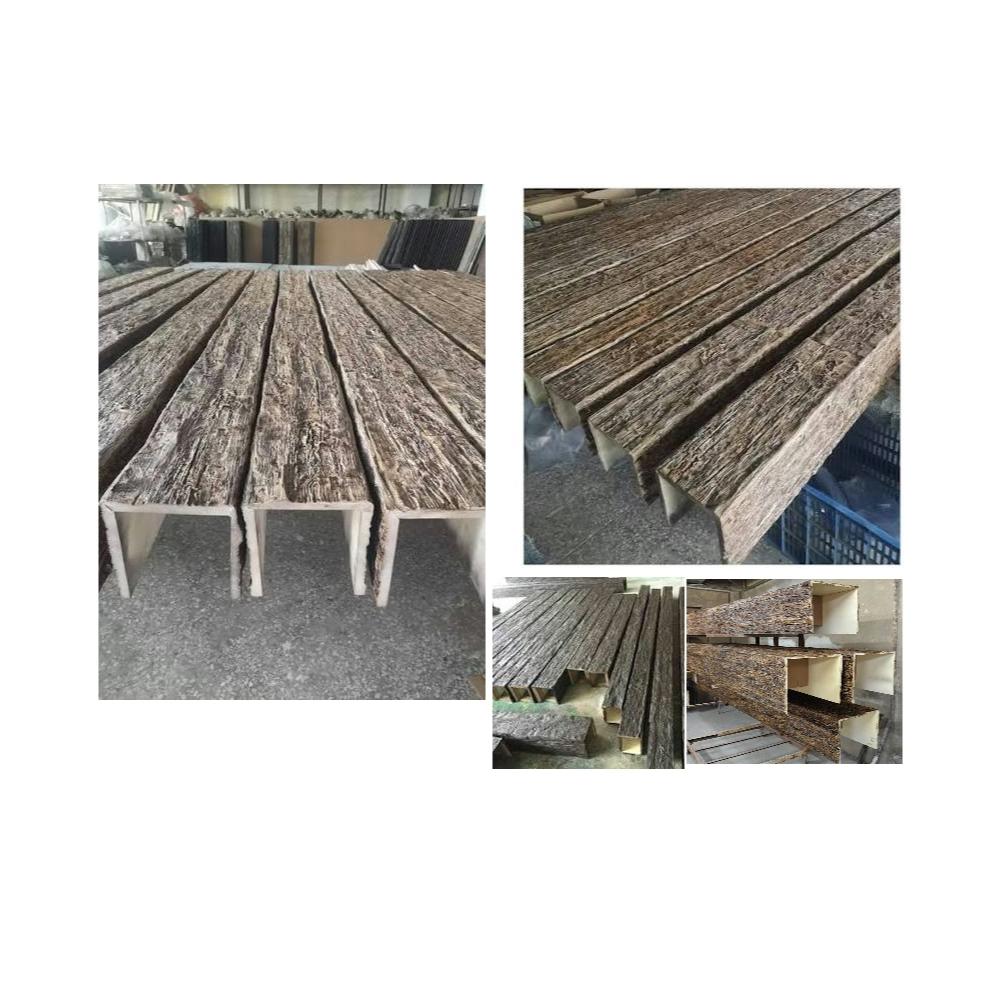
Premium faux timber manufacturers employ molding processes that capture genuine wood surfaces with microscopic accuracy. The process begins with authentic timber samples selected for representative characteristics—weathering patterns, grain complexity, and surface defects. Molds taken from these samples preserve every detail that makes genuine wood visually compelling, from broad surface texture to individual grain valleys and peaks.
Polyurethane casting into these molds reproduces captured details consistently across production runs. The material accepts colorants that penetrate throughout the cross-section, creating depth that surface coating cannot achieve. Multiple staining stages build complexity similar to genuine weathering, with variations that prevent the monotonous repetition that reveals manufactured origins to careful observers.
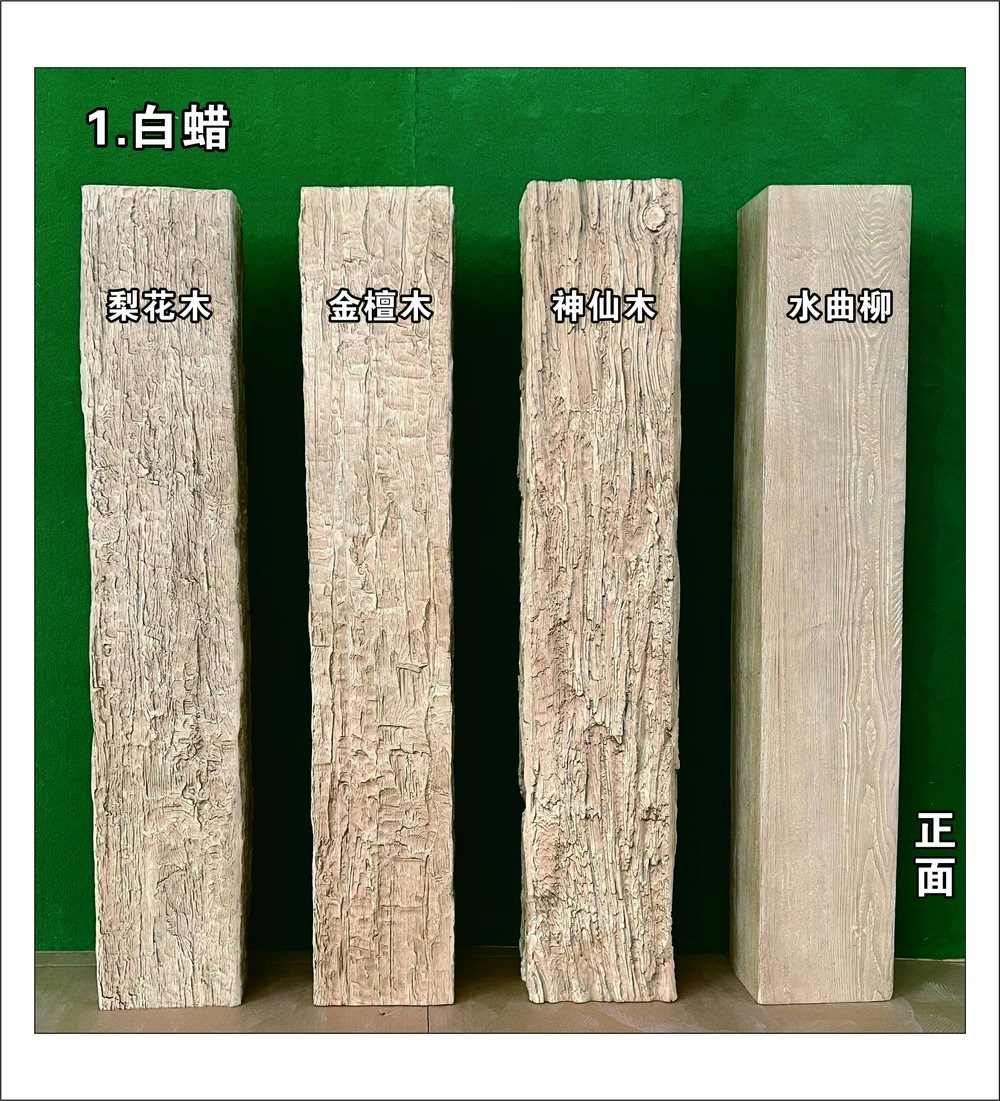
The best faux barn wood products incorporate intentional defects that reference genuine timber characteristics. Simulated nail holes filled with darker compound, artificial checking patterns that follow grain direction, and subtle color gradients that suggest uneven weathering exposure all contribute to convincing appearance. These details distinguish premium products from budget alternatives that apply superficial textures without understanding the underlying complexity.
Installation Advantages for Ceiling Applications
Ceiling installation of reclaimed timber presents challenges that faux products address effectively. Genuine barn wood beams may weigh sixty to one hundred pounds per linear foot depending on species and moisture content, requiring structural support that standard ceiling joists cannot necessarily provide. Engineering assessment and reinforcement become necessary, adding cost and complexity to installations that might otherwise proceed simply.
Polyurethane faux beams typically weigh three to five pounds per linear foot, a fraction of genuine timber weight. This dramatic reduction eliminates structural concerns entirely, allowing installation directly to existing ceiling surfaces without reinforcement. The practical implications extend beyond structural engineering: lighter beams can be handled by individual workers, transported in standard vehicles, and installed without mechanical equipment.
The predictable dimensions of manufactured faux products simplify project planning in ways that salvage material cannot match. Consistent cross-sectional dimensions allow accurate material quantities before purchase, eliminating the contingency ordering that genuine reclaimed timber requires due to damage and defect variability. Specifiers can design with confidence, knowing that ordered material will match specifications.
Design Integration in Contemporary Spaces
Barn wood aesthetics complement contemporary interior design more effectively than many traditional materials. The weathered neutrality of grey barn wood coordinates with modern color palettes while providing warmth that pure modern interiors sometimes lack. This versatility makes barn-style beams appropriate for spaces ranging from minimalist lofts to rustic farmhouse renovations.
In industrial loft conversions, barn wood beams provide organic counterpoint to exposed brick, concrete, and steel. The warmth of timber softens industrial harshness while maintaining the honest material expression that loft dwellers prize. Beams can frame existing steel structure, creating visual dialogue between industrial and organic materials that enriches spatial experience.
Farmhouse and country interiors benefit from barn wood authenticity that reinforces design intentions. The agricultural heritage of barn timber aligns naturally with farmhouse aesthetics, creating continuity between ceiling treatment and the broader design vocabulary. The combination of overhead timber and rustic furnishings produces immersive environments that feel curated rather than assembled.

Maintenance and Long-Term Performance
The practical advantages of polyurethane over genuine timber extend to maintenance requirements and long-term appearance retention. Natural barn wood requires ongoing attention to maintain appearance—periodic cleaning, occasional refinishing, and vigilance against moisture damage and insect activity. These demands continue throughout the beam's service life, creating maintenance obligations that faux products eliminate.
Surface cleaning of polyurethane faux beams requires only mild detergent and soft cloth. The non-porous surface rejects staining from atmospheric contaminants and resists the biological growth that can affect natural wood in humid conditions. Unlike genuine timber that might develop mold in damp environments, polyurethane maintains clean appearance regardless of humidity exposure.
UV stability ensures that faux barn wood maintains consistent appearance despite years of light exposure. Natural wood continues to weather under UV radiation, gradually changing color and developing additional surface degradation. Polyurethane incorporates UV stabilizers that prevent this continuing change, preserving the initial appearance indefinitely without refinishing intervention.
Cost Considerations and Value Analysis
Project budgets benefit from faux timber in multiple ways beyond initial material cost. Reduced shipping costs reflect lighter weight and compact packaging. Simplified installation eliminates specialized labor that genuine timber might require. The absence of structural engineering assessment removes consultant fees that heavy timber installations sometimes necessitate.
Perhaps most significantly, the predictability of manufactured products eliminates the contingency budgeting that genuine reclaimed material requires. When working with salvage barn wood, buyers typically order fifteen to twenty percent additional material to account for defects discovered during processing and installation. This premium disappears with faux products that meet specifications consistently.
Life-cycle cost analysis favors polyurethane for most applications. While genuine timber might outlast polyurethane in perfect conditions, the maintenance requirements and potential for damage during service create ongoing costs that may eventually exceed initial savings. The certainty of faux product performance provides budget predictability that genuine material cannot match.
Technical References
ASTM standards cited in every specification
Test Data
Lab results from internal testing program
Updated 2026
Reviewed against current product specs


