Farmhouse interiors have experienced remarkable durability in design popularity, maintaining relevance across decades of shifting aesthetic trends. This persistence stems from the genuine qualities that farmhouse design embodies: practicality, durability, warmth, and the honest expression of materials and construction. Unlike trends that emerge from fashion industry influence, farmhouse aesthetics derive from functional necessity and generational refinement, giving them depth that superficial styling cannot achieve.
Ceiling treatment in farmhouse design requires attention to the same material principles that guide other interior selections. The aesthetic vocabulary favors natural materials, substantial proportions, and finishes that suggest extended service rather than fresh application. Beams that fail to satisfy these criteria—regardless of how well they might serve other design intentions—undermine farmhouse authenticity by introducing elements that feel out of character with the broader spatial vocabulary.
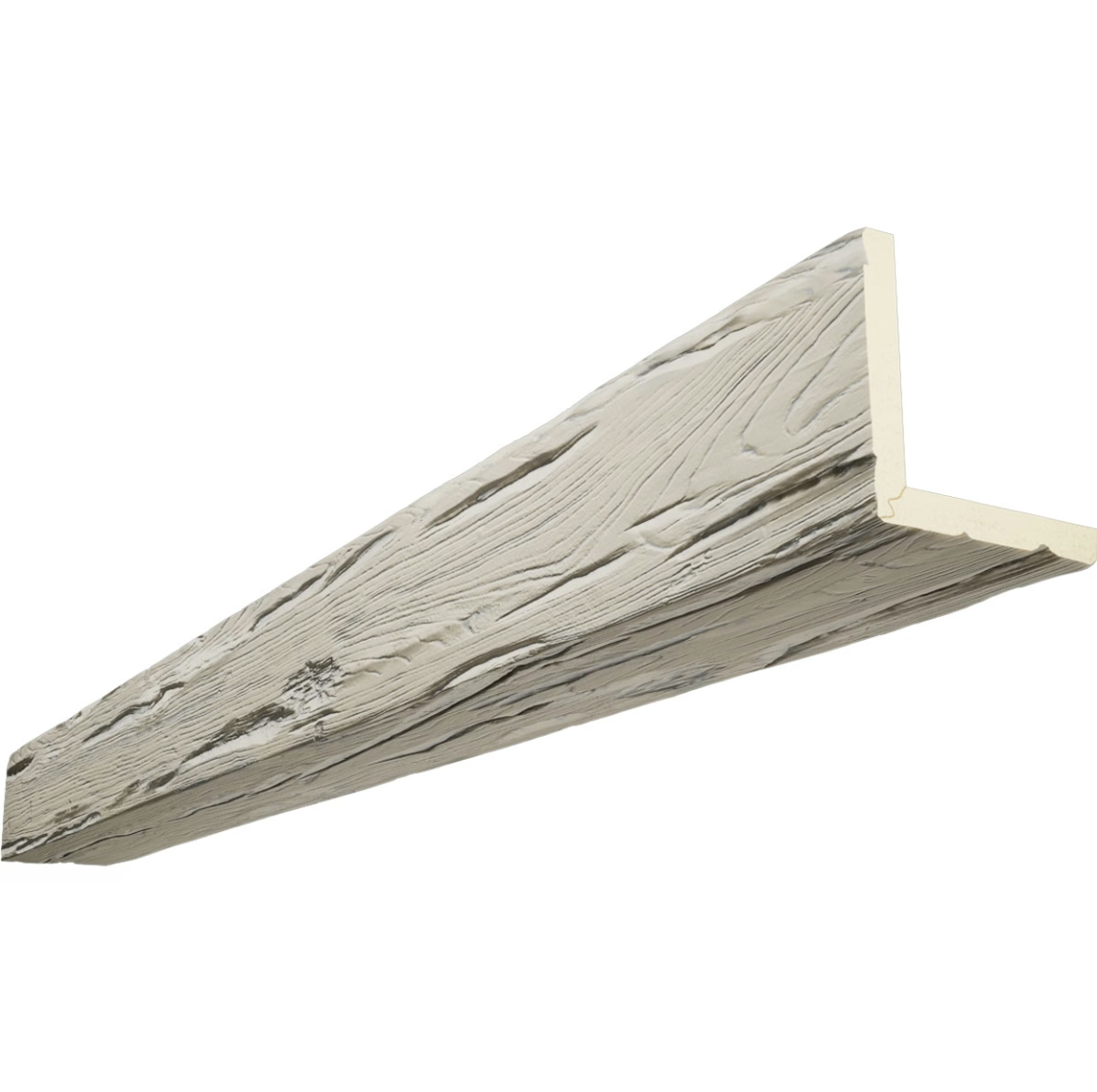
Reclaimed wood style faux beams provide farmhouse-appropriate aesthetics while offering practical advantages that make them increasingly attractive for residential applications. The weathered character, authentic texture, and warm color tones align naturally with farmhouse design principles, while the material performance characteristics address concerns that genuine reclaimed timber might raise.
Farmhouse Interior Design Principles
Understanding farmhouse design requires appreciating how these spaces actually functioned historically. Farmhouses were working buildings where domestic and agricultural activities overlapped. Kitchens accommodated massive food preservation tasks. Living areas served multiple purposes including storage, tool repair, and seasonal processing of agricultural products. The design accommodated these functions through practical arrangements that also produced the aesthetic qualities now prized.
Durability characterized every material selection in historical farmhouse construction. Floors were pine or oak, species chosen for hardness and wear resistance. Walls featured plaster over lath, providing thermal mass that moderated interior temperatures. Ceilings exposed structural timber that required no additional finish material and would not require replacement during the lifetime of the structure. These practical choices created the aesthetic vocabulary—honest materials, substantial construction, finishes that develop character through use.
Contemporary farmhouse renovations inherit this aesthetic vocabulary while accommodating current lifestyle requirements. The functions have changed—kitchens serve food preparation rather than food preservation, living areas host electronics rather than tool storage—but the material values persist. Surfaces should feel substantial and real. Materials should suggest permanence rather than fashion. Finishes should age gracefully rather than degrading ungracefully.

Character Development in Faux Beam Manufacturing
Premium faux beam manufacturers invest substantially in developing surface characteristics that achieve authentic farmhouse appeal. The goal involves replicating the accumulated character that genuine reclaimed timber displays—not merely simulating wood grain in generic terms, but capturing the specific qualities that distinguish aged timber from fresh-milled material.
Weathering patterns represent one of the most significant character markers in reclaimed timber. The silver-grey patina that develops on exposed surfaces creates visual interest that fresh wood cannot match. Premium faux products incorporate multi-stage finishing processes that build similar complexity, with variations that prevent monotonous repetition across multiple beams. The resulting surfaces reward close inspection, revealing detail that supports the authentic impression from normal viewing distances.
Grain complexity contributes substantially to the appeal of genuine farmhouse timber. Old-growth timber from century-old structures developed dense grain patterns through slow growth in crowded forest conditions. The tight growth rings created distinctive figure that fast-grown contemporary timber rarely displays. Faux beam manufacturers address this by selecting appropriate wood samples for mold making and by formulating polyurethane compounds that accept stain in patterns consistent with genuine old-growth characteristics.
Practical Installation Advantages
Residential installation presents practical challenges that affect material selection regardless of aesthetic quality. Standard ceiling construction in contemporary homes assumes minimal overhead weight from finish materials. Adding genuine reclaimed timber—potentially hundreds of pounds per linear beam—may exceed design loads and require structural modification.
Faux beams eliminate these concerns through lightweight construction. At three to five pounds per linear foot compared to sixty to one hundred pounds for genuine timber, polyurethane beams can be mounted directly to existing surfaces without structural reinforcement. This simplifies installation to routine procedures that competent homeowners can complete independently, reducing labor costs and scheduling complexity.
Handling characteristics favor faux products for residential delivery and storage. Beams arrive in packaging suitable for standard vehicle transport and can be moved through doorways and stairwells without special equipment. Storage requirements are modest, with beams stacking compactly in garages or basements until installation. These practical advantages eliminate logistical barriers that might otherwise discourage farmhouse beam installation.
Integration with Farmhouse Material Palettes
Successful farmhouse interiors create coherent relationships between all material selections. Ceiling beams establish the dominant wood presence in most spaces, creating parameters within which cabinetry, flooring, and furniture should coordinate. The finish, texture, and proportion of beam elements all influence how complementary materials should be selected.
Wood species coordination between beams and other visible wood elements establishes material continuity that makes spaces feel complete. When beams and cabinet faces feature matching species and similar finish tones, the eye moves smoothly through the space without jarring transitions. This coordination is particularly important in open-plan farmhouse layouts where kitchen, dining, and living areas share visual space.
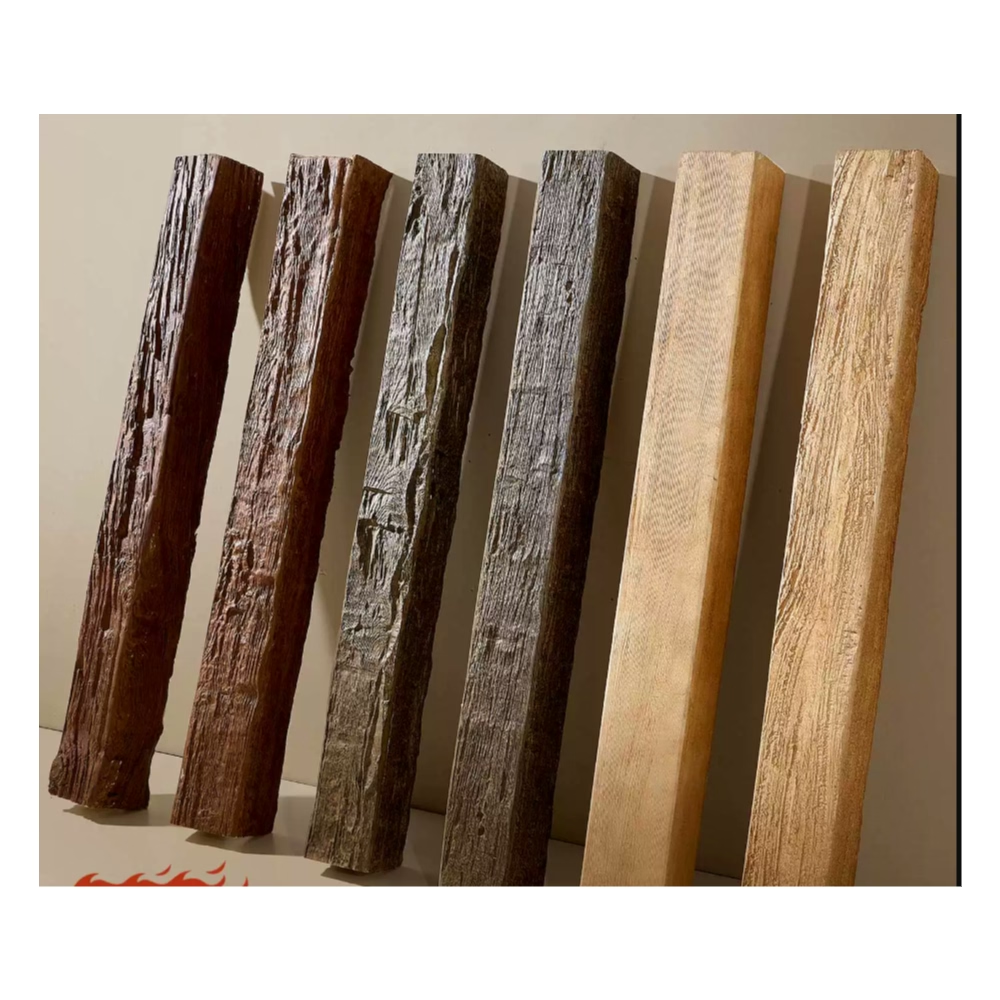
Neutral finish tones in farmhouse applications allow beam installations to coordinate with diverse color palettes. The grey tones of weathered barn wood, the honey warmth of natural oak, and the rich brown of aged walnut all accommodate the neutral backgrounds—white shiplap, grey stone, creamy plaster—that form farmhouse interior foundations. This versatility distinguishes genuine farmhouse aesthetics from more restrictive design vocabularies that require precise color matching.

Maintenance Simplicity for Busy Households
Farmhouse interiors typically accommodate active family life that demands practical material performance. Children, pets, cooking activity, and regular entertaining all challenge interior finishes in ways that pristine showroom environments never encounter. Materials that require careful maintenance or specialized cleaning products become burdens rather than assets in these contexts.
Polyurethane faux beams tolerate the cleaning protocols that busy households employ naturally. Mild detergent solutions remove accumulated dust and fingerprints without affecting surface appearance. The non-porous surface resists staining from cooking grease, beverage spills, and atmospheric contaminants that might penetrate natural wood grain. This practical durability maintains appearance through years of family activity without demanding attention.
The absence of ongoing maintenance requirements distinguishes faux beams from genuine timber alternatives. Natural wood benefits from periodic oiling, periodic sealing, and occasional refinishing to maintain appearance and prevent degradation. These obligations persist throughout the beam's service life, creating maintenance burdens that busy families may find impractical. Faux beams eliminate these obligations entirely, providing lasting beauty without demanding attention.
Long-Term Appearance and Value
The initial appeal of ceiling beams can fade quickly if installations deteriorate under service conditions. Surface checking, finish degradation, and physical damage all compromise appearance over time, transforming attractive installations into eyesores that detract from overall interior quality. Material selection significantly influences how well beams weather service conditions.
Polyurethane's resistance to the environmental factors that degrade natural wood ensures consistent appearance over extended service periods. Moisture absorption causes expansion and contraction that leads to surface checking and joint failure in genuine timber. UV radiation degrades surface finishes, requiring periodic refinishing to maintain appearance. Temperature fluctuation creates stress that may eventually cause cracking. These degradation mechanisms affect faux beams far less than natural alternatives.
The combination of authentic aesthetics and practical performance makes reclaimed wood style faux beams an increasingly popular choice for farmhouse interiors. These products enable design ambitions that might otherwise prove impractical, allowing homeowners to achieve the warm, substantial atmosphere that defines authentic farmhouse character.
Technical References
ASTM standards cited in every specification
Test Data
Lab results from internal testing program
Updated 2026
Reviewed against current product specs


