The rough-sawn texture represents one of the most authentic markers of traditional timber craftsmanship. Before modern milling technology produced the precision-machined surfaces of contemporary dimensional lumber, every structural beam required laborious shaping using pit saws, whipsaws, or steam-powered circular saws. These methods left characteristic marks—saw kerfs, slight dimensional variations, and surface irregularities—that identified timber as genuinely processed rather than precisely manufactured.
Contemporary homeowners seeking vintage farmhouse aesthetics recognize rough-sawn texture as essential rather than incidental. The subtle surface complexity creates visual interest that perfectly smooth manufactured surfaces cannot achieve. Light interacts with textured surfaces differently than with smooth alternatives, producing shadow patterns that animate the ceiling throughout the day as sun position changes. This dynamic quality rewards extended observation in ways that static surfaces cannot match.
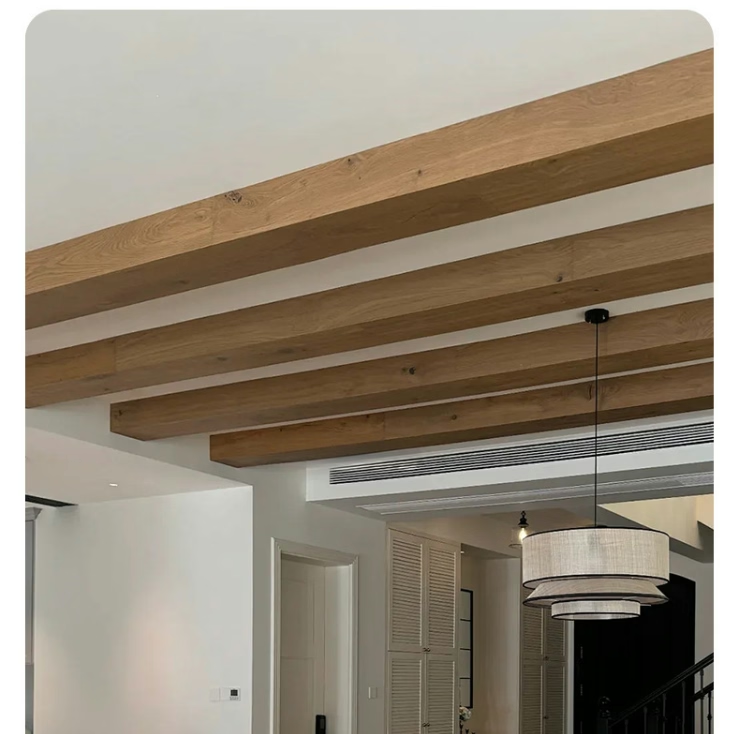
Polyurethane faux beams with rough-sawn texture provide authentic character while addressing practical requirements that genuine rough-sawn timber might struggle to satisfy. The combination of convincing texture and modern material performance makes these products increasingly attractive for farmhouse ceiling installations where vintage authenticity and practical performance must coexist.
The Heritage of Rough-Sawn Timber
Understanding rough-sawn texture requires appreciation for how traditional timber processing created distinctive surface characteristics. Pit sawing, the dominant method for producing structural timber through the nineteenth century, involved two workers: one standing in a pit below the log and one above, pulling a long saw through the wood in coordinated strokes. This labor-intensive process produced boards with characteristic saw marks and slight thickness variations that reflected the physical demands of the operation.
Steam-powered sawmills began replacing pit sawing in the mid-nineteenth century, but early sawmill technology still produced lumber with significant surface irregularity. Band saws and circular saws left distinctive marks depending on blade condition and feed rate. Timber from this transitional period carries the character of industrial revolution technology—machined but not precision-machined, processed but not refined.
The farmhouse aesthetic that emerged from this historical context includes rough-sawn texture as a defining characteristic. Interiors featuring exposed beams from this era display the surface complexity that traditional processing created. Restoring this character in contemporary construction requires either exposing genuine old-growth timber—which raises sourcing and structural concerns—or specifying manufactured products that replicate traditional surface qualities convincingly.

Texture Replication in Polyurethane
Premium faux beam manufacturers employ sophisticated techniques to capture rough-sawn texture with convincing accuracy. The process begins with genuine timber samples selected for representative surface characteristics—consistent saw marks, appropriate depth variation, and natural irregularity that distinguishes authentic texture from manufactured simulation. These samples serve as masters for mold making that preserves every detail.
Mold preparation involves careful treatment to ensure release after casting while maintaining surface fidelity. The negative impression captures not only broad surface undulation but also the fine detail of individual saw marks and their variations across the timber surface. Multiple molding stages may be necessary to preserve complex surface characteristics without damage during separation.
Casting compounds must accept texture without filling fine detail. The polyurethane formulation affects how completely molds fill and how faithfully surface characteristics reproduce. Premium compounds remain fluid enough during casting to capture fine texture while developing sufficient strength for structural applications. The formulation balance distinguishes professional products from budget alternatives that sacrifice surface fidelity for processing convenience.

Design Applications in Farmhouse Interiors
Rough-sawn texture serves different design purposes depending on the specific farmhouse variant being pursued. Some interiors benefit from pronounced texture that creates bold rustic character; others require subtler treatment that provides texture without overwhelming refined proportions. Understanding these applications helps specify appropriate products for specific design intentions.
Maximum rustic impact requires texture with significant depth and variation. Deep saw kerfs, pronounced undulation, and dramatic shadow patterns create visual intensity that holds its own against other bold elements—stone fireplaces, heavy timber furniture, substantial fabric textures. These installations contribute to spaces that feel substantial and rugged, appropriate for country farmhouse aesthetics that embrace rather than refine rustic character.
Subtle texture complements more refined farmhouse interpretations. The clean lines of Shaker-influenced farmhouse design benefit from texture that provides warmth without competing with intentional refinement. Shallower saw marks, more consistent depth, and refined proportions create texture presence that reads as authentic reference without overwhelming the overall refinement. These applications require different product specifications than maximum rustic approaches.
Finish Selection for Vintage Appearance
The finish applied to rough-sawn beams significantly affects how texture reads visually. Deep textures with dark stains create dramatic shadow contrast that emphasizes surface irregularity. Lighter finishes with subtle toning reduce contrast while maintaining texture presence. The choice should align with the specific visual effect desired and the overall interior color palette.
Natural finish tones in honey, amber, and golden oak allow wood grain and texture to provide all visual interest. These finishes suit interiors with neutral backgrounds where beams provide the primary warm accent. The transparency of natural finish reveals texture fully while adding warmth that unadorned surfaces lack.
Weathered grey finishes reference the silver patina that develops on barn timber exposed to decades of weather. These finishes complement industrial and loft-influenced farmhouse variants where cooler tones balance the warmth of other materials. The combination of rough texture and weathered color creates compelling vintage character that rewards close observation.
Installation and Maintenance Advantages
The practical advantages of polyurethane extend beyond initial installation to ongoing maintenance and long-term appearance. Rough-sawn textures on natural wood create surface complexity that accumulates dust, complicates cleaning, and may harbor insects attracted to organic material. Polyurethane's non-porous surface eliminates these concerns while maintaining texture fidelity.
Cleaning rough-sawn polyurethane beams requires only soft brush attachment on vacuum cleaners or gentle wiping with mild detergent solution. The texture complexity does not create cleaning challenges because the surface remains smooth despite its visual irregularity. Dust and debris wipe clean without accumulating in texture valleys the way they might in genuine rough-sawn wood.
Physical durability ensures that texture detail survives the occasional impacts that ceiling installations experience. Unlike natural wood where impact might cause splintering or denting that damages texture integrity, polyurethane absorbs contact without visible damage. The surface remains consistent despite the rough handling that any ceiling element occasionally receives.

Cost and Value Considerations
Budget analysis for rough-sawn beam installations should consider total project cost rather than material price alone. Genuine rough-sawn timber requires structural assessment, specialized handling, and potentially significant installation labor. These costs may substantially exceed initial material prices, particularly for projects requiring remote delivery or complex site conditions.
Polyurethane faux beams reduce or eliminate many of these supplementary costs. Lightweight construction simplifies handling and requires no structural reinforcement. Consistent dimensions eliminate contingency ordering that irregular genuine timber requires. Installation requires only standard tools and basic skills, reducing labor costs for both professional and DIY installation.
Life-cycle cost analysis typically favors polyurethane for most residential applications. The absence of ongoing maintenance requirements, combined with consistent long-term appearance, provides value that genuine timber cannot match when total ownership cost is considered. The practical simplicity of faux beams aligns naturally with the functional priorities that authentic farmhouse design embodies.
Technical References
ASTM standards cited in every specification
Test Data
Lab results from internal testing program
Updated 2026
Reviewed against current product specs


