Farmhouse interior decoration operates on different principles than contemporary design approaches. Where modern aesthetics typically prioritize novelty and change, farmhouse style celebrates permanence and patina—the visual evidence of extended service and accumulated character. This philosophy manifests in material selections that favor honest wood, natural stone, and honest metal over synthetic alternatives that might perform similarly but lack authentic origin.
The challenge in farmhouse decoration lies in achieving authentic character without requiring the extended time that genuine patina development demands. Spaces cannot wait decades for timber to weather appropriately or for plaster to develop the subtle cracking that signals age. Instead, designers seek materials that carry these qualities inherently, suggesting history through current appearance rather than waiting for it to emerge.
Faux beams manufactured from polyurethane foam represent one of the most effective tools for achieving immediate farmhouse character. These products capture the visual qualities of aged timber—the texture, the color variation, the substantial presence—while offering practical advantages that genuine timber cannot match. The result enables design ambitions that might otherwise require years to achieve or substantial compromises to accept.
Understanding Foam PU Beam Technology
Polyurethane foam as a manufacturing substrate brings distinct properties that make it exceptionally suitable for decorative beam applications. The material begins as liquid components that mix and expand during curing, filling mold cavities with consistent reproduction of surface detail. This casting process captures wood texture with fidelity impossible through machining or surface application methods.
The cellular structure of cured polyurethane provides inherent insulation value that genuine timber cannot match. Air trapped within closed cells creates thermal resistance that reduces heat transfer through ceiling assemblies. While this insulation contribution is modest compared to dedicated insulation products, it represents useful performance that structural timber does not provide.
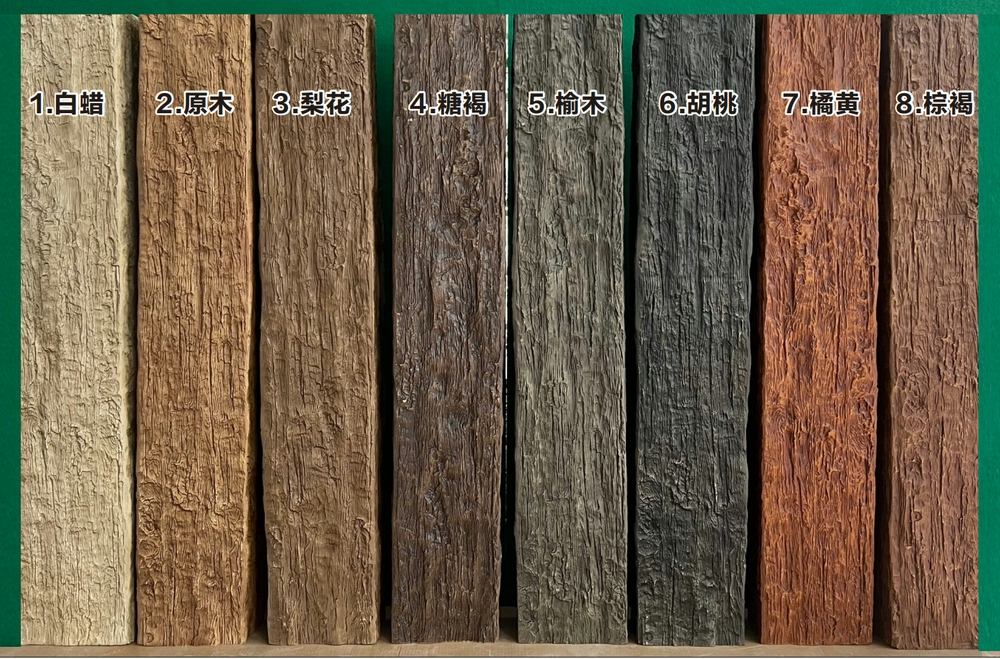
Surface finishing on foam PU beams involves multiple stages that build visual complexity. Initial primer coats prepare the surface for stain absorption. Colorant applications penetrate the surface layer to create depth that surface coating cannot achieve. Sealer topcoats protect the finished appearance while allowing the underlying color to remain visible. The result satisfies close inspection with qualities that distinguish premium products from budget alternatives.

Farmhouse Aesthetic Requirements
Farmhouse interiors demand specific qualities from ceiling beam installations that not all products satisfy. The visual weight must feel substantial rather than lightweight, creating the sense of real structural presence that distinguishes authentic farmhouse ceilings from decorative imitation. The texture must suggest genuine timber processing rather than manufactured smoothness. The color must read as naturally developed rather than artificially applied.
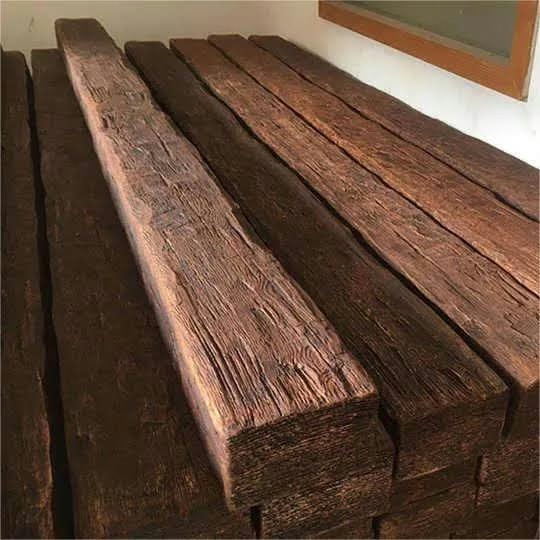
Substance perception in beam applications depends on multiple factors that collectively create the impression of real timber. Surface texture contributes significantly—the fine variation that simulates wood grain and manufacturing marks creates light interaction patterns that read as authentic. Edge definition affects perception; beams with crisp, clean edges feel manufactured while those with slightly varied edges suggest hand-processing. The relationship between visible faces creates three-dimensional presence that flat surfaces cannot achieve.
Texture requirements in farmhouse applications typically favor rougher surfaces than contemporary interiors might specify. The hand-hewn and rough-sawn qualities of traditional farmhouse timber align with rustic aesthetics that celebrate rather than hide manufacturing imperfection. These textures create visual interest through light and shadow variation that smooth surfaces cannot provide.
Installation Practicalities for Residential Applications
Residential installation of ceiling beams presents practical challenges that affect material selection regardless of aesthetic quality. Standard ceiling construction assumes minimal overhead weight from finish materials. Standard joist spacing may not align with beam lengths that would be aesthetically ideal. Existing finishes and fixtures create obstacles that manufactured beams must accommodate.
Foam PU beam installation accommodates these constraints through lightweight construction and workability. Individual beams typically weigh three to eight pounds depending on cross-sectional dimensions—far less than genuine timber that might weigh sixty to one hundred pounds per linear foot. This reduced weight eliminates structural concerns and simplifies handling throughout the installation process.
Cutting and fitting foam PU beams requires only standard woodworking tools without specialized equipment. The material cuts cleanly using saw blades appropriate for composite materials, without the splintering or tear-out that can damage manufactured surfaces. Adhesive bonding provides secure attachment while accommodating the slight surface irregularities that exist in real ceiling construction.
Integration with Farmhouse Material Schemes
Successful farmhouse interior design creates visual relationship between ceiling beams and other material elements. Wood species consistency between beams and visible cabinetry, flooring, or furniture establishes material continuity that makes spaces feel complete. Color coordination ensures that warm and cool tones balance appropriately rather than creating visual discord.
The neutral palette typical of farmhouse interiors—whites, creams, soft greys, and natural wood tones—provides context within which beam installations establish the dominant warm accent. Beams in honey oak, amber maple, or weathered walnut provide the visual warmth that prevents neutral schemes from feeling cold or institutional. The substantial presence of overhead beams creates anchoring that draws the eye and establishes spatial hierarchy.
Complementary materials reinforce farmhouse character while providing practical function. Stone fireplaces echo the organic material quality of ceiling timber. Wrought iron hardware and light fixtures reference traditional craft methods. Woven textiles in natural fibers add tactile warmth that complements visual warmth from wood elements. The combination creates immersive environments that feel authentic rather than assembled.

Durability and Maintenance Characteristics
The long-term performance of ceiling beam installations depends on material properties that affect both appearance and structural integrity. Moisture resistance, UV stability, and physical durability all influence how well installations maintain quality over extended service periods. These factors may receive insufficient attention during initial product selection but become increasingly significant over time.
Polyurethane foam beams resist moisture absorption entirely, maintaining dimensional stability despite humidity exposure that might cause natural wood to swell, warp, or develop surface checking. This moisture resistance expands the range of suitable applications to include kitchens, bathrooms, and other spaces where genuine timber would require careful protection.
UV stability ensures consistent appearance despite years of light exposure. Natural wood continues weathering under UV radiation, gradually changing color and developing surface degradation that requires refinishing to address. Polyurethane incorporates UV inhibitors that prevent this continuing change, preserving initial appearance indefinitely with routine cleaning.
Physical durability protects installations from the occasional impacts that ceiling elements experience. Raised objects, playful activities, and furniture moving can all contact ceiling surfaces. Polyurethane absorbs these impacts without visible damage, maintaining consistent appearance despite the minor collisions that any installation occasionally receives.
Value Analysis for Homeowners
Budget considerations for ceiling beam installations should include total project cost rather than focusing exclusively on material price. Genuine timber requires not only higher material cost but also structural assessment, specialized handling, potentially significant installation labor, and ongoing maintenance requirements. These supplementary costs may substantially exceed initial material prices.
Polyurethane foam beams reduce or eliminate many of these supplementary costs. The lightweight construction simplifies handling and requires no structural reinforcement. Consistent dimensions eliminate contingency ordering that irregular genuine timber requires. Installation requires only standard tools and basic skills, reducing labor costs for both professional and DIY installation.
Life-cycle cost analysis typically favors polyurethane foam beams for residential applications. The absence of ongoing maintenance requirements, combined with consistent long-term appearance, provides value that genuine timber cannot match when total ownership cost is considered.
Technical References
ASTM standards cited in every specification
Test Data
Lab results from internal testing program
Updated 2026
Reviewed against current product specs


