The ceiling remains one of interior design's most underutilized surfaces. While walls receive constant attention—paint colors, wallpaper patterns, architectural moldings—and floors get upgraded with premium materials, ceilings typically settle for flat paint that contributes nothing to spatial character. This neglect represents missed opportunity, particularly given the ceiling's dominant position in the visual field. A well-designed ceiling installation transforms the overhead plane from anonymous background into architectural feature that anchors the room's identity.
Decorative ceiling beams provide the most accessible path to ceiling transformation for most residential applications. Unlike coffered ceilings, exposed structural systems, or decorative plasterwork that require specialized craftsmanship and significant construction intervention, beam installations can proceed as surface-applied decoration that modifies appearance without altering structure. The visual impact rivals more elaborate treatments while the practical complexity remains manageable for competent installers.
Rustic style beams add warmth and character that flat ceilings cannot provide. The timber aesthetic introduces organic texture, natural color variation, and substantial visual presence that immediately distinguishes decorated ceilings from their plain counterparts. For homeowners seeking to add personality to generic new construction or update dated interiors, decorative beam installation offers high impact with manageable investment.
The Impact of Ceiling Architecture
Ceiling design significantly affects how spaces feel beyond conscious awareness. Spatial proportions—height relative to width—influence perceived room size, intimacy level, and emotional tone. Low ceilings create enclosure that feels cozy and protective; high ceilings establish grandeur appropriate to formal contexts. The same room with identical furniture can feel intimate or expansive depending on ceiling treatment, demonstrating the powerful influence this surface exerts on spatial experience.
Visual weight distribution affects how rooms organize attention and guide movement. Heavy ceiling elements draw the eye upward, establishing vertical emphasis that can make spaces feel more significant. Light ceiling treatments recede, allowing walls and furnishings to dominate visual attention. The choice between these approaches should align with the room's intended function and the emotional qualities it should evoke.
Acoustic properties differ between beam-decorated ceilings and flat surfaces. The irregular geometry created by beam installations diffuses sound reflections that produce echo and reverberation in rooms with smooth ceiling planes. This acoustic benefit improves speech clarity and listening comfort, particularly in rooms with hard floor surfaces that would otherwise create significant reverberation.

Beam Style Selection for Different Spaces
Interior function should guide beam style selection, ensuring that ceiling decoration supports rather than contradicts intended room use. Different activities benefit from different atmospheric qualities, and beam characteristics can be chosen to reinforce the desired mood.
Living rooms and family spaces typically benefit from warm, substantial beam treatments that encourage lingering and casual conversation. Beams in honey or amber tones with moderate texture create the enclosed warmth that makes these spaces inviting. The visual weight should feel substantial but not oppressive, supporting the comfortable atmosphere that family gathering requires.
Formal spaces—dining rooms, studies, or reception areas—may suit more refined beam presentations. Lighter finish tones, cleaner profiles, and more restrained proportions align with the formal elegance these rooms typically pursue. The beam installation should contribute to the sophisticated atmosphere without introducing rustic informality that contradicts the space's intended character.
Bedrooms and retreat spaces benefit from softer presentations that support rest and relaxation. Warm color tones, gentle textures, and appropriate scale create the calming atmosphere that these spaces require. Beams should enhance rather than dominate the visual field, contributing to sleep-inducing enclosure without creating the dramatic presence appropriate to living spaces.
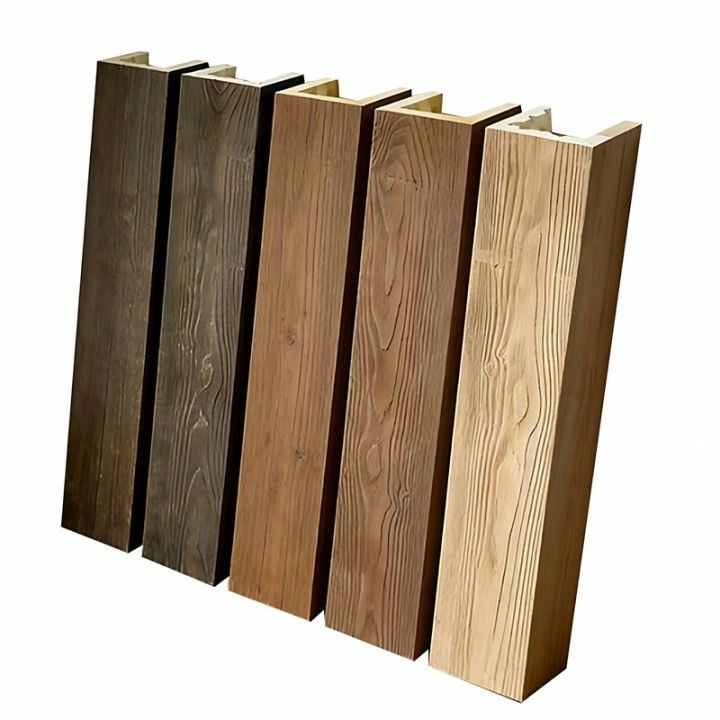
Installation Patterns and Visual Effects
Beam arrangement significantly affects the visual character of completed installations. Different patterns create different spatial effects, and the selection should align with both aesthetic intentions and the specific ceiling conditions of the installation space.
Parallel beam runs create directional emphasis that draws attention toward focal points at beam endpoints. This pattern suits rooms with obvious focal points—fireplaces, large windows, feature walls—that benefit from visual reinforcement. The beam direction should align with the room's longer dimension to maintain proportional balance.
Grid patterns establish formal order that suits symmetrical room layouts. Crossing beams at regular intervals create architectural geometry that organizes the ceiling plane into defined panels. This formal approach works well in rooms with regular proportions and in interiors pursuing classical or traditional design vocabularies.
Diagonal installations add dynamic energy that suits entertainment spaces and creative environments. The angled geometry creates visual movement that prevents static appearance and adds contemporary edge to traditional rustic styling. This approach requires more careful planning to ensure that beam endpoints align appropriately with wall conditions.
Complementing Existing Architecture
Successful beam installations enhance rather than compete with existing architectural features. The relationship between beams and other ceiling details—crown molding, light fixtures, ceiling fans, structural elements—determines whether the overall result feels integrated or assembled from unrelated components.
Existing crown molding should inform beam trim selection. Matching trim profiles or proportional correspondence ensures visual continuity between beam ends and wall surfaces. Contrasting trim styles create visual interruption that undermines installation quality. In rooms with substantial original moldings, beam installations might incorporate matching trim to extend the period vocabulary across the ceiling plane.
Light fixture integration requires planning during beam layout. Fixture positions should relate to beam arrangement deliberately, with fixtures either suspended between beams or mounted directly to beam faces depending on the specific effect desired. The relationship should feel intentional rather than arbitrary, with fixture spacing and positioning governed by the same proportional logic that governs beam placement.
Structural elements already present in the ceiling can be incorporated into beam design. Exposed ductwork, beams, or other mechanical elements can be wrapped or framed using faux beams that integrate these necessary elements into the decorative scheme. This approach accommodates modern building requirements while maintaining traditional aesthetic presentation.
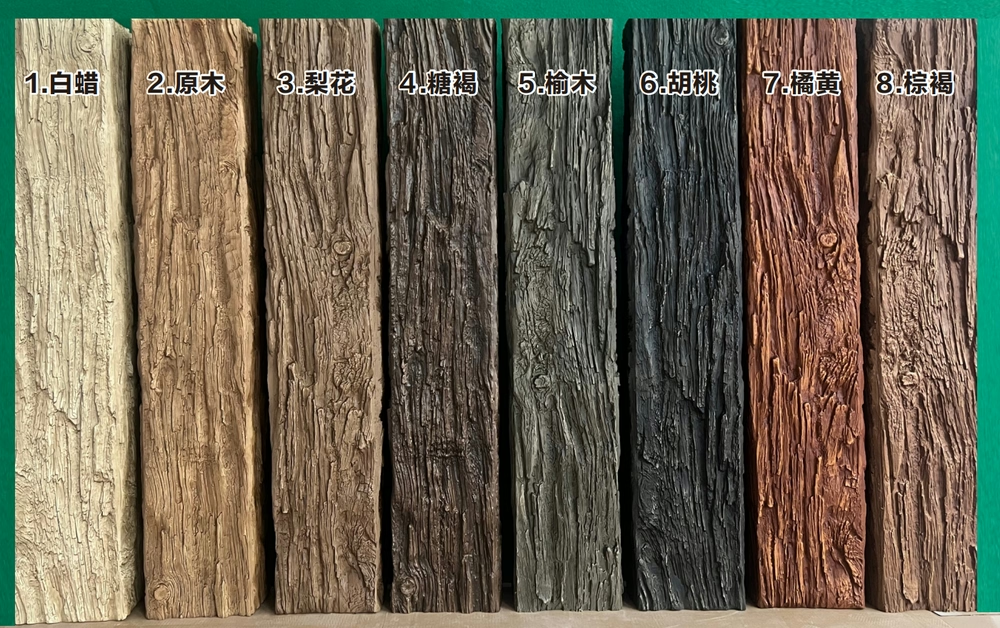
Budget Considerations and Value
Ceiling beam installation represents investment that should be evaluated against both aesthetic benefits and practical alternatives. The cost includes materials, hardware, and potentially labor if professional installation is chosen. Understanding these components helps homeowners budget appropriately and evaluate whether beam installation represents good value compared to alternative ceiling treatments.
Material costs vary significantly based on beam dimensions, profile complexity, finish quality, and manufacturing origin. Custom-molded products cost more than commodity alternatives but typically provide superior appearance and durability. The investment difference often proves worthwhile when total ownership cost is considered, including maintenance requirements and longevity expectations.
Professional installation costs depend on ceiling accessibility, beam dimensions, and the complexity of the specific installation. Straightforward installations in single-story homes with accessible ceilings may cost less than anticipated; complex installations involving multiple beam runs, custom fitting, or coordination with existing features will cost more. Obtaining detailed estimates from qualified installers ensures accurate budget planning.
The value proposition for beam installation improves when compared against alternative ceiling treatments offering similar impact. Coffered ceilings, decorative plasterwork, and other architectural details typically cost more while requiring specialized maintenance. Faux beams provide the architectural impact of these elaborate treatments at a fraction of the cost and complexity.
Technical References
ASTM standards cited in every specification
Test Data
Lab results from internal testing program
Updated 2026
Reviewed against current product specs


