The Tuscan design influence brings Mediterranean warmth to interior spaces, connecting farmhouse aesthetics to sun-drenched hillside villages and centuries-old agricultural traditions. This style emphasizes warm earth tones, natural materials, and the generous hospitality that characterizes Italian rural culture. When applied to farmhouse kitchens, Tuscan influence creates spaces that feel welcoming and substantial—rooms built for family gathering and the generous cooking that Italian tradition celebrates.
Wood beams in Tuscan architecture serve both structural and aesthetic functions, with the exposed timber ceilings of farmhouses and village homes providing warmth and character that stone-vaulted alternatives could not match. The specific character of Tuscan beams differs from northern European traditions: warmer color tones, wider dimensions, and finishes that suggest centuries of olive oil lamp exposure and dust accumulation. These distinctive qualities distinguish Tuscan beam aesthetics from other rustic traditions.
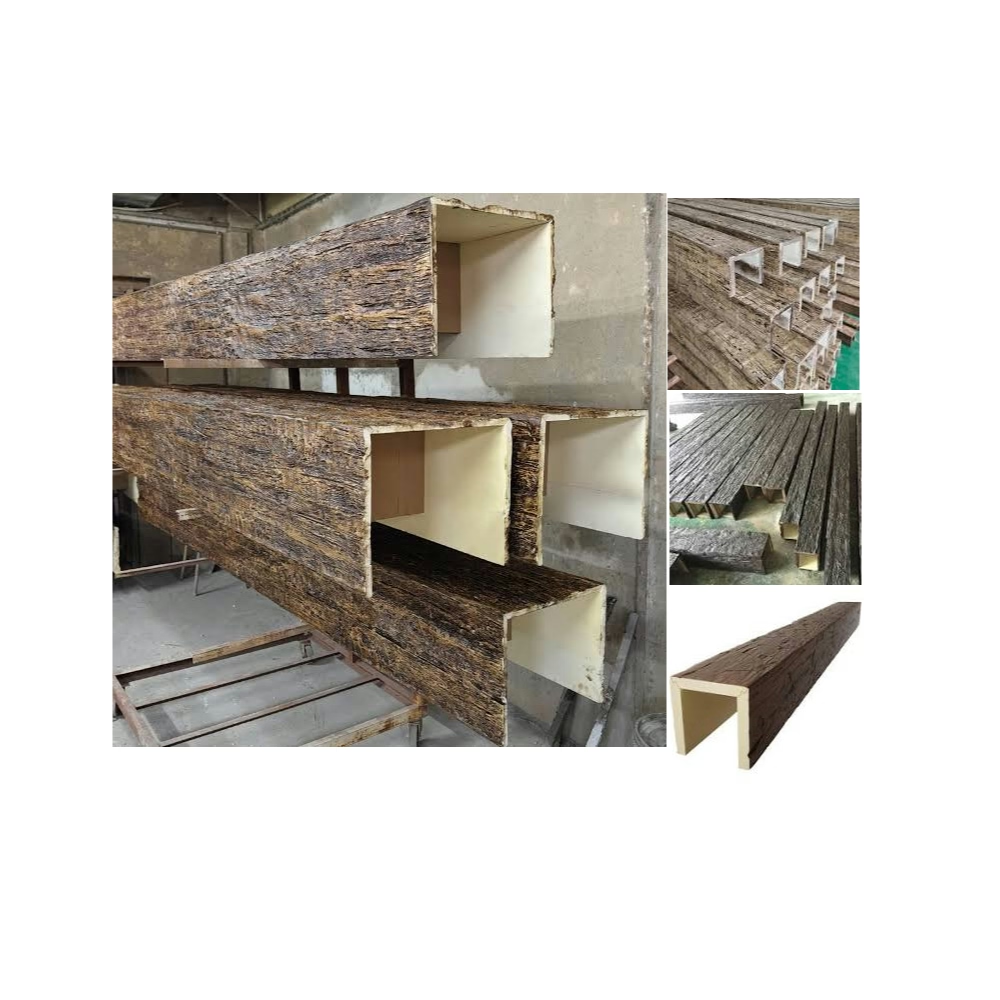
Faux beams designed with Tuscan characteristics enable homeowners to incorporate Mediterranean warmth into farmhouse kitchens without requiring the structural conditions that genuine timber would demand. The specific color palettes, proportions, and finishing treatments that define Tuscan aesthetics can be precisely replicated using polyurethane manufacturing techniques, providing authentic character alongside modern performance benefits.
Tuscan Kitchen Design Characteristics
Tuscan interior design draws from the material traditions of central Italian construction—stone, terracotta, wrought iron, and timber in combinations that create warm, earthy environments. The color palette emphasizes terracotta oranges, olive greens, golden yellows, and the rich browns of aged chestnut. These hues reflect the landscape: sun-baked clay soil, cypress-lined lanes, and vineyards heavy with harvest.
The farmhouse kitchen in Tuscan tradition serves as the true heart of the home, larger than its Anglo counterparts and more openly connected to outdoor living. Meals might be prepared alongside open windows admitting garden breezes, with cooking smells drifting toward terrace dining areas. The kitchen ceiling treatment should support this expansive, generous character, creating warmth that invites lingering rather than efficiency that promotes quick departure.
Texture plays a significant role in Tuscan aesthetics. Rough plaster walls, uneven terracotta tile, and weathered timber all contribute to the sense of authentic material presence that defines the style. Beams should feature surface complexity that suggests extended service—grain patterns, slight variations, and finishes that read as earned through decades of use rather than applied recently.
Beam Characteristics for Tuscan Farmhouse Kitchens
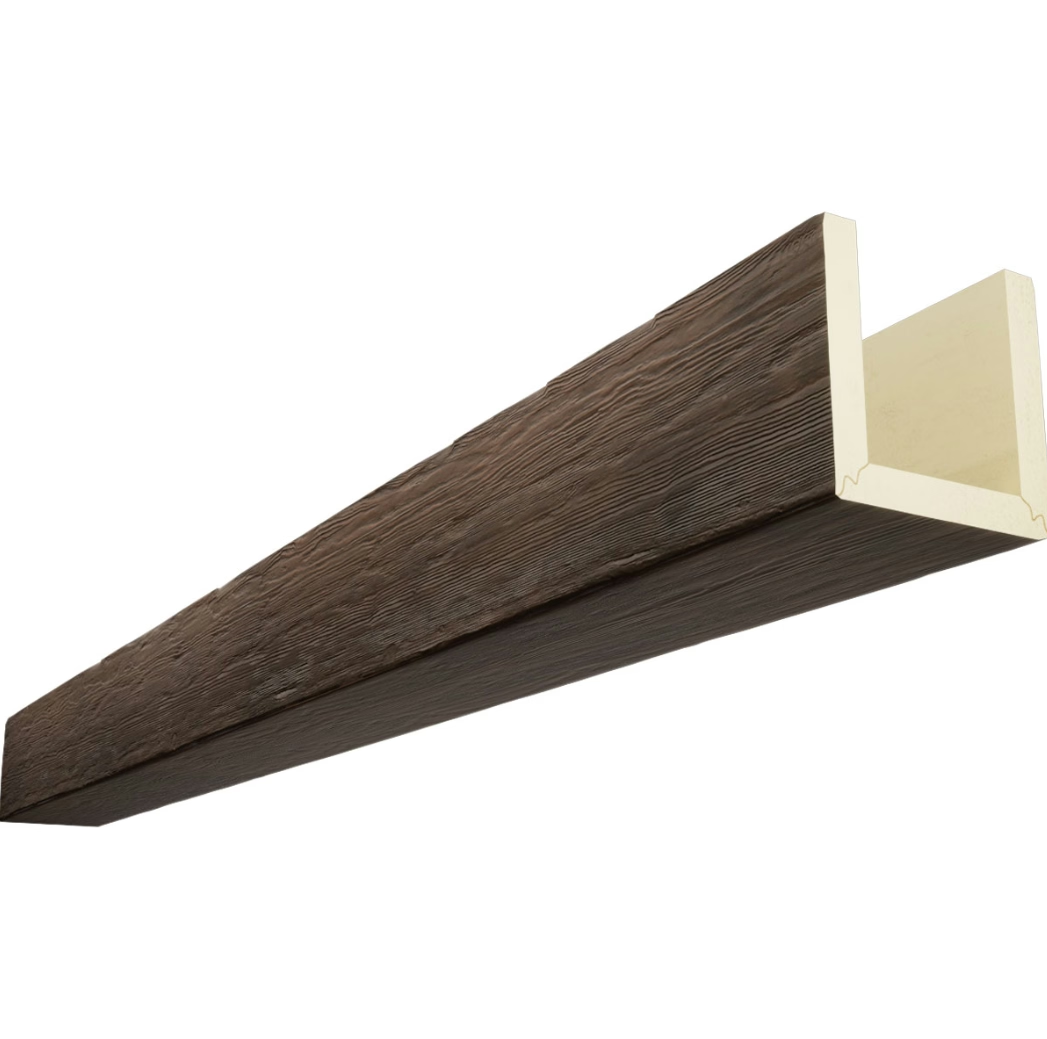
Tuscan ceiling beams typically feature wider dimensions than northern European counterparts, with spans that emphasize the generous proportions of traditional Italian farmhouses. Depths of twelve inches or more create substantial presence that anchors kitchen spaces visually. The width-to-depth proportions should feel balanced rather than exaggerated, maintaining the substantial but not overwhelming character that Tuscan design pursues.
Color tones in Tuscan beams emphasize warmth that recalls chestnut, walnut, and aged oak native to central Italy. The amber and honey tones common in northern European timber appear less frequently; darker, richer browns dominate instead. Surface treatments often include evidence of age—slightly muted tones, subtle color variations between adjacent timbers, and finishes that suggest long exposure to cooking fumes and ambient dust.
Texture complexity distinguishes authentic Tuscan beam character. Hand-hewn surfaces with visible tool marks reference the manual labor that traditional construction employed. The combination of wide dimensions, warm coloring, and substantial texture creates the characteristic Tuscan beam presence that distinguishes it from other rustic traditions.

Kitchen Environment Considerations
Kitchen installations face environmental challenges that affect material performance over time. Grease exposure from cooking, humidity fluctuations from water use, and temperature variations during meal preparation all stress ceiling materials in ways that ordinary residential applications never encounter. Material selection must account for these conditions to ensure long-term satisfaction.
Moisture resistance provides critical advantage in kitchen applications. Steam from boiling pots, condensation from temperature changes, and humidity generated by dishwashing create moisture conditions that stress natural wood. Polyurethane's complete resistance to moisture absorption maintains dimensional stability regardless of atmospheric conditions, preventing the expansion, contraction, and surface degradation that affects genuine timber in similar environments.
Grease resistance ensures that beam installations maintain appearance despite the airborne grease particles that cooking generates. Natural wood absorbs these compounds, gradually developing the darkened, sticky surface characteristic of neglected traditional kitchens. Polyurethane's non-porous surface rejects grease accumulation, maintaining clean appearance with routine cleaning.
Cleaning protocols for kitchen beam installations should be straightforward enough for regular execution without specialized products or equipment. Mild detergent solutions applied with soft cloths or sponges remove accumulated dust and occasional splatter without affecting surface finish. The absence of grooves or pronounced texture valleys prevents grease accumulation in areas difficult to access during cleaning.
Integration with Tuscan Kitchen Elements
Successful Tuscan kitchen design creates visual coherence between ceiling beams and the other elements that define the space. Terracotta tile flooring, stone or plaster walls, and wrought iron hardware all contribute to the overall effect that beam installations should enhance rather than compete with.
Wood species consistency between beams and visible cabinetry establishes material continuity. Tuscan kitchens traditionally featured open shelving displaying practical dishware, with these shelving units incorporating wood elements that should complement ceiling beams. When cabinet faces differ from beam finishes, the relationship should feel intentional—perhaps contrasting warm and cool wood tones in deliberate composition.
Stone elements coordinate naturally with timber in Tuscan design. The combination of cool grey stone and warm timber creates the material contrast that defines Italian farmhouse character. Beams positioned to frame stone wall sections or fireplace surrounds create visual dialogue between these complementary materials.
Lighting for Tuscan Atmosphere
Lighting design in Tuscan kitchens should emphasize warmth and intimacy rather than the bright, even illumination that efficiency-focused modern kitchens prioritize. The atmospheric quality that Tuscan design pursues develops through layered lighting that creates shadow and highlight variation across beam surfaces and throughout the kitchen space.
Warm color temperature bulbs—2700K to 3000K—enhance the amber tones of Tuscan beam finishes, making wood appear richer and more inviting. The contrast between this warm interior illumination and cooler daylight entering through windows creates temporal drama that rewards observation throughout the day.
Pendant fixtures in Tuscan style often feature wrought iron or copper construction with glass globes that diffuse light softly. These fixtures hung from beams provide concentrated illumination for specific work zones while adding decorative detail that reinforces Tuscan character. The combination of practical task lighting and atmospheric ambient illumination creates the layered lighting system that Tuscan kitchens require.
The farmhouse kitchen with rustic Tuscan-style beams provides the warm, generous atmosphere that defines Italian rural character. These installations create spaces built for family gathering and the leisurely cooking that Tuscan tradition celebrates.
Technical References
ASTM standards cited in every specification
Test Data
Lab results from internal testing program
Updated 2026
Reviewed against current product specs


