The box beam represents one of the most versatile profiles in decorative ceiling architecture. These hollow structural members—assembled from multiple faces to create hollow rectangular cross-sections—appeared throughout historical construction where substantial appearance was desired without the weight or material cost of solid timber. The technique allowed builders to create massive-looking ceilings using minimal actual material, an economy that made elaborate ceiling architecture accessible to broader audiences.
Contemporary faux box beams replicate this historical construction method using modern materials that eliminate the practical limitations genuine box construction would face. Hollow polyurethane profiles capture the substantial visual presence of historical box beams while weighing a fraction of equivalent solid timber. This practical advantage expands the range of applications where box beam aesthetics can be employed, enabling installations that genuine timber would prohibit.
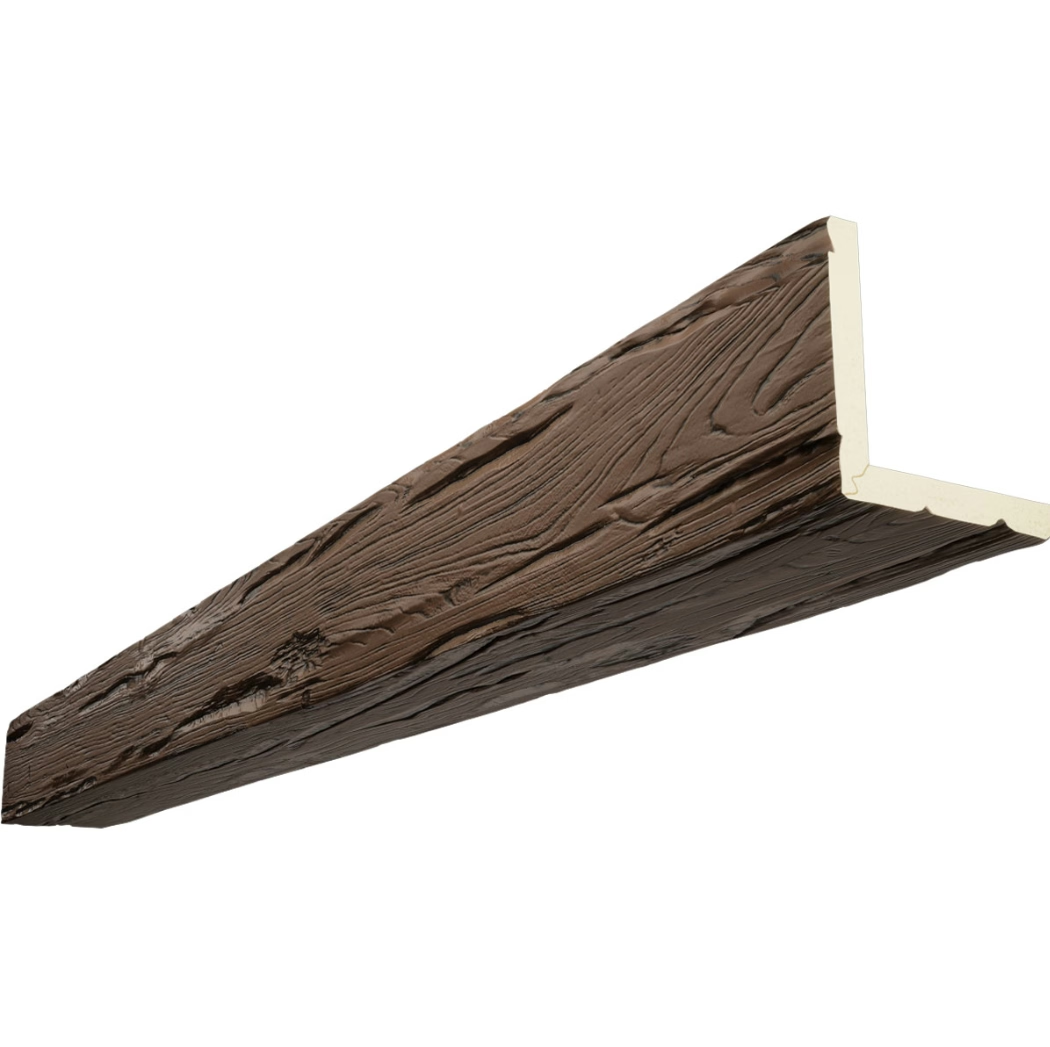
Walnut finish provides the rich, warm tones that vintage farmhouse interiors prize. The dark brown coloration with subtle reddish undertones creates warmth that lighter wood species cannot match, providing visual anchoring for neutral color palettes and complementing the earth tones typical of farmhouse design. When paired with the substantial presence of box beam proportions, walnut finish produces ceiling installations with undeniable visual impact.
Understanding Box Beam Construction
Historical box beams emerged from practical necessity rather than aesthetic preference. Solid timber of substantial dimensions required large trees, significant milling expense, and presented handling challenges that limited their application. Box construction—assembling dimensional lumber into hollow rectangular forms—achieved similar visual impact using more readily available materials and simpler construction techniques.
The structural logic of box beams differs from solid timber. Solid beams resist bending through the full cross-section, with stress distributed across the entire material. Box beams concentrate material at the extreme fibers—top and bottom faces—where bending stress concentrates, while eliminating material from the neutral axis where stress approaches zero. This material efficiency produces beams that resist bending nearly as effectively as solid members while using substantially less material.
Faux box beams replicate this construction using molded polyurethane faces that combine to form hollow rectangular profiles. The visible faces—top and bottom surfaces, plus front and back depending on mounting orientation—display authentic wood texture and color. The hollow interior serves no structural function but provides installation advantages that solid profiles cannot match.
Visual Impact of Box Beam Profiles
The substantial visual presence of box beams distinguishes them from single-face trim pieces that merely suggest timber without achieving genuine architectural impact. The three-dimensional profile creates shadow that animates throughout the day as sun position changes, providing dynamic visual interest that flat surfaces cannot achieve. The intersection of multiple faces at corners creates crisp definition that reads as genuine construction rather than surface decoration.
Proportion relationships between box beam dimensions and room size determine whether installations achieve appropriate visual weight. Oversized beams in modest rooms create visual oppression that undermines spatial quality; undersized beams in large rooms disappear into the architecture, providing no meaningful contribution. The optimal proportion balances presence against restraint, creating installations that register as significant without overwhelming their spatial context.
The hollow construction of box beams allows installation flexibility that solid profiles cannot match. Electrical wiring, low-voltage cables, and HVAC ductwork can thread through beam interiors, keeping visible surfaces clean while accommodating necessary infrastructure. This practical advantage proves significant in renovation applications where existing systems must be preserved or where new systems require discreet routing.
Walnut Finish Characteristics
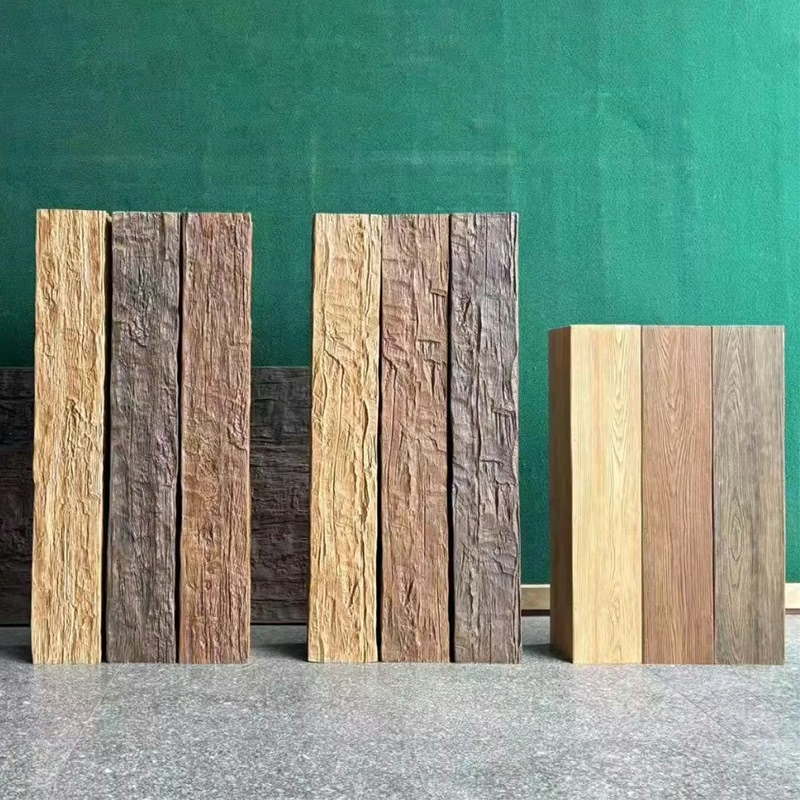
Walnut wood offers color and grain qualities that distinguish it from other domestic species commonly used in ceiling applications. The heartwood ranges from pale brown to dark chocolate, with consistent grain patterns that feature attractive figure in select specimens. The rich, warm tones create visual warmth that cooler species cannot match, making walnut particularly suitable for spaces seeking cozy, intimate atmosphere.
The aged appearance of vintage farmhouse timber typically exceeds what fresh-milled walnut displays. Surface treatments that introduce weathering, patina, and subtle color variation create the sense of extended service that farmhouse aesthetics require. Premium faux beam manufacturers replicate these characteristics through multi-stage finishing processes that build visual complexity, producing walnut beams that appear to have served through decades of occupation.
Finish application technique significantly affects how walnut beams read visually. Hand-applied stains create subtle variations that automated coating cannot achieve, with color concentration in grain valleys and lighter coverage on raised surfaces. These variations produce the depth and complexity that distinguish authentic timber appearance from flat, uniform manufactured surfaces.
Installation Advantages for Residential Applications
Residential ceiling installation presents practical challenges that affect material selection regardless of aesthetic quality. Standard ceiling construction assumes minimal overhead weight from finish materials, limiting the mass that genuine timber beams could add without structural modification. The lightweight construction of polyurethane box beams eliminates these concerns entirely.
Handling characteristics favor hollow box beam profiles for residential delivery and installation. Individual beams arrive in manageable sections that can be transported in standard vehicles and maneuvered through doorways and stairwells. The hollow construction reduces material cost while improving handleability, making professional-quality installations achievable for competent DIY installers.
Mounting systems for box beams accommodate various ceiling conditions without specialized hardware. Adhesive bonding provides distributed load transfer across mounting surfaces. Mechanical fasteners supplement adhesive attachment at regular intervals, preventing any movement during adhesive cure. The combination creates secure installation without the structural engineering that heavy solid timber would require.
Maintenance and Long-Term Performance
The practical advantages of polyurethane extend to ongoing maintenance requirements and long-term appearance retention. Natural wood requires periodic attention to maintain appearance—oiling, sealing, occasional refinishing—that faux products eliminate entirely. This maintenance simplicity represents significant advantage for homeowners seeking beautiful results without ongoing care obligations.
Surface cleaning of polyurethane box beams requires only mild detergent and soft cloth or sponge. The non-porous surface resists staining from atmospheric contaminants and tolerates cleaning solutions that might damage natural wood finishes. This practical durability maintains appearance through years of typical residential service without demanding specialized attention.
Physical durability ensures that box beam installations survive the occasional impacts that ceiling elements experience. The molded construction provides consistent impact resistance across all surfaces, without the vulnerability zones that solid wood might present at knots or other natural variations. This durability protects the substantial visual investment that box beam installations represent.
Technical References
ASTM standards cited in every specification
Test Data
Lab results from internal testing program
Updated 2026
Reviewed against current product specs


