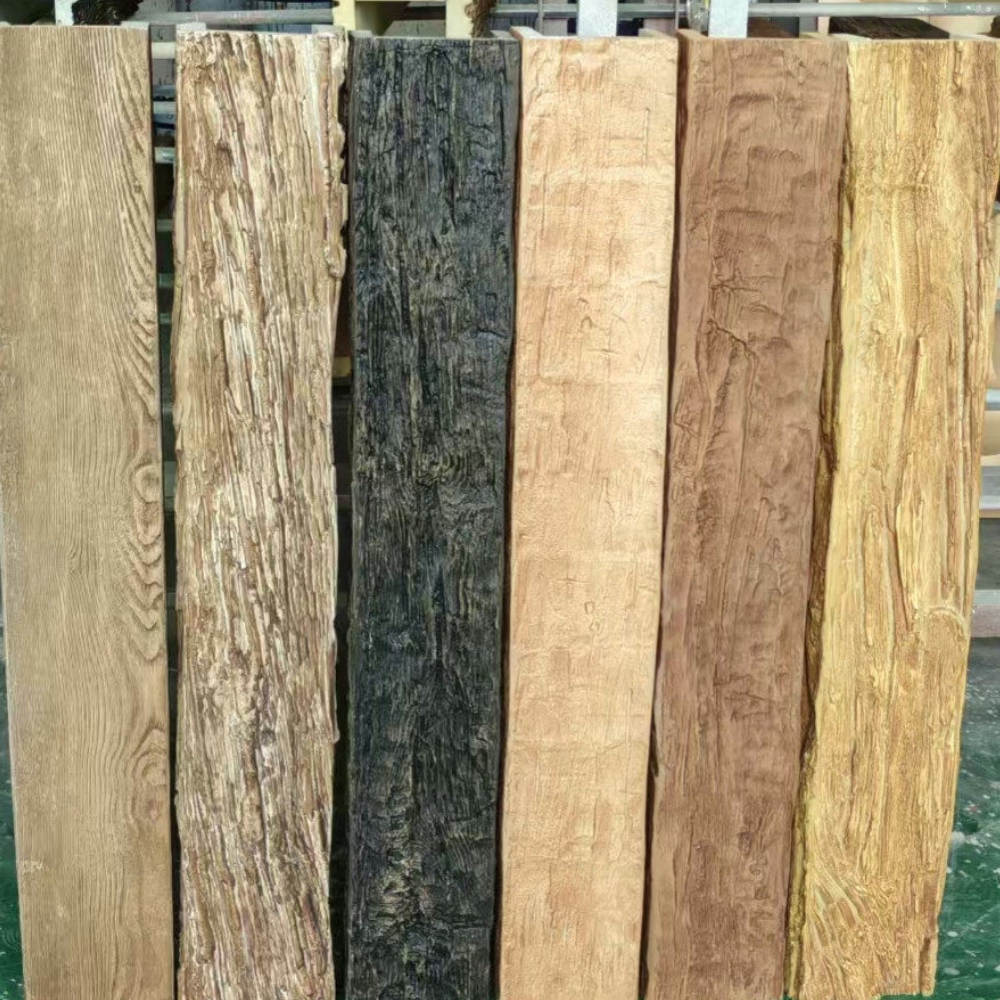
Weathered pine represents one of the most evocative materials in cabin and mountain home architecture. The silver-grey patina that develops on pine exposed to sun, rain, and seasonal temperature fluctuation creates visual complexity that no surface treatment can fully replicate. This weathering process—occurring over decades of natural exposure—produces colors and textures that speak to the passage of time, the patient work of environmental forces, and the patient endurance of honest timber.
Cabin style homes draw heavily on this weathered timber aesthetic, incorporating silver-toned wood throughout interior and exterior applications. The color palette that emerges from natural weathering—soft greys, warm silvers, occasional amber remaining in protected areas—creates the distinctive atmosphere that distinguishes authentic mountain retreat character from superficial rustic imitation. Capturing this aesthetic in contemporary construction requires materials that replicate weathered pine characteristics convincingly.
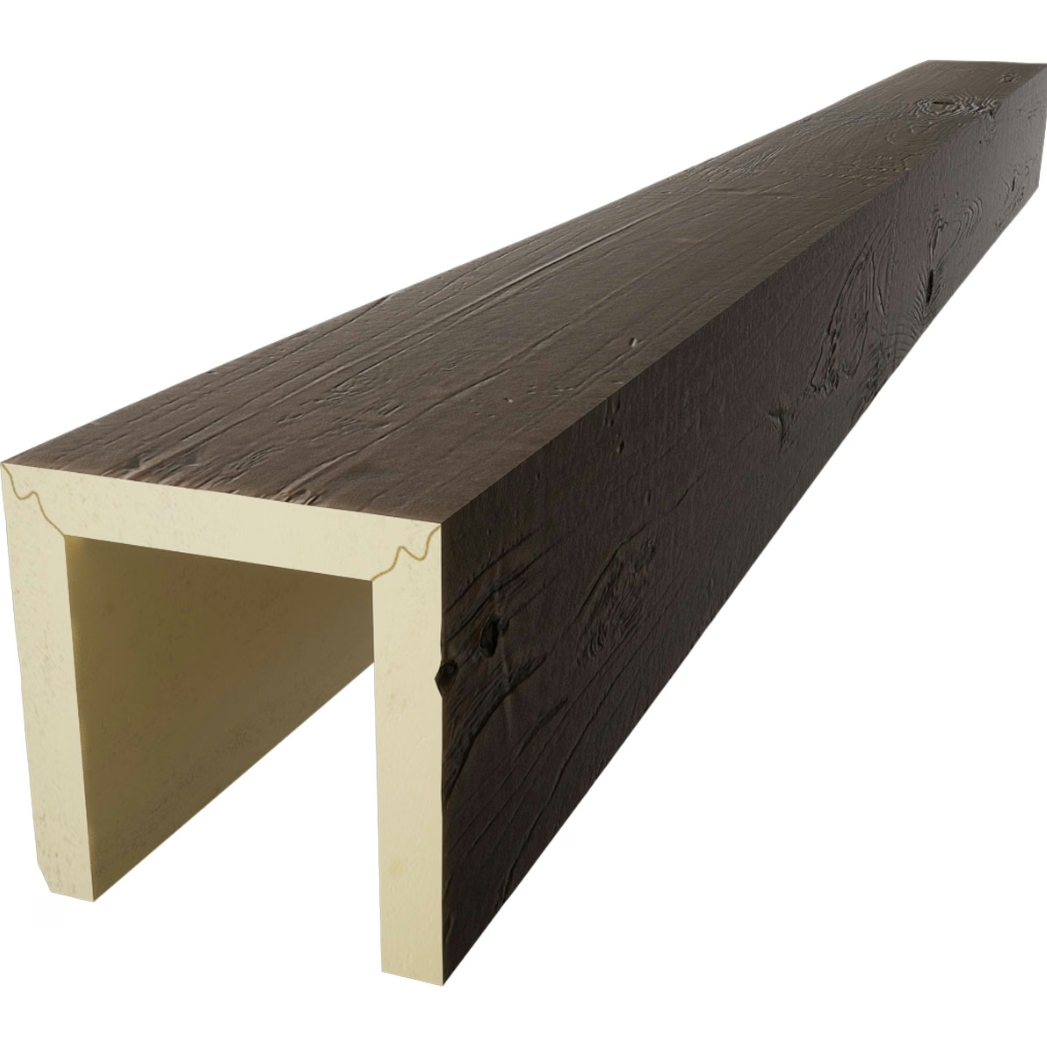
PU faux beams with weathered pine finish provide the most accessible path to authentic cabin aesthetics in contemporary applications. These products capture the specific color development, surface complexity, and organic variation that genuine weathered pine displays, while offering practical advantages that genuine timber cannot match. The combination of authentic appearance and modern performance makes weathered pine faux beams increasingly popular for cabin style home construction.
The Character of Weathered Pine
Understanding weathered pine character requires appreciation for how environmental exposure transforms fresh-milled timber into silver-grey architectural material. The process begins with photochemical degradation of lignin—the compound that binds wood fibers together—caused by ultraviolet radiation in sunlight. As lignin breaks down, the lighter-colored cellulose fibers become exposed, creating the pale grey appearance that characterizes weathered wood.
Physical weathering compounds photochemical changes through freeze-thaw cycling, moisture penetration, and wind-borne particle abrasion. These mechanical forces remove softened surface layers, exposing fresh cellulose that continues the bleaching process. The result is a surface that appears almost silver in color, with fine texture that catches light differently depending on viewing angle.
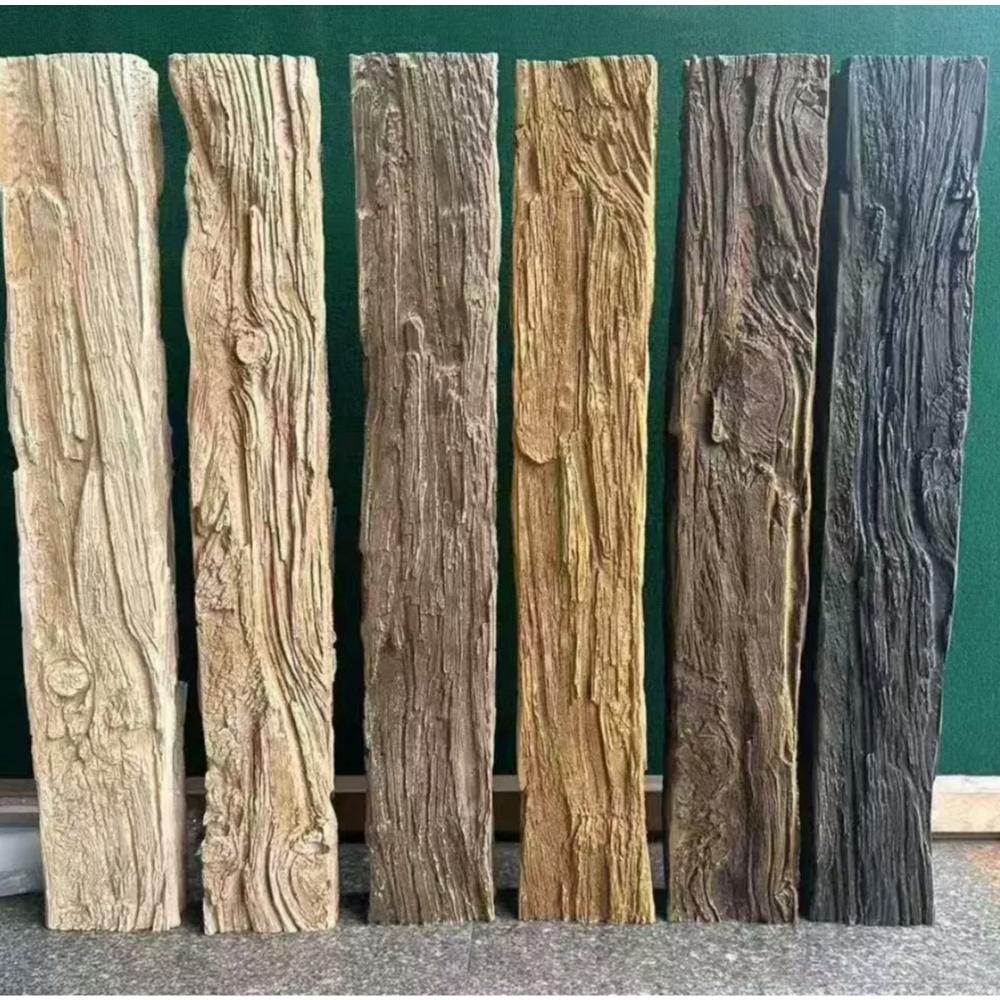
The weathering process occurs unevenly across timber surfaces, creating the tonal variation that distinguishes authentic aged wood from uniformly grey alternatives. Protected surfaces retain warmer tones—amber, honey, and golden brown—while exposed areas bleach to silver. The contrast between these zones creates depth and visual interest that single-tone grey surfaces cannot achieve. Premium faux products replicate this variation through sophisticated finishing processes that build complexity layer by layer.
Weathering Patterns and Visual Complexity
Authentic weathered pine displays predictable weathering patterns that reflect how environmental exposure actually occurs. End grain weathers more rapidly than face grain due to the open cellular structure that allows faster moisture penetration. Top surfaces exposed to rain and sun develop more silver coloration than bottom surfaces protected from direct precipitation. Edge surfaces weather differently than center areas due to differential exposure.
These patterns provide visual clues that trained observers use to distinguish genuine weathered timber from manufactured alternatives. Faux beams that fail to incorporate these logical variations appear artificially uniform, betraying their manufactured origins to critical inspection. Premium products address this through finishing techniques that create logical weathering gradients—darker tones in protected areas, lighter coloration on exposed surfaces, and end grain treatment consistent with natural exposure patterns.
The finest faux products incorporate not just color variation but also texture complexity that develops during natural weathering. Surface checking—small cracks following grain direction—appears on genuinely weathered timber as the surface layer loses moisture and contracts. Subtle fiber elevation creates tactile roughness that contributes to the overall sensory experience of weathered wood. These details distinguish premium products from budget alternatives that apply color without texture.
Cabin Interior Applications
Weathered pine beams in cabin interiors establish the dominant material presence around which other design elements organize. The silver-grey tones create neutral foundation that accommodates diverse accent colors without the warm bias that honey or amber wood tones would introduce. This neutrality makes weathered pine particularly versatile for cabin interiors where multiple material types—stone, metal, glass, textile—must coexist visually.
Living areas benefit from the calming atmosphere that weathered pine creates. The soft, muted tones encourage relaxation without the visual stimulation that brighter materials might provide. Beams positioned to provide overhead presence while maintaining openness—through appropriate spacing and proportion—create the protected enclosure that makes cabin living rooms feel secure and inviting.
Bedroom ceilings in cabin style homes should maintain the subdued atmosphere that supports rest and sleep. Weathered pine beams provide visual warmth without the bright coloration that might feel alert-inducing. The combination of soft silver tones and gentle texture creates the calm environment that quality sleep requires.
Performance in Mountain Environments
Mountain environments present materials with challenges that affect long-term performance significantly. Temperature extremes, intense UV exposure at elevation, and freeze-thaw cycling all stress building materials in ways that standard applications never encounter. Material selection for mountain homes must account for these conditions to ensure lasting satisfaction.
Polyurethane's complete moisture resistance provides significant advantage in mountain applications. Temperature differentials between heated interiors and frigid exteriors create condensation cycles that stress natural wood through repeated swelling and shrinking. Polyurethane maintains dimensional stability regardless of humidity conditions, preventing the surface checking, joint separation, and warping that affects genuine timber in similar circumstances.
UV stability ensures that weathered pine finish maintains its silver tones despite intense mountain sunlight. Natural wood continues to degrade under UV exposure, gradually losing color intensity and developing surface erosion. Polyurethane incorporates UV stabilizers that prevent this continuing change, preserving the carefully developed weathered appearance indefinitely without refinishing.
Design Integration with Natural Landscape
The most successful cabin designs create visual continuity between interior spaces and surrounding mountain landscape. Weathered timber aesthetics reinforce this connection, referencing the silver-grey tones of naturally aging forest wood and weathered stone that characterize mountain environments. The interior vocabulary extends rather than contrasts with the external landscape.
Window placement should consider how beams will frame views of surrounding nature. Beams that interrupt sight lines to significant landscape features create visual obstruction that diminishes the connection between interior and exterior. Careful beam layout ensures that important views remain accessible while beams contribute to the overall architectural composition.
Material coordination between interior beams and exterior cladding reinforces the unified aesthetic that cabin design typically pursues. When porch ceilings, deck railings, or exterior trim feature similar weathered pine treatment, the interior beams feel like natural extension of the building's material vocabulary rather than isolated interior decoration.
Long-Term Value and Satisfaction
The investment in quality weathered pine faux beams pays returns through lasting appearance and minimal maintenance requirements. Unlike genuine weathered timber that might require periodic refinishing to maintain its silver tones, polyurethane preserves its carefully developed finish indefinitely with routine cleaning. This practical advantage translates to reduced ownership cost and greater long-term satisfaction.
Durability under mountain conditions ensures that beam installations provide reliable performance through decades of seasonal use. The combination of authentic aesthetics, practical performance, and minimal maintenance makes weathered pine faux beams an excellent investment for cabin style homes seeking authentic mountain character.
Technical References
ASTM standards cited in every specification
Test Data
Lab results from internal testing program
Updated 2026
Reviewed against current product specs