The appeal of weathered timber has captivated interior designers and homeowners for generations. There's something undeniably inviting about the natural imperfections that time leaves on wood—the subtle grain patterns, the soft gray undertones, the gentle variations that tell stories of decades past. Yet authentic reclaimed timber often comes with significant drawbacks: structural concerns, pest issues, excessive weight, and costs that can derail an entire renovation budget.
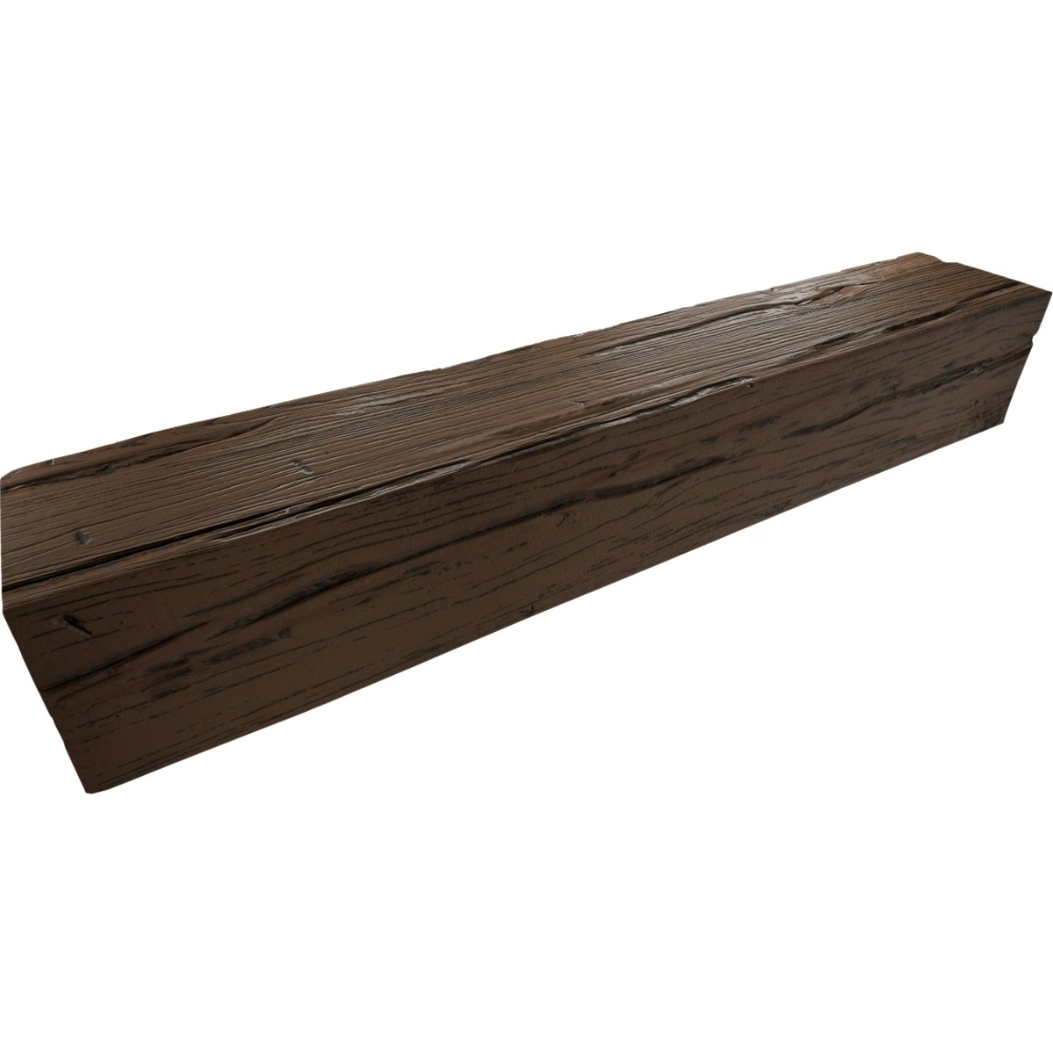
This is where modern manufacturing techniques have created a remarkable solution. Faux timber beams crafted from polyurethane now replicate the look of weathered pine with stunning accuracy, offering designers and homeowners access to that coveted vintage aesthetic without the associated complications.

The Art of Capturing Authentic Weathered Texture
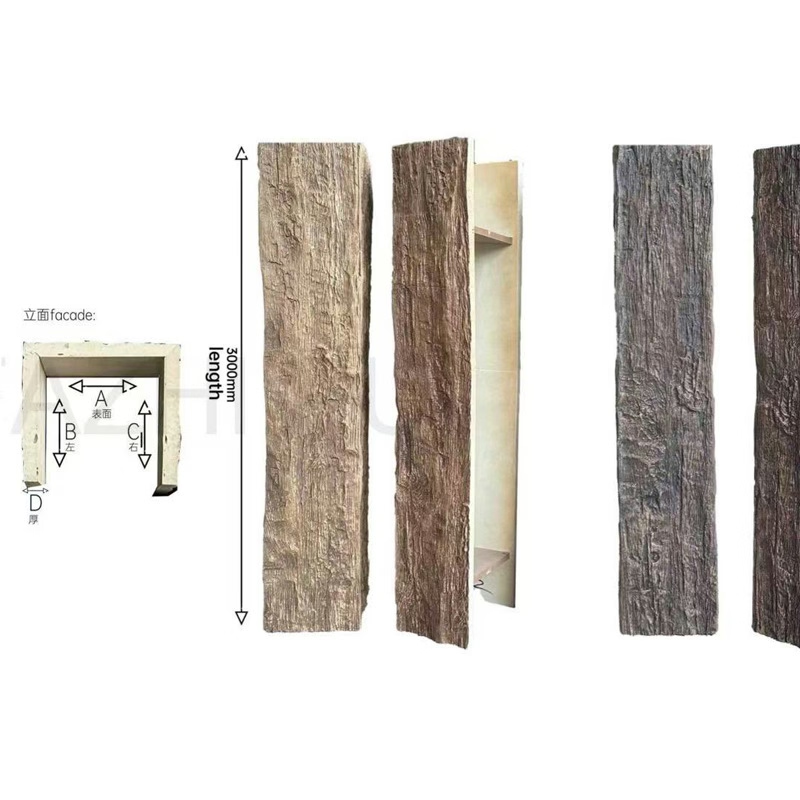
Creating a convincing weathered pine appearance requires more than simply applying a color to polyurethane. The best manufacturers employ sophisticated texturing processes that mimic the natural degradation patterns found in aged timber. These processes work with the material's inherent properties rather than against them.
The weathered effect on authentic pine develops over decades through exposure to sunlight, moisture cycles, and natural oxidation. Reproducing this authentically means understanding how wood fibers break down and how different areas of a beam weather at different rates. Knots weather differently than clear grain areas. End grain absorbs more moisture and develops distinct patterns. Surface oxidation creates that characteristic silver-gray patina.
Modern faux beam production uses multi-stage texturing where each layer builds upon the last. Initial surface preparation creates the foundational texture, while subsequent treatments add depth and variation. The final result exhibits the same organic irregularity that makes reclaimed timber so visually compelling—variations that can't be perfectly predicted or replicated, which paradoxically makes them feel more authentic.
Installation Advantages for Vintage Design Projects
Working with authentic reclaimed timber introduces numerous logistical challenges. The weight alone requires structural engineering assessment and specialized mounting systems. Transporting and maneuvering beams that might weigh fifteen to twenty pounds per linear foot demands significant labor and equipment.
Polyurethane faux timber eliminates these obstacles entirely. The material weighs approximately one-eighth to one-tenth of comparable solid wood, transforming what would be a structural project into a straightforward finishing application. A single installer can handle beams that would otherwise require two or three people and mechanical assistance.
The mounting process adapts to standard construction practices rather than demanding specialized approaches. Faux beams attach using hardware and techniques familiar to any competent contractor or determined DIY enthusiast. This accessibility opens vintage-style design to projects that might otherwise exclude it due to budget or structural constraints.
The material's consistency also means no surprises during installation. Authentic timber arrives with its quirks—twists, bows, checks, and other characteristics that make fitting challenging. Each piece of reclaimed wood tells a unique story, but those stories sometimes manifest as fitting problems that consume time and patience. Faux beams arrive precisely as specified, ensuring the installation experience matches the design vision.
Design Applications Across Residential Spaces
The weathered pine aesthetic complements remarkably diverse interior styles. Farmhouse kitchens gain instant authenticity when rustic beams frame the cooking and prep areas. The warmth of aged wood balances the crispness of white cabinets and subway tile, preventing the space from feeling sterile while maintaining a clean aesthetic.
Living rooms benefit from beams that anchor conversation areas and define architectural interest. Vaulted ceilings that might feel cavernous or impersonal gain human scale when timber details introduce familiar, approachable textures. The weathered appearance softens contemporary spaces without requiring commitment to an exclusively traditional design vocabulary.
Bedrooms and studies achieve cozy, contemplative atmospheres when exposed beam details introduce natural materials. The gentle gray and tan tones of weathered pine create restful color palettes that encourage relaxation without the visual heaviness that stained darker timbers sometimes produce.
Commercial spaces discover similar benefits. Restaurants and hospitality venues require durability alongside aesthetic appeal—characteristics that polyurethane delivers. The ability to clean and maintain faux beams easily makes them practical for high-traffic environments where authentic timber might show wear quickly.
Maintenance Considerations for Long-Term Beauty
One of the most compelling advantages of polyurethane faux timber concerns maintenance. Authentic weathered timber requires ongoing care to preserve its appearance and structural integrity. Periodic sealing, monitoring for moisture damage, and addressing pest concerns all demand attention and expense throughout the beam's lifespan.
Faux beams made from polyurethane resist the biological factors that affect natural wood. Insects ignore the material entirely. Moisture doesn't cause the swelling, warping, or rotting that creates problems with genuine timber. The surface can be cleaned with standard household products without concern for damaging finishes or exposing raw material.
The color and texture stability of quality polyurethane also outperforms natural alternatives. Authentic wood continues to weather and change over time—sometimes developing character, sometimes developing problems. Faux beams maintain their appearance indefinitely, ensuring the design vision remains consistent year after year.
Cost Analysis and Project Planning
Budget considerations often determine design possibilities. Authentic reclaimed timber commands premium prices that reflect its scarcity, handling requirements, and the expertise necessary for proper installation. Quality faux alternatives provide equivalent visual impact at a fraction of cost.
Project planning benefits from the predictability that faux timber offers. Quotes remain accurate because material characteristics are consistent. There's no contingency budget for unexpected conditions or additional labor to address quirks in individual pieces. This predictability simplifies the entire design and construction process.
For large-scale projects, the savings compound significantly. A single room might save hundreds or thousands of dollars; a complete property renovation might realize savings sufficient to fund additional design elements or upgrades. These funds can enhance other aspects of the project rather than disappearing into structural accommodations for heavy authentic timber.
Environmental Considerations
The sustainability conversation around timber has grown increasingly nuanced. While reclaimed wood offers obvious benefits over new harvest, the environmental costs of reclamation, transport, and processing remain substantial. The carbon footprint of heavy timber transport across significant distances challenges simplistic environmental claims.
Faux timber production from polyurethane involves manufacturing processes with different environmental impacts than timber harvesting. For projects where the visual result matters most, faux alternatives provide authentic aesthetics without the harvesting of any timber whatsoever. The material itself can be recycled at end of life, further reducing environmental burden.
The longevity advantage also merits consideration. Authentic timber eventually degrades regardless of care and maintenance. Faux beams that maintain their appearance for decades without intervention ultimately represent a different kind of sustainability—one based on permanence rather than renewability.
The weathered pine texture faux timber beams available today represent remarkable achievement in materials technology. They demonstrate that authentic aesthetics need not require authentic materials, opening design possibilities that were previously impractical or impossible for many projects.
Technical References
ASTM standards cited in every specification
Test Data
Lab results from internal testing program
Updated 2026
Reviewed against current product specs


