Mountain architecture has influenced residential design worldwide, with chalet-inspired elements appearing in homes far from any ski slope. The aesthetic appeal of alpine construction—exposed timber, stone textures, cozy proportions, and connection to natural materials—resonates deeply with those seeking warmth and authenticity in their living spaces. Yet traditional chalet construction involves substantial structural requirements, significant expense, and construction expertise that limits widespread adoption.
The democratization of chalet style has arrived through modern materials technology. Faux timber beams crafted from polyurethane enable any space to capture mountain lodge atmosphere without requiring the structural commitment that authentic timber construction demands. These lightweight replicas achieve remarkable authenticity, bringing the character of alpine architecture to living rooms regardless of their actual construction or location.
The Enduring Appeal of Chalet Architecture
Chalet design evolved over centuries in response to specific environmental conditions—heavy snowfall, steep terrain, abundant timber, and the practical needs of agricultural communities. The style developed organically, with each design element serving functional purposes alongside aesthetic ones.
Exposed structural timbers originally bore significant loads while allowing the construction of steep roofs capable of shedding snow. The aesthetic emerged from this necessity, creating the distinctive appearance that now defines the style. Thick timber framing visible throughout interiors created warmth through natural materials while establishing the architectural vocabulary that we immediately recognize as alpine.
Modern appreciation for chalet style often focuses on different aspects. The coziness that thick timber and stone create, the connection to natural materials, the sense of shelter and protection that heavy construction implies—these qualities resonate with contemporary desires for comfortable, grounded living environments. The aesthetic has transcended its functional origins to become a design language expressing warmth, naturalness, and timeless appeal.
Authentic Timber Characteristics for Chalet Design
Creating convincing chalet interiors requires understanding what makes alpine timber visually distinctive. The beams and posts that define chalet architecture share specific characteristics that the best faux alternatives replicate accurately.
Scale matters significantly. Authentic chalet timber is substantial—beams that would dwarf a standard interior, posts that create deliberate visual weight and groundedness. The imposing scale creates the sense of shelter and protection that defines the aesthetic. Faux beams that seem too slender or delicate fail to capture this essential quality, regardless of surface texturing accuracy.
The detailing found on traditional alpine timber also influences authenticity. Traditional construction frequently featured chamfered edges, notched joints where members intersected, and surface weathering patterns that developed over decades. Quality faux beams incorporate these details—the subtle bevels, the visual interest at connection points, the texture variations that suggest genuine age and use.
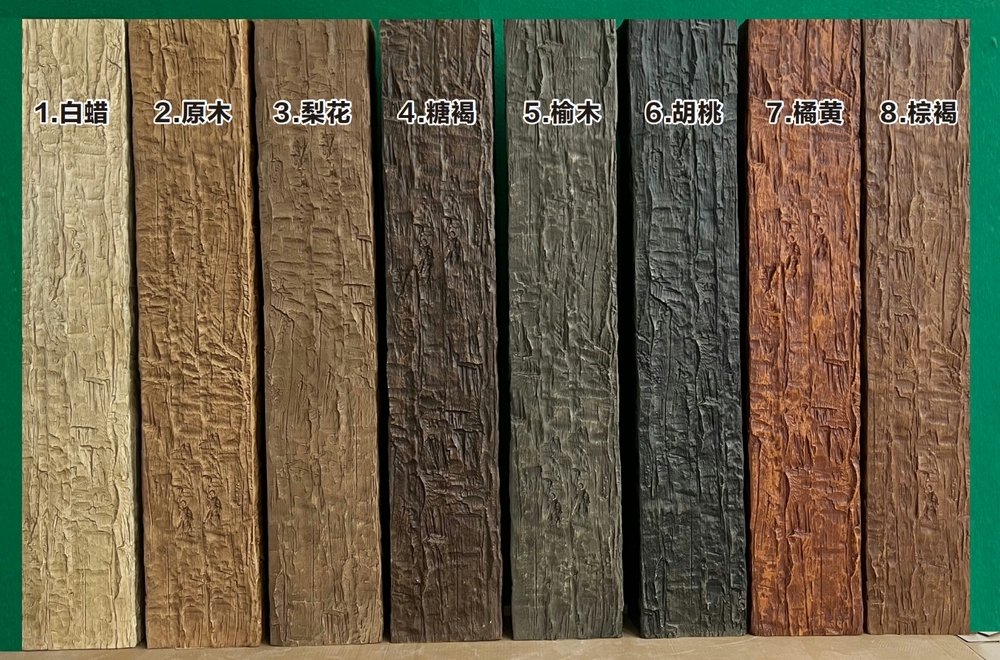
Wood species selection affects overall character. Different regions feature different timber species, each with distinctive grain patterns and color ranges. Alpine spruce and pine create different appearances than oak or fir. Understanding these regional variations enables selecting faux beams that match specific chalet traditions rather than generic "rustic wood" approximations.

Interior Design Integration Strategies
Chalet-style living rooms accommodate beams in various configurations depending on architectural context and desired visual impact. The placement strategy significantly influences how successfully the space captures alpine atmosphere.
Vaulted and exposed ceiling configurations provide ideal settings for timber beam installation. Where actual roof structure becomes visible, beams can frame and enhance the architectural expression, tying the ceiling treatment to the living space below. The beams become part of the structure rather than applied decoration, achieving the integration that makes authentic chalet spaces feel so cohesive.
Flat ceilings can receive beams through strategic arrangement that suggests structural presence without requiring actual structural function. Beams might run parallel across the ceiling plane, terminate at feature walls, or create grid patterns that reference traditional timber framing. Such arrangements require careful scaling to avoid appearing either too sparse or overly cluttered.
The relationship between beams and other chalet elements—stone fireplaces, natural wood flooring, textured wall surfaces—deserves thoughtful attention. These elements should complement rather than compete with the beams. Color coordination ensures visual harmony while texture contrasts create the visual interest that prevents monochromatic dullness.
Climate Considerations and Material Performance
Authentic chalet construction faces environmental challenges that modern materials address more effectively. The same temperature extremes, humidity variations, and UV exposure that affect mountain structures create different impacts on polyurethane alternatives.
Temperature fluctuations that cause authentic timber to expand and contract create maintenance demands and potential failure points. Polyurethane tolerates these variations with minimal dimensional change, maintaining tight joints and consistent appearance regardless of seasonal temperature swings. The material doesn't develop the gaps, checks, or twists that affect natural wood over time.
Humidity presents particular challenges in mountain environments where weather changes rapidly and heating systems create significant interior variations. Natural timber absorbs and releases moisture continuously, potentially warping or swelling in response. Faux beams resist moisture absorption entirely, maintaining consistent dimensions and appearance despite humidity changes.
UV exposure affects surface appearance over time. Authentic timber develops silver-gray weathering that many consider desirable, though continued exposure eventually degrades the wood. Quality polyurethane includes UV inhibitors that resist this degradation, maintaining original appearance indefinitely despite exposure to sunlight through windows and skylights.
Accessorizing Chalet Living Spaces
Beams establish the architectural framework for chalet interiors, but accessory elements complete the design narrative. Thoughtful selection of furnishings, textiles, and decorative objects enhances the alpine atmosphere that beams initiate.
Seating arrangements in chalet-style living rooms often emphasize comfort and coziness. Deep, upholstered pieces in warm fabrics invite relaxation. Leather and natural textiles introduce additional natural material references that complement timber elements. The scale of furniture should relate appropriately to beam scale—oversized pieces reinforce the grounded, substantial feeling that chalet design seeks.
Textiles contribute warmth through color and texture. Wool throws, woven rugs, and natural fiber curtains add layers that soften spaces and introduce additional natural material references. These elements also provide acoustic benefits, absorbing sound in spaces that stone and timber can otherwise make reverberant.
Lighting choices significantly influence chalet atmosphere. Warmer color temperatures enhance the amber tones in timber beams while creating inviting evening environments. Fixtures themselves often feature natural material references—wrought iron, raw brass, seeded glass—that reinforce the overall aesthetic direction.
Investment Value and Lasting Appeal
The decision to incorporate chalet-style elements into living spaces often involves consideration of long-term value. Design trends evolve, and investments in specific aesthetics risk becoming dated. Chalet architecture, however, has demonstrated remarkable staying power, with alpine influences appearing consistently across decades of design evolution.
The timeless quality of natural material aesthetics contributes to this durability. Unlike trend-driven design elements that may feel dated within a decade, timber and stone have proven appeal across generations. The warmth and groundedness these materials provide don't fluctuate with fashion cycles in the same way that specific color palettes or decorative styles might.
Faux beam investments prove particularly secure given their durability and maintenance simplicity. Unlike authentic timber that might require refinishing, repair, or eventual replacement, quality polyurethane installations maintain their appearance indefinitely. The initial investment continues delivering returns through decades of trouble-free service.
Chalet living room interiors achieve their full potential when rustic timber faux beams establish authentic alpine atmosphere. These modern materials honor traditional aesthetics while overcoming the practical limitations that historically restricted chalet-style implementation.
Technical References
ASTM standards cited in every specification
Test Data
Lab results from internal testing program
Updated 2026
Reviewed against current product specs


