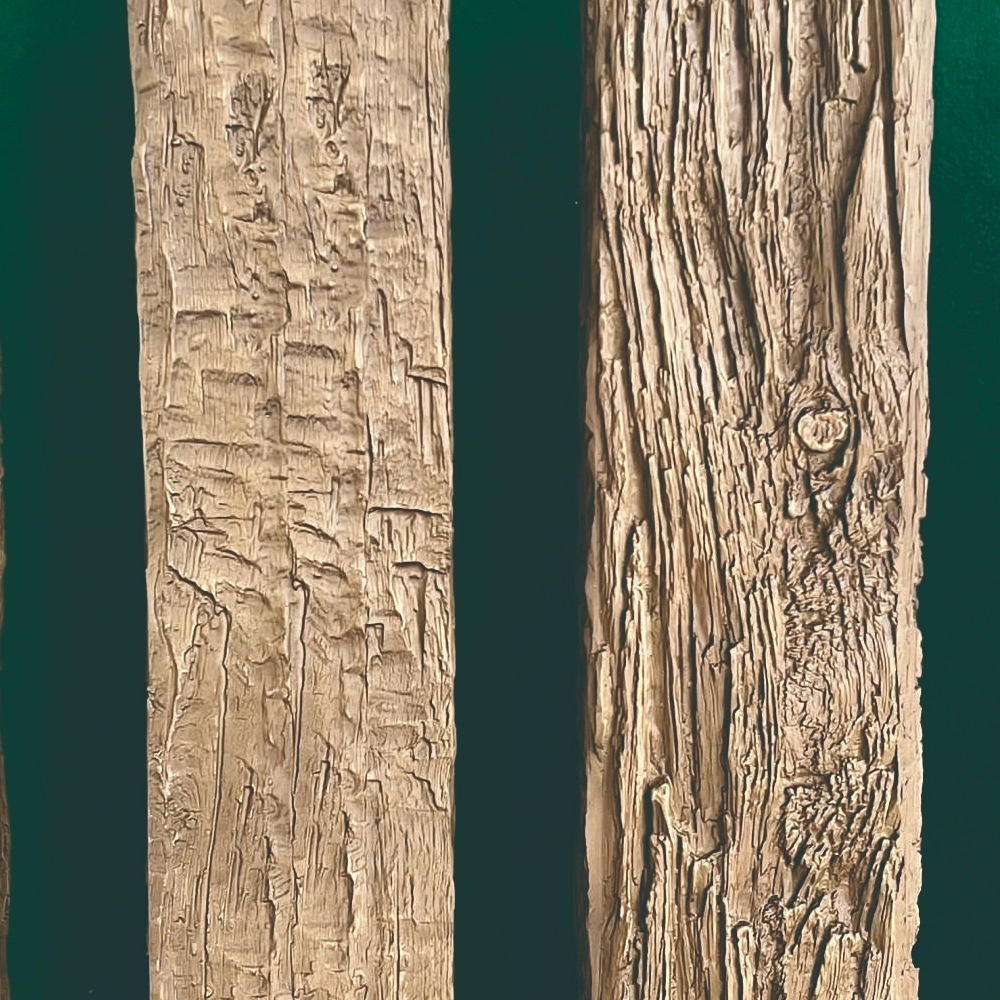
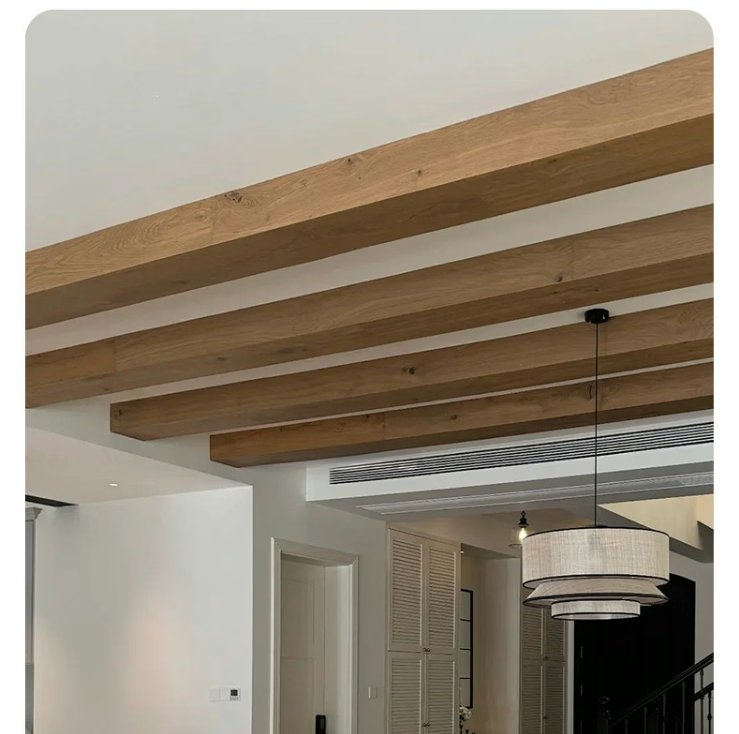
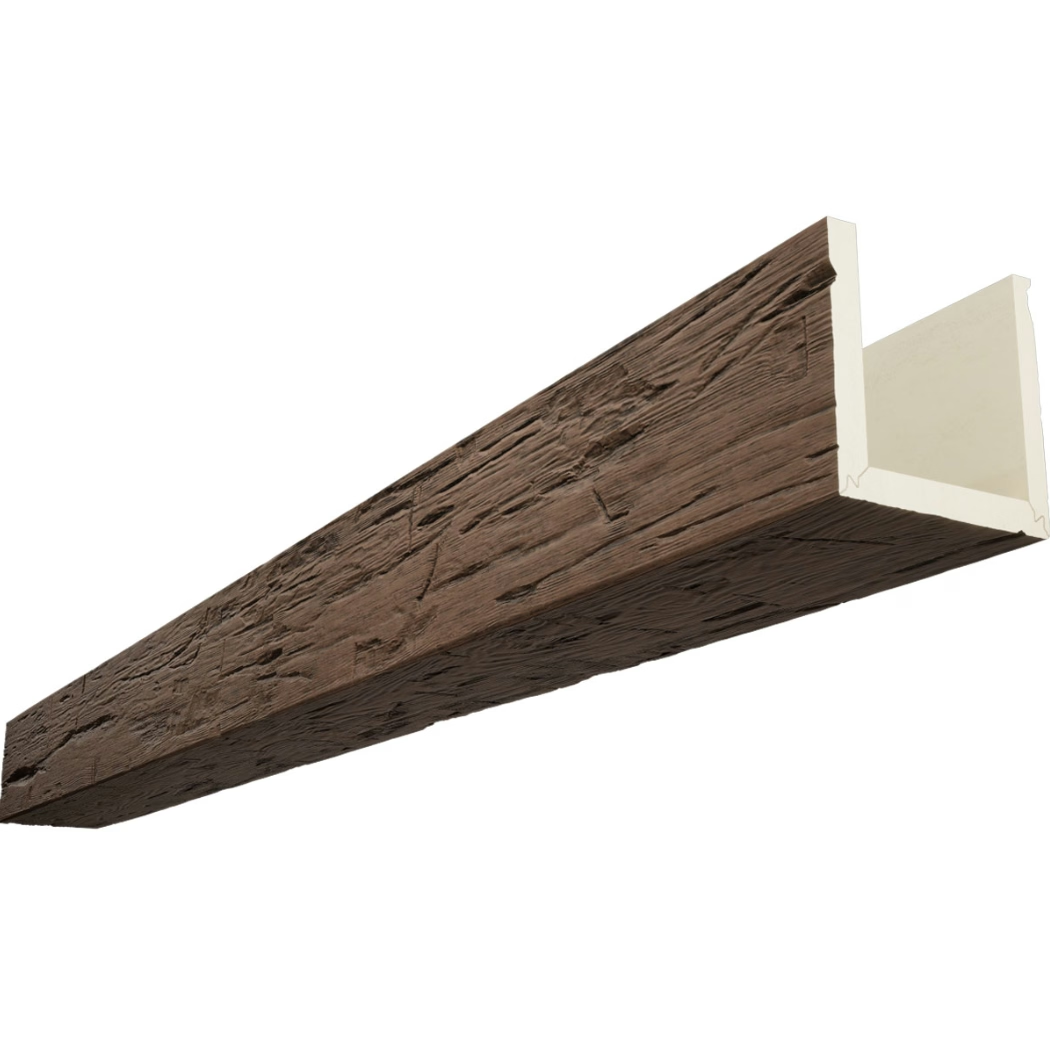
Sacred spaces have always demanded design excellence. Chapels, meditation rooms, worship spaces, and prayer areas serve profound human needs that architecture must support. The elements within these spaces—lighting, seating, finishes, and structural details—contribute to atmospheres that either support or undermine the spiritual purposes these rooms serve. Timber beams have historically played significant roles in sacred architecture, their warm natural presence creating environments conducive to contemplation and worship.
Modern chapel design faces challenges that historical construction approaches struggle to address. Budget constraints, structural limitations, maintenance requirements, and diverse design vocabularies all influence how contemporary sacred spaces take shape. The solution lies in materials that deliver authentic aesthetic impact while overcoming practical limitations—polyurethane faux timber beams offer precisely this combination.
The Role of Timber in Sacred Architecture
Timber has served sacred architecture since humanity first constructed designated spaces for spiritual practice. The material's warmth, natural origin, and connection to growth and life have made it symbolic across countless cultural and religious traditions. Wooden roof structures soar above congregations, creating vertical emphasis that draws attention upward toward transcendent concerns.
Traditional sacred timber construction utilized the material's structural properties alongside its aesthetic qualities. Large timber frames supported roofs while simultaneously expressing the architectural vocabulary that defined sacred space. These structures communicated theological concepts through physical form—the sheltering canopy suggesting divine protection, the massive scale implying eternal and unchanging presence.
Contemporary sacred spaces often lack the structural capacity or budget for authentic timber construction. Ceiling structures may not accommodate heavy loads; construction budgets may not permit the expense of genuine reclaimed timber. Yet the desire for timber's aesthetic and symbolic contributions persists. Faux timber beams provide the visual presence without requiring structural commitment or prohibitive expense.
Design Approaches for Contemporary Sacred Spaces
Modern chapel architecture encompasses diverse aesthetic traditions. From minimalist meditation rooms to traditional worship spaces, faux timber beams adapt to varied design vocabularies while maintaining their essential character contributions.
Minimalist sacred spaces often feature clean-lined beams with refined proportions. Such installations emphasize the warmth and natural quality of wood without dramatic visual weight. The beams become part of architectural backgrounds, creating subtle environmental quality rather than overwhelming visual presence.
Traditional worship spaces may incorporate beams with more pronounced character—visible grain, substantial proportions, authentic detailing at joints and connections. These installations reference historical timber construction while utilizing modern materials that overcome traditional limitations. The result honors sacred architectural traditions while embracing contemporary construction realities.
Contemporary interpretations might combine timber beams with other modern materials—steel connections, glass panels, concrete surfaces—in compositions that suggest timber's structural presence while engaging current design conversations. Such hybrid approaches can feel appropriate for institutions that value both tradition and innovation.

Acoustic Considerations for Worship Environments
Sacred spaces typically demand careful acoustic attention. Speech intelligibility for sermons and readings, music clarity for hymns and choral performances, and appropriate reverberation for contemplative silence all influence how well spaces serve their spiritual purposes. Beam installations interact with room acoustics in ways that merit consideration.
Timber surfaces generally provide moderate sound absorption compared to highly reflective glass or highly absorptive acoustic treatments. This intermediate quality often proves beneficial in sacred spaces, providing some diffusion that prevents flutter echoes without creating overly dead acoustic environments.
Beam configuration influences acoustic performance significantly. Exposed beam undersides create surfaces that reflect and scatter sound differently than flat ceiling planes. This texturing often improves acoustic quality by reducing harsh reflections while maintaining adequate reverberance for music and spoken word.
The space above beams—whether structural ceiling, roof structure, or plenum—affects overall room acoustics. Beams that appear to support roof structures but actually hide mechanical systems or structural elements create different acoustic environments than beams that enclose actual structural cavities. Understanding these relationships helps ensure that beam installations support rather than compromise acoustic performance.
Fire Safety and Building Code Compliance
Institutional and commercial buildings face stringent fire safety requirements that sacred spaces must meet like any other occupancy classification. Understanding how faux timber beams perform in fire scenarios ensures code compliance and, more importantly, occupant safety.
Quality polyurethane beams used in commercial applications typically achieve Class A fire ratings when properly installed. These ratings indicate minimal flame spread and smoke development under standardized test conditions. Documentation from manufacturers confirms specific fire performance characteristics.
Building codes may require fire-rated assemblies for certain ceiling configurations. The relationship between beams, ceiling structure, and any concealed spaces affects overall assembly ratings. Professional installation ensures that beam mounting doesn't compromise fire-rated ceiling or roof assemblies.
Some jurisdictions require sprinklers in institutional occupancies regardless of ceiling treatments. Beam installations should not interfere with sprinkler distribution patterns or reduce sprinkler effectiveness. Coordination with fire protection professionals ensures that design intentions don't create safety compromises.
Maintenance for Institutional Environments
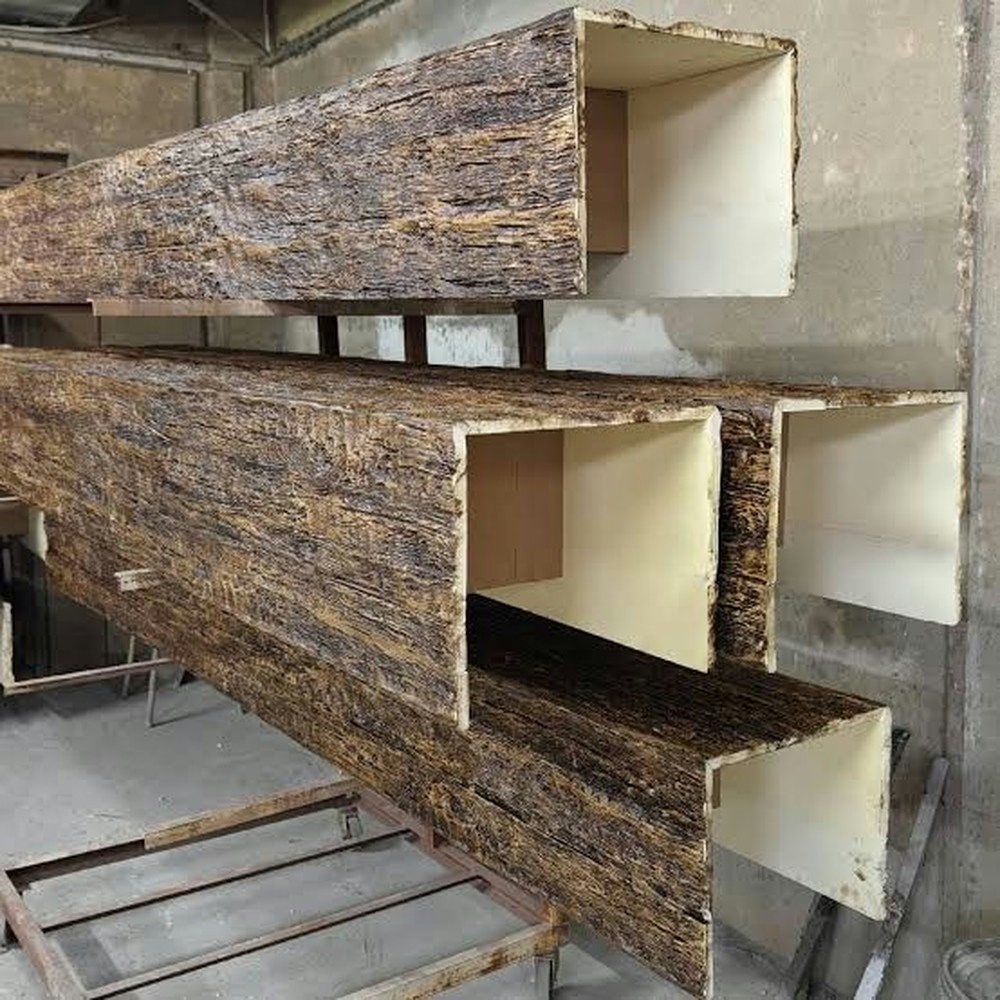
Sacred spaces must maintain welcoming appearances despite heavy use and limited maintenance budgets. Faux timber beams offer significant advantages in this regard, requiring minimal ongoing attention compared to authentic timber alternatives.
Institutional cleaning protocols generally involve periodic dusting and occasional wet cleaning. Polyurethane beams accept both approaches without damage. The consistent surface quality means that cleaning results look uniform across entire beam installations.
Damage repair options exist for polyurethane beams should accidents occur. Minor damage responds to filler compounds and refinishing that restore original appearance. Severe damage typically requires section replacement rather than complete reinstallation—a more economical approach than replacing authentic timber elements.
The maintenance simplicity of faux beams proves particularly valuable in institutional settings where maintenance staff may have broad responsibilities without specialized woodworking expertise. The material's consistency and repairability ensure that beam installations remain attractive without demanding specialized care.
Budget Considerations for Religious Institutions
Religious institutions often operate within constrained budgets that require careful resource allocation. Building and renovation decisions must balance immediate costs against long-term value—a calculation where faux timber beams typically prove favorable.
Initial material and installation costs for quality faux beams compare favorably with authentic alternatives. The savings become more pronounced when considering structural accommodations that authentic timber might require. Reduced labor costs for lighter materials further improve the economic comparison.
Long-term maintenance expenses favor faux alternatives even more dramatically. Authentic timber requires periodic refinishing, monitoring for pest issues, and eventual replacement. Faux beams maintain appearance indefinitely with minimal care, eliminating these ongoing costs.
The overall project budget benefits when funds saved on beam installations can redirect toward other institutional priorities. Seating, lighting, organ installations, or accessibility improvements may prove more valuable than authentic timber if budget constraints require trade-offs.
Modern chapel interiors achieve sacred character through thoughtful design that includes decorative faux timber beams. These contemporary materials honor traditional aesthetics while addressing contemporary construction realities.
Technical References
ASTM standards cited in every specification
Test Data
Lab results from internal testing program
Updated 2026
Reviewed against current product specs