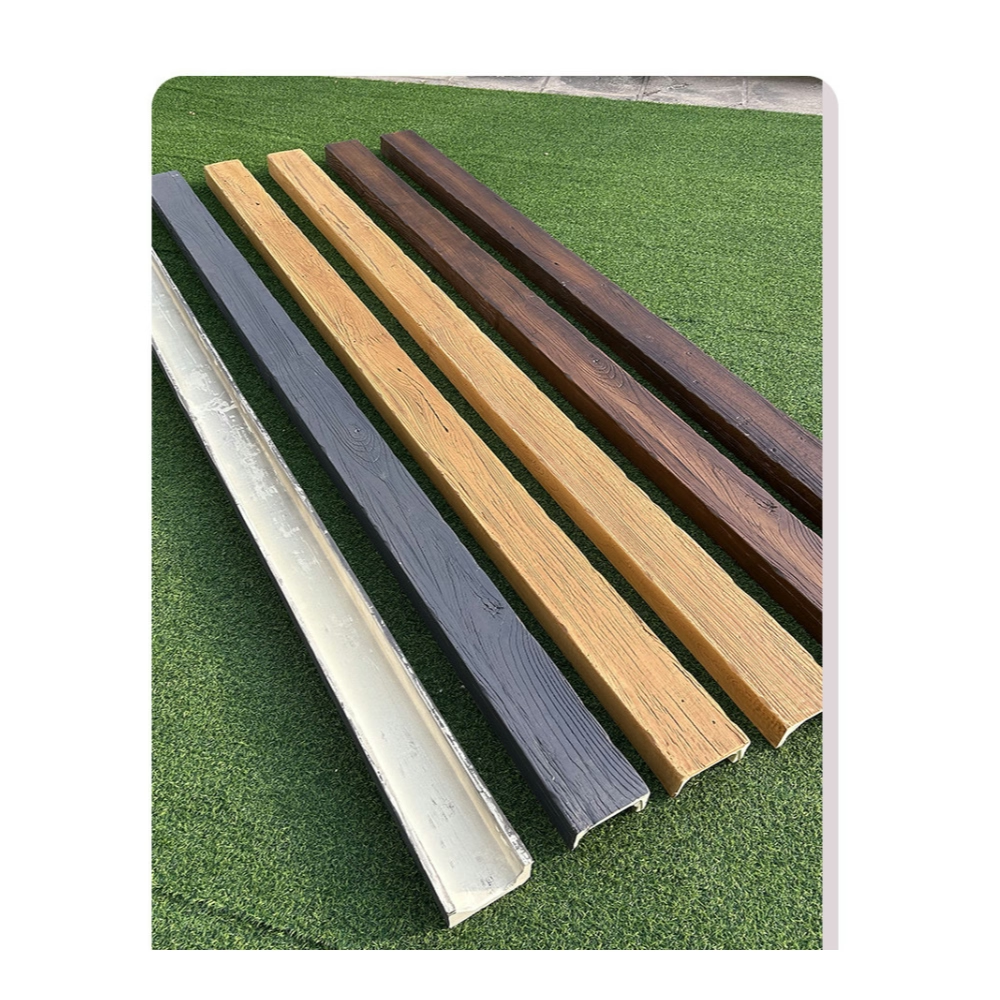
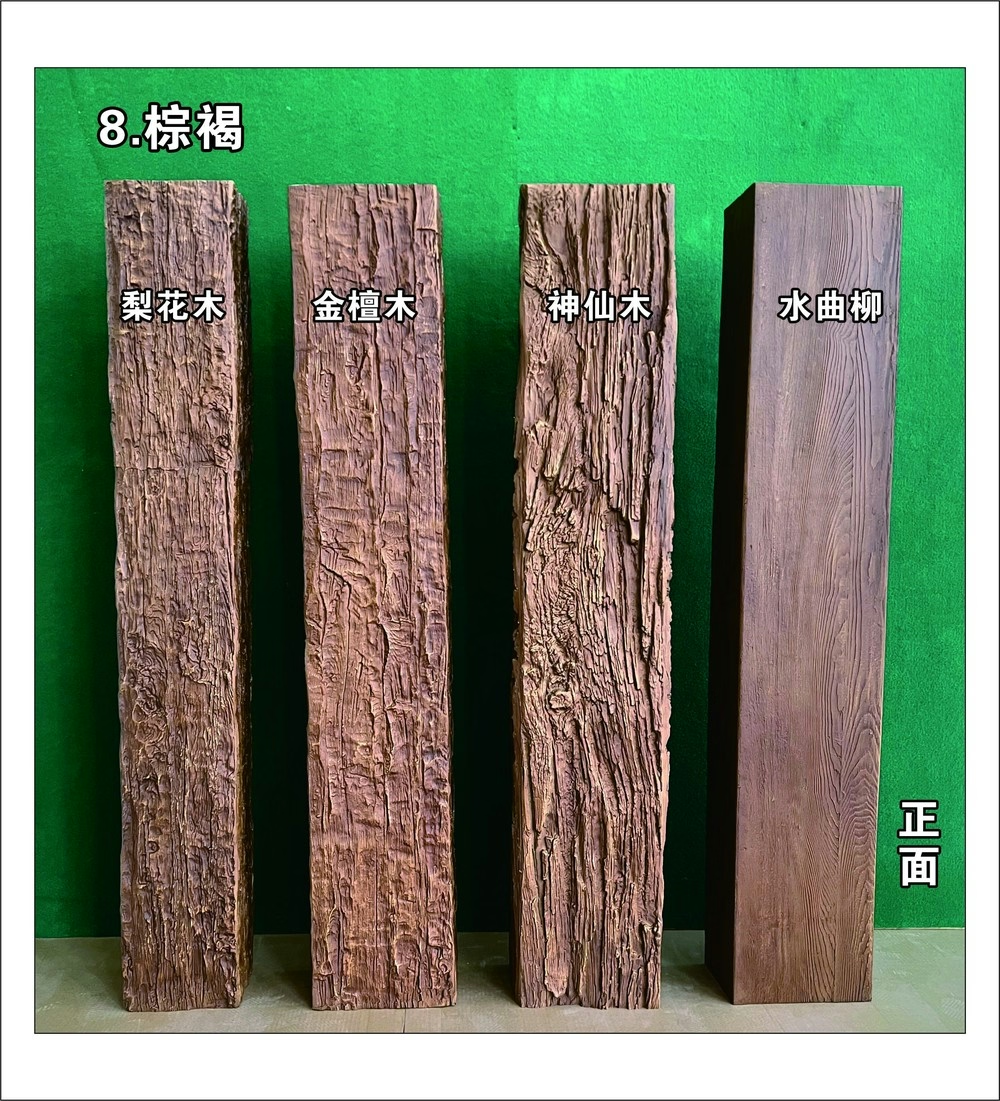
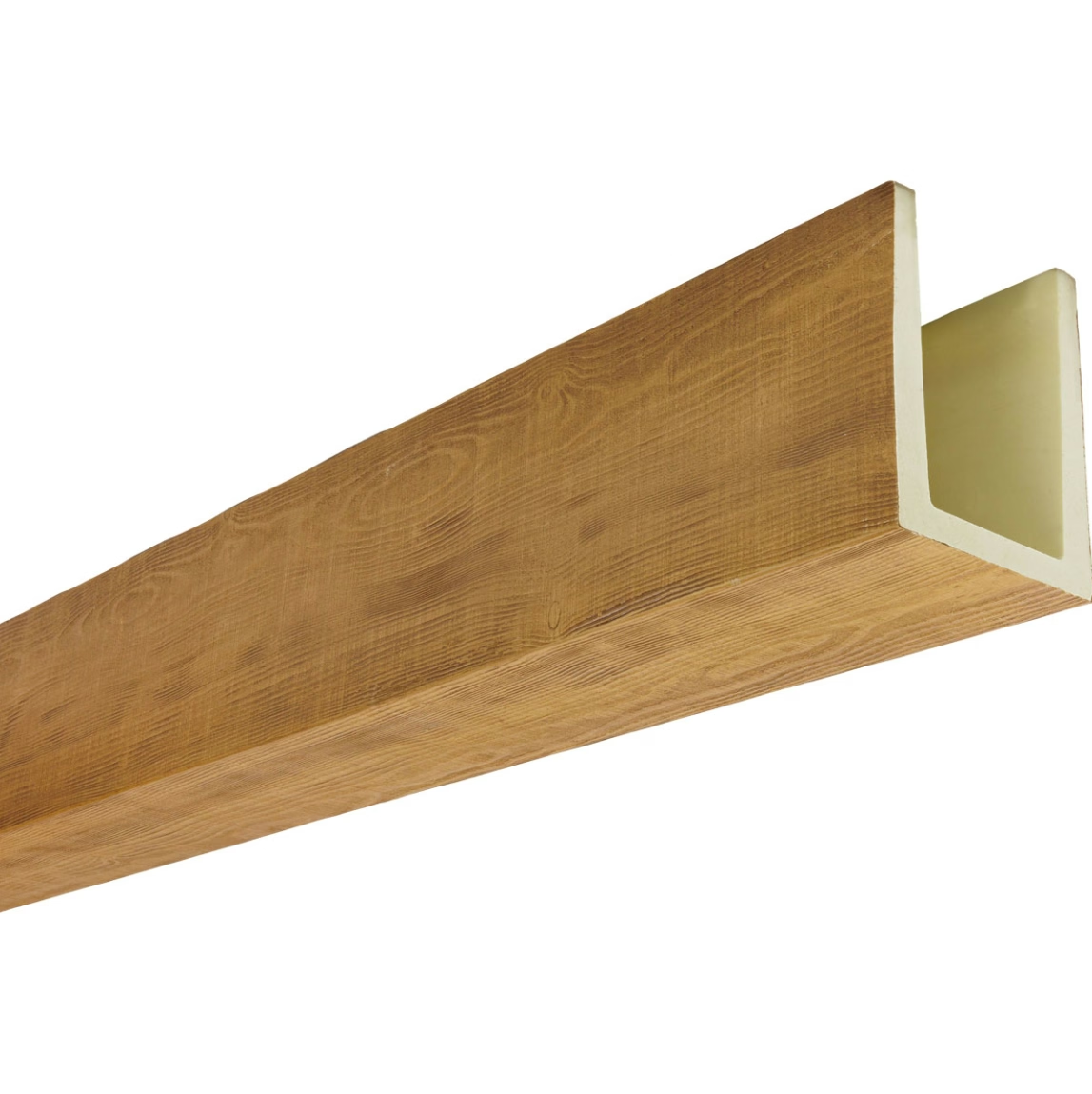
Cutting polyurethane faux beams generates dust and potentially fumes that require appropriate respiratory protection. The small particles created during sawing, drilling, and sanding can irritate respiratory systems with sufficient exposure. Understanding which protection is appropriate for different cutting operations ensures that installers protect their health while achieving quality results.
Respiratory protection selection depends on the specific hazards involved, the duration of exposure, and individual sensitivity factors. Taking shortcuts with protection may seem to save time and money, but the long-term health consequences of exposure make proper protection the only sensible choice.
Understanding Hazards in Polyurethane Cutting
Different cutting operations generate different hazards that influence protection requirements. Identifying what you're actually being exposed to helps select appropriate protection.
Mechanical cutting with saws generates fine dust particles that become airborne during cutting. The particle size determines where in the respiratory system these particles deposit—larger particles settle in upper airways while fine particles can reach deeper lung tissue.
Heat-generating operations such as routing or sanding create different exposure profiles. Friction heat can release different chemical compounds than cold cutting, potentially including thermal decomposition products that require enhanced protection.
Adhesive and finish dust from preparation work creates additional exposure concerns. Sanded finishes, old coatings, and accumulated debris may contain different hazards than fresh polyurethane material.
Dust Mask Versus Respirator Distinctions
The terminology around respiratory protection causes confusion that sometimes leads to inadequate protection. Understanding the differences between protection types ensures appropriate selection.
N95 disposable respirators filter at least 95% of airborne particles when properly fitted. These provide adequate protection for most dust-generating operations when fitted correctly. The fit requirement is critical—gaps around mask edges allow unfiltered air passage.
N99 and N100 respirators provide higher filtration efficiency for operations generating finer particles or when additional protection is desired. The marginal improvement may be worthwhile for extended operations or when particle concentrations are high.
Half-face respirators with replaceable filters provide the best protection for most workshop operations. Proper fit and filter selection address specific hazards, while the reusable nature makes them economical for frequent use.
Filter Selection for Different Operations
Not all filters protect against all hazards. Selecting the appropriate filter for specific operations ensures that protection actually addresses present dangers.
Particulate filters designated P95, P99, or P100 protect against dust and particles. The P rating indicates oil resistance, which matters for operations involving oil mist but is irrelevant for most dry cutting. Choose P95 for most polyurethane cutting operations.
Combination cartridges pair particulate filtration with vapor or gas protection. These are unnecessary for most polyurethane cutting but may be appropriate when working with adhesives, solvents, or finishing products that generate vapors.
Filter replacement schedules ensure continued protection. Filters become clogged with use, reducing airflow and breathing comfort even if filtration remains effective. Replace filters according to manufacturer schedules or when breathing difficulty indicates clogging.
Proper Fit and Seal Verification
Even the best filter provides inadequate protection if the mask doesn't seal properly to the face. Fit testing ensures that protection performs as designed.
Facial hair significantly compromises seal integrity for most respirator types. Mustaches and beards prevent the facial contact necessary for effective seals. Workers with facial hair must use powered air-purifying respirators or hooded systems that don't rely on facial sealing.
Fit testing with each new mask style identifies which sizes and brands work for individual face shapes. What fits one person may not fit another, even with similar overall face dimensions. Trying different options finds the best fit.
Seal checks should occur with each use of reusable respirators. Negative pressure tests (inhaling with blocked进气口) and positive pressure tests (exhaling with blocked exhalation port) verify seal integrity before entering contaminated areas.
Ventilation Considerations
Respiratory protection supplements but doesn't replace adequate ventilation. Reducing airborne contamination at the source protects workers more effectively than relying entirely on personal protection.
Local exhaust ventilation captures dust at the point of generation before it disperses into breathing zones. Shop vacuums with appropriate attachments, dust collectors, and air filtration systems all contribute to cleaner air.
General dilution ventilation exchanges room air with fresh outdoor air, reducing overall contamination levels. This approach works better when combined with source capture rather than relying on dilution alone to achieve acceptable conditions.
Airflow direction matters for effectiveness. Ventilation should pull contaminated air away from workers toward capture points, not push contamination through work areas en route to collection points.
Extended Exposure Duration
Longer cutting operations create more significant exposure than brief cutting. Duration affects both the total dose received and the likelihood of protection fatigue.
Break schedules allow workers to rest from both physical exertion and protection discomfort. Removing respirators during breaks allows recovery from the heat and moisture that builds up under masks.
Filter capacity may be exceeded during extended operations. Carrying spare filters or planning filter changes prevents protection degradation during long work sessions.
Fatigue and protection comfort affect compliance. Workers who remove masks because they're uncomfortable face exposure that proper protection would prevent. Comfortable, well-fitted protection promotes consistent use.
Post-Work Hygiene
Protecting workers during cutting only addresses part of exposure risk. Proper cleanup and hygiene prevent secondary exposure to accumulated dust.
Dusty clothing should be changed before leaving work areas to prevent bringing contamination home. Laundering work clothes separately from household laundry prevents cross-contamination.
Showering after significant dust exposure removes particles that settle on skin and hair. This is particularly important before eating or drinking, which might otherwise transfer contamination to the digestive system.
Cleaning work areas thoroughly prevents accumulated dust from creating ongoing exposure. Regular cleanup is more effective than periodic deep cleaning that allows contamination to build up between sessions.
Health Monitoring Considerations
Workers with significant ongoing exposure to dust should monitor for any respiratory symptoms that might indicate problems developing. Early identification of issues allows intervention before serious conditions develop.
Cough, wheeze, and shortness of breath may indicate irritation or sensitization. Any respiratory symptoms that develop in connection with work activities warrant medical evaluation.
Pre-existing respiratory conditions may affect appropriate protection selection. Workers with asthma or other conditions should consult healthcare providers about appropriate protection levels.
Documentation of exposure and protection supports health monitoring that may become relevant years later. Keeping records of projects and protection used creates history that informs future healthcare decisions.
Appropriate dust mask use during polyurethane beam cutting protects worker health while enabling the custom work that quality installations require.
Technical References
ASTM standards cited in every specification
Test Data
Lab results from internal testing program
Updated 2026
Reviewed against current product specs