Workspaces where overhead activities occur present hazards that ceiling design should address. Maintenance workers, inspectors, and others who spend time beneath ceilings face risks from falling objects, impacts, and other overhead hazards. While decorative beams might seem purely aesthetic, thoughtful specification can incorporate protection benefits alongside visual improvements.
Polyurethane faux beams offer advantages in overhead protection applications that authentic timber cannot match. The material characteristics that make faux beams lightweight and durable also create performance benefits in protection contexts. Understanding these benefits helps specify products that serve multiple purposes effectively.
Overhead Hazard Assessment in Workspaces
Different work environments present different overhead hazards that affect appropriate protection measures. Assessing specific conditions guides specification decisions.
Maintenance activities frequently require access to ceiling areas for equipment servicing, light fixture maintenance, and system inspection. Workers in these areas benefit from protection against debris or materials that might fall from above during work.
Storage areas with overhead shelving create ongoing overhead hazard exposure. Items stored above head height can shift, fall, or be dislodged during retrieval, creating hazards for workers below.
Production and manufacturing spaces often involve activities that generate overhead debris, drips, or potential impact hazards. The nature of work conducted affects specific protection requirements.
Impact Resistance and Damage Prevention
Polyurethane provides different impact characteristics than traditional ceiling materials or authentic timber. These characteristics affect how beams perform in protection contexts.
The material's flexibility allows some absorption of impact energy that rigid materials cannot match. This energy absorption reduces the severity of impacts that might damage items passing beneath.
Surface resilience resists denting and damage that affects appearance over time. High-traffic areas benefit from finishes that maintain appearance despite ongoing exposure to potential damage sources.
Unlike some materials that shatter or splinter when impacted, polyurethane tends to deform rather than fragment. This behavior reduces secondary hazards from broken pieces that might further injure workers or contaminate work areas.

Cleaning and Decontamination Benefits
Workspaces with hygiene requirements benefit from ceiling materials that accept cleaning without degradation. Polyurethane's characteristics support rigorous sanitation protocols.
Non-porous surfaces don't harbor bacteria or contaminants that porous materials might accumulate. This characteristic matters particularly in food processing, healthcare, and laboratory environments.
Cleaning chemicals that would damage natural wood or some composite materials don't affect quality polyurethane. This chemical resistance enables the aggressive sanitation that some environments require.
Smooth surfaces clean more readily than textured alternatives, reducing the time and effort required to maintain clean conditions. This efficiency benefits operations where cleaning time affects productivity.
Durability in Demanding Environments
Commercial and industrial spaces subject ceiling materials to conditions that residential applications never encounter. Durability in these conditions affects long-term performance and maintenance requirements.
Temperature variations affect materials differently depending on their characteristics. Polyurethane tolerates typical indoor temperature variations without the dimensional changes that affect some materials.
Humidity fluctuations in spaces like swimming pools, laundries, or food processing create conditions that affect some ceiling materials. Polyurethane's moisture resistance handles these variations without damage.
Chemical exposure in industrial spaces may affect some materials. Additive packages that enhance chemical resistance are available for polyurethane products intended for demanding applications.
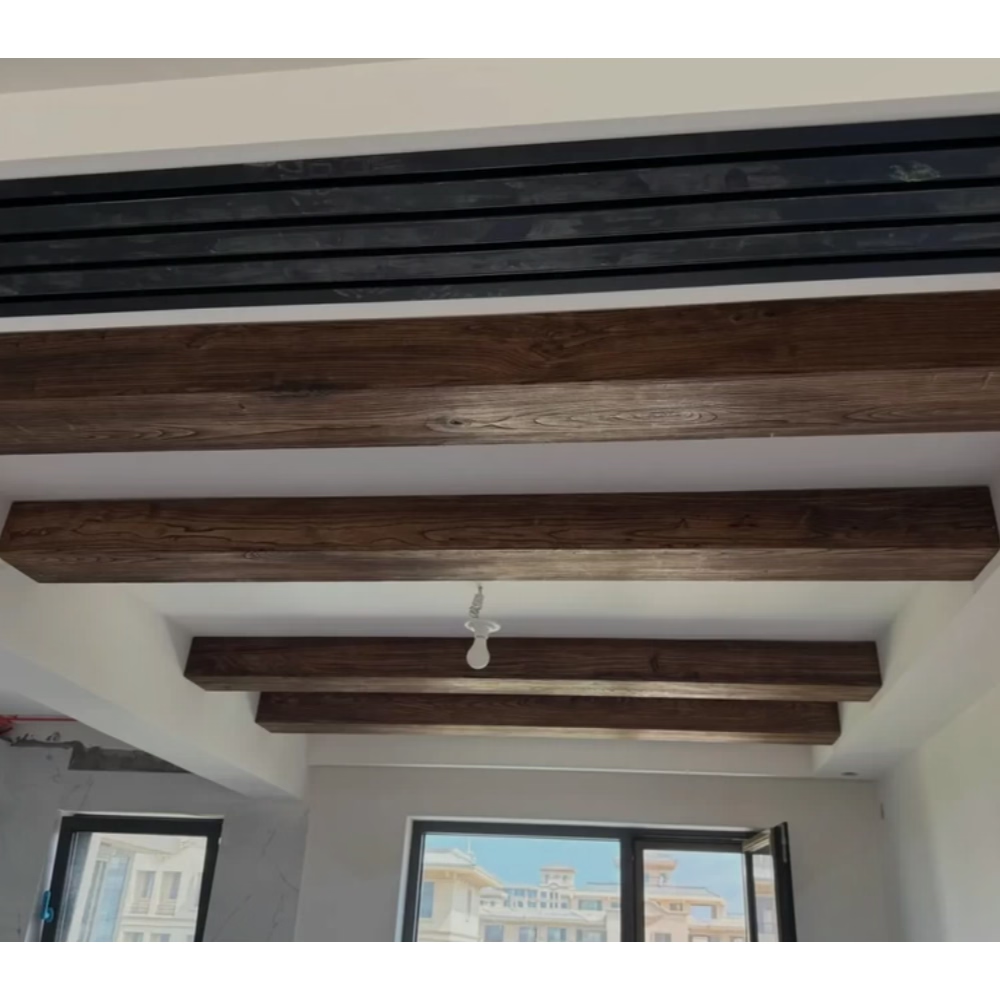
Aesthetic Improvement in Industrial Spaces
Even functional workspaces benefit from aesthetic improvements that enhance worker satisfaction and productivity. Beams provide visual warmth that improves typically sterile industrial environments.
Worker satisfaction surveys consistently indicate preferences for workspaces with natural material appearances over purely utilitarian environments. Beams contribute to these positive perceptions without requiring major construction.
Customer-facing areas in warehouses showrooms, retail spaces, and similar locations benefit from ceiling treatments that create more inviting atmospheres. Beams provide architectural interest that improves customer impressions.
Wayfinding benefits from distinctive ceiling features that help workers orient within large spaces. Beams can create visual landmarks that aid navigation in complex facilities.
Installation Considerations for Commercial Projects
Commercial installations typically involve requirements that residential projects don't face. Understanding these considerations ensures successful specification.
Building code compliance receives more rigorous enforcement in commercial occupancies. Products with documented certifications and fire ratings simplify compliance verification.
Accessibility requirements affect installation in spaces serving the public. Ceiling heights, protruding elements, and mounting positions must accommodate accessibility considerations.
Inspection and permitting processes may be more extensive for commercial projects. Products with complete documentation support these processes without delays.
Contractor requirements may include bonding, insurance, or certification requirements. Working with qualified commercial contractors ensures that installation meets professional standards.
Maintenance Planning for Commercial Applications
Commercial spaces require maintenance programs that residential installations don't face. Planning for ongoing maintenance ensures long-term performance.
Maintenance schedules should address both routine cleaning and periodic inspection. Documentation of requirements supports consistent maintenance practices.
Repair procedures for commercial installations may differ from residential approaches. Having spare materials and qualified repair contractors identified in advance simplifies response when issues arise.
Replacement planning considers product availability and lead times. Products with long production cycles may create challenges if rapid replacement becomes necessary.
Cost-Benefit Analysis for Commercial Specification
Commercial decisions require economic justification that residential purchases don't demand. Understanding the value proposition helps justify safety-focused beam specification.
Initial cost comparisons should consider not just material and installation but also long-term maintenance requirements. Lower maintenance needs reduce lifetime costs that affect overall economics.
Productivity benefits from improved workspace environments may justify aesthetic investments. Worker satisfaction, customer perception, and operational efficiency all contribute value that direct cost analysis might miss.
Safety benefits resist precise quantification but represent genuine value. Reducing injury risk provides benefits that extend beyond direct medical and workers compensation costs to include morale, productivity, and reputation effects.
Safety-focused polyurethane faux beams for overhead ceiling protection serve multiple purposes, combining aesthetic enhancement with practical benefits that benefit commercial workspace environments.
Technical References
ASTM standards cited in every specification
Test Data
Lab results from internal testing program
Updated 2026
Reviewed against current product specs


