The ocean breeze carries more than just the scent of salt water—it carries a relentless assault on building materials. Every coastal contractor, architect, and DIY renovator has witnessed what happens to natural wood exposed to maritime conditions: splitting, checking, rot, and eventual structural failure. Traditional timber that looked magnificent during construction often shows signs of distress within just a few seasons. This reality has driven the development of advanced materials that honor the beauty of natural wood while standing firm against coastal environmental challenges.
Polyurethane faux timber beams represent a significant technological advancement for exterior applications in beach house construction. These manufactured products eliminate the moisture absorption and salt penetration that destroys natural wood fibers over time. When properly installed, PU faux beams maintain their appearance and structural integrity indefinitely, regardless of proximity to breaking waves. The material composition includes UV inhibitors and corrosion-resistant additives specifically formulated for outdoor exposure, making it an intelligent choice for porches, covered patios, pergolas, and decorative overhangs that define coastal architecture.
Understanding Salt-Air Degradation in Natural Wood
Natural timber faces an uphill battle in coastal environments from the moment of installation. Salt particles carried by wind penetrate wood grain and begin their destructive work immediately. Unlike inland moisture that may evaporate, salt crystals accumulate within wood fibers, creating an ongoing hygroscopic reaction that swells and contracts with humidity changes. This perpetual movement gradually ruptures the cellular structure of the wood, leading to checking, splitting, and eventual structural compromise. Traditional wood preservatives and sealants slow this process but cannot stop it entirely—eventually, coastal homeowners face the costly prospect of replacing rotted beams.
Beyond the chemical degradation, coastal timber also faces accelerated biological threats. Salt air creates conditions favorable to certain fungi and wood-boring insects that thrive in the mineral-rich environment. While these organisms might struggle in inland conditions, coastal humidity and salt content create an ideal breeding ground. Once established in natural wood, these infestations prove difficult to eradicate without complete removal of affected materials. The maintenance burden becomes overwhelming for beach house owners who want to enjoy their properties rather than constantly fight deterioration.
Natural wood also presents aesthetic challenges in coastal settings. Even when structurally sound, salt air causes discoloration and weathering that diminishes the warm tones homeowners expect from timber. The silvery gray patina that develops on untreated cedar and redwood might suit some design schemes, but many coastal architectures emphasize warm, welcoming aesthetics that require maintained wood appearance. Painting or staining helps but introduces ongoing maintenance obligations that compound over time.
PU Faux Beam Material Composition and Coastal Performance
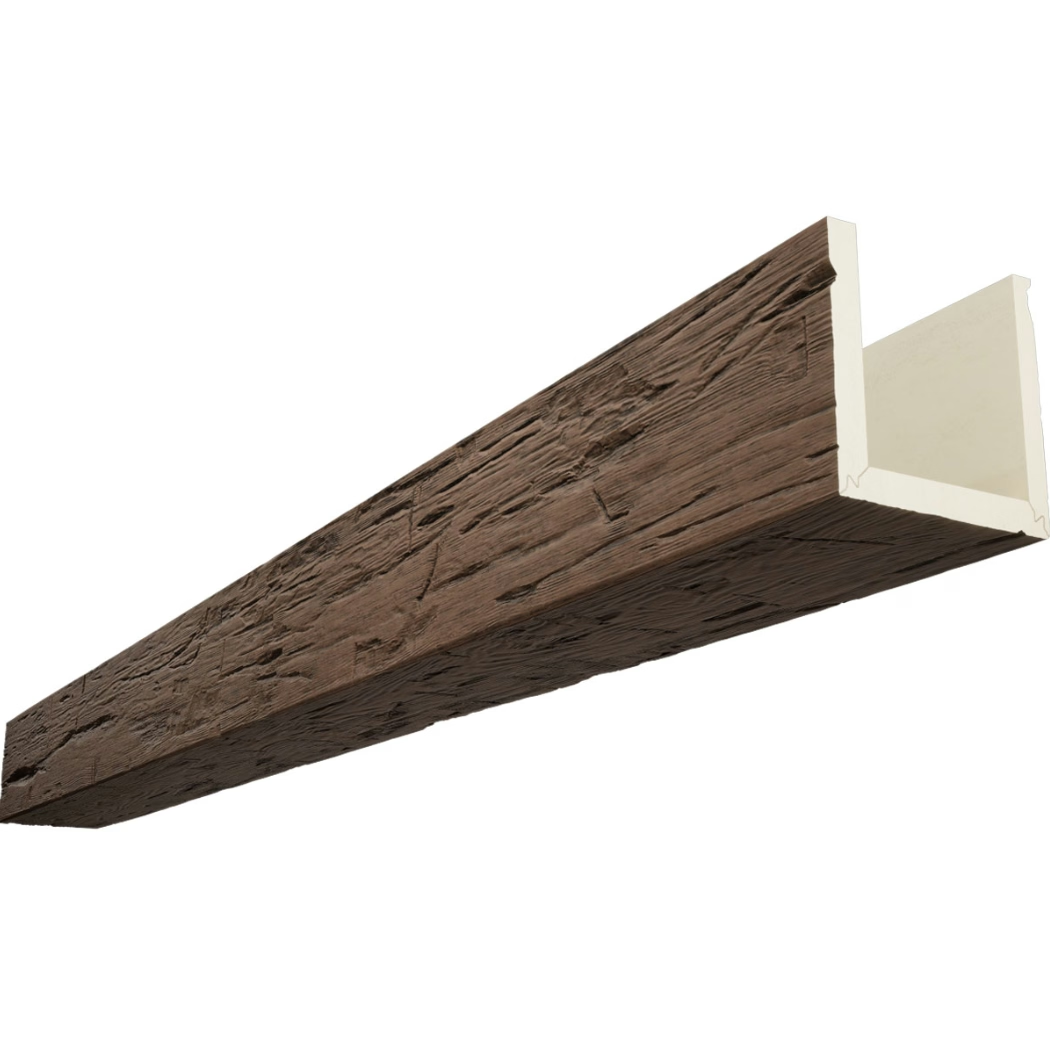
Manufacturers produce polyurethane faux timber beams through an injection molding or extrusion process that creates a homogeneous material throughout. Unlike natural wood with its variable grain structure and moisture content, PU faux beams offer consistent density and composition across every linear foot. This uniformity translates directly into predictable performance—the material responds identically to temperature changes, moisture exposure, and mechanical stress regardless of which section you examine.
The polyurethane compound used in quality faux beam production includes additives specifically selected for marine environments. UV stabilizers prevent the photodegradation that causes fading and chalking in lesser materials. Impact modifiers allow the beams to withstand wind-borne debris without cracking or denting. Antioxidants slow any surface degradation that might occur over decades of exposure. Together, these additives create a material that looks like wood but performs far beyond natural timber limitations in harsh coastal conditions.
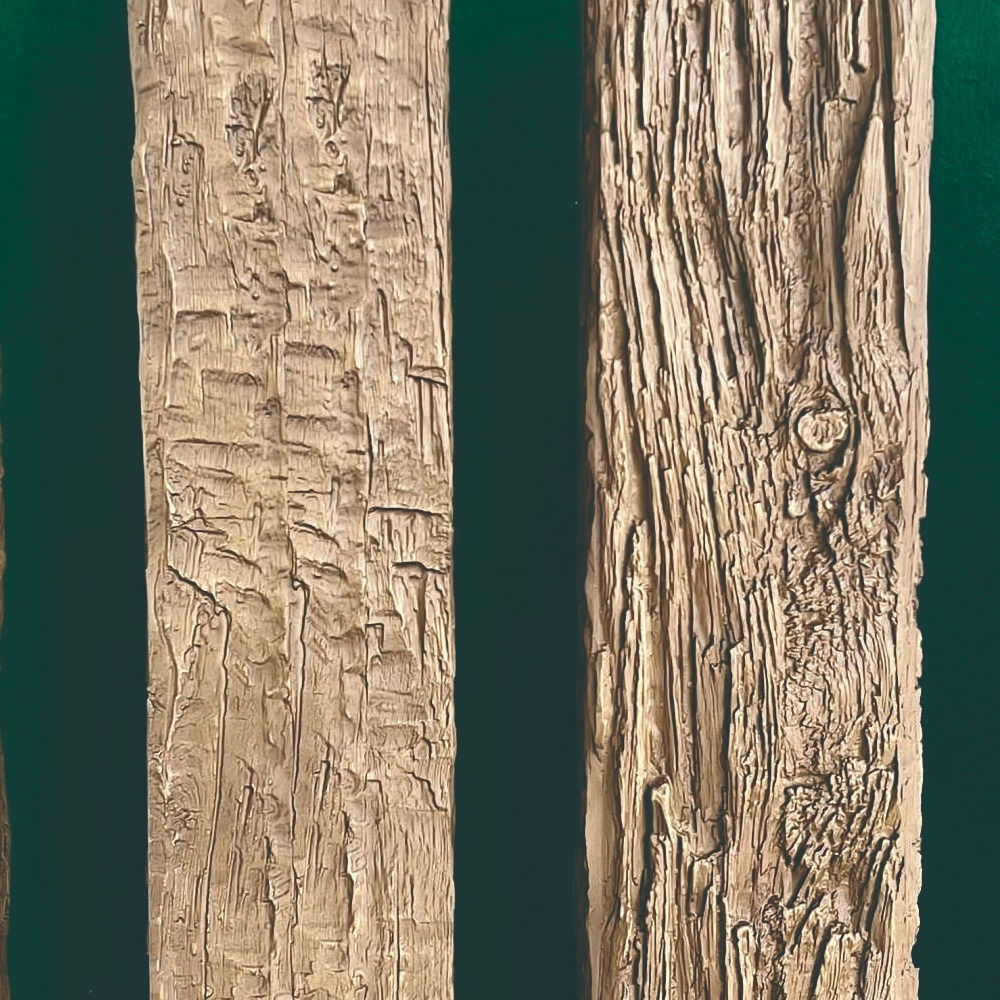
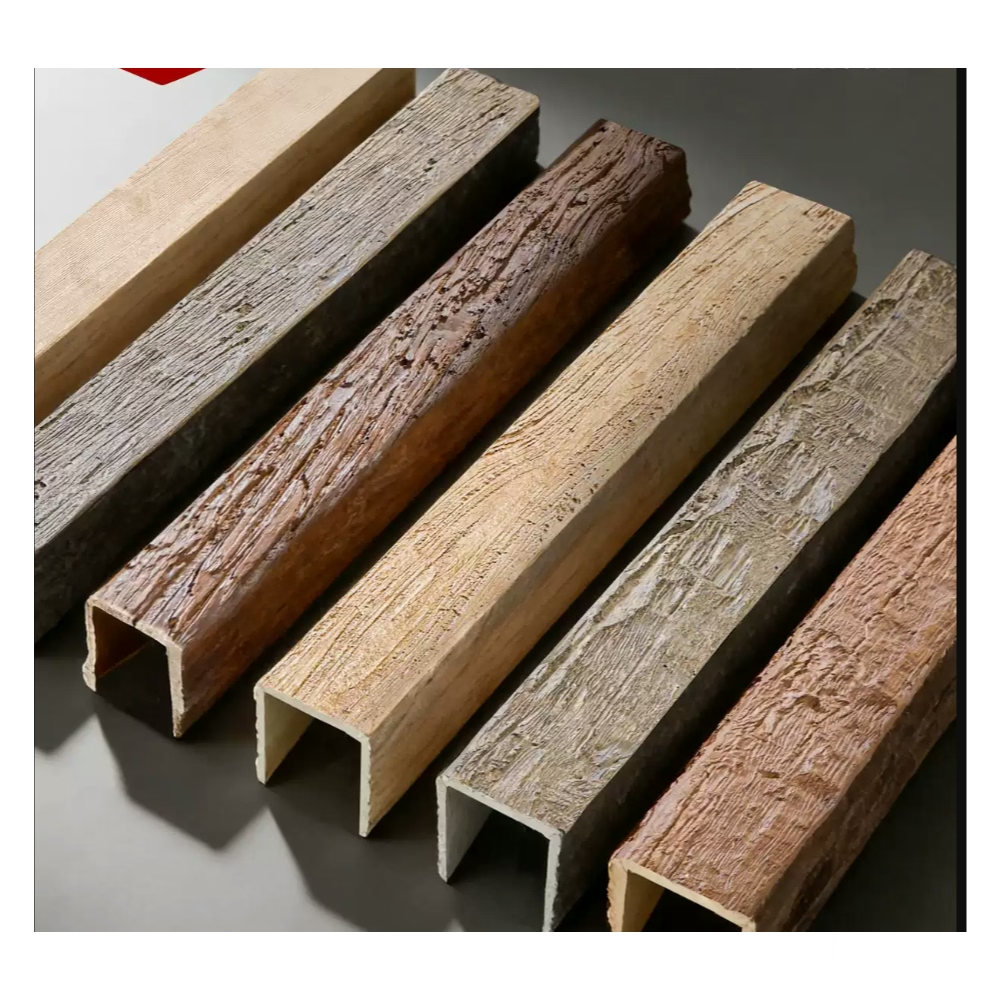
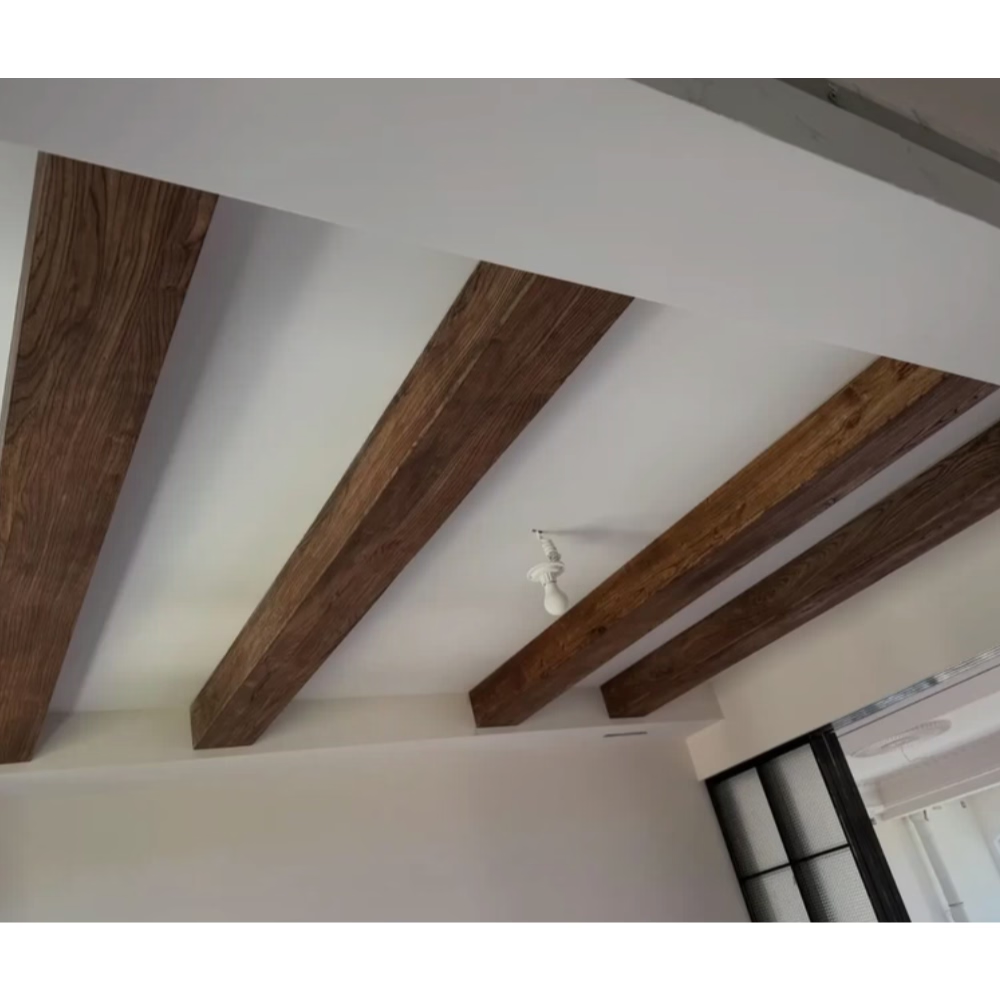
The surface texture of PU faux beams captures the visual depth and character of natural wood grain. Advanced manufacturing techniques create realistic knot patterns, growth rings, and color variations that satisfy even discerning design professionals. Homeowners installing these beams on their beach house porches frequently report that guests cannot distinguish the faux material from genuine timber without close inspection. This aesthetic fidelity matters for design integrity—coastal architecture often emphasizes warmth and natural materials, and the beams must contribute to this atmosphere rather than appearing as obvious substitutes.
Installation Considerations for Exterior Coastal Applications
Successful exterior installation of PU faux beams in coastal settings requires attention to a few key factors that differ from inland projects. The mounting system must account for potential wind loads that exceed inland conditions—coastal properties experience higher average wind speeds and occasional severe storms that stress all exterior elements. Structural backing should extend to solid framing members capable of withstanding these enhanced loads. The faux beams themselves can be lighter than natural timber, but their mounting infrastructure must be appropriately robust.
Ventilation around installed beams prevents heat buildup that might affect the polyurethane in direct sun exposure. Coastal locations often feature south and west-facing exposures with intense sunlight, and while quality PU beams include UV inhibitors, proper installation technique includes small gaps that allow air circulation. This practice extends the already-long service life of the material while preventing any potential heat-related issues during extreme summer conditions.
Fastener selection deserves careful consideration in coastal applications. Stainless steel hardware prevents the galvanic corrosion that occurs when dissimilar metals contact each other in salty conditions. Even with faux beams that won't corrode, the fasteners connecting them to structures must survive the same environmental conditions as the building itself. Grade 316 stainless steel offers the highest corrosion resistance available for coastal applications and represents a worthwhile investment in long-term project durability.
Design Applications for Coastal Beach House Exteriors
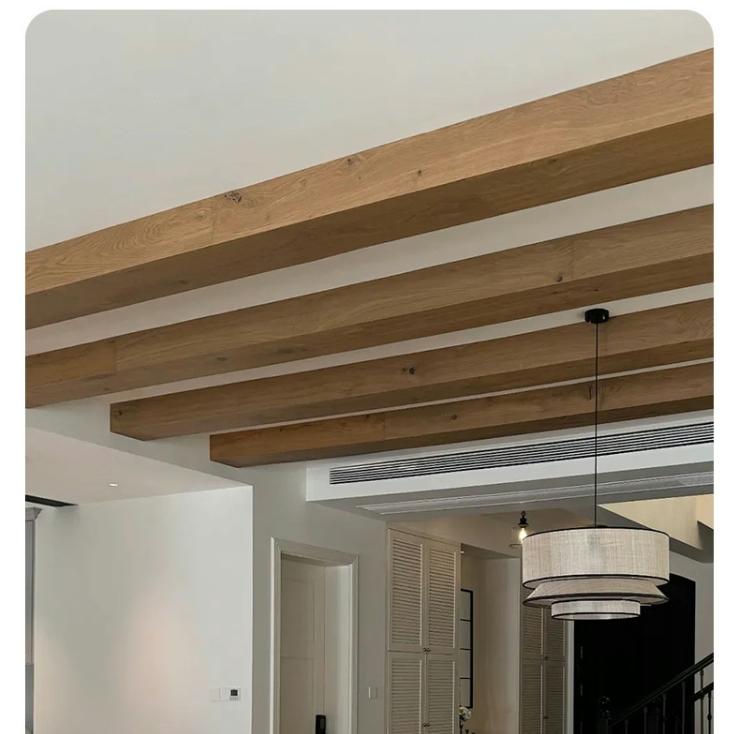
Covered porches define much of coastal residential architecture, providing shade, weather protection, and outdoor living space. PU faux timber beams work beautifully as structural and decorative elements in these designs. Exposed beam ceilings with visible structural members create the rustic warmth that beach house interiors and exteriors both benefit from. The beams can span significant distances while remaining straight and true—unlike natural timber that might develop bows, cups, or twists over time.
Pergolas present another ideal application for coastal faux beams. These open-roof structures define outdoor rooms while allowing light and air circulation. Natural wood pergolas in coastal settings quickly show the effects of salt exposure, requiring regular maintenance or eventual replacement. PU faux beams maintain their appearance indefinitely while providing the same visual effect and functional definition. Homeowners can install pergolas in prominent landscape locations without worrying about deterioration affecting their investment.
Gable ends and dormers frequently incorporate decorative timber elements that frame coastal views. PU faux beams serve these applications equally well, providing the traditional aesthetic while eliminating maintenance concerns. Decorative rafter tails, beam corbels, and support brackets can all be manufactured in polyurethane, allowing complete design continuity throughout the exterior. This coherence matters for projects seeking authentic coastal character—the details must read correctly, and synthetic materials that don't quite match create visual dissonance.

Architectural trim elements benefit equally from polyurethane's durability advantages. Window headers, door surrounds, and corner boards constructed from PU faux materials maintain sharp edges and clean lines despite coastal exposure. Traditional wood trim requires frequent painting and repair in these conditions, while polyurethane versions simply persist with minimal attention. This reliability appeals to both individual homeowners and property management companies responsible for maintaining vacation rentals and coastal commercial properties.
Long-Term Value Analysis for Coastal Projects
When evaluating materials for coastal exterior applications, honest accounting must consider more than initial purchase price. Natural wood involves ongoing costs for inspection, maintenance, repairs, and eventual replacement that compound over the structure's lifetime. A material that costs slightly more upfront but eliminates decades of maintenance expenses often proves more economical in total ownership cost. PU faux beams typically realize this advantage within ten to fifteen years, with the remaining decades of service representing pure savings.
Property value considerations also favor low-maintenance exterior materials in coastal real estate markets. Vacation homes and primary residences in beach communities often sit vacant for extended periods, making regular maintenance impractical. Properties featuring materials requiring constant attention become less attractive to potential buyers who understand the obligations involved. Faux timber beams signal thoughtful material selection and long-term thinking, potentially enhancing resale value and marketability.
Insurance implications occasionally favor manufactured materials over natural wood in coastal properties. Some carriers recognize the reduced fire risk and structural reliability of modern synthetic materials when calculating premiums. While this benefit varies by carrier and location, it represents another factor in the comprehensive value analysis that serious buyers and builders undertake for coastal projects.
The environmental calculus also deserves consideration. While natural wood offers renewability advantages, the multiple replacement cycles required in coastal applications consume resources over time. A single installation of quality PU faux beams, regardless of its petroleum-based origins, may ultimately represent a smaller environmental footprint than repeated natural wood replacement cycles involving harvesting, manufacturing, transportation, and disposal. This balance depends on specific materials and applications but merits consideration in environmentally-conscious building decisions.
Making the Coastal Faux Beam Decision
Coastal construction and renovation projects benefit substantially from the material advances represented by polyurethane faux timber beams. These products deliver authentic timber aesthetics while eliminating the deterioration that makes natural wood impractical in salt-air environments. For architects, builders, and homeowners seeking warm wood appearances in beach house applications, PU faux beams offer the best of both worlds: beautiful results and lasting performance.
Evaluating specific project requirements and design goals helps determine optimal applications for these materials. Professional consultation with suppliers experienced in coastal installations provides valuable guidance for fastener selection, installation techniques, and product choices appropriate to each unique location. The investment in proper specification and installation pays dividends throughout the service life of the project, delivering enduring satisfaction with coastal building investments.
Technical References
ASTM standards cited in every specification
Test Data
Lab results from internal testing program
Updated 2026
Reviewed against current product specs