
The Danish concept of hygge has captured international attention for good reason. At its core, hygge describes an approach to living that prioritizes comfort, warmth, and genuine connection within domestic spaces. It celebrates the simple pleasures of gathering with loved ones, enjoying good food, and creating environments that nurture wellbeing. Unlike design philosophies that emphasize visual impact or status signaling, hygge seeks spaces that feel like embraces—rooms that welcome you after a long day rather than impress visitors with their sophistication.
Timber elements feature prominently in hygge-inspired interiors because wood embodies the warmth and natural authenticity that the philosophy values. The organic textures, warm tones, and tactile qualities of timber create exactly the atmosphere hygge追求追求. Yet genuine timber in European interiors faces practical challenges: cost, installation complexity, and ongoing maintenance requirements that conflict with the unhurried, stress-free lifestyle hygge advocates. This tension has opened opportunities for polyurethane faux timber beams to contribute their authentic appearance and practical advantages to Nordic-influenced spaces worldwide.
Understanding Hygge Aesthetics in Interior Design
Hygge interiors share recognizable characteristics that distinguish them from other design approaches. Warm, muted color palettes dominate, featuring creams, soft grays, warm browns, and touches of burgundy or forest green. These colors create calm, settled atmospheres that encourage relaxation rather than stimulation. Lighting typically emphasizes ambient sources—table lamps, floor lamps, candlelight—rather than harsh overhead illumination. The goal is creating pools of warm light that define intimate zones within larger spaces.
Natural materials appear throughout hygge interiors, not as status symbols but as connections to the organic world. Wool textiles, leather accents, ceramic vessels, and living plants all contribute their natural textures and honest materials. Timber beams and paneling fit seamlessly into this material language, adding warmth and visual interest without demanding attention. The goal is creating environments that feel grounded and authentic, spaces that don't try to impress but simply welcome.
Furniture in hygge interiors prioritizes comfort and conversation over visual drama. Deep sofas, oversized armchairs, and low tables encourage gathering and lingering. Coffee tables often display books, candles, and small plants that invite examination and touch. The overall effect prioritizes human experience over interior design trends—hygge spaces feel inhabited and personal rather than magazine-photographed and sterile.

PU faux timber beams contribute to this atmosphere through their authentic wood appearance and warm color options. Light pine and birch finishes complement the muted color palettes typical of Scandinavian interiors, adding architectural interest without overwhelming the overall composition. The beams create visual ceiling interest that draws the eye upward while framing the room's warmth below, contributing to the sense of enclosure and intimacy that hygge spaces require.
Selecting Appropriate Beam Styles for Nordic Interiors
Hygge-appropriate faux timber beams favor simpler profiles over ornate Victorian or heavily carved alternatives. Clean-lined box beams, minimalist planks, and understated structural profiles match the restraint that characterizes Scandinavian design. Elaborate corbels, pronounced crown moldings, and aggressive distressing conflict with the quiet elegance that Nordic aesthetics pursue. Selecting beams with subtle grain textures rather than dramatic wood patterns aligns better with the understated sophistication these interiors require.
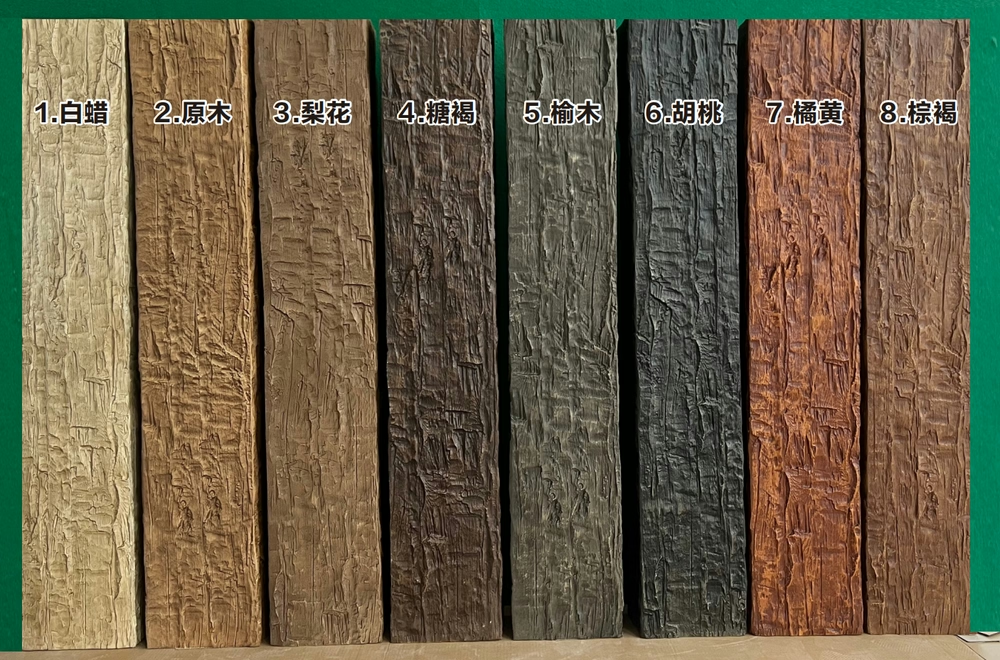
Color selection for hygge applications typically leans toward lighter wood tones. Natural pine, bleached oak, and light ash finishes appear more frequently than the dark walnut and rich mahogany tones common in other design styles. These lighter options reflect ambient light throughout the space rather than absorbing it, contributing to the bright but warm atmosphere that hygge interiors prize. Some projects pursue completely white or cream beams that read more as architectural elements than wood imitations—a valid interpretation that suits minimalist Nordic spaces.
Beam scale must relate appropriately to room dimensions. Oversized beams that overwhelm modest ceilings create visual imbalance rather than the grounded comfort hygge seeks. Conversely, beams too small for substantial rooms fail to provide the architectural presence that justifies their installation. Measuring rooms carefully and selecting beam depths and widths that maintain proportional relationships ensures results that feel intentional rather than accidental.
Integration Strategies for Faux Beams in European Homes
Ceiling beams serve different functions in various room types, and hygge-appropriate installation should reflect these differences. Living rooms benefit from beams that define conversation zones without breaking sightlines across the entire space. A series of parallel beams across a living room ceiling can create intimate subspaces within larger open areas, enhancing the gathering-focused arrangements hygge furniture layouts prefer.
Bedroom installations typically favor more restrained approaches. A single prominent beam across the ceiling's centerline creates focal interest without overwhelming the sleeping space. Alternatively, beams arranged in a grid pattern can define the bed zone as a distinct area within the room, reinforcing the sense of sanctuary that bedrooms require for proper hygge atmosphere.
Kitchens present opportunities for more substantial beam installations that separate functional zones while maintaining visual continuity. Beams over islands and dining areas create warmth in spaces that might otherwise feel purely utilitarian. The warmth of timber counterbalances the stainless steel and stone surfaces typical of European kitchen design, bridging the gap between cooking functionality and domestic comfort.
Practical Advantages of Faux Materials for Nordic Lifestyles
The practical lifestyle implications of material choices matter in hygge-influenced design. Genuine timber requires attention and care that conflicts with the low-stress, unhurried atmosphere hygge advocates. Regular inspection, periodic refinishing, and environmental monitoring all demand mental energy that could be directed toward more satisfying activities. PU faux timber beams eliminate these obligations, maintaining their appearance indefinitely without requiring any maintenance beyond occasional dusting.
Moisture sensitivity presents particular challenges in northern European climates where humidity varies substantially between seasons. Natural timber expands and contracts with these changes, potentially developing gaps, squeaks, or visible movement that disturbs the settled atmosphere hygge seeks. Polyurethane's dimensional stability ensures that faux beams remain precisely as installed regardless of seasonal humidity swings, contributing to the sense of permanence and stability that comfortable homes require.
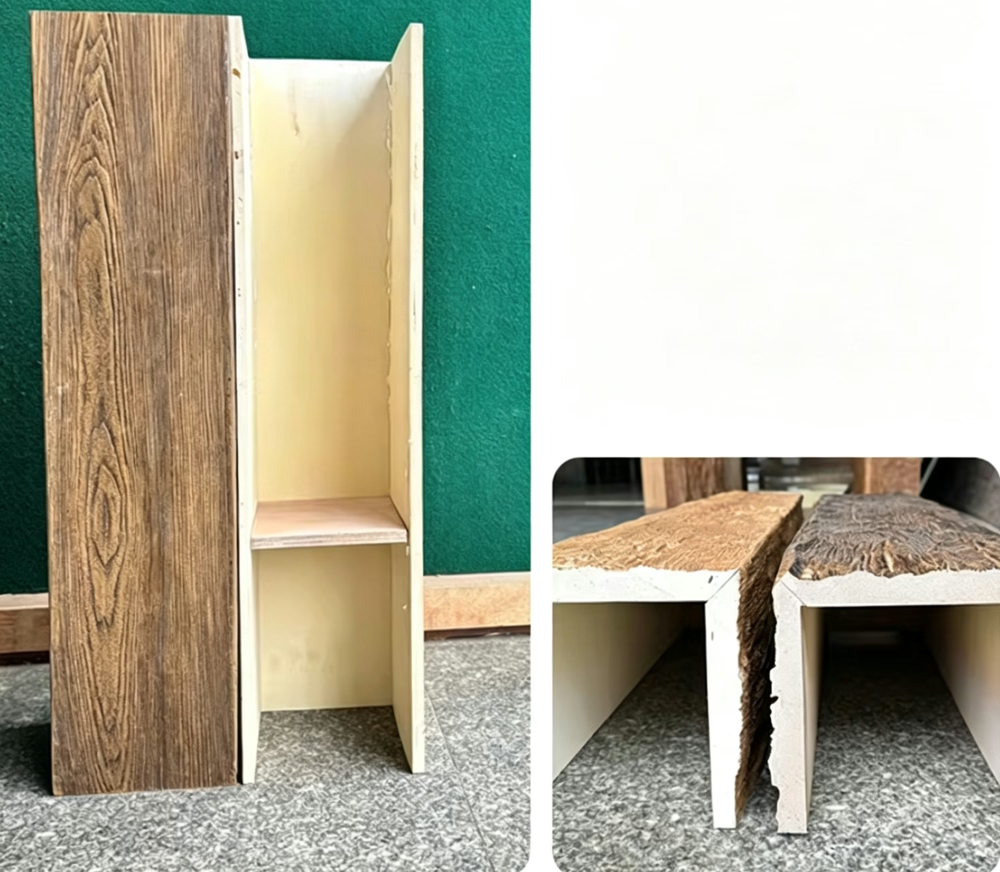
Installation simplicity also aligns with hygge values. Natural timber beams often require professional installation involving structural engineers, specialized equipment, and extended timelines. PU faux options install quickly with basic tools, allowing renovation projects to proceed without the disruption and complexity that extensive construction typically involves. The reduced project stress contributes to the overall wellbeing that hygge design ultimately seeks to promote.
Creating Cohesive Hygge Atmospheres with Faux Timber
Successfully incorporating faux timber beams into hygge interiors requires thoughtful attention to how these elements interact with surrounding design elements. Textile choices should complement rather than compete with beam warmth. Neutral wool throws, linen cushions, and cotton curtains allow beam wood tones to read clearly without competing visual elements. Introducing too many patterns or competing wood tones creates visual confusion that undermines the calm hygge spaces require.
Lighting design deserves particular attention when beams are installed. The interplay between beam shadows and artificial light creates atmosphere that either enhances or undermines hygge intentions. Warm LED bulbs in visible fixtures, strategically positioned table lamps, and carefully placed candlelight all contribute to the layered illumination hygge interiors prize. Beams become participants in this lighting composition, catching and reflecting light to create the warm pools of illumination that define intimate zones.
Artwork and accessories in hygge spaces tend toward personal, meaningful pieces rather than generic decorative items. Family photographs, travel souvenirs, and handmade objects carry stories that contribute to the sense of personal history hygge values. These objects should be positioned to complement rather than compete with beam installations. A gallery wall adjacent to beams creates visual conversation between personal expression and architectural warmth, reinforcing the layered, collected atmosphere that hygge interiors achieve.
The international reach of hygge design philosophy has created demand for its aesthetic principles across diverse geographic and cultural contexts. PU faux timber beams serve this demand effectively, providing accessible wood aesthetics that enable hygge-inspired spaces regardless of climate, budget, or maintenance capacity. Whether in Copenhagen apartments, London townhouses, or American homes influenced by Scandinavian principles, these beams contribute warmth and authenticity that aligns perfectly with the philosophy's core values.
Technical References
ASTM standards cited in every specification
Test Data
Lab results from internal testing program
Updated 2026
Reviewed against current product specs


