
The hospitality and retail industries present uniquely demanding conditions for interior finishes. Unlike residential spaces where a handful of occupants treat materials with the care of homeowners, commercial environments subject every surface to relentless use, accidental impacts, and continuous traffic. Hotel lobbies endure luggage, service carts, and hundreds of guests daily. Retail spaces face shopping carts, display adjustments, and constant merchandise movement. Restaurant ceilings absorb steam, vibrations from music systems, and the occasional impact from serving trays or decorations. Materials that thrive in these conditions must be engineered for durability first, with aesthetics as a secondary consideration.
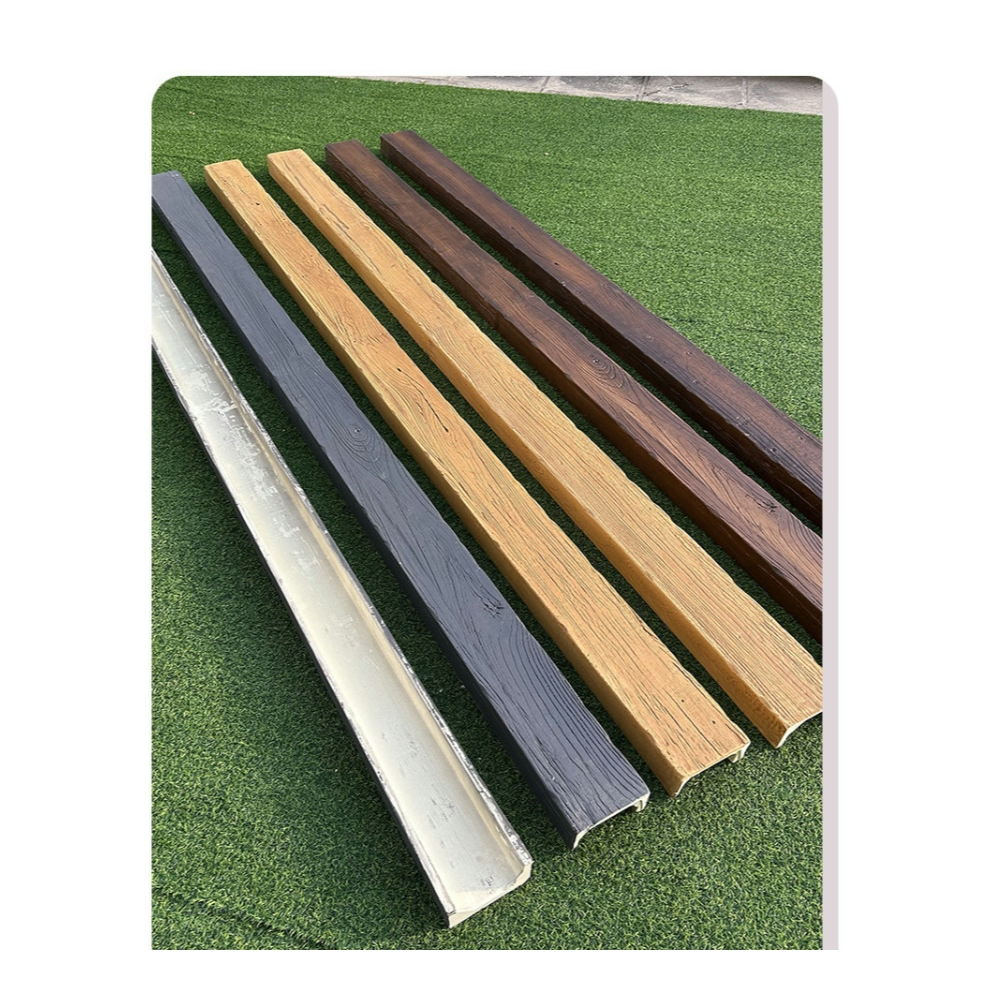
Polyurethane faux timber beams have emerged as preferred solutions for these demanding commercial applications. The material's inherent toughness combines with manufacturing advances to produce beams that maintain their appearance despite conditions that would quickly damage natural wood or lesser synthetic alternatives. Understanding the specific challenges commercial environments pose—and how PU faux technology addresses them—helps designers and property owners specify appropriate products for their hospitality and retail projects.
The Demanding Reality of Commercial Environments
High-traffic commercial spaces face a continuous assault on interior finishes that accelerates wear far beyond residential expectations. Physical contact with ceilings occurs surprisingly frequently in these environments. Store employees moving merchandise, maintenance workers accessing fixtures, and even guests reaching for phones or cameras create contact points where damage accumulates. Natural wood surfaces show scratches, dents, and wear patterns within months of exposure to this traffic. Less durable synthetic alternatives fare similarly poorly.
Impact events in commercial spaces exceed what residential environments typically experience. Hospitality venues host events where balloons, decorations, and even furniture occasionally contact ceiling beams. Retail environments see regular collisions from ladders, rolling displays, and high shelving operations. Restaurant ceilings must withstand steam, heat, and the occasional airborne object from below. Each impact creates potential for visible damage that diminishes the space's aesthetic quality and suggests neglect or deterioration.
Maintenance intensity in commercial settings also differs dramatically from residential contexts. Residential wood beams might receive annual attention from homeowners who clean, inspect, and touch up finishes as needed. Commercial spaces face weekly or even daily cleaning regimens using stronger chemicals, more abrasive techniques, and less gentle handling. Finishes that cannot withstand commercial cleaning requirements deteriorate rapidly, requiring expensive refinishing or replacement.
PU Material Engineering for Commercial Durability
Polyurethane's molecular structure provides the foundation for commercial-grade durability in faux timber beams. The material achieves hardness levels that resist scratching from routine contact while maintaining enough flexibility to absorb impact energy without cracking. This balance distinguishes quality PU beams from brittle plastics that shatter under impact or soft materials that scratch easily.
Surface coatings applied during manufacturing enhance the base material's performance characteristics. These finishes create barriers that resist chemical attack from cleaning agents while providing additional scratch resistance. UV-stable coatings prevent fading and chalking that would dull appearances in sun-exposed locations. Some manufacturers incorporate antimicrobial additives that inhibit bacterial growth—a valuable feature for food service and healthcare-adjacent retail applications.
Density variations across beam products affect durability characteristics significantly. Higher-density formulations resist impact and scratching more effectively but increase material weight and cost. Premium commercial products typically employ higher densities than residential alternatives, providing the durability commercial applications require. Understanding density specifications helps purchasers select products appropriate for their specific traffic and use patterns.

Retail Applications and Performance Requirements
Retail environments encompass diverse conditions that affect beam specification. Fashion boutiques seeking sophisticated atmospheres typically specify beams in prominent ceiling locations where appearance directly affects brand perception. These spaces benefit from premium faux timber products with authentic wood grain textures and careful color matching. Scratch resistance matters because retail employees constantly access overhead merchandise and adjust displays.
Warehouse retail spaces face different challenges despite also serving retail functions. Higher ceilings, industrial lighting, and rougher traffic patterns characterize these environments. Faux beams in these locations must withstand more aggressive conditions while maintaining appearances in typically less controlled lighting. Products with enhanced durability ratings suit these applications, with specification focusing on performance over premium aesthetics.
Grocery and food retail presents additional considerations around humidity, temperature variation, and food-related residue. Steam from fresh food sections, refrigeration equipment cycling, and regular cleaning with water or cleaning solutions all challenge ceiling materials. PU faux beams resist moisture absorption and temperature-related movement that would affect natural wood, making them practical choices for these challenging applications.
Hospitality Venue Specifications
Hotel lobbies and common areas require beams that maintain appearance despite enormous traffic volumes. These spaces often serve as first impressions for arriving guests, making aesthetic quality essential. Simultaneously, luggage carts, service equipment, and continuous guest movement create durability demands that few materials satisfy well. PU faux beams successfully navigate this balance, providing the warm timber aesthetics that hotels desire while delivering the durability commercial traffic requires.
Ballrooms and event spaces present particularly challenging applications because of the activities they host. Decorating crews access ceilings to hang lighting, banners, and decorations. Events bring crowds of people in formal attire who may look upward frequently. The occasional collision from ladders, equipment, or decorations can damage lesser materials. Quality PU faux beams installed in these spaces maintain appearances despite the abuse, contributing to the polished environments event venues require.
Restaurant and bar ceilings face steam, heat, vibrations, and airborne food particles in addition to standard hospitality traffic. Natural wood in these environments quickly shows moisture damage, staining, and finish deterioration. PU faux alternatives resist these challenges effectively, maintaining their appearance through years of service without specialized maintenance. The material's sound-dampening characteristics also benefit acoustic performance in dining environments where noise management affects guest experience.
Selecting Appropriate Commercial Products
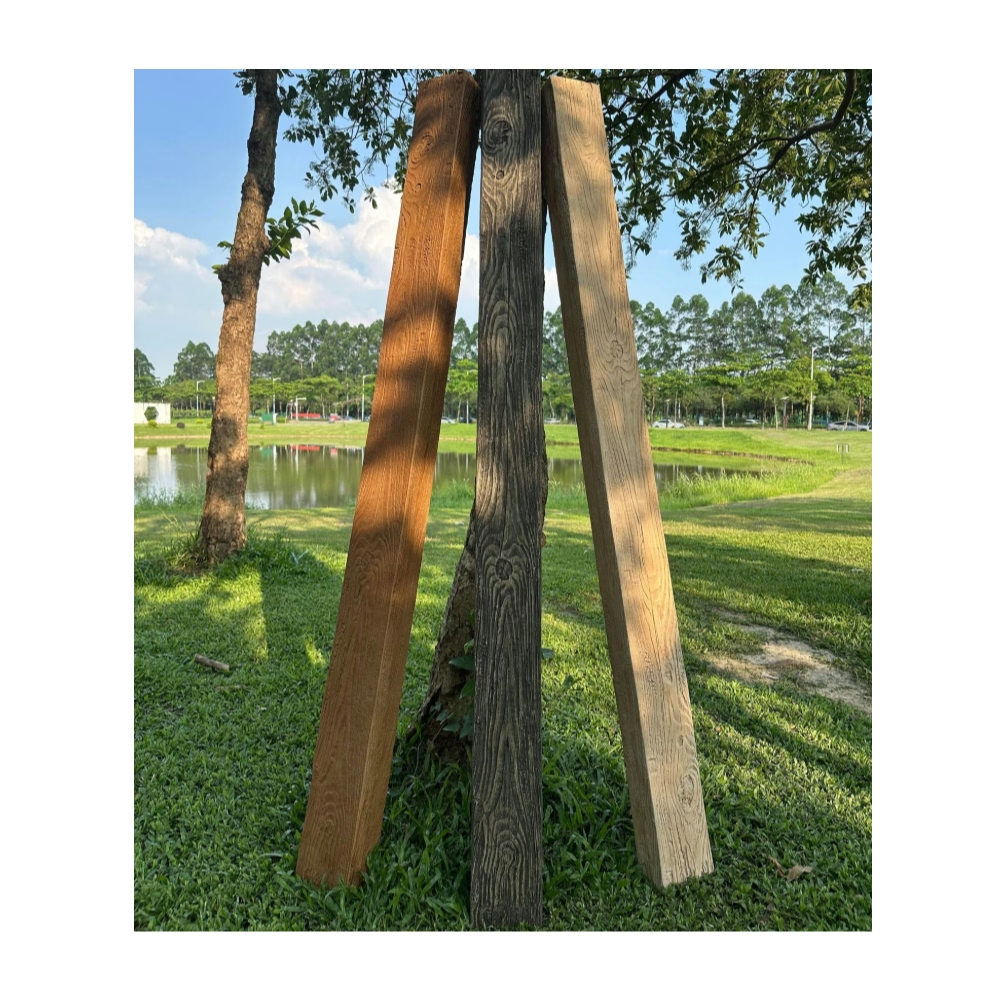
Commercial-grade specification requires evaluating products against specific performance criteria rather than assuming residential products will suffice. Impact resistance ratings indicate how well beams withstand sudden contact without damage. Scratch resistance specifications relate to surface hardness and coating quality. Chemical resistance becomes critical in environments with regular cleaning or food preparation activities.
Warranty terms provide manufacturer confidence indicators that inform specification decisions. Residential warranties typically do not cover commercial applications, making appropriate commercial warranties essential for business installations. Length of warranty coverage, covered damage types, and support responsiveness all vary across manufacturers. Products backed by substantial warranties often represent better long-term value despite higher initial costs.
Fire ratings affect specification for many commercial applications. Building codes frequently require specific flame spread ratings for interior finishes in commercial construction. Quality PU faux beam manufacturers test their products to established standards, providing documentation that building officials and designers require. Ensuring that selected products meet applicable code requirements prevents costly delays and modifications during permitting and inspection.
Long-Term Performance and Maintenance
Commercial environments benefit from understanding proper maintenance procedures for PU faux beams. While the material requires far less attention than natural wood, appropriate cleaning extends appearance life and maintains aesthetic quality. Soft cloths, mild detergents, and non-abrasive cleaning techniques preserve surface finishes without introducing damage. Understanding these simple requirements helps maintenance staff keep beams looking their best.
Repair capabilities for damaged beams vary by product and damage type. Minor scratches sometimes respond to heat treatment that allows surface material to flow back together. Deeper damage may require patching with compatible materials or, in severe cases, section replacement. Knowing repair options helps facility managers plan for contingencies while understanding what damage levels require professional attention.
Replacement planning acknowledges that even the most durable materials eventually require attention. Maintaining spare beam sections from initial installation simplifies future repairs by ensuring exact color and texture matching. Some manufacturers offer replacement services for products they no longer stock, providing another option when original materials are unavailable. Planning for eventual replacement prevents crisis decision-making when damage occurs.
Commercial success with PU faux timber beams results from appropriate specification, quality installation, and informed maintenance. These materials have proven themselves in demanding hospitality and retail environments worldwide, delivering the durability commercial applications require while providing the warm timber aesthetics that enhance guest and customer experience.
Technical References
ASTM standards cited in every specification
Test Data
Lab results from internal testing program
Updated 2026
Reviewed against current product specs


