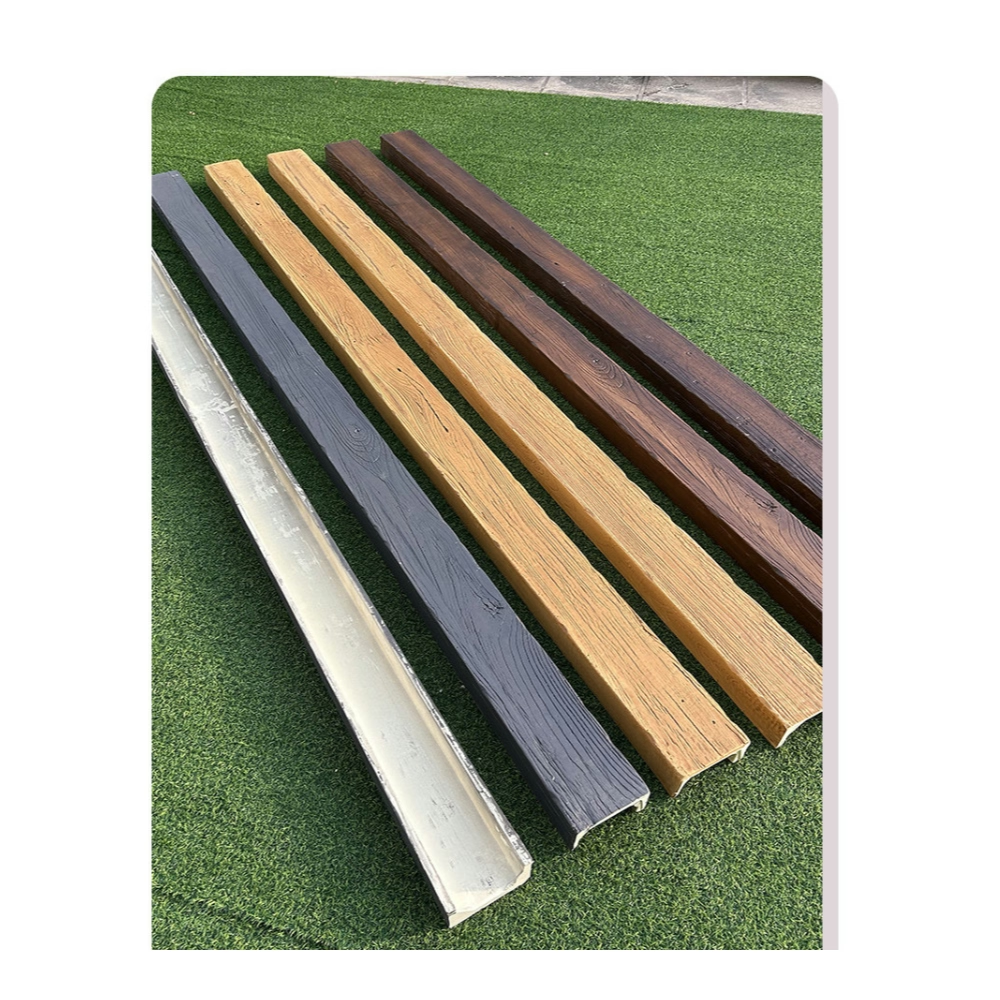
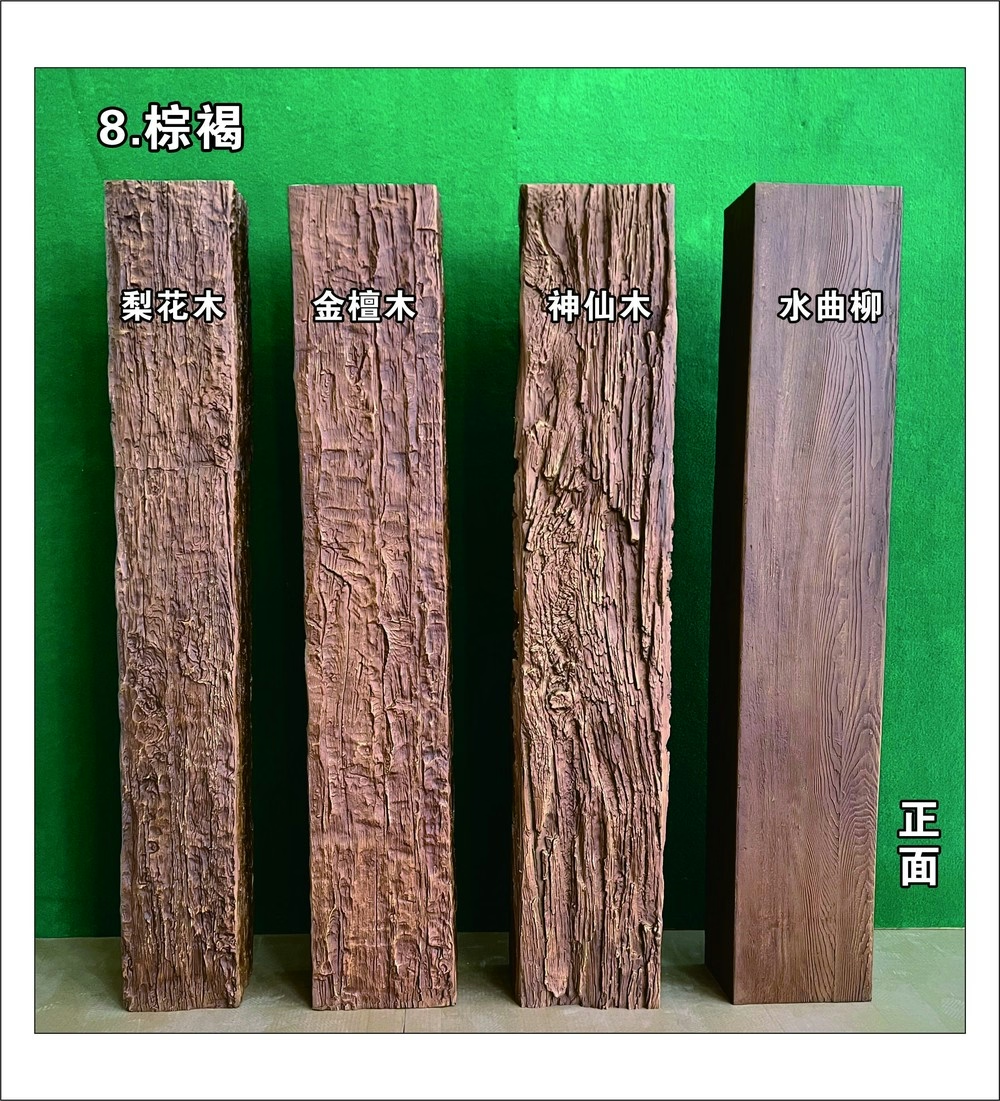
Time is money in renovation projects, and nowhere is this more true than in commercial work where labor costs compound daily. Even residential renovations involve schedules that homeowners care about—holidays approaching, leases ending, events planned. The ability to complete installations quickly while maintaining quality separates successful projects from frustrating delays. For ceiling beam installations, screw-in mounting provides the fastest path from materials to finished result.
The lightweight nature of polyurethane faux beams contributes significantly to installation speed. Natural timber beams weighing thirty to fifty pounds per linear foot require multiple workers, lifting equipment, or at minimum careful two-person handling. PU faux beams typically weigh less than two pounds per linear foot, allowing single-worker handling and positioning. This weight reduction simplifies every aspect of the installation process, from unloading materials to final positioning.
The Efficiency Advantages of Direct Screw Mounting
Direct screw mounting eliminates several steps that other installation methods require. Adhesive installation demands surface preparation, adhesive application, positioning, clamping, and cure time before loads can be applied. Cleat systems require fabricating and installing mounting infrastructure before beams can be placed. Direct screw mounting requires only marking positions, drilling pilot holes, and driving screws—the minimum steps necessary for secure attachment.
The immediate holding power of screws allows continuous workflow without waiting. After positioning a beam and driving the first few screws, work can proceed immediately to make adjustments, drive additional fasteners, and complete the installation. There is no waiting for adhesive to set or for support structures to be positioned and clamped. Each beam installs completely before moving to the next, eliminating the parallel tasks that other methods require.
Accessibility to mounting locations improves with screw installation because no equipment must fit alongside beams during the process. Adhesive application often requires working from angles that access the full beam width. Screw installation focuses at discrete points along the beam's centerline, requiring less clearance for tools and hands. This accessibility advantage speeds work in tight spaces and reduces the contortion that makes some installations uncomfortable.
Preparation Steps That Enable Fast Installation
Gathering all materials and tools before beginning prevents workflow interruptions. Required items include appropriate screws, drill and driver bits, level, measuring tape, pencil or marker, and safety equipment. For longer runs, a helper to hold beam ends while positioning accelerates work significantly. Having everything organized and accessible means work proceeds continuously rather than pausing for tool or material retrieval.
Layout marking before any beams are positioned ensures that the first installation proceeds without adjustment. Finding that a beam doesn't align properly after adhesive has been applied creates problems that consume far more time than the marking step would have required. Taking time to measure twice at the beginning prevents the frustration and delay of measuring again after problems appear.
Pre-drilling pilot holes while beams are still accessible from below prevents the awkward positioning that drilling overhead after beam placement requires. With beams positioned against ceiling surfaces, marking hole locations and drilling from stable positions below proves faster than working overhead with beams already in place. This preparation step separates professional installers from amateurs who discover positioning challenges only after commitment.

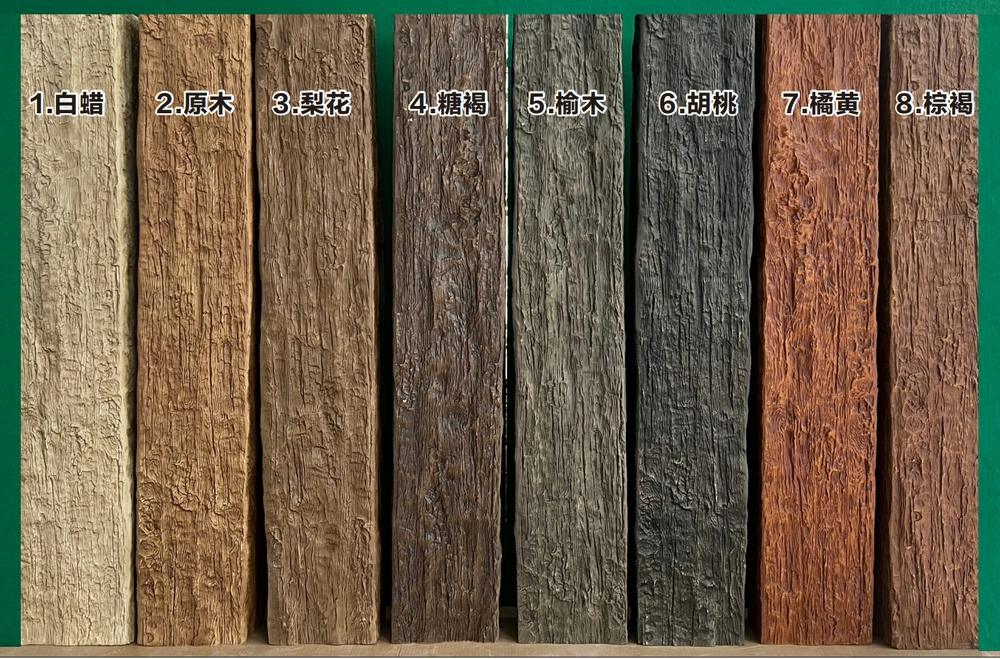
Screw Selection for Different Substrates
Wood framing substrates accept standard construction screws with excellent holding power. Coarse-thread screws designed for wood provide rapid engagement and strong bonds. Length should be sufficient to penetrate framing members by at least an inch beyond the beam thickness. The holding power of wood screws increases with thread engagement, so longer screws in appropriate contexts provide more security than short ones.
Steel framing requires different fasteners designed for metal connection. Self-drilling screws with drill-point tips penetrate steel without pre-drilling in many cases. For heavier steel sections, pre-drilling and using machine screws with nuts provides the necessary engagement. The choice between fastener types should be made based on actual substrate materials encountered.
Concrete and masonry substrates require specialized anchoring systems. Concrete screws provide mechanical expansion anchoring when pilot holes are drilled and screws driven. Expansion anchors with appropriate adhesive provide highest loads in critical applications. Understanding the specific substrate and load requirements prevents fastener failures that would require remediation.
Techniques for Professional Results at Speed
Maintaining level and alignment requires attention throughout the installation process rather than correction at the end. Checking level after each beam placement catches problems while adjustment remains easy. Adjusting as you go prevents accumulating errors that become difficult to correct later. The time spent checking is far less than the time required for remediation.
Counterboring screw heads allows filling and finishing that conceals fasteners completely. This finishing step adds a small amount of time but dramatically improves the finished appearance. The visual improvement often matters more than the installation itself, making this step worthwhile despite its additional effort.
Working systematically from one end of the installation to the other maintains organization and ensures complete coverage. Backing into corners or working in multiple directions increases the likelihood of missed sections or alignment inconsistencies. A clear sequence that covers all mounting locations prevents the re-checking that irregular work patterns require.
For projects with multiple identical beams, using jigs and templates accelerates repetitive operations. Marking hole patterns on templates allows rapid transfer to each beam without re-measuring. Clamping templates in position for drilling ensures consistency across multiple pieces. These fixtures cost little time to create but save substantial time when the same operation repeats multiple times.
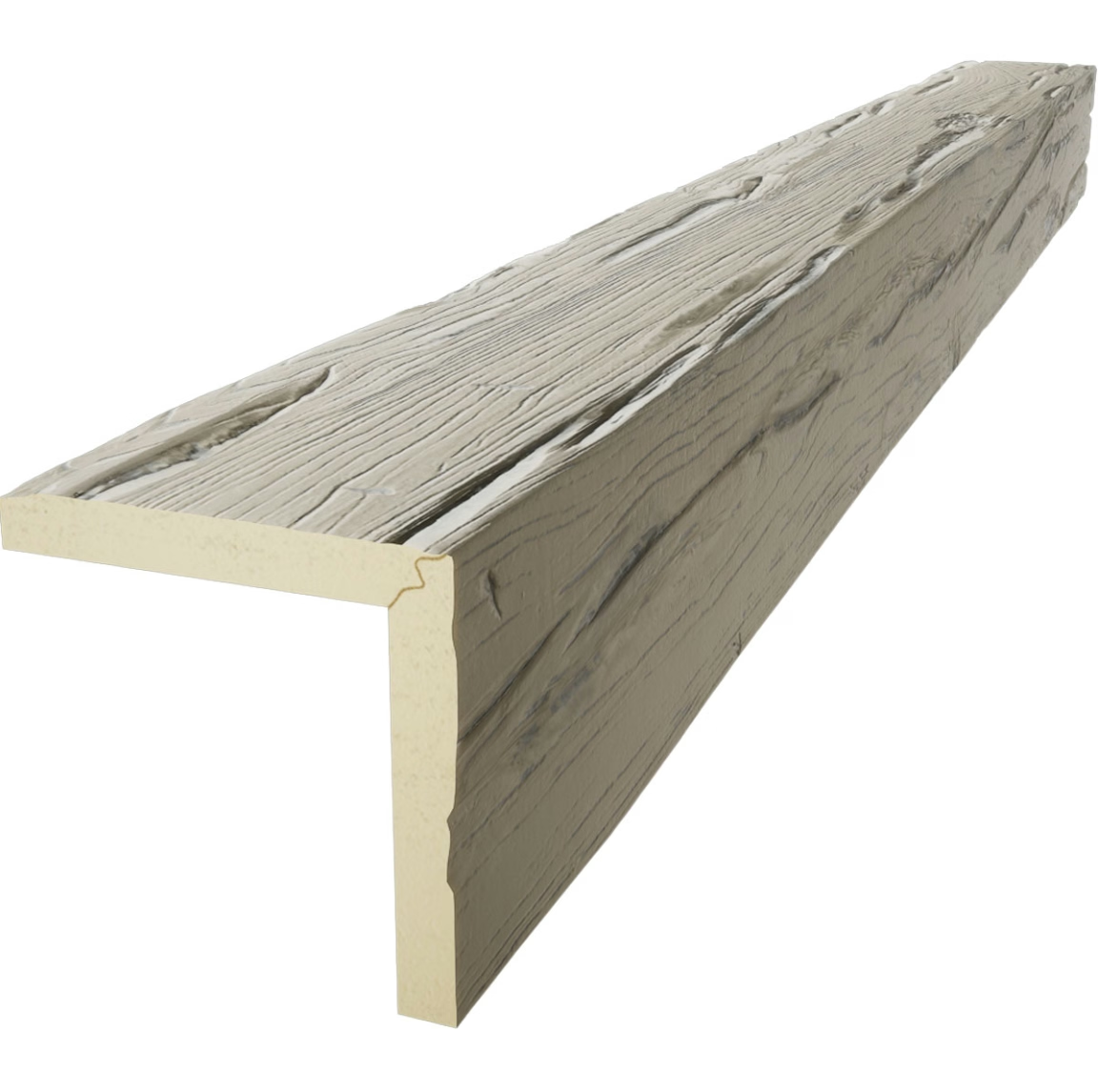
When Speed Should Be Compromised
Certain conditions warrant slower installation methods despite the efficiency advantages of screw mounting. Very smooth or low-density substrates may not provide adequate holding power for direct screws, requiring adhesive backup or alternative mounting systems. Extremely heavy beam designs may exceed the capacity of direct screw mounting, demanding more robust attachment methods.
Critical structural applications where beam failure would create safety concerns deserve more conservative approaches. Screw mounting provides adequate security for typical decorative and architectural applications, but where beams serve structural functions, engineering review and more robust attachment methods protect against consequences of failure.
Moisture-prone environments may affect fastener corrosion over time. In these applications, stainless steel fasteners or adhesive-only mounting might provide longer-term reliability despite reduced installation speed. Evaluating environmental conditions and long-term performance requirements helps determine when efficiency should yield to durability.
The balance between speed and thoroughness ultimately depends on project-specific conditions and priorities. For most applications where screw mounting is appropriate, the time savings translate directly to cost savings and schedule compression that benefit everyone involved. Fast, labor-saving installation makes quality results achievable within realistic project constraints.
Technical References
ASTM standards cited in every specification
Test Data
Lab results from internal testing program
Updated 2026
Reviewed against current product specs