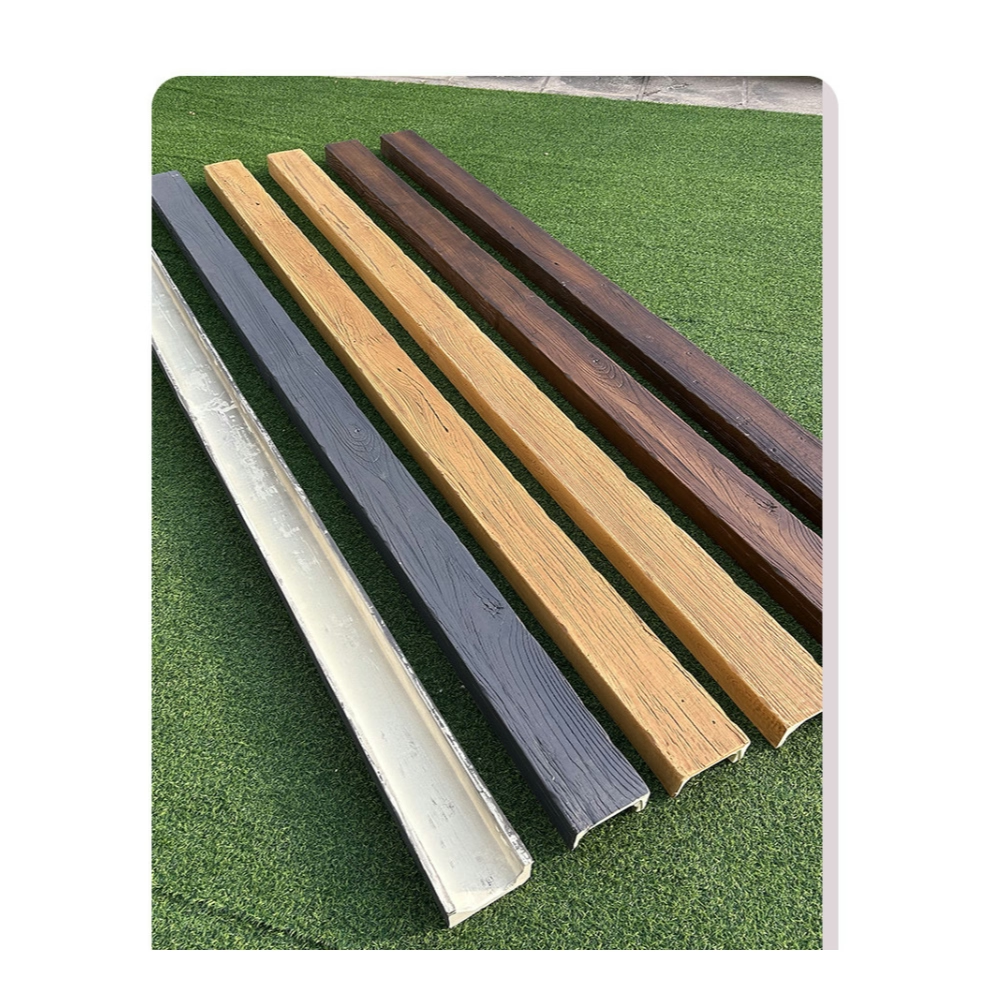
The ends of beams present vulnerabilities that body sections do not. Whether hollow or solid, beam terminations expose interior materials to the environment in ways that continuous surfaces do not. For exterior applications, this vulnerability becomes critical—water finds its way into unprotected ends, and once inside, moisture causes problems that multiply over time. Freeze-thaw cycles, biological growth, and material degradation all follow from water infiltration that beam designers must anticipate and prevent.
End closure caps address this vulnerability directly, providing sealed terminations that prevent moisture entry while maintaining the visual appearance that beam installations require. These accessories have evolved from simple plugs to sophisticated components that integrate with beam aesthetics while providing reliable long-term protection. Understanding how end caps function and how to install them properly ensures that exterior beam installations achieve their intended service lives.
The Vulnerability of Unprotected Beam Ends
Natural wood beams face the most obvious threats from unprotected ends. End grain absorbs moisture at rates far exceeding face grain absorption, creating conditions for rot, checking, and structural degradation. Even pressure-treated timber, rated for ground contact, benefits from end protection that prevents the accelerated deterioration that moisture infiltration causes.
Polyurethane faux beams resist rot and biological degradation inherently, but water infiltration still creates problems. Trapped moisture can cause staining and discoloration that affects appearance. Freeze-thaw cycles in cold climates can crack beams from within if water accumulates in hollow sections. Condensation within beam cavities promotes mold growth that creates hygiene concerns and odors.
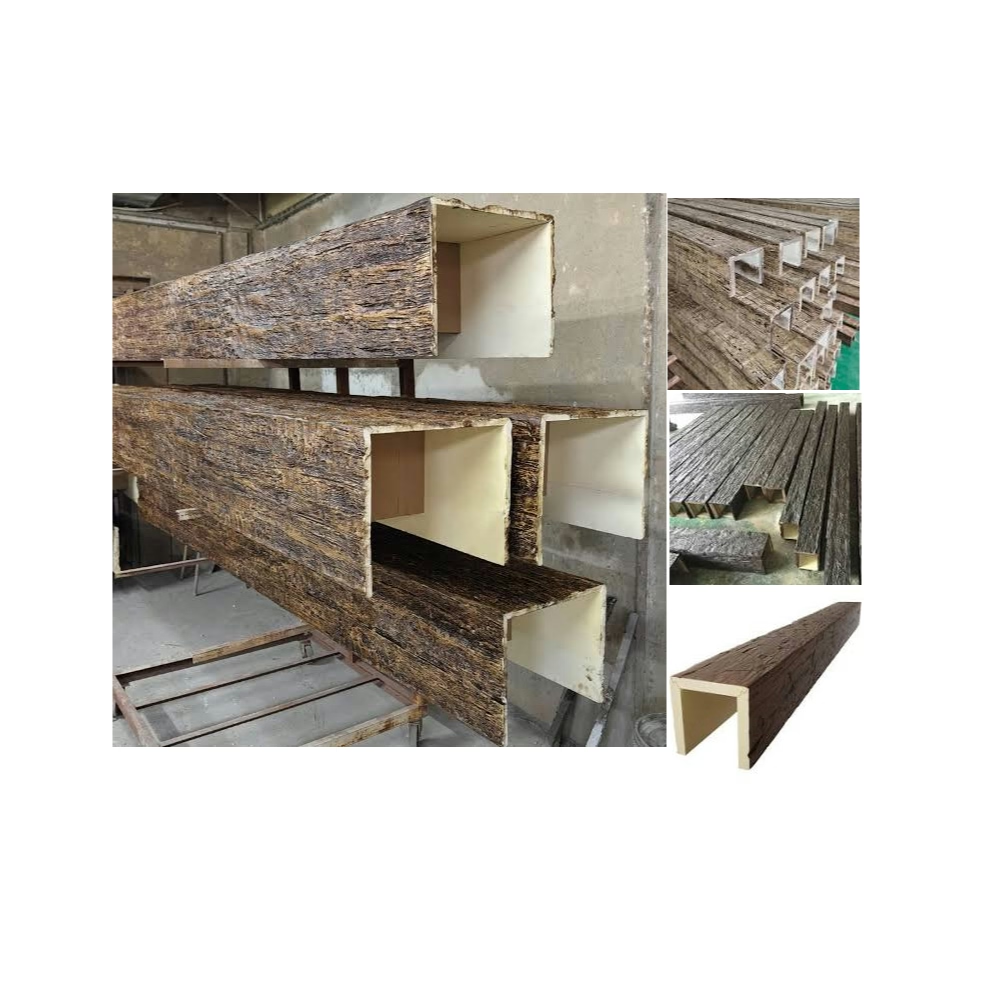
Hollow beam designs present particular challenges because the interior surface area exposed to infiltration is substantial. A beam that appears solid from outside might contain significant interior space where water accumulates once entry occurs. This accumulated water creates ongoing moisture issues even from occasional infiltration events, as drying may proceed slowly in enclosed spaces.
End Cap Design and Material Options
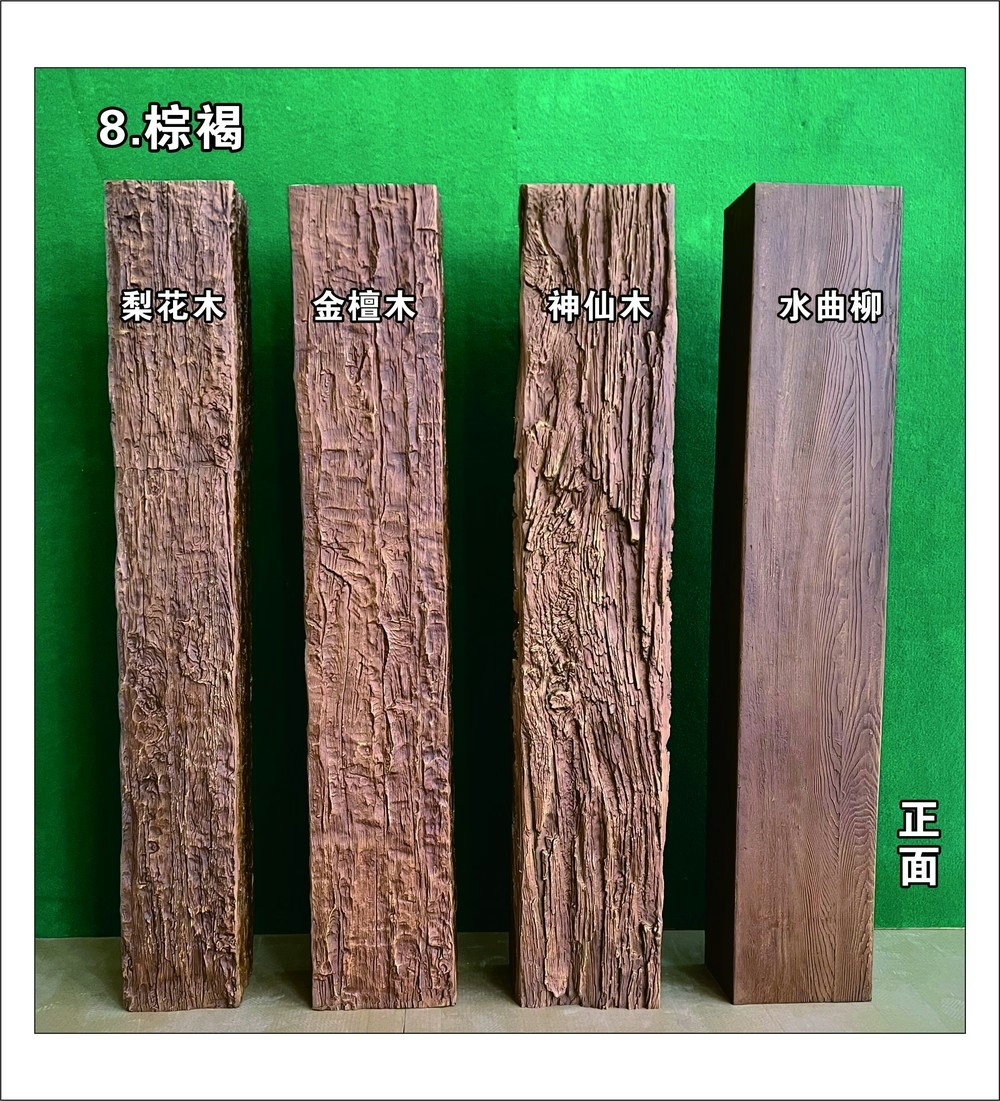
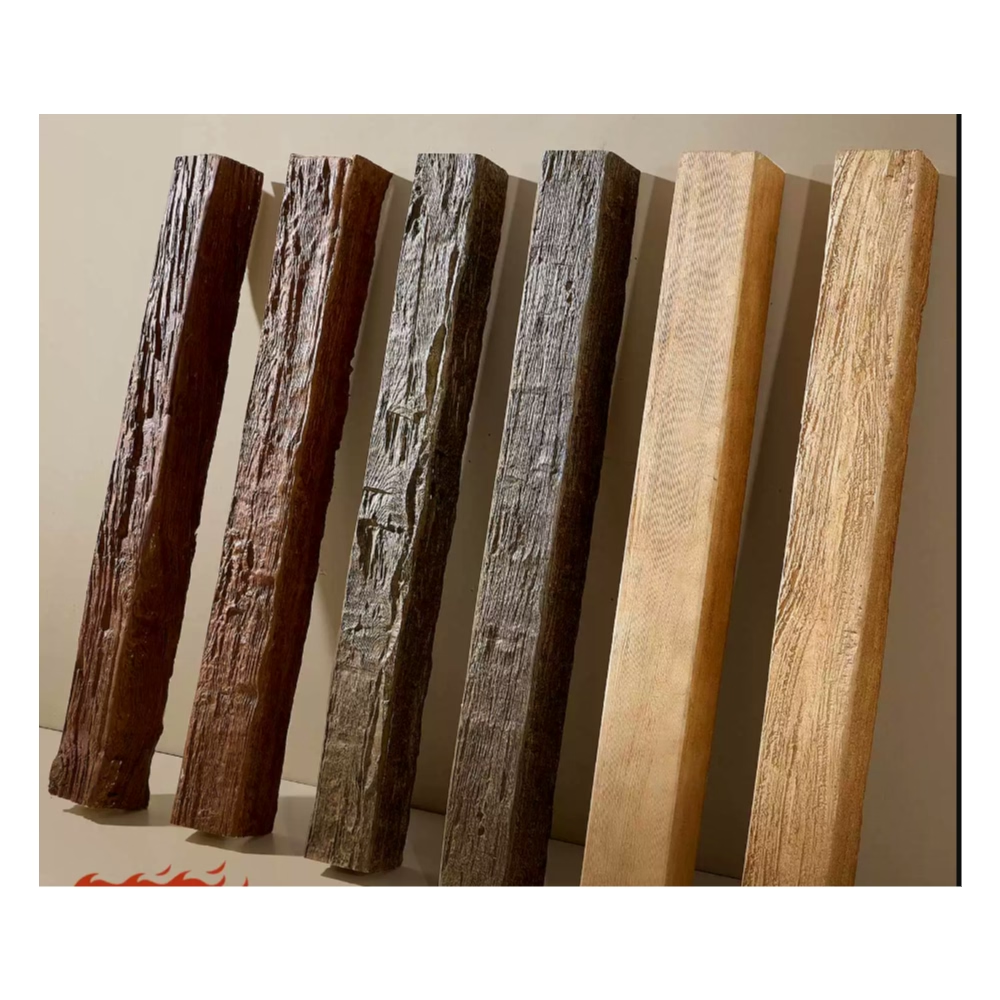
End caps range from simple flat plugs to contoured profiles that match beam exteriors precisely. Flat caps work for concealed applications where appearance at beam terminations doesn't matter. Aesthetic applications require caps that blend with surrounding surfaces, often featuring wood grain texture, color matching, and profile contours that continue the beam's visual line.
Material selection affects both appearance and durability. Polyurethane caps matching beam material provide seamless appearance but may not offer additional durability. Metal caps—typically aluminum or stainless steel—provide superior weather resistance but require color matching to blend with beam finishes. Composite materials balance appearance and durability in products specifically designed for exterior service.
Gasket and sealing features built into quality end caps provide weather protection without requiring additional sealant application. These integrated seals compress against beam ends when caps are installed, creating barriers that prevent water penetration. The gasket material must remain flexible across temperature ranges encountered in exterior applications, as stiffening or cracking would compromise the seal.
Surface Preparation for Cap Installation
Proper surface preparation ensures that end caps perform as intended over time. The beam end must be clean and dry before cap installation. Any contamination—dust, oils, moisture—prevents proper adhesion or sealing. Trimming beam ends cleanly before cap installation creates optimal surfaces for cap engagement.
For capped installations intended to receive sealant, surfaces should be primed according to sealant manufacturer recommendations. Primer improves sealant adhesion to surfaces that might otherwise resist bonding. The time and materials invested in proper priming typically return value many times over through improved long-term sealing performance.
Checking dimensional compatibility between caps and beam ends prevents installation problems. Caps should fit snugly without requiring excessive force that might damage either component. Measuring beam interior dimensions and comparing against cap specifications ensures matching before commitment. Some adjustment of beam ends may be required if dimensions don't align perfectly.
Installation Techniques for Reliable Sealing
Dry fitting caps before applying any adhesive or sealant confirms proper fit and positioning. This trial installation identifies any interferences, dimensional mismatches, or alignment issues that would complicate permanent installation. Making corrections during dry fit costs far less time than reworking adhesive-covered errors.
Applying appropriate adhesive to cap interiors provides mechanical bonding that supplements any gasket sealing. Construction adhesive formulated for polyurethane bonds chemically with beam material, creating connections that resist moisture infiltration even if gasket seals eventually degrade. The adhesive also prevents cap removal by wind or impact forces that might otherwise dislodge unsecured terminations.
Sealant application around cap perimeters provides additional weather protection. Quality exterior-grade sealant applied where cap meets beam surface prevents water from bypassing the primary seal. This secondary sealing layer creates redundant protection that ensures weather resistance even if primary seals fail. The sealant should be tooled smoothly to shed water and maintain appearance.
Clamping caps during adhesive cure maintains position and ensures complete contact throughout the bonding surface. Simple clamping with bar clamps or spring clamps works for accessible locations. For overhead applications where clamping proves difficult, adhesive selection that provides immediate grab—without waiting for cure—allows positioning without temporary support.

Addressing Existing Installations
Retrofitting end caps to beams already installed requires modified techniques adapted to the situation. Access to beam ends may be limited by adjacent construction, requiring specialized tools and approaches. The same principles apply—clean surfaces, proper sealing, secure attachment—but implementation becomes more challenging.
For beams where cap installation proves impractical, sealing directly to beam ends provides an alternative approach. High-quality exterior sealant applied to clean beam ends creates barriers against moisture infiltration. This approach sacrifices the finished appearance that caps provide but achieves functional weather protection. Touch-up paint or stain can blend sealed terminations with surrounding surfaces.
In some cases, removing and reinstalling beams allows proper cap installation when retrofitting from below proves impossible. This approach requires more labor but enables proper treatment of beam ends that would otherwise remain vulnerable. Weighing the effort against the benefits guides decisions about whether disassembly and reinstallation makes sense.
Long-Term Maintenance Considerations
Periodic inspection of end cap installations identifies problems before they cause significant damage. Checking for gaps, sealant deterioration, or cap displacement catches issues while remediation remains straightforward. Annual inspection following winter weather identifies freeze-thaw damage that may have occurred during the most challenging season.
Sealant maintenance extends service life by refreshing weatherproofing that degrades over time. UV exposure, temperature cycling, and moisture all contribute to sealant aging that eventually compromises protection. Reapplication of perimeter sealant every few years maintains the secondary weather barrier that protects primary seals.
Cap replacement becomes necessary when damage or deterioration affects appearance or function beyond acceptable limits. Unlike beam bodies, caps are designed for removal and replacement, making maintenance straightforward. Having spare caps available simplifies replacement when needed, avoiding delays while waiting for replacement materials.
End closure caps represent a small investment that provides substantial protection for exterior beam installations. The cost of caps and installation effort is minimal compared to the problems that water infiltration creates over time. For any exterior application, proper end sealing should be considered essential rather than optional.
Technical References
ASTM standards cited in every specification
Test Data
Lab results from internal testing program
Updated 2026
Reviewed against current product specs