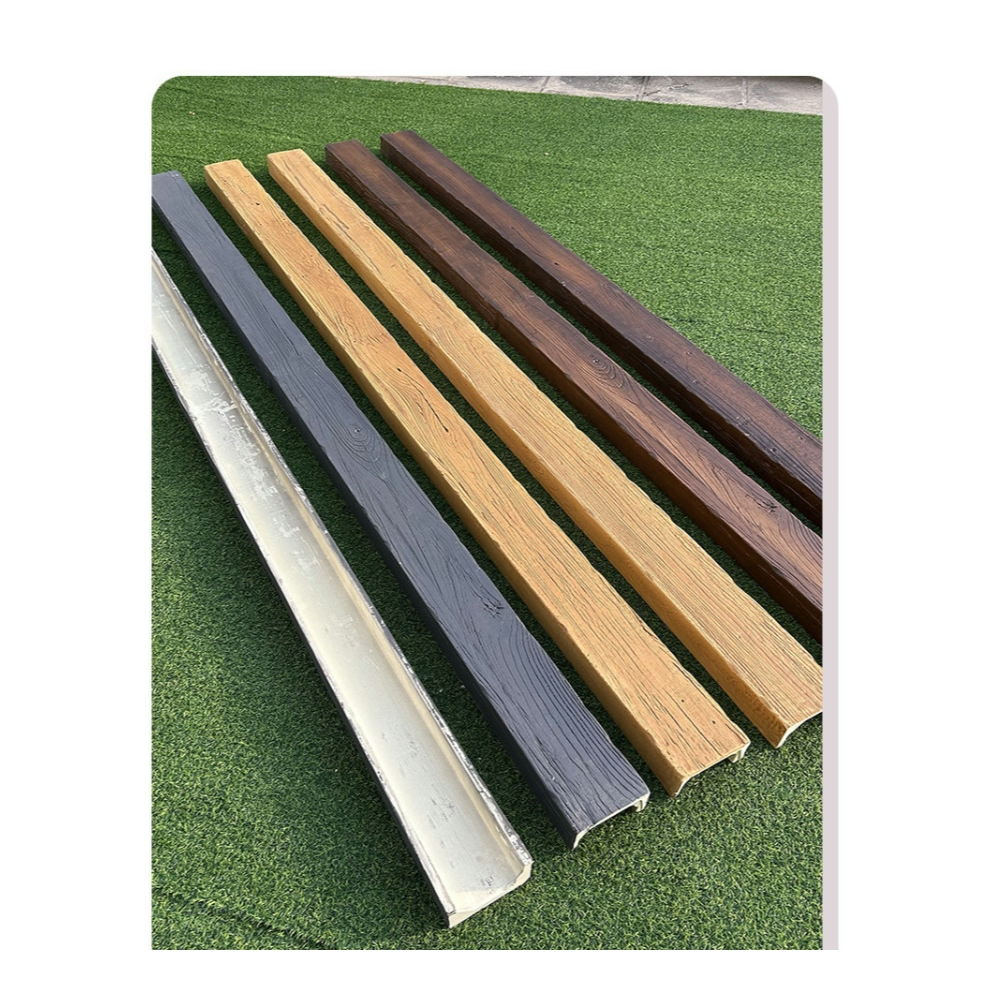
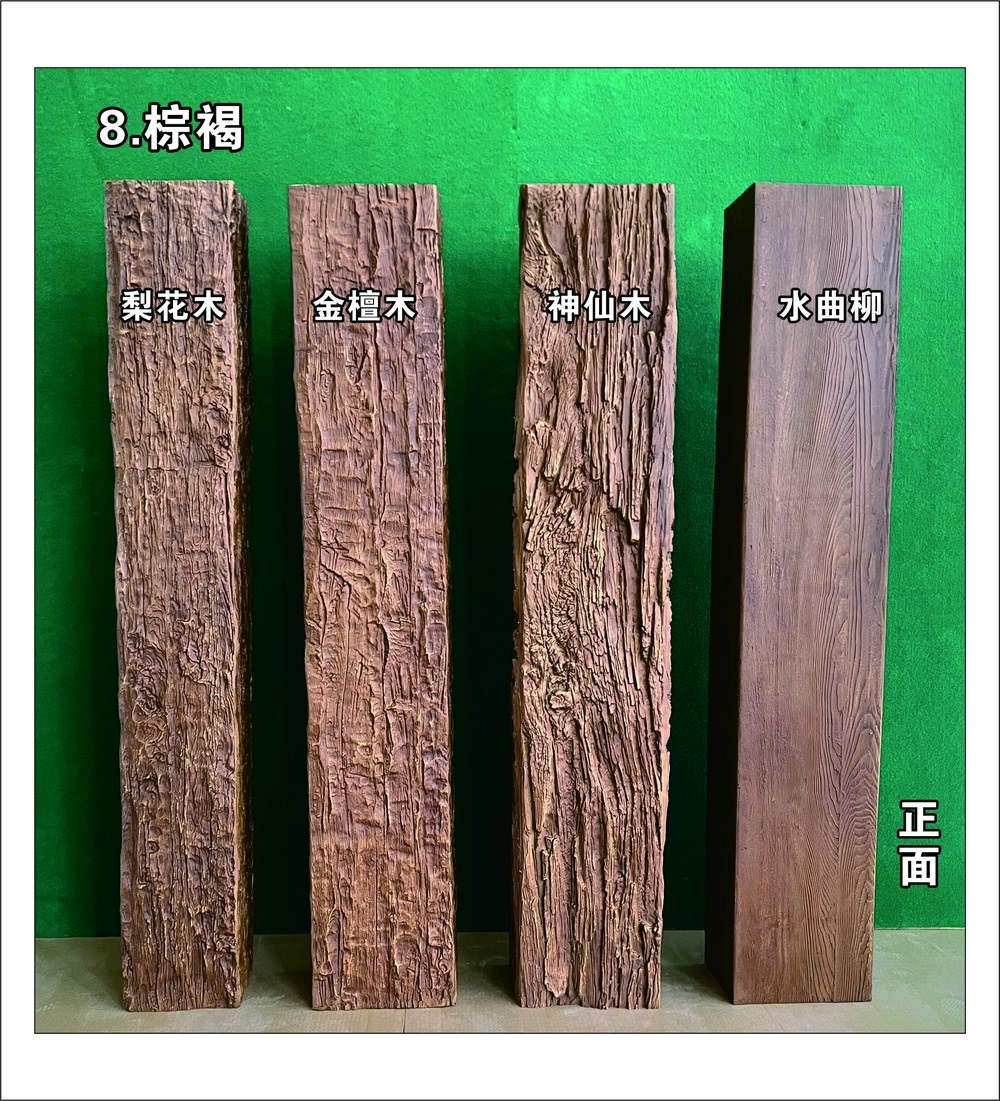
The craft of beam installation extends beyond the beams themselves. Professional results depend equally on the accessories that join, support, and finish the primary elements. Joint connectors specifically address the challenge of creating strong connections between beam sections—connections that remain invisible in the finished installation while bearing whatever loads and stresses the application demands. Understanding the connector landscape helps installers select appropriate hardware for each unique situation.
Different connector types serve different purposes, and matching connector to application determines whether results achieve professional standards. Some connectors prioritize strength, providing load paths that bear structural stresses safely. Others focus on appearance, concealing themselves within beam profiles while maintaining alignment. Many connectors balance both concerns, providing adequate strength while remaining hidden from view. The art of selection lies in understanding which characteristics matter most for each specific installation.
Internal Spline and Dowel Systems
Internal splines provide hidden structural connections that maintain alignment while remaining completely concealed within beam cavities. These thin strips of material—typically wood, composite, or metal—fit into grooves cut into adjoining beam ends, bridging the joint with continuous material. The spline provides shear strength that prevents the beam from separating at the joint while allowing adhesive to create smooth exterior surfaces.
Installation of spline systems requires accurate groove cutting in both beam ends. The grooves must align precisely for the spline to engage both pieces correctly. Jigs and templates help maintain accuracy across multiple identical joints, ensuring consistent results throughout a project. The additional preparation time pays returns through joints that perform reliably once complete.
Dowel systems serve similar purposes but use cylindrical pins rather than flat strips. Blind dowels—installed without penetrating exterior surfaces—create connections that are entirely invisible once completed. Special jigs position dowel holes accurately in both beam pieces, allowing assembly that produces seamless results. The precision required for successful dowel joints rewards careful setup with excellent performance.
Corner Bracket Systems
Corner installations present unique challenges that standard straight connectors don't address. Mitered corners require connections that maintain the angled cuts while providing strength against separation. Specialty corner brackets solve these problems by providing hidden reinforcement at precisely the angles corner installations require.
Adjustable corner brackets allow for some tolerance in angle adjustment, accommodating cuts that don't match theoretical geometry exactly. These brackets typically feature multiple hole patterns that accept screws at various positions, allowing fine-tuning of alignment after initial assembly. The flexibility proves valuable when cutting conditions or measuring errors create small discrepancies.
Hidden corner connectors mount entirely within beam cavities, becoming invisible once installation completes. These connectors must be strong enough to resist the loads corners typically encounter while fitting within the space constraints that concealed mounting imposes. Quality hidden connectors balance these requirements effectively, providing strength without bulk.
Alignment Clamp and Support Systems
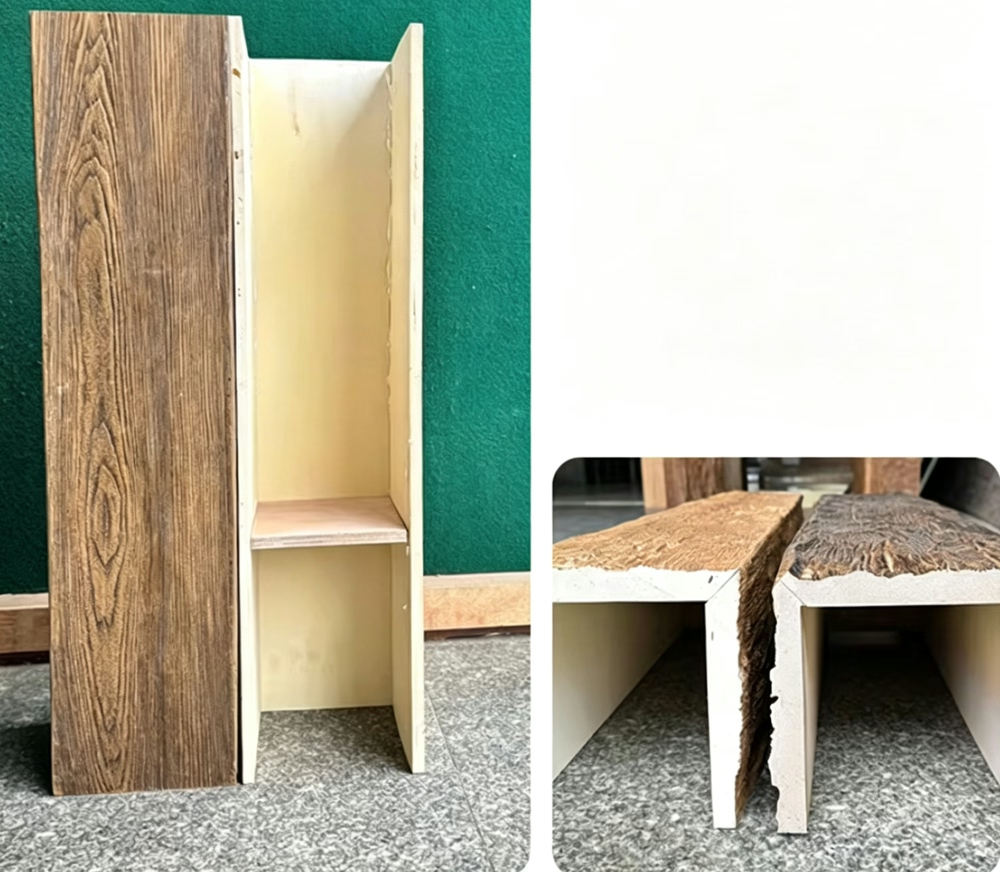
Maintaining alignment during assembly requires clamping systems that hold pieces in correct position while adhesive cures. These clamps differ from standard woodworking clamps in being designed specifically for beam profiles, featuring contoured faces that match beam shapes and prevent damage during clamping.
Overhead clamping presents particular challenges because gravity works against secure positioning. Specialized overhead clamps use spring tension or counterweight systems to maintain pressure without requiring continuous manual support. Understanding available clamp options helps installers plan assemblies that proceed smoothly without alignment problems.
Support systems for long beam runs during installation prevent stress on joints before adhesive cures. Temporary posts or stands positioned at intervals hold beam weight while joints are made and cured. The spacing depends on beam weight and stiffness, with closer spacing providing more support for heavier beams. Planning support placement before beginning installation prevents problems during the critical curing period.
Surface Mounting Plates and Flanges
Surface mounting plates provide visible connections where concealment isn't possible or desired. These decorative elements transform what might appear as a flaw into an intentional design feature. Plate designs range from simple metal discs to elaborate decorative shapes that complement beam aesthetics.
Flanges serve similar purposes at beam terminations and joints, covering gaps and transitions where perfect invisibility isn't achievable. Quality flanges match beam profiles precisely, creating finished appearances that appear original rather than added. Installation involves simply sliding flanges over beam ends before final positioning, then securing with hidden fasteners once in place.
The selection between concealed and decorative connections often depends on aesthetic goals and practical constraints. Design styles that embrace industrial or rustic aesthetics may celebrate visible connectors as intentional details. More traditional aesthetics typically prefer invisible connections that maintain the illusion of continuous original timber.

Selecting Appropriate Connectors
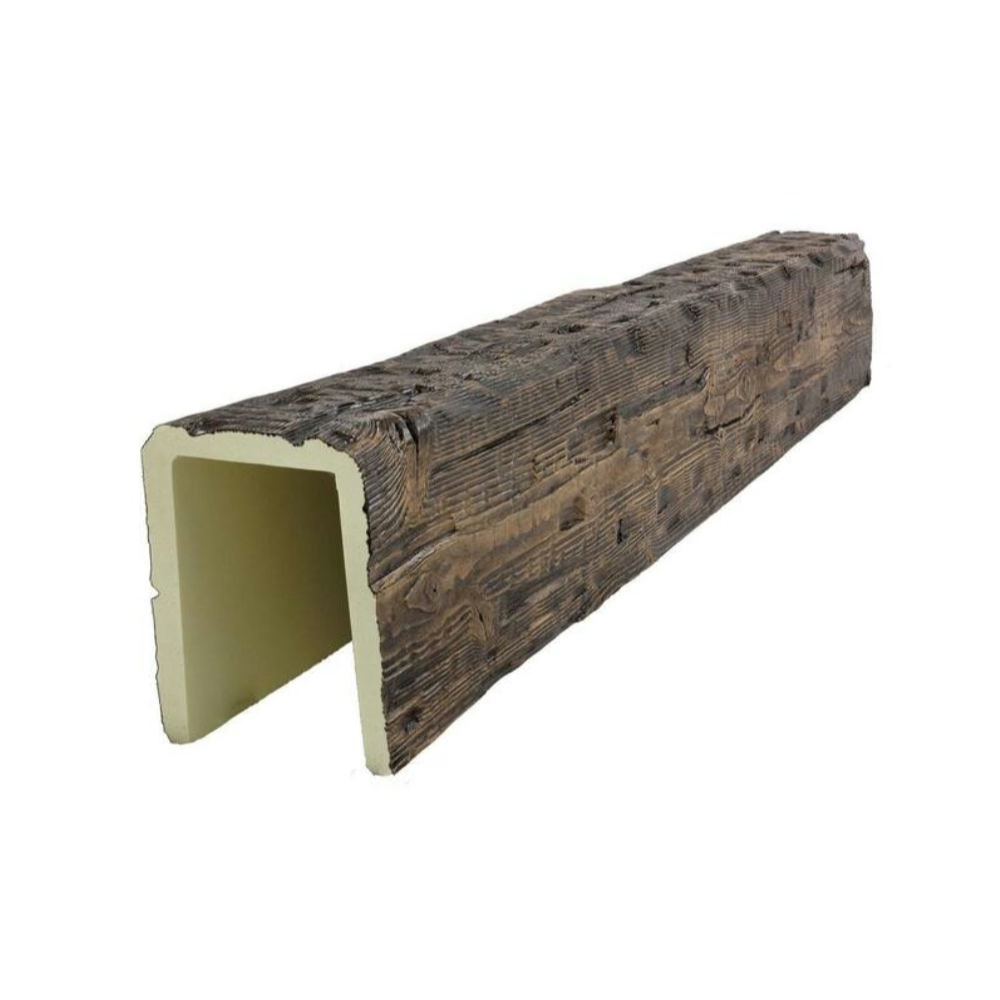
Application requirements guide connector selection more than any other factor. Structural applications require connectors rated for the loads involved, with safety margins that exceed expected stresses. Decorative applications may prioritize appearance over strength, selecting connectors that look good even if structural ratings are modest.
Budget considerations affect the connector tier available for each project. Premium connectors with excellent performance and appearance cost more than basic alternatives. Balancing cost against performance requirements ensures that projects receive appropriate hardware without unnecessary expense for applications where basic connectors suffice.
Availability influences selection when project timelines won't accommodate special ordering. Stocking distributors carry common connector types immediately, while specialty items may require lead times that affect project schedules. Understanding inventory availability helps plan purchases that arrive when needed without excessive delay.
Installation Best Practices
Following manufacturer guidelines for each connector type ensures intended performance. These guidelines address hole sizing, fastener selection, adhesive compatibility, and cure times that affect connection quality. Deviating from specifications—even with good intentions—often compromises results in ways that aren't immediately apparent.
Testing connections before committing to full installation validates approach and reveals potential problems. Making trial joints with scrap materials confirms that techniques produce expected results. Any adjustments to methods can be made before affecting finished work, preventing costly errors on completed installations.
Documentation of connector specifications and installation details provides reference for future maintenance or modification. Recording product names, lot numbers, and installation dates helps when troubleshooting problems or sourcing matching materials later. This documentation costs little to create but proves valuable when needed.
The array of connector options available for PU faux timber beam assembly ensures that every installation requirement can be addressed appropriately. From invisible internal connections to decorative surface mounting, the right connectors exist for every situation. Understanding what's available and how each option serves different purposes empowers informed selection that leads to successful project outcomes.
Technical References
ASTM standards cited in every specification
Test Data
Lab results from internal testing program
Updated 2026
Reviewed against current product specs