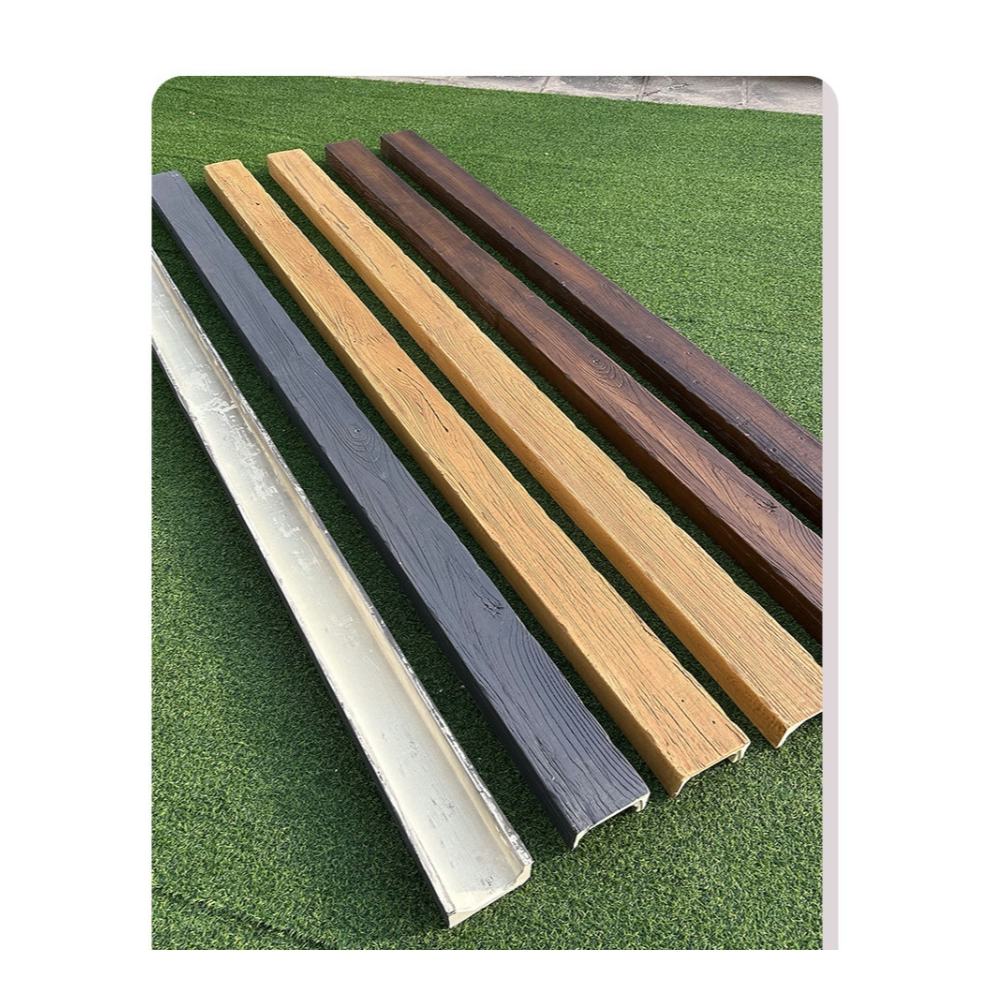
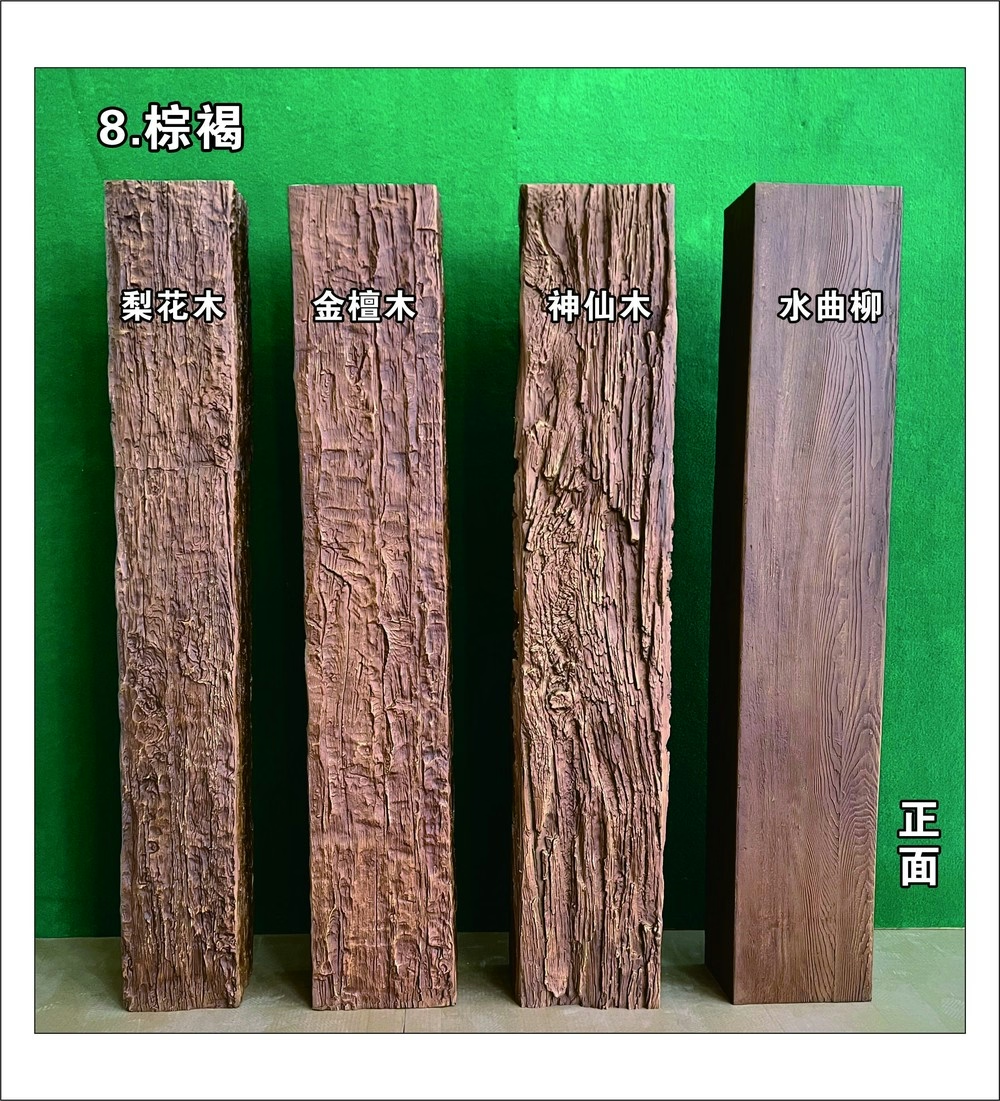
Corridors, great rooms, and open-plan commercial spaces share a common challenge: they demand design elements that extend continuously across distances far exceeding standard product lengths. A beam that beautifully spans twelve feet may seem laughably inadequate when installed in a sixty-foot corridor. The visual impact of short segments joining together poorly can undermine an entire design, creating a feeling of fragmentation rather than the architectural cohesion these spaces require.
Addressing long continuous runs requires more than simply joining beam sections end-to-end. The joints between sections must perform invisibly while bearing any structural loads the application involves. The techniques that achieve this performance span product selection, installation preparation, and finishing—each contributing to results that either enhance or diminish the unified appearance long runs demand.
Planning Long Run Installations
Successful long-run installations begin with comprehensive planning that addresses both aesthetic and structural requirements. Mapping beam layouts across the full ceiling area ensures that joints fall in appropriate locations—ideally at positions where shadows, transitions, or other architectural features provide natural concealment. This planning also identifies locations where special attention to joint quality becomes critical.
Determining the sequence of installation affects how joints are made and how well they perform. Some installers prefer assembling complete beam runs on the floor, joining sections before lifting and mounting the entire assembly. Others work incrementally, making joints in place as installation progresses. Each approach offers advantages for different situations, and understanding both helps select the appropriate strategy.
Calculating expected loads and movements informs reinforcement requirements for long runs. Thermal expansion across sixty feet of beam creates forces that shorter installations never encounter. Determining whether internal reinforcement, additional mounting points, or other structural provisions are needed prevents problems that might not become apparent until after installation completes.
Joint Positioning for Visual Integration
Strategic joint positioning dramatically affects how beam runs appear once complete. Joints positioned at existing shadows, behind light fixtures, or at transitions between ceiling planes become far less visible than joints in the middle of uninterrupted spans. Taking advantage of these naturally concealing positions simplifies the work required to achieve seamless results.
The number of visible joints affects perceived quality even when individual joints are technically invisible. Multiple visible transitions create a sense of piecemeal construction that unified runs avoid. When project constraints require many joints, concentrating them at specific locations rather than spreading them throughout creates the impression of intentional design rather than无可奈何 necessity.
Visual rhythm across long runs affects how spaces feel. Regular spacing between joints creates predictable patterns that feel organized and intentional. Random spacing, even if joints are invisible, creates subtle unease that sophisticated observers may notice without understanding its source. Establishing and maintaining consistent rhythm supports the cohesive feeling that unified runs should achieve.
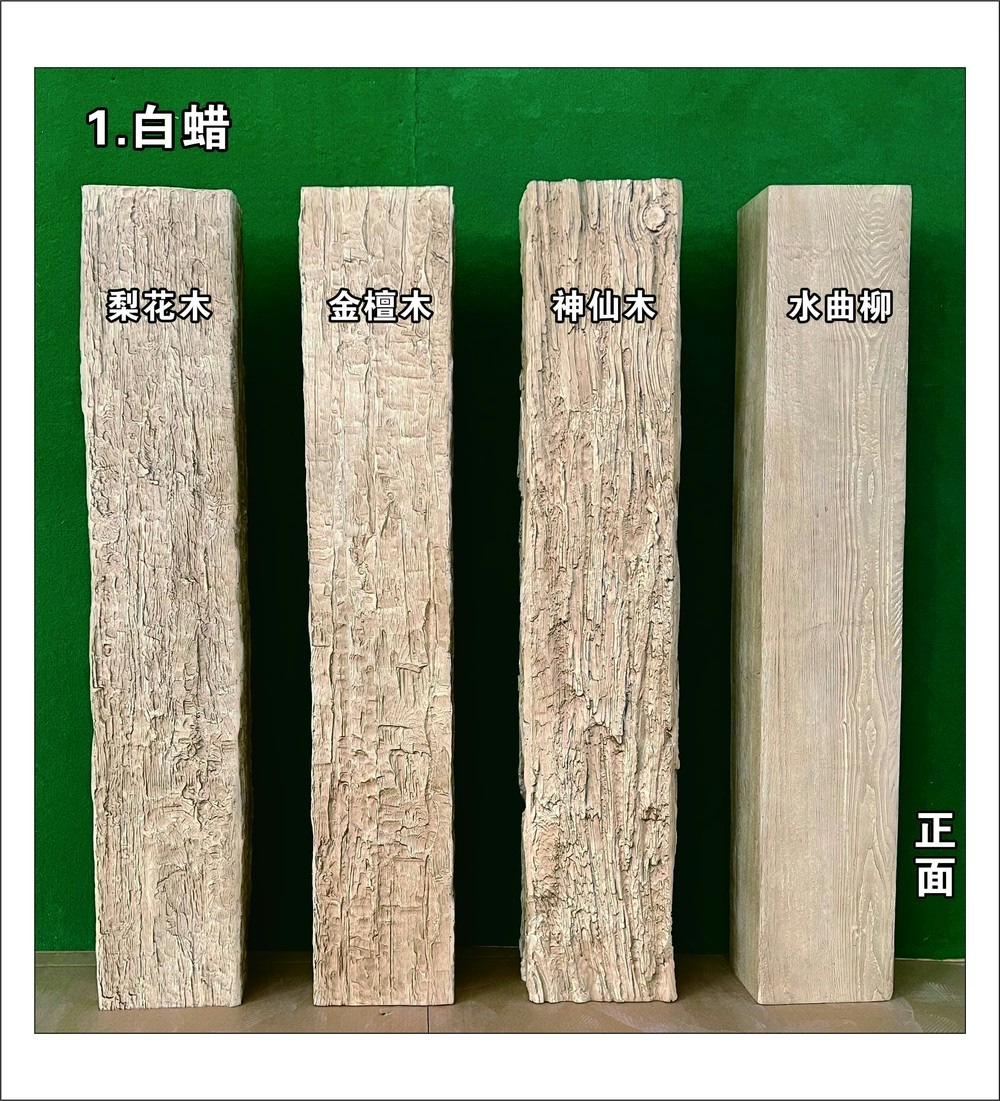
Techniques for Strong, Invisible Connections
Mechanical joining systems designed for long-run applications provide both strength and alignment guidance. These systems may include internal channels that accept reinforcement bars, interlocking profiles that self-align during assembly, or precision-machined surfaces that ensure accurate positioning. Understanding available systems helps select approaches appropriate to specific project requirements.
Adhesive bonding remains central to invisible joint performance regardless of mechanical reinforcement. The adhesive creates the seamless surface that finishing techniques will render invisible. Selecting adhesives with appropriate working time, strength, and compatibility with polyurethane ensures that bonding contributes to rather than undermines invisibility.
Alignment verification during assembly catches problems while adjustment remains possible. Using levels, straightedges, and visual inspection under good lighting confirms that each joint is positioned correctly before adhesive commits the connection. Making corrections at this stage costs far less time than addressing misalignment after cure prevents adjustment.
Finishing Long Continuous Runs
Consistency of finish across extended runs presents challenges that shorter installations don't face. Variations that might escape notice across a single room become obvious when stretched across sixty feet. Maintaining exact color, texture, and sheen throughout extended installations requires technique and attention that rewards careful work.
Applying finish in continuous operations rather than stopping and starting reduces the risk of visible variations. When work must pause, making pauses at joint locations rather than mid-beam keeps any appearance differences at naturally concealed positions. This strategic positioning of work breaks minimizes their visibility in finished installations.
Clear coating unifies the final appearance by creating uniform surface properties across all beam sections and joints. The clear layer eliminates any subtle differences in substrate appearance, binding the entire installation into a visually unified whole. Building up adequate protection through multiple applications ensures durability that matches the seamless appearance.
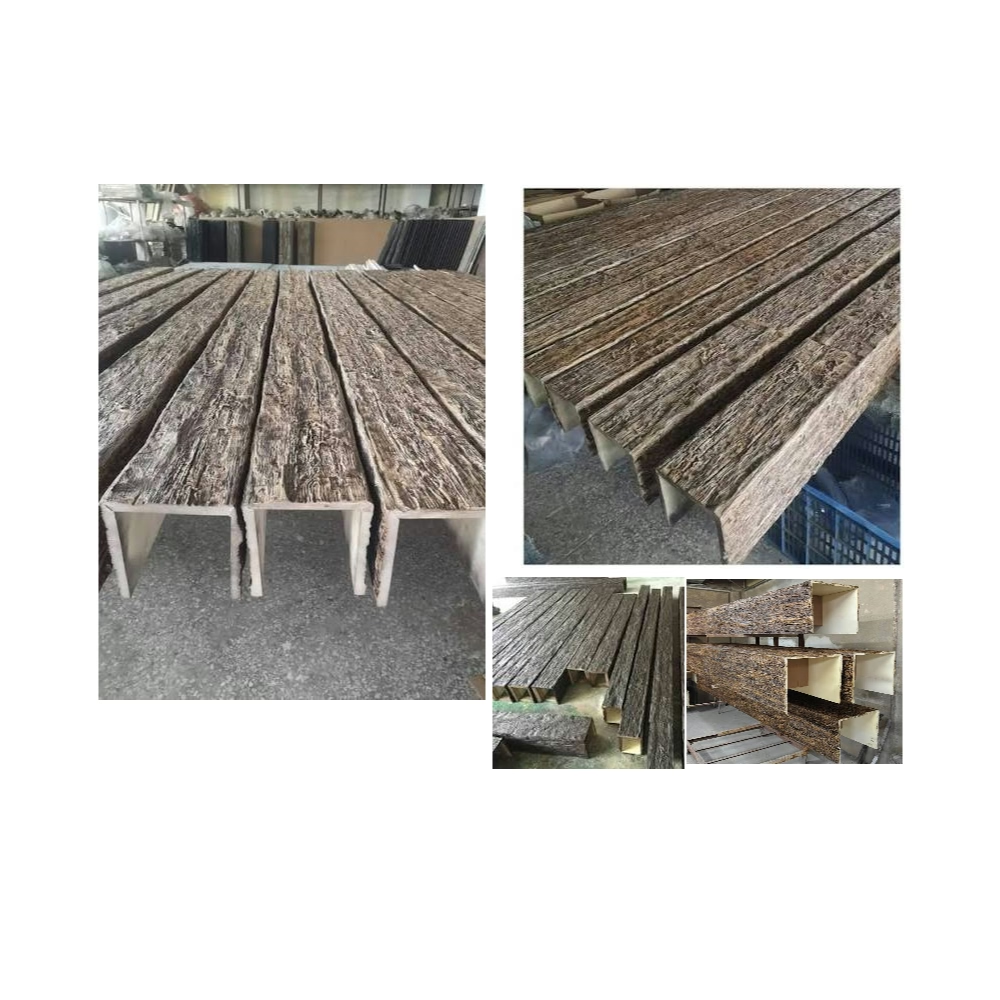
Managing Time and Curing
Long-run installations extend over more time than short ones, creating challenges for adhesive curing and alignment maintenance. Planning installation sequences that accommodate cure times while maintaining productivity requires balancing multiple considerations. Rushing cure cycles risks joint failure, while excessive caution extends project timelines unnecessarily.
Temperature and humidity conditions affect cure times and should be monitored throughout installation. Conditions that change between joints may create differences in how adhesive performs, potentially affecting joint quality. Maintaining consistent conditions or adjusting techniques for variations ensures uniform results across entire runs.
Supporting long runs during cure prevents stress on joints that might compromise alignment. Temporary supports positioned at intervals hold beam weight while adhesive gains strength, preventing sagging or shifting that would create visible problems. The support strategy should be planned before installation begins, with materials staged and ready.
Achieving Cohesive Long-Run Results
The goal of long continuous beam runs is creating the impression of unified architectural elements rather than assembled pieces. This impression depends on joints that truly disappear and on maintaining visual rhythm and proportion throughout extended spans. When achieved, the results transform ordinary corridors and rooms into spaces with genuine architectural presence.
Quality control throughout the installation process ensures that results meet expectations. Checking alignment, appearance, and attachment at each stage identifies problems while they remain correctable. Waiting until completion to assess quality forecloses the corrections that intermediate inspection would enable.
The investment in achieving seamless long-run results pays dividends through spaces that feel intentional and complete rather than fragmented and compromised. Long runs demand more effort than short ones, but the visual impact justifies that effort. When beams extend unbroken across significant distances, they contribute architectural dignity that shorter installations simply cannot match.
Technical References
ASTM standards cited in every specification
Test Data
Lab results from internal testing program
Updated 2026
Reviewed against current product specs