White ceilings have a reputation problem. Too often, they read as the default option — the color chosen not for its qualities but because it was already there, or because white seemed like the safe choice. But a white ceiling executed thoughtfully is one of the most versatile and beautiful surfaces in interior design. It reflects light, expands space, and provides the cleanest possible backdrop for whatever architectural or decorative elements sit against it. When that backdrop is paired with natural wood faux beams, the result is a room that feels both bright and grounded, open and warm.
The key is the word seamless. A seamless white ceiling is one that has been properly prepared: filled, sanded, primed, and painted with enough care that the surface looks like a single, continuous plane rather than a series of patches and repairs. This preparation is especially important in rooms where the ceiling is a visible design element, as it will be in any room featuring decorative beams.
Preparing the Ceiling for a Seamless White Finish
The preparation process for a seamless white ceiling begins before any paint touches the surface. Inspect the ceiling for cracks, holes, water stains, and texture inconsistencies. In older homes, popcorn ceiling texture, patched electrical work, and years of repainting can leave a surface that looks uneven even when painted fresh.
Fill all cracks and holes with a setting-type joint compound, also known as mud. This material hardens to a density similar to plaster and can be sanded to a perfectly smooth surface. Avoid lightweight spackling compounds for ceiling repairs, as they tend to shrink and crack over time. Once all repairs are made and sanded smooth, apply a quality stain-blocking primer. This is especially important in rooms where the ceiling may have been exposed to water damage, nicotine, or cooking grease, as these contaminants can bleed through even the best white paint.
After priming, apply two coats of high-quality white ceiling paint in a flat or eggshell sheen. Flat finishes hide surface imperfections most effectively but are harder to clean. Eggshell finishes are slightly more washable and still provide excellent light reflection. Avoid higher sheens — satin, semi-gloss, or gloss — on ceilings, as they create an artificial-looking shine that highlights every imperfection and every brush or roller mark.
The goal of all this preparation is a ceiling so smooth and uniform that it disappears, letting the beams become the visual focus. A poorly prepared white ceiling draws attention to itself for the wrong reasons and undermines the design.
Choosing Natural Wood Beams for a White Ceiling
The contrast between a pristine white ceiling and natural wood beams is the central design move in this approach, so the beam selection is critical. The beams should be warm and characterful enough to stand out clearly against the white surface without feeling jarring or disconnected from the room's overall palette.
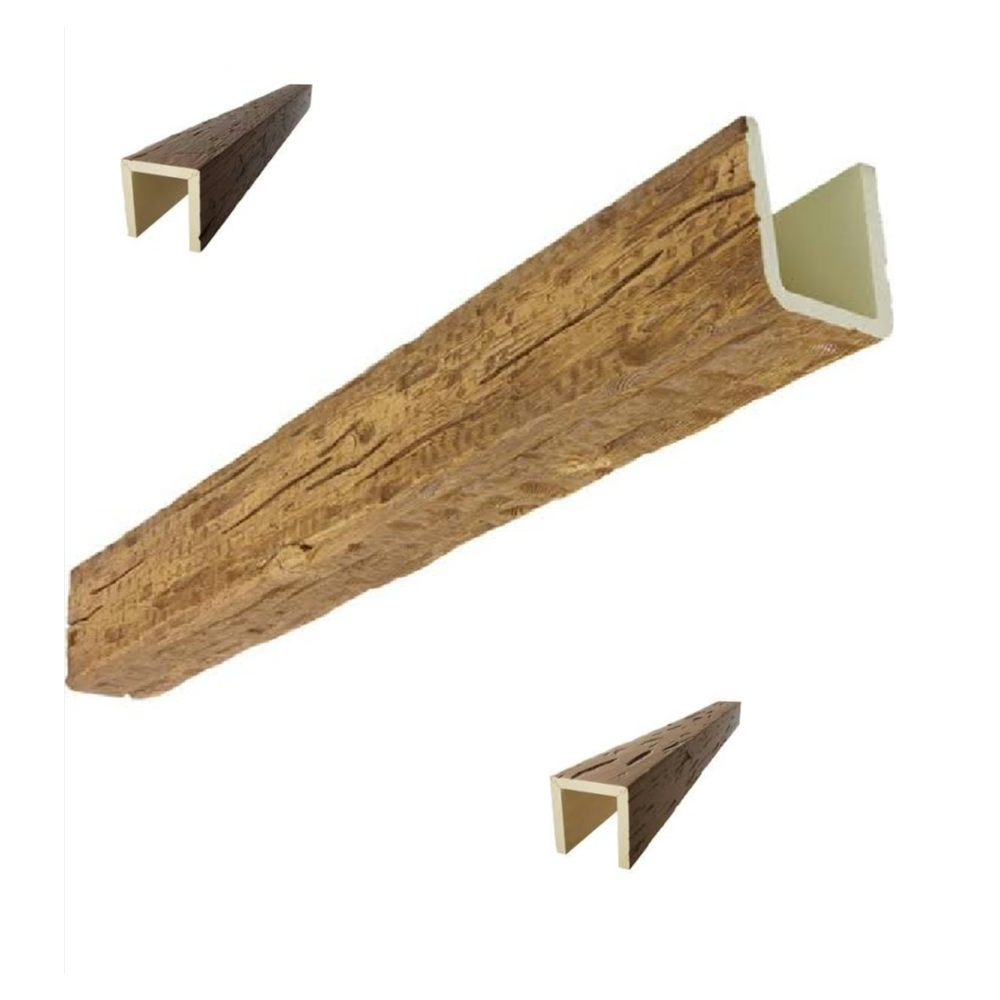
Medium-toned wood finishes are the most reliable choice for this application. Honey oak, butternut, and light walnut finishes provide strong visual presence against white without the drama of very dark beams or the subtlety of very light ones. The grain texture should be visible and well-defined, as the beam surface will be doing the heavy lifting in terms of visual interest for the ceiling plane.
Consider the beam profile as well. Against a white ceiling, a solid-profile beam with a deep shadow line creates the most dramatic contrast. The shadow where the beam meets the ceiling plane is more visible against white than against any other ceiling color, which means the beam reads as a genuine three-dimensional element rather than a surface decoration. Box beams, with their cleaner lines and shallower shadow gaps, create a more refined look that suits contemporary or minimalist interiors.
Room Configurations That Work Best
High-Living-Room Ceilings
Rooms with high or vaulted ceilings are the ideal canvas for a white ceiling and natural beam pairing. The white ceiling keeps the volume of the room from feeling oppressive, while the beams introduce warmth and scale that makes the tall space feel human-scaled and intentional. In a vaulted living room, beams running along the slope lines of the ceiling draw the eye upward and emphasize the architectural volume of the space.
For vaulted ceilings, consider using matching beams on the gable end wall as well as the slope lines. This creates a fully integrated ceiling treatment that wraps around the room without introducing conflicting materials or colors.
Open-Plan Ground Floors
In open-plan homes where the kitchen, dining, and living areas share a single large ceiling, a white finish with natural beams can help define functional zones while maintaining visual continuity. Use the beams to mark transitions between zones: a pair of beams over the dining area, a single beam over the kitchen island, and a cross-beam arrangement in the living area. The white ceiling ties the zones together, while the beams provide individual identity.
Sunrooms and Bright Extensions
Rooms with large windows and significant natural light are the best possible setting for white ceilings and natural wood beams. The white ceiling reflects and amplifies the natural light, making the room feel larger and more connected to the outdoors. The beams add warmth that prevents the room from feeling clinical, even when the color palette leans toward white and gray. In a sunroom with white ceilings and honey oak beams, the interplay of natural wood warmth and natural daylight creates a space that is genuinely pleasant to inhabit.
Coordinating Walls and Trim with the White Ceiling and Wood Beam Design
The wall color choice in a room with a white ceiling and natural wood beams should support the primary pairing rather than compete with it. Soft neutrals — warm gray, greige, pale taupe — extend the white ceiling palette onto the walls and create a calm, continuous environment. White walls, slightly differentiated from the ceiling by a warmer or cooler white, maintain the bright, open feeling.
For buyers at trade shows looking to demonstrate this ceiling treatment to customers, a room set with white walls, a white ceiling, and natural oak beams makes the design logic immediately clear. The beams become the only major color in the room, which forces the eye to appreciate their form and texture without distraction.
Window trim and door casings should be finished in white to match the ceiling, maintaining the clean, continuous feel of the white surfaces. Base trim can be a slightly warmer or more substantial white to ground the room visually without introducing another color. The natural wood beams then bridge the gap between the white above and the slightly differentiated white at the floor, creating a unified, layered composition.
For interior designers and architects working on new construction or major renovations, specifying a seamless white ceiling with natural wood faux beams is a design move that delivers reliable results. The approach is adaptable enough to work in virtually any style of home and durable enough to look good for decades with minimal maintenance.

Technical References
ASTM standards cited in every specification
Test Data
Lab results from internal testing program
Updated 2026
Reviewed against current product specs


