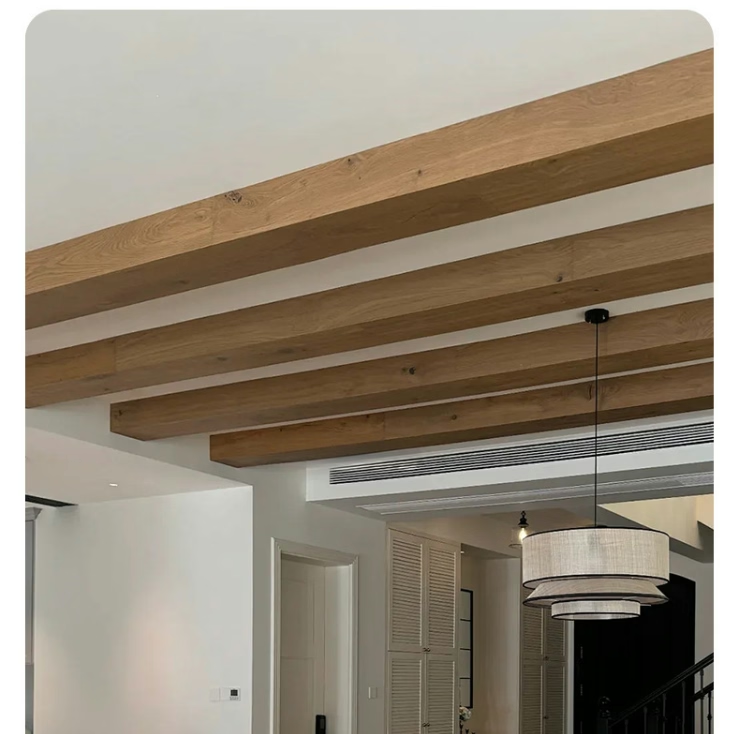
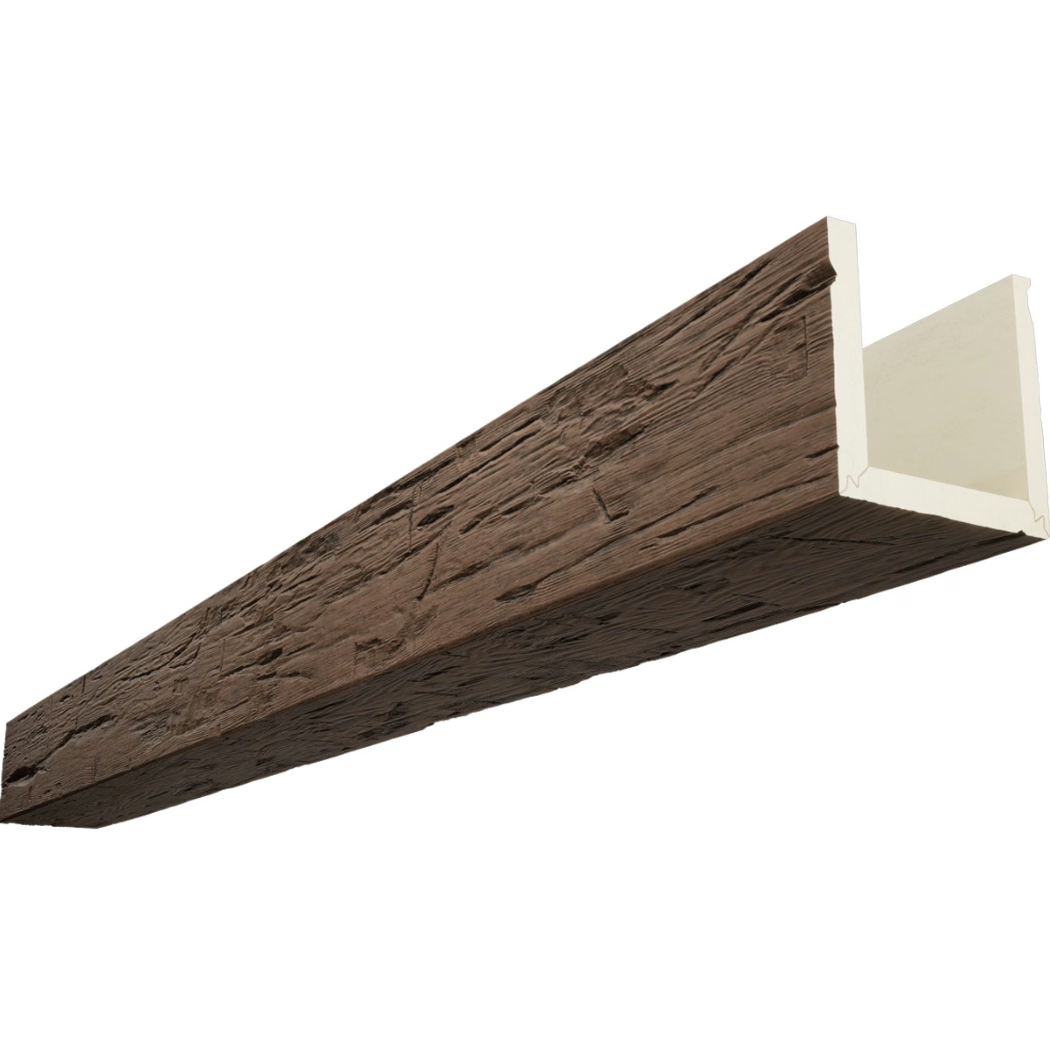
The internet has democratized access to building materials that were once available only through regional distribution networks. A contractor in Montana can now source beams from manufacturers in multiple countries, compare quality across dozens of options, and complete purchases without leaving the office. This expanded access creates opportunities but also introduces risks that buyers must navigate thoughtfully.
High-grade polyurethane faux wood beams represent a meaningful investment in a project's visual impact and long-term durability. Unlike commodity materials where minor quality variations are tolerable, beam quality directly affects installation appearance and customer satisfaction. Secure online shopping for these products requires attention to quality indicators, supplier verification, and transaction safety.

Identifying High-Grade Product Characteristics
High-grade polyurethane beams exhibit characteristics that distinguish them from economy alternatives. Surface texture density indicates quality—higher density polyurethane resists impact damage and maintains sharper detail in molded grain patterns. Budget products often show surface pitting, air bubbles visible at close range, or grain patterns that lack depth and realism.
Dimensional consistency across beam lengths demonstrates manufacturing precision. High-quality production runs maintain tolerances of ±1mm on cross-sectional dimensions. Comparing measurements from different beams in a sample set reveals consistency levels. Inconsistent dimensions complicate installation and may indicate quality control issues in the manufacturing process.
Weight provides another quality indicator. High-density polyurethane formulation produces beams with consistent weight that feels solid without being excessively heavy. Unusually light beams may indicate low-density formulations that are more susceptible to damage. Beams that vary significantly in weight within a single profile type suggest inconsistent production quality.
Finish adhesion testing on samples reveals how well surface treatments bond to the polyurethane. A simple test: apply a piece of masking tape to a painted or stained surface and pull it away sharply. If the tape removes significant finish, the surface preparation or finish quality is inadequate for professional installation.
Verifying Supplier Manufacturing Credentials
Genuine manufacturers display production credentials that distinguish them from trading companies or resellers. Factory registration documents, production capability descriptions, and facility photographs help verify manufacturing claims. Suppliers who cannot or will not confirm manufacturing status may be intermediaries adding cost without value.
Quality management system certifications provide third-party verification of production quality. ISO 9001 certification indicates adherence to documented quality management practices. ISO 14001 certification addresses environmental management. These certifications are verifiable through the certifying organizations' websites, eliminating the risk of fraudulent certification claims.
Production capacity documentation helps buyers assess whether suppliers can fulfill order volumes. A supplier claiming large-scale production should demonstrate equipment inventory, staff levels, and current output data. Suppliers with production capacity well below their claimed volume either misrepresent their capabilities or rely on third-party factories for fulfillment.
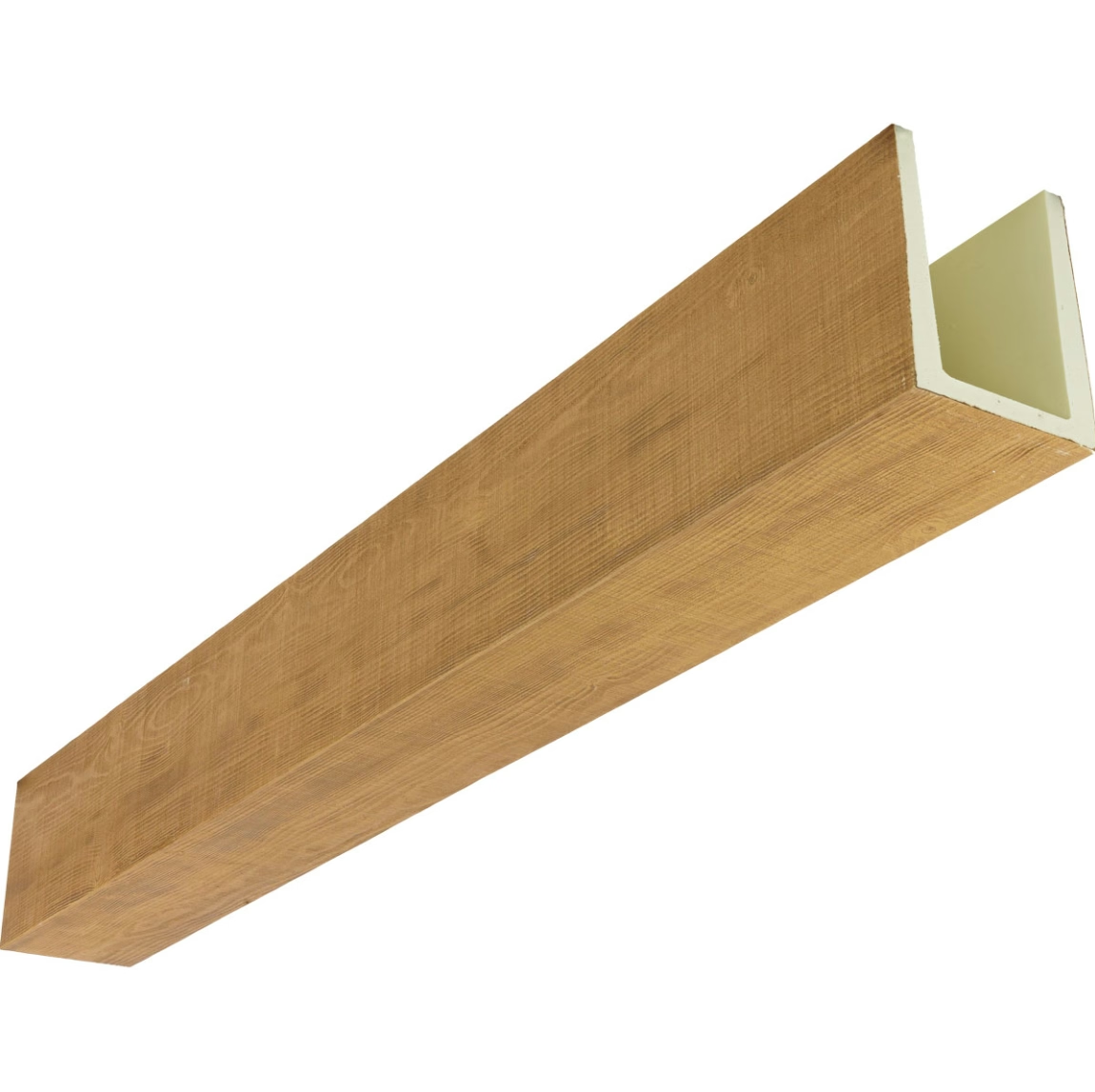
Secure Transaction Completion
Completing online purchases safely involves following practices that minimize exposure to fraud while enabling legitimate transactions. Initiating transactions only from secure network connections—private WiFi or cellular data rather than public networks—prevents interception of sensitive information during transmission.
Browser security settings should be current. Outdated browsers may not support current encryption standards, creating vulnerabilities that sophisticated attackers can exploit. Enabling browser security features rather than disabling them preserves built-in protections.
Confirmation procedures after purchase add security layers. A legitimate transaction confirmation email from the platform or supplier should arrive shortly after purchase. The email should contain transaction details matching the order, including items purchased, quantities, prices, and shipping information. Unexpected confirmations, missing information, or communications that request additional personal information warrant immediate investigation.
Shipping and Delivery Verification
High-grade suppliers provide tracking information that allows buyers to monitor shipment progress from origin to delivery. Tracking numbers should be verifiable with the carrier before payment is considered complete. Suppliers who cannot provide tracking information or who provide tracking that does not match carrier records warrant additional scrutiny.
Insurance coverage for shipments protects buyer interests when goods are damaged or lost in transit. The insurance amount should cover replacement cost, not just the declared customs value. Understanding insurance coverage and the claims process before purchase ensures buyers know their recourse options if transit damage occurs.
Delivery inspection protocols prevent disputes about damage responsibility. Buyers should photograph packages immediately upon delivery, before opening, to document the external condition of shipments. This documentation establishes whether damage occurred in transit or was pre-existing.

Customer Service and Support Quality
Suppliers offering high-grade products provide customer service that matches product quality. Pre-sale technical support helping buyers select appropriate products, dimensions, and finishes indicates a supplier invested in customer success. Suppliers who answer questions knowledgeably and comprehensively demonstrate product expertise.
Post-sale support handles questions about installation, finishing, and maintenance. Suppliers who provide installation guides, finishing recommendations, and responsive problem resolution maintain customer relationships beyond the transaction. This support is particularly valuable for buyers new to polyurethane beam installation who benefit from experienced guidance.
Warranty and guarantee policies reflect supplier confidence in product quality. High-grade products carry warranties covering defects in materials and workmanship for defined periods. The warranty terms, claim procedures, and supplier responsiveness to warranty requests indicate how seriously the supplier takes quality commitment.
Price Evaluation and Value Assessment
Price alone does not indicate quality, but extreme price variations warrant investigation. Prices significantly below market rates for the same product category may indicate inferior materials, misrepresented specifications, or fraudulent listings. Price research across multiple suppliers establishes a market range that identifies outliers in either direction.
Value assessment considers total cost of ownership rather than purchase price alone. Higher-quality beams that install easily, maintain appearance over time, and carry solid warranties represent better value than cheap alternatives that require frequent replacement. Calculating cost per year of useful life often reveals that premium-priced quality products are more economical than budget options over typical project lifespans.
Bulk pricing programs for regular purchasers reduce per-unit costs while building supplier relationships. Establishing trade accounts with preferred suppliers unlocks volume pricing, payment terms, and service levels not available to occasional purchasers. The investment in relationship-building with quality suppliers pays dividends across multiple projects.
Building Long-Term Supplier Relationships
Strategic buyers develop relationships with preferred suppliers rather than treating every purchase as an isolated transaction. Long-term relationships unlock better pricing, priority fulfillment, and access to new products before general release. Suppliers invested in relationship value work harder to maintain customer satisfaction.
Communication consistency matters in relationship building. Regular contact through order inquiries, sample requests, and project consultations keeps relationships active. Suppliers remember buyers who engage consistently and often extend courtesies—faster responses, better pricing, early access to new finishes—to valued regular customers.
Performance tracking across orders builds a data-driven understanding of supplier reliability. Tracking on-time delivery rates, quality consistency, and communication responsiveness identifies which suppliers warrant continued business and which should be replaced. This tracking becomes increasingly valuable as purchase volume grows.
Technical References
ASTM standards cited in every specification
Test Data
Lab results from internal testing program
Updated 2026
Reviewed against current product specs