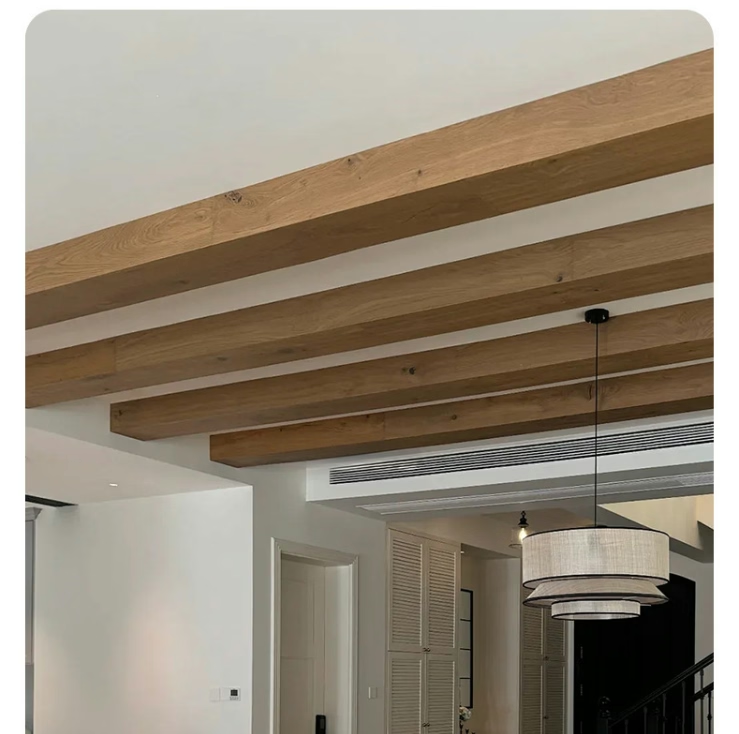
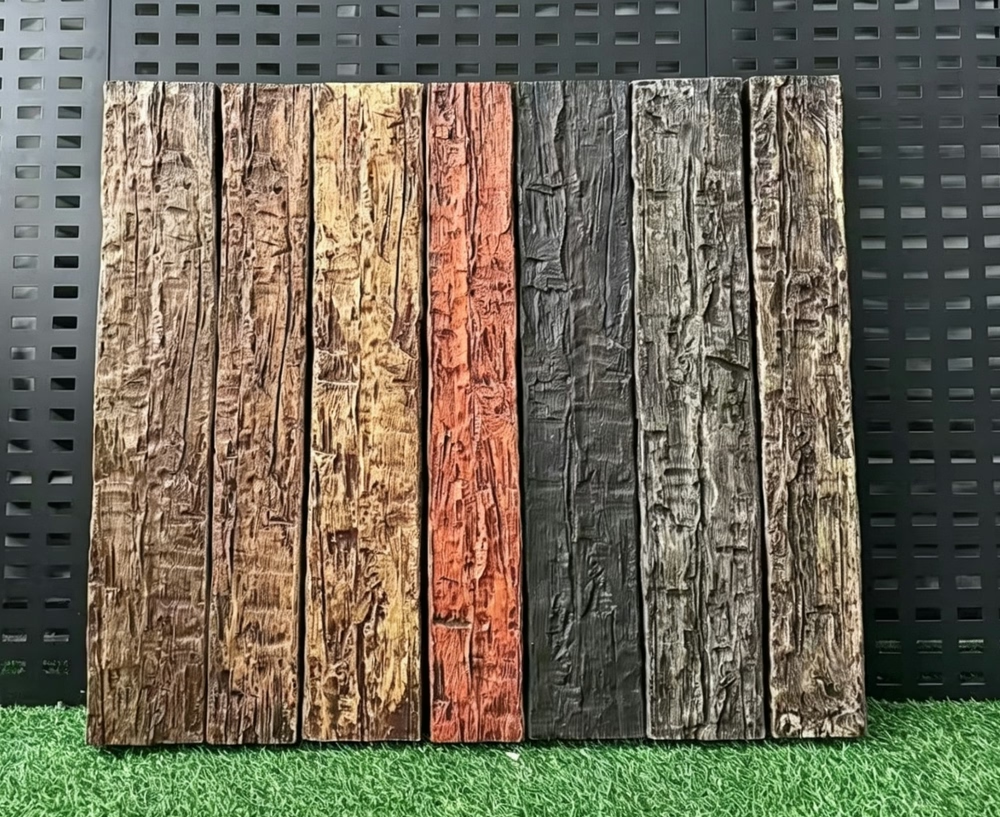
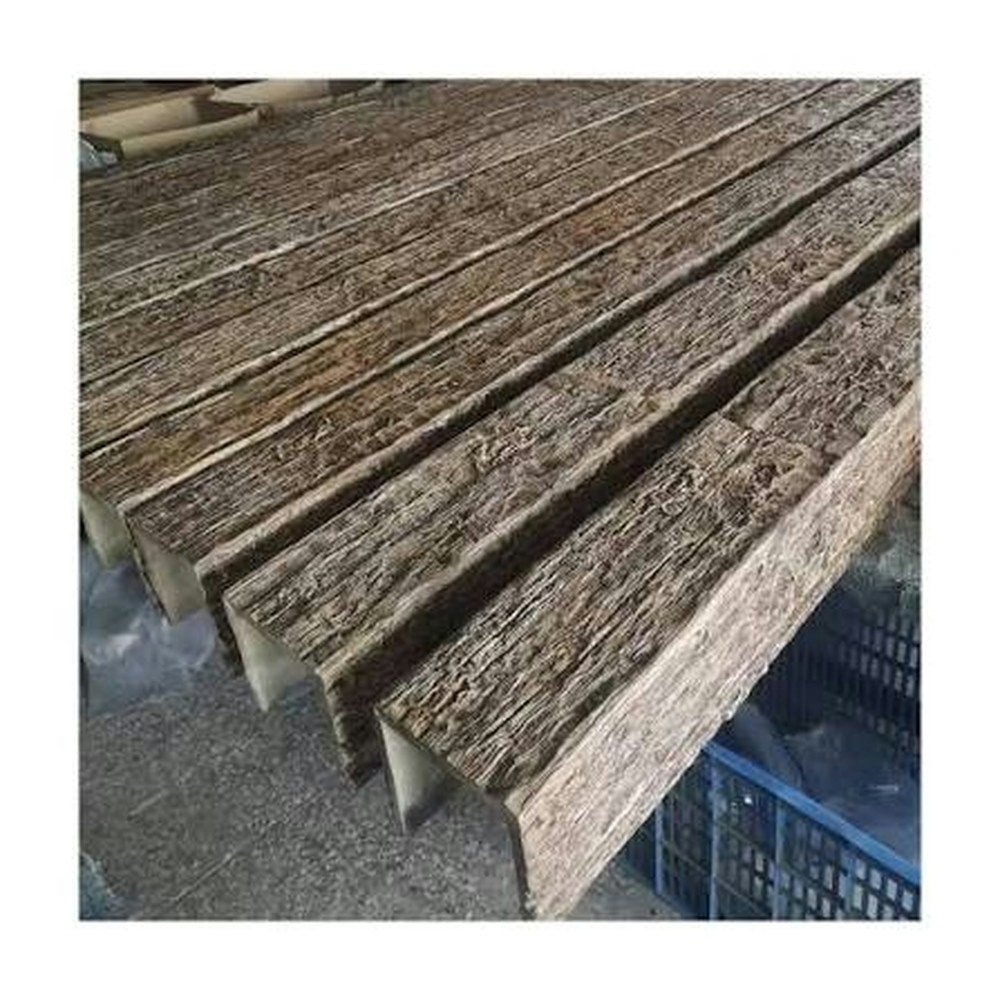
Seismic Zone Installation Requirements for Heavy Decorative Beam Systems
Seismic activity zones impose specific installation requirements for overhead decorative elements including faux beam systems. Understanding seismic design categories and proper attachment methods ensures life-safety compliance in earthquake-prone regions.
Seismic Design Category Overview
Building codes classify locations into Seismic Design Categories A through F based on ground motion probability. Categories D-F (high seismic risk) require enhanced attachment and bracing for non-structural ceiling components.
Lateral Force Considerations
Seismic events subject ceiling-mounted elements to horizontal accelerations exceeding vertical gravity loads. Mounting systems must resist these lateral forces in addition to standard weight-bearing requirements.
Attachment Hardware Specifications
High seismic zones require mechanical fasteners rated for combined shear and tension loads. Adhesive-only mounting systems fail to meet code requirements regardless of manufacturer's claims about bond strength.
Spacing and Redundancy Requirements
Seismic installations often mandate reduced fastener spacing and redundant attachment points compared to standard applications. These requirements ensure load path redundancy if individual fasteners fail during seismic events.
Bracing and Restraint Systems
Extensive beam installations in seismic zones may require lateral bracing connecting beams to structural framing. These restraints prevent progressive collapse if mounting fasteners loosen during repeated seismic cycles.
Lightweight Material Advantages
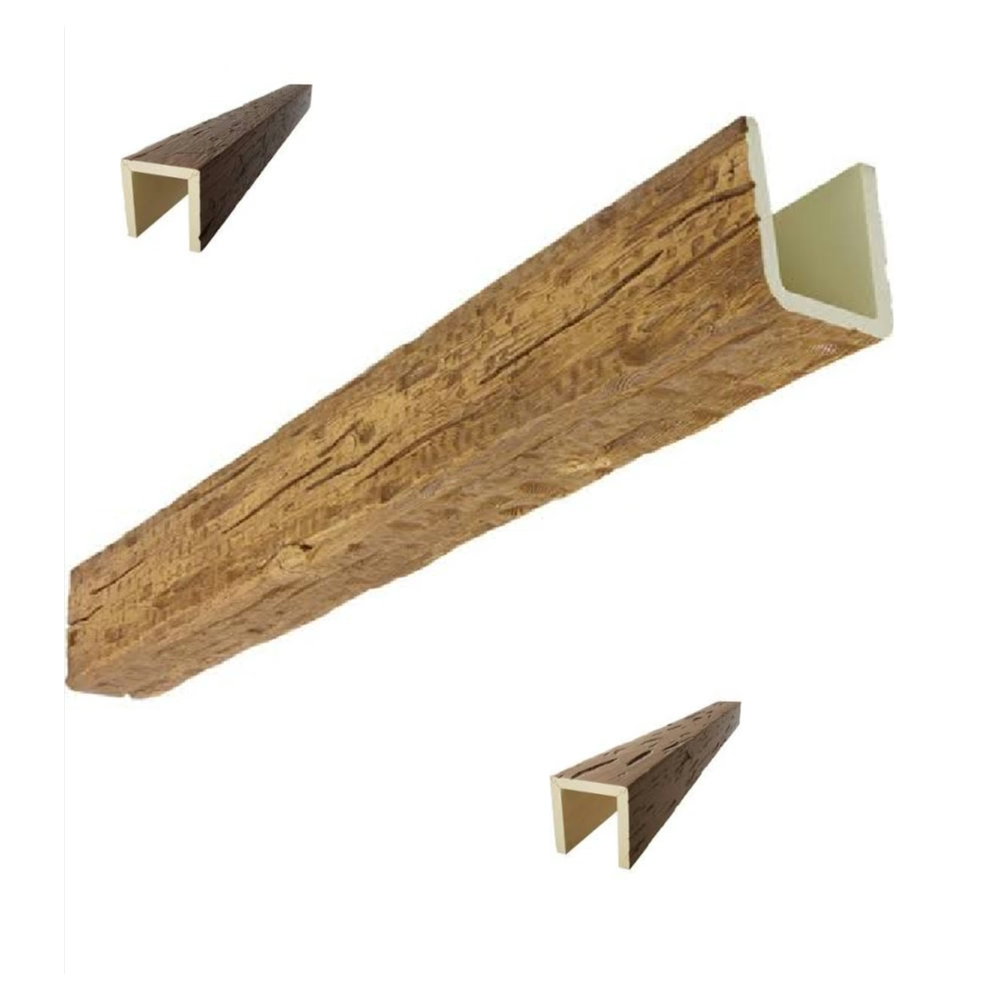
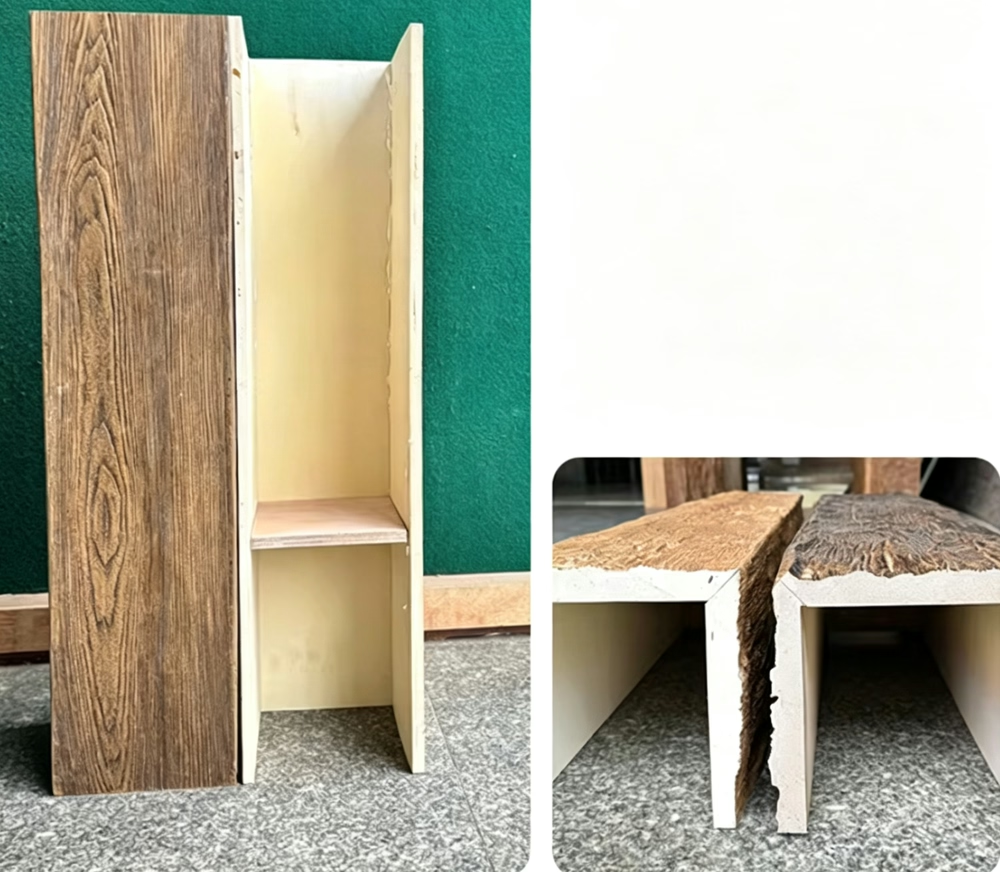
Polyurethane faux beams' light weight (under 2 pounds per linear foot for most profiles) reduces seismic force generation compared to solid wood alternatives. Lower mass produces proportionally lower seismic design forces.
Professional Engineering Review
Seismic Design Categories E and F typically require licensed structural engineer review of decorative ceiling element installations. This professional oversight ensures code compliance and proper load path design.
Documentation and Permitting
High seismic jurisdictions enforce strict permitting requirements for ceiling-mounted decorative work. Comprehensive installation documentation including fastener schedules and load calculations supports permit approval.
Conclusion
Seismic zone faux beam installations require enhanced mounting specifications, lateral bracing considerations, and often professional engineering review. Proper attention to seismic requirements ensures life-safety compliance while achieving desired architectural aesthetics in earthquake-prone regions.
Technical References
ASTM standards cited in every specification
Test Data
Lab results from internal testing program
Updated 2026
Reviewed against current product specs