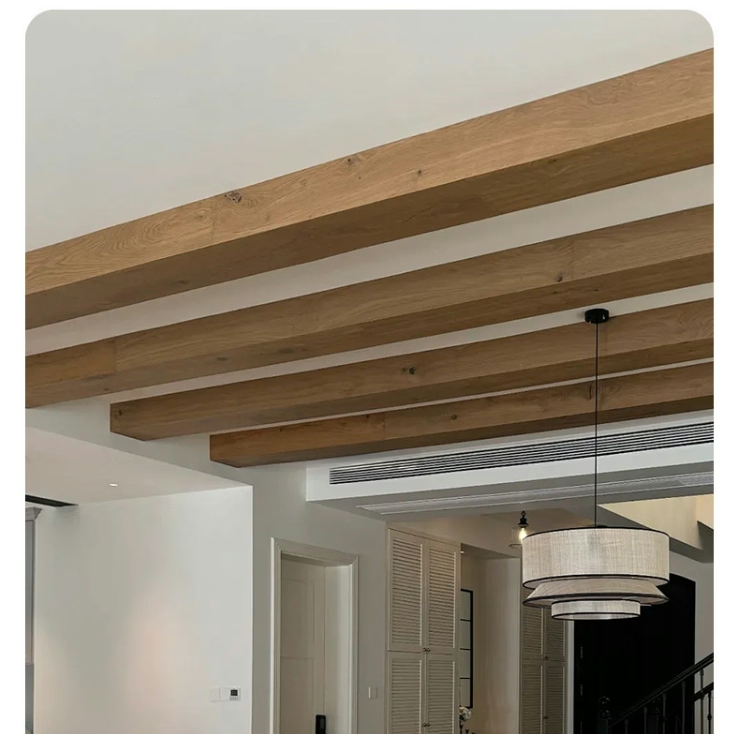
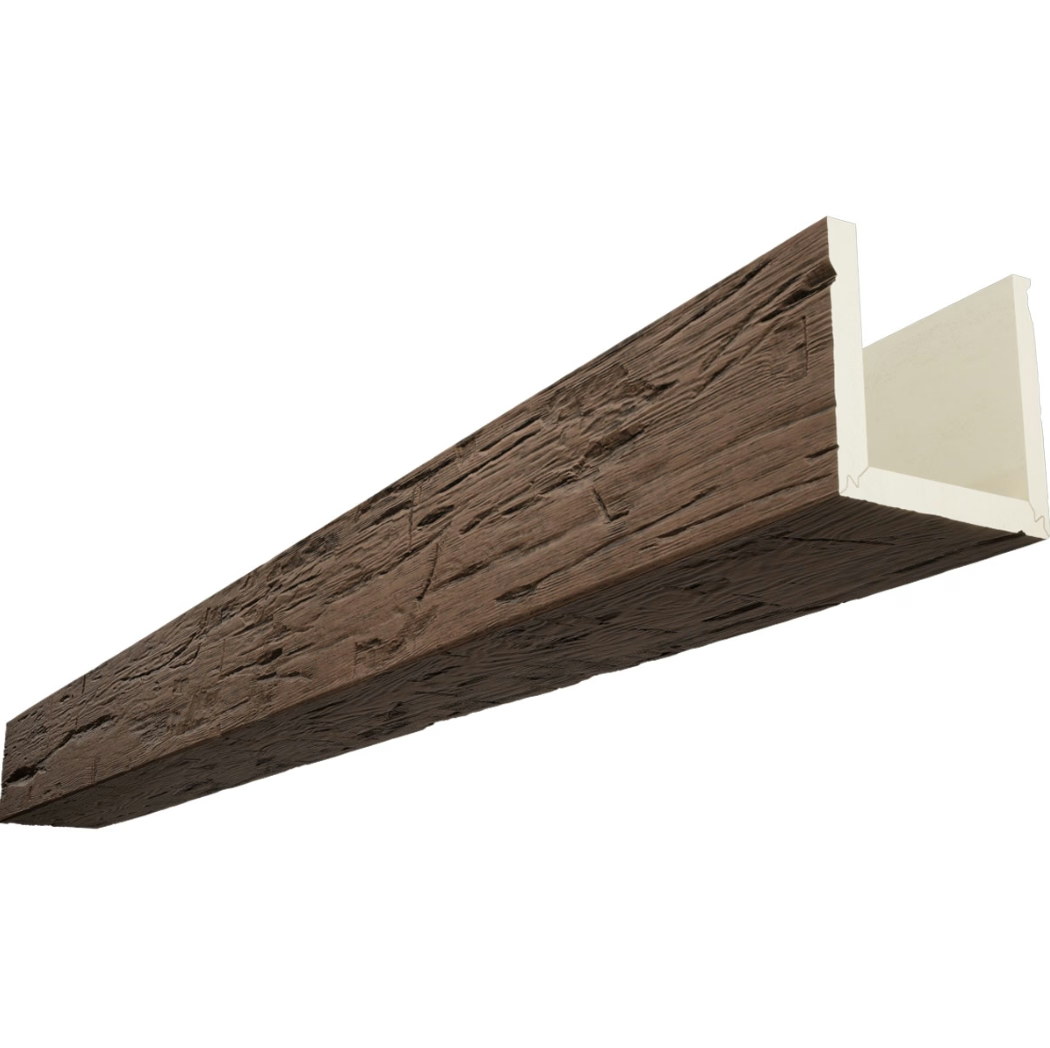
One of the first practical questions that arises when planning a ceiling beam installation is deceptively simple: how will these beams actually arrive? For contractors accustomed to working with dimensional lumber or steel beams, the logistics of shipping 12, 16, or even 20-foot decorative beams might seem straightforward. However, polyurethane faux beams present unique shipping considerations that differ significantly from traditional construction materials. Understanding these logistics upfront prevents costly surprises and helps you plan installations more effectively.
The core challenge with long decorative beams involves transportation regulations and practical handling constraints. Standard shipping containers, delivery trucks, and warehouse equipment all impose size limitations that may conflict with the desire for seamless, continuous beam runs. While technically possible to manufacture beams in extremely long lengths, actually getting those beams from factory to job site requires careful coordination and sometimes creative problem-solving.
Container and Transportation Constraints
International shipping typically relies on standard ocean freight containers, which impose strict dimensional limits. A 20-foot container offers approximately 19.5 feet of usable interior length, while a 40-foot container provides around 39.5 feet. These dimensions might seem sufficient for moderate-length beams, but beams approaching or exceeding container lengths create significant logistical complications that affect both cost and feasibility.
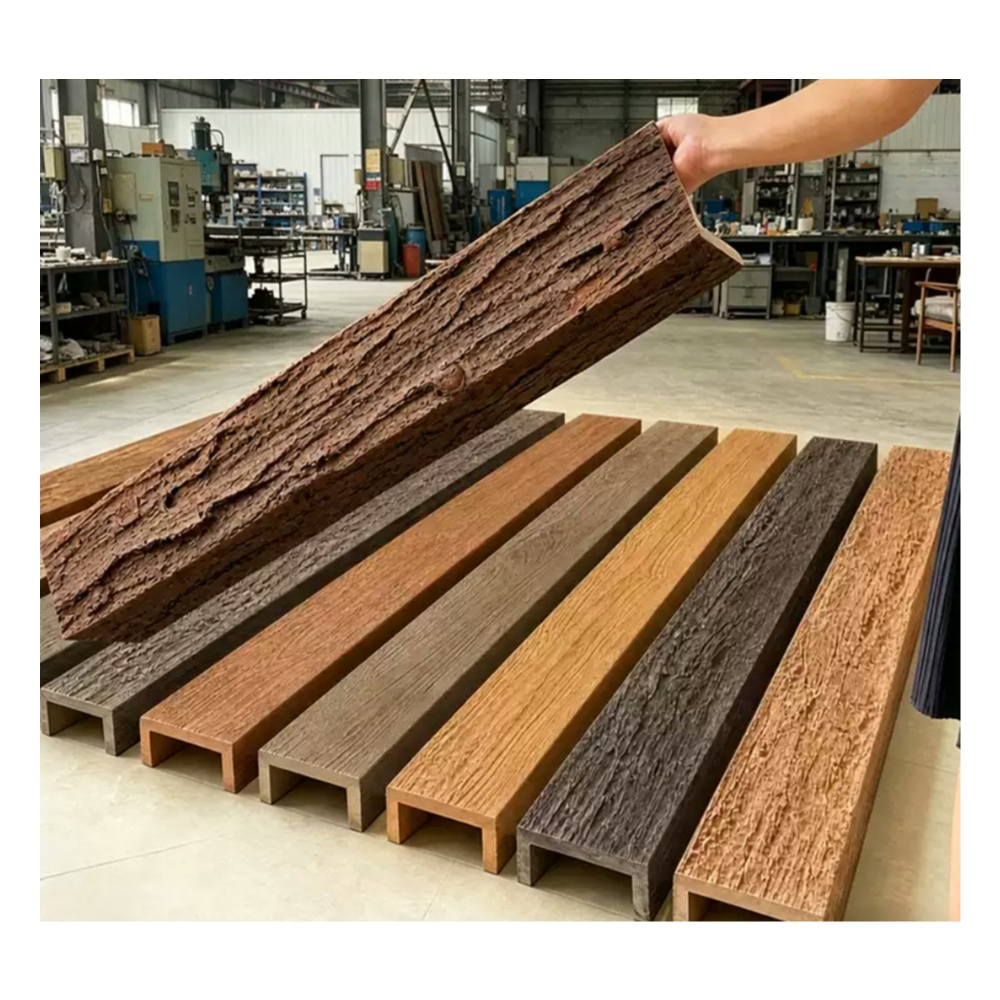
For beams longer than standard container dimensions, manufacturers typically offer two primary solutions. The first involves manufacturing beams in shorter segments that can be joined on-site using concealed connection methods. These joints, when properly executed, become virtually invisible once the beam is painted or stained to match surrounding surfaces. The second approach uses flat-pack shipping where beams are manufactured with interlocking profiles that nest efficiently, reducing effective length during transport.
Understanding these constraints becomes especially important for multi-beam orders. A single unusually long beam might require special shipping arrangements, while a container full of standard-length beams ships economically through normal channels. The cost difference between standard and oversized shipping can be substantial, sometimes adding hundreds of dollars to individual beam costs.
Domestic Shipping Considerations
For buyers receiving shipments within a single country, trucking regulations impose different but equally important length restrictions. Standard flatbed trailers can legally carry loads extending several feet beyond the truck bed, but escort vehicles and special permits become required for beams approaching extreme lengths. The additional cost and coordination complexity often make longer beams impractical despite their theoretical availability.
Many domestic distributors maintain regional inventory in common lengths, allowing faster fulfillment without international shipping complications. These stock items typically range from 6 to 12 feet, with 8 and 10-foot lengths representing the most readily available options. Projects requiring longer runs either combine multiple standard-length beams or special-order specific dimensions with appropriate lead time.
The last leg of delivery—moving beams from delivery vehicle to installation location—deserves particular attention for longer pieces. Residential job sites with limited access may struggle to maneuver 16-foot beams through doorways, around corners, and up staircases. Even beams that arrive intact may present challenging handling situations that affect installation timelines and labor costs.
Planning Your Beam Length Strategy
Successful beam projects typically begin with honest assessment of practical length requirements. Many installations that seem to demand continuous long beams can actually achieve comparable visual results using strategically placed shorter sections. The human eye perceives beam runs as continuous when sections connect smoothly, especially when the ceiling treatment includes other architectural elements that draw attention away from joints.
Consider the visual priorities for your specific installation. Exposed beam ends that terminate against walls or other beams require careful attention, and joints positioned in less visible locations prove easier to disguise. Working backward from these considerations often reveals that two or three standard-length beams can accomplish goals that would otherwise require expensive custom long-beam manufacturing and specialized shipping.
For projects genuinely requiring extended lengths, build adequate lead time into your planning. Custom manufacturing runs and specialized shipping arrangements take considerably longer than standard fulfillment. Some buyers find it worthwhile to source their longest beams through domestic suppliers who maintain inventory of unusual lengths, even at premium pricing, simply for the convenience and reliability of faster delivery.

Cost Implications of Shipping Lengths
The relationship between beam length and shipping cost isn't linear—it often involves stepped increases as shipments cross regulatory thresholds. A beam that fits within standard dimensions ships at base rates, while the same beam at an extra foot longer might trigger oversized load surcharges. Understanding these thresholds helps you make economically rational decisions about length requirements.
For commercial projects with established budgets, consulting with your supplier about shipping-optimized lengths early in the planning process often reveals cost-saving opportunities. The price difference between, say, a 14-foot and 16-foot beam might be minimal at manufacturing level, but the shipping cost difference could be substantial. Weighing these factors against actual visual requirements sometimes reveals that standard lengths serve the project perfectly well.
Grouping beam orders to maximize container utilization represents another cost-management strategy. Rather than ordering custom lengths that require dedicated shipping space, consolidating orders in standard lengths allows more efficient container packing. While this approach requires some flexibility in installation planning, the shipping savings can significantly offset any additional construction complexity.
Making It Work
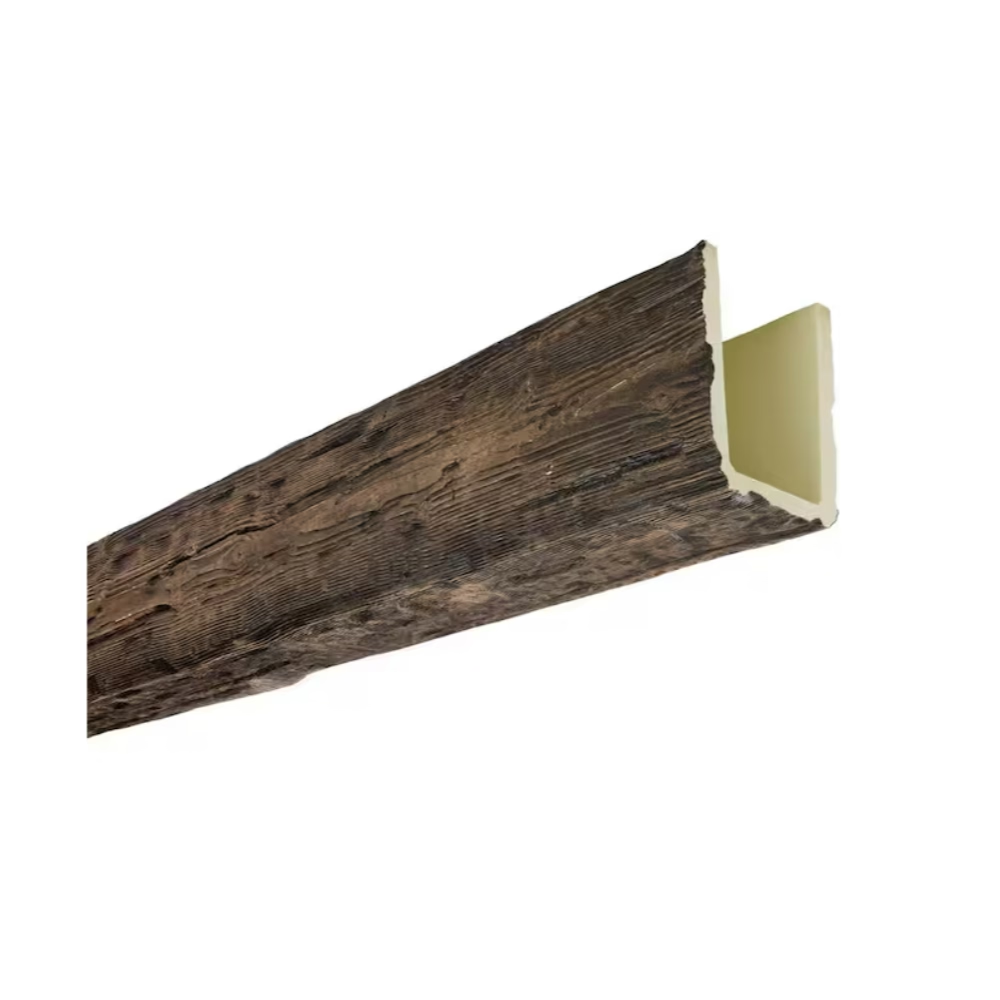
Shipping logistics for long faux wood beams require thoughtful planning but rarely represent insurmountable obstacles. Most installations can achieve their aesthetic goals using practical combinations of standard-length beams, strategically placed joints, and thoughtful installation sequencing. The key lies in addressing these considerations early in project planning rather than discovering constraints after construction has begun.
Communication with your supplier proves essential for managing shipping expectations. Reputable manufacturers and distributors maintain expertise in these logistics and can advise on practical length limitations, cost implications, and alternative approaches. Provide detailed information about your delivery location, site access, and installation timeline, and let experienced professionals help you develop a fulfillment strategy that meets both your design vision and practical constraints.
Technical References
ASTM standards cited in every specification
Test Data
Lab results from internal testing program
Updated 2026
Reviewed against current product specs