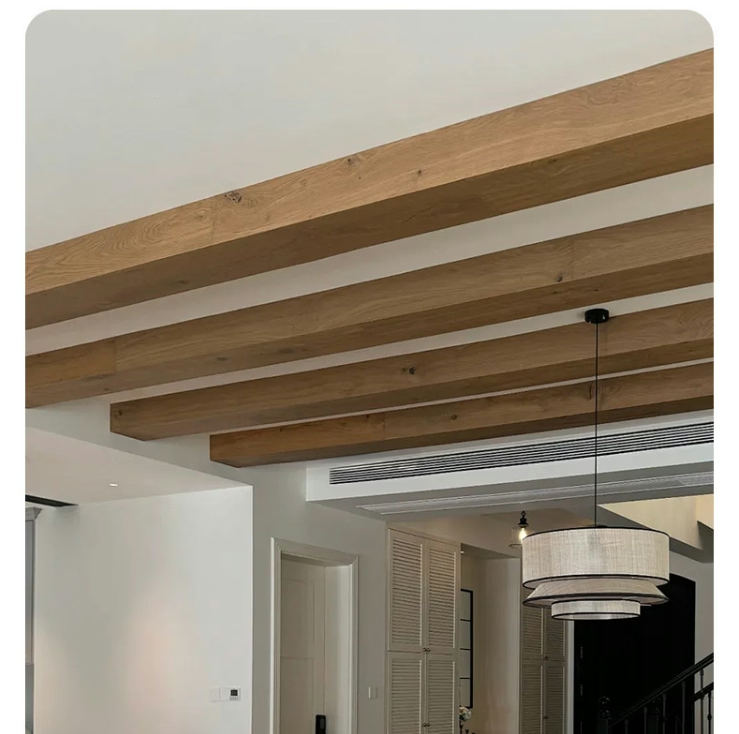
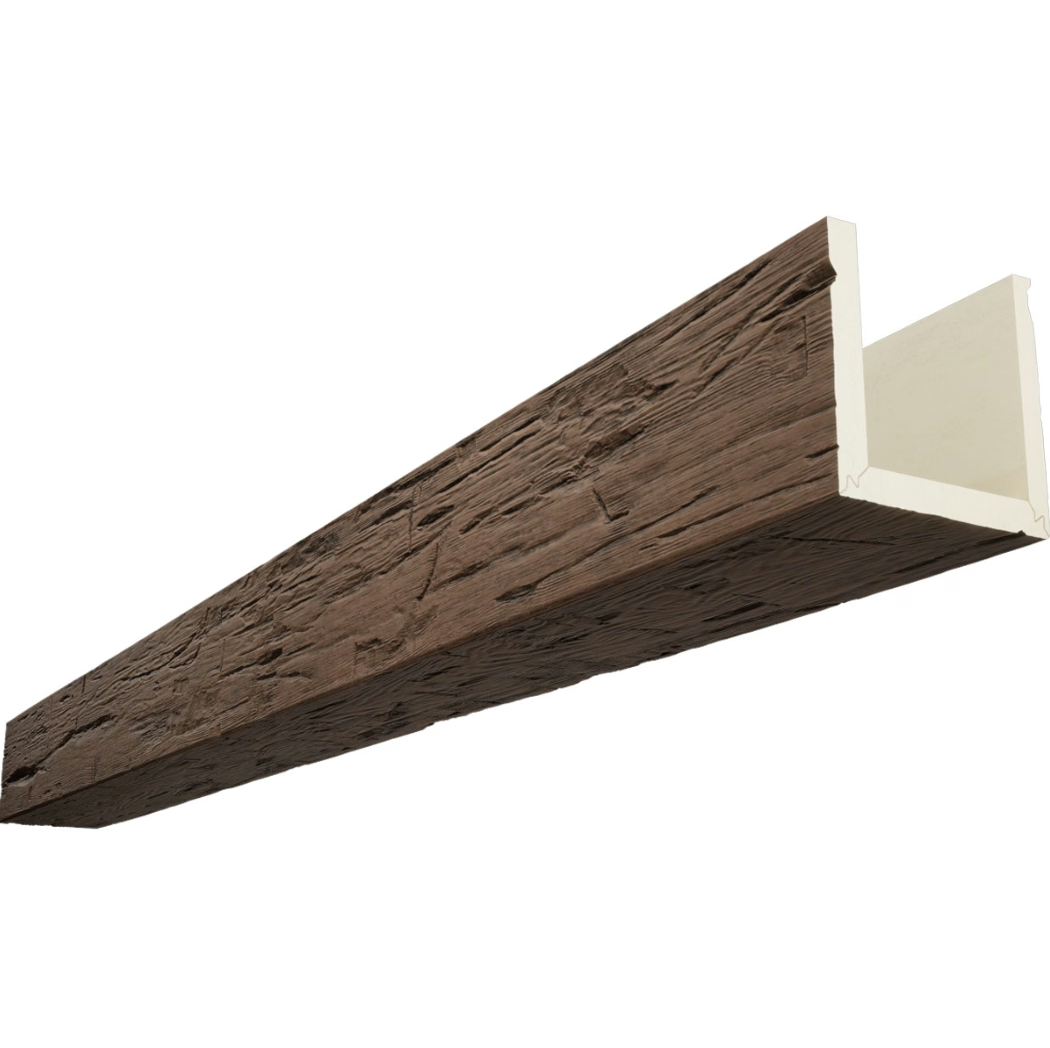
Shipping beams that stretch 10, 12, or even 16 feet presents challenges that shorter packages simply don't encounter. Every handling point along the supply chain—from factory loading to port operations to final delivery—creates opportunities for impacts, abrasions, and structural stress that might not become apparent until installation reveals surface damage or hairline fractures. Protecting long polyurethane faux beams during transit requires deliberate packaging strategies that address these unique vulnerabilities.
The fundamental physics of long, relatively lightweight packages work against secure transportation. Unlike dense, heavy cargo that settles firmly into position, lighter beams can shift, pivot, and generate momentum during sudden stops or vehicle movements. Without proper restraint, even gentle handling can produce concerning results. Understanding these dynamics helps buyers evaluate whether their suppliers implement adequate protective measures.
Understanding Transit Stress Factors
Long beams in transit experience several distinct types of stress that packaging must address. Compression stress occurs when cargo above or beside the beams shifts during movement, concentrating force on vulnerable points. Tension stress develops when beams are insufficiently supported at their centers, causing the beam to bow under its own weight or the weight of packaging materials stacked above. Impact stress results from collisions with loading equipment, other packages, or container walls during transport.
The polyurethane material used in quality faux beams offers excellent durability for its weight, but it has different failure modes than wood or steel. Rather than splintering or bending visibly, polyurethane may develop micro-fractures that aren't immediately apparent but compromise the beam's structural integrity over time. Surface finishes can chip or scratch without necessarily indicating deeper damage, yet still require repair before installation.
Environmental factors compound these mechanical stresses. Humidity variations during ocean shipping cause container walls to sweat, potentially affecting cardboard packaging components. Temperature fluctuations can affect certain adhesives used in layered beam construction. While quality manufacturers select materials tolerant of these conditions, inadequate packaging can allow environmental exposure to cause damage that wouldn't otherwise occur.
Essential Packaging Components
Effective beam protection begins with appropriate base packaging. Individual beams should receive foam or cardboard wrapping at vulnerable areas—ends, corners, and any protruding mounting hardware locations. This primary wrapping absorbs initial impacts and prevents surface contact with harder materials that might cause abrasion damage. The wrapping should extend well beyond obviously exposed areas since beams can shift during handling and expose unwrapped sections.
Structural support within the package prevents beam flexing that causes internal stress. For longer beams, internal support elements like wooden battens or rigid foam inserts maintain the beam's shape during handling and prevent the bowing that leads to micro-fracturing. These supports should distribute load evenly rather than concentrating pressure at specific points.
External packaging—the crate, pallet, or bundle wrapping that contains everything together—must provide adequate protection against the external environment and handling equipment. Wooden crates offer excellent protection for long beams, though they add significant weight and cost. Pallet-based packaging with strapping and corner protection works well for domestic shipping or when containers aren't exposed to excessive handling. The choice between packaging types involves balancing protection level against shipping cost.
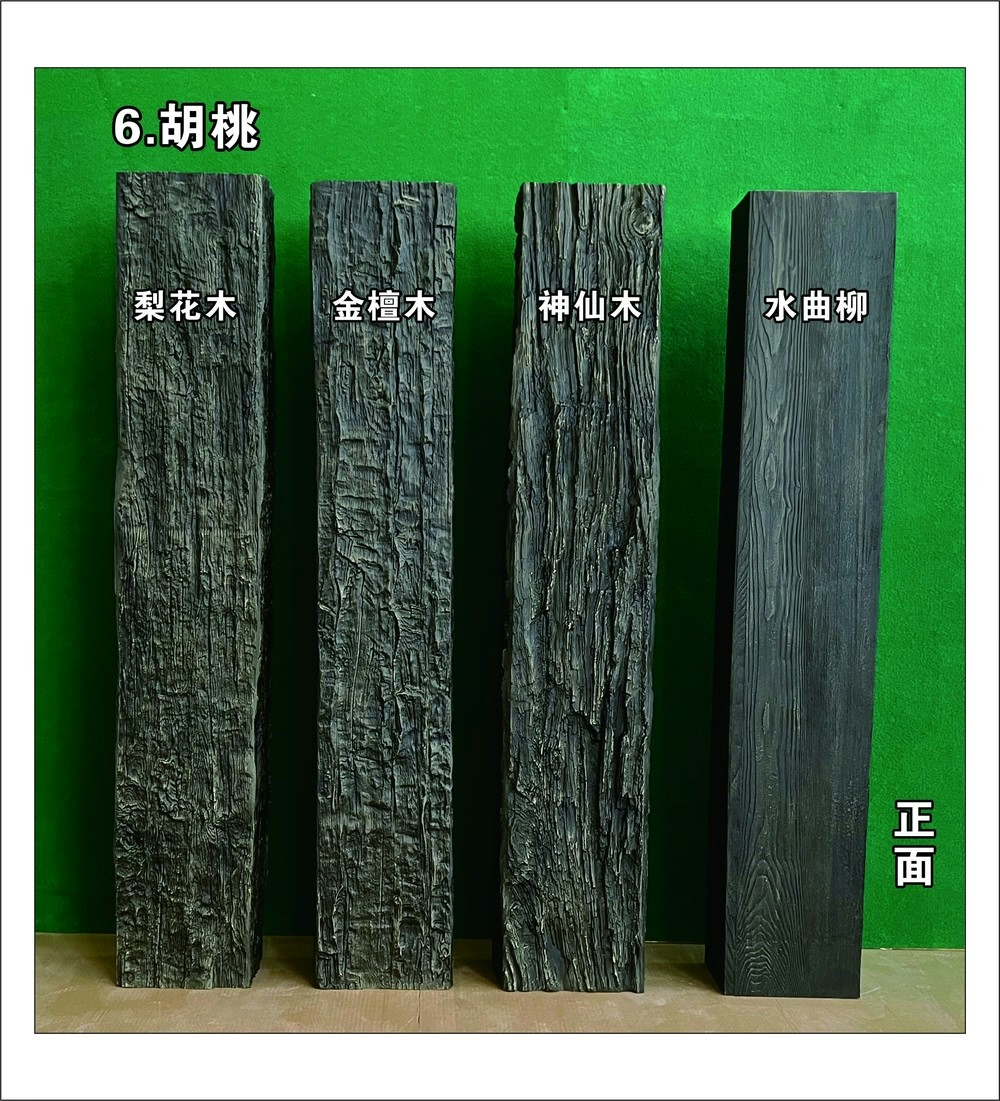
Loading and Restraint Techniques
How beams are positioned within shipping containers affects their vulnerability to transit damage. Ideally, beams should rest on their full length rather than on discrete support points, distributing weight evenly and minimizing localized stress. Supports should align with structural strengthening elements within the beam design—often near mounting locations or where internal reinforcement exists.
Horizontal stacking of multiple beams requires careful interlayer protection. Cardboard sheets or foam padding between beams prevent surface damage from beam-to-beam contact during transit. Limiting stack height prevents excessive weight crushing lower beams, and lighter beams should generally occupy lower positions in stacks rather than being compressed beneath heavier packages.
Restraint strapping and blocking within containers prevents beam movement during shipping. Shifting cargo generates the majority of transit damage, and even small movements accumulate into significant stress over thousands of miles. Professional freight forwarders understand proper blocking and bracing techniques, but buyers should confirm that their suppliers specify adequate container loading requirements rather than relying on standard procedures designed for more robust cargo.

Receiving and Inspection Protocols
Despite best packaging efforts, some damage still occurs during shipping. Establishing clear inspection protocols upon receipt helps identify problems while recourse remains available. Never sign delivery documents without conducting at least a cursory external inspection, noting any visible damage on the receiving documentation. Photographs of shipping containers before unloading provide valuable documentation if damage claims become necessary.
Detailed inspection should occur as soon as practical after delivery, ideally before beams are moved from the delivery location. Check all surfaces for scratches, chips, or finish damage. Examine ends and corners carefully, as these areas prove most vulnerable to impact damage. For longer beams, sight down the length checking for bowing or warping that might indicate internal damage. Tap lightly along the beam surface listening for any changes in sound that might indicate delamination or internal fractures.
Document any damage immediately with photographs and written descriptions, contacting your supplier within the timeframe specified for damage claims. Most reputable suppliers maintain procedures for addressing shipping damage, and timely reporting improves the likelihood of successful resolution. Keep damaged packaging materials until claims are resolved, as insurance adjusters sometimes require evidence of inadequate packaging.
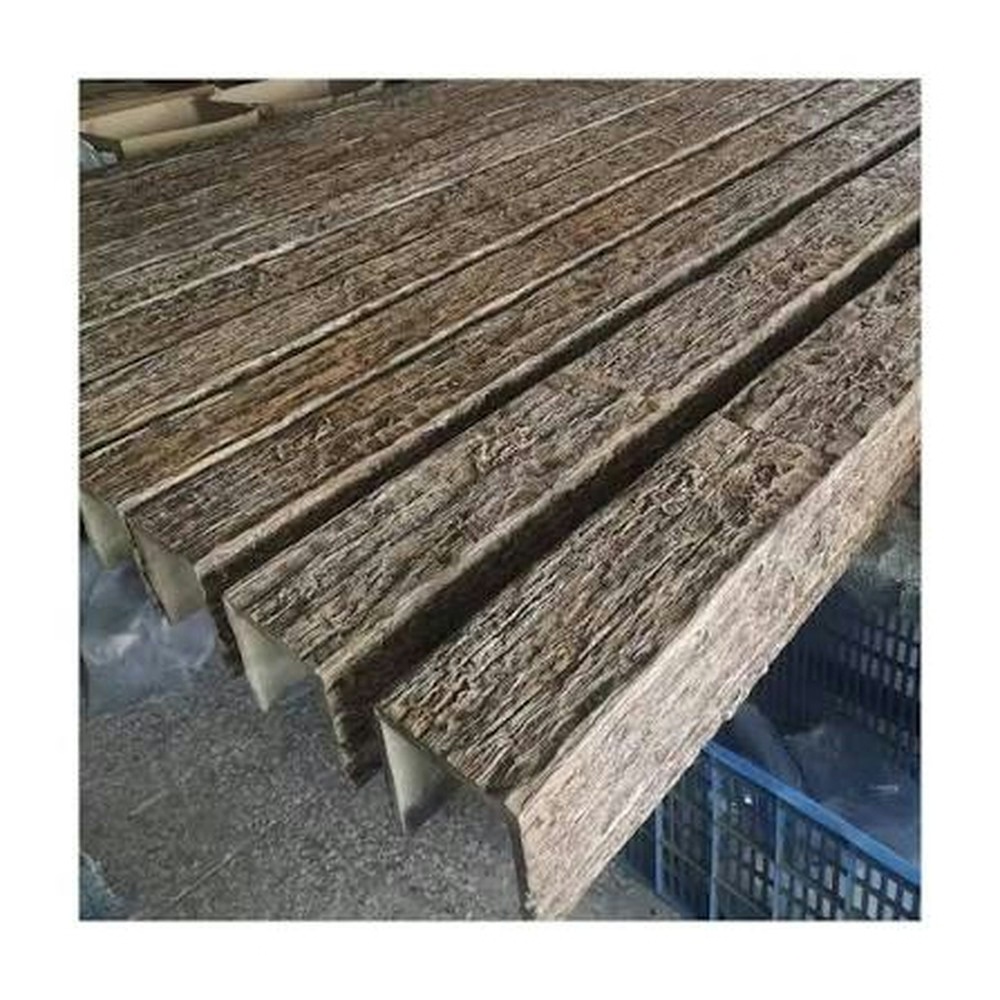
Working with Suppliers on Protection
Buyers who regularly import faux beams benefit from establishing clear packaging requirements with their suppliers. Standard packaging specifications included in purchase orders ensure both parties understand protection expectations before shipment. These specifications might reference industry standards, specify particular packaging materials, or require certain documentation like photographs of packed containers.
For important or large shipments, consider requesting pre-shipment inspection by a third-party service. The inspection cost often proves worthwhile by catching packaging deficiencies before beams leave the factory. Inspectors can verify that specified packaging materials were actually used, that loading was performed correctly, and that any red flags are addressed before cargo enters the shipping chain.
Building relationships with suppliers who prioritize packaging quality pays long-term dividends. Suppliers who understand the importance of protective packaging become partners in preventing damage rather than passive manufacturers who meet minimum specifications. Communicate your satisfaction when shipments arrive in excellent condition, and discuss packaging concerns promptly when problems occur.
Technical References
ASTM standards cited in every specification
Test Data
Lab results from internal testing program
Updated 2026
Reviewed against current product specs