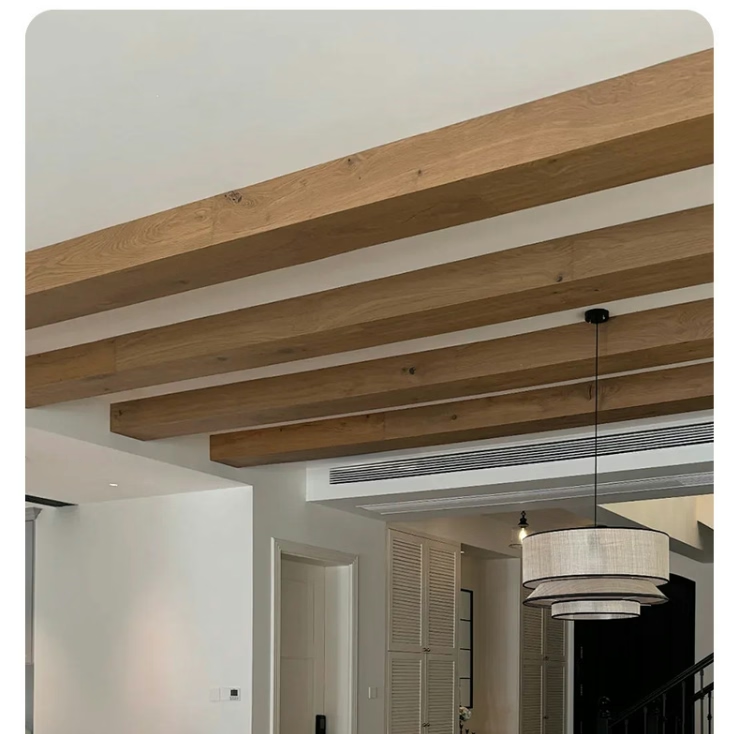
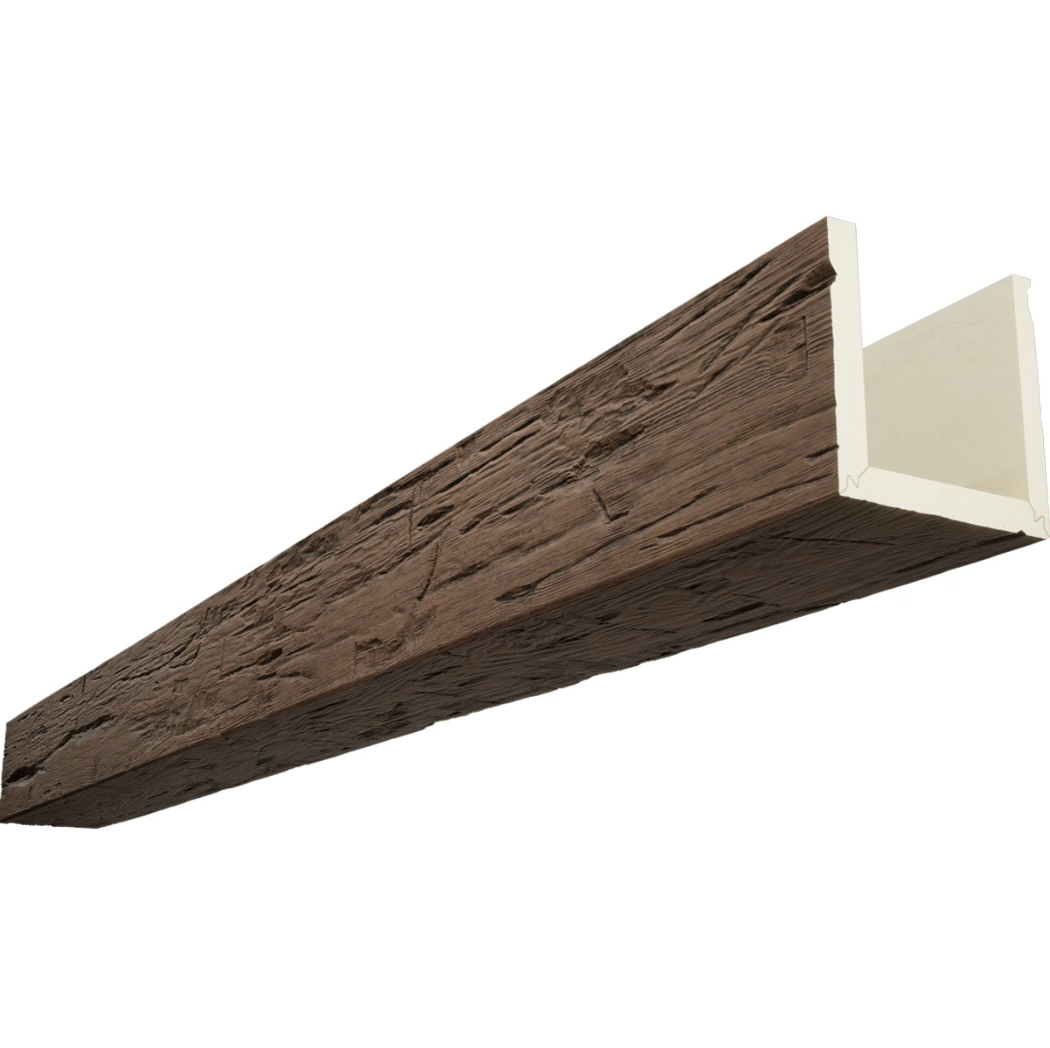
Architectural projects occasionally demand beam lengths that push against practical shipping limits. A great room with a 20-foot ceiling height might require beams that extend nearly that length for dramatic effect. Commercial spaces with unusual proportions sometimes need custom dimensions that fall outside standard manufacturing catalogs. When your project requires beams longer than conventional transport can easily accommodate, specialized shipping solutions bridge the gap between manufacturing capability and site delivery.
The extra-long beam challenge isn't merely about finding larger trucks or containers. Regulatory requirements, route limitations, handling equipment availability, and site access considerations all factor into whether an extra-long beam can actually reach its destination. Understanding these constraints helps you plan realistically and identify the most practical path forward for your specific situation.
Regulatory Framework for Oversized Loads
In the United States, loads exceeding certain dimensional thresholds require permits for highway transport. Width restrictions typically allow up to 102 inches without special permits, while height limits often fall around 13.5 to 14 feet. Length restrictions vary more significantly by state, with some allowing considerable overhang on properly marked vehicles while others impose stricter limits. International transport adds layers of complexity as each country along the route applies its own regulations.
The permit application process for oversize loads requires advance planning. Routes must be surveyed to identify clearances, turning radius limitations, and any obstacles that might prevent passage. Some states require escort vehicles to accompany oversized loads, particularly for night transport or when loads exceed specific thresholds. The permit cost itself varies widely depending on dimensions, distance, and state-specific fee structures.
Beyond state-level permits, certain routes simply cannot accommodate extra-long loads regardless of permissions. Low bridges, narrow streets, weight-restricted roads, and areas with tight turning requirements may be impassable for extended trailers. Projects in urban areas or older neighborhoods face higher likelihood of route limitations that prevent oversized delivery.
Special Equipment Options
Standard flatbed trailers typically max out at around 53 feet of usable deck space, which handles most beam lengths reasonably well. For truly extra-long requirements, specialized equipment options exist but involve increased cost and coordination complexity. Extendable trailers, sometimes called double-drop or stretch trailers, offer variable length configurations that adapt to specific cargo requirements. These vehicles can extend to accommodate longer loads while remaining legal on most standard routes.
Removable gooseneck trailers (RGN) provide another option for extra-long cargo. These trailers allow cargo to be loaded from the front, driving directly onto the trailer deck, which simplifies loading and unloading while accommodating unusual cargo lengths. The gooseneck section detaches during transport, creating a low profile that handles height restrictions better than standard equipment.
For extreme length requirements, some projects benefit from professional heavy haul carriers who specialize in unusual cargo. These companies maintain specialized equipment, route planning expertise, and regulatory knowledge that simplifies otherwise daunting transport challenges. While the cost premium over standard shipping can be substantial, the convenience and reliability often justify the investment for critical project materials.
Site Access Considerations
Even when transport to the general location succeeds, final delivery to the installation site presents additional challenges. Driveways too narrow for extended vehicles, overhead obstacles preventing approach, or terrain unsuitable for heavy trucks all create potential delivery failures. Assessing site access before committing to extra-long beam orders prevents expensive surprises at delivery time.
For residential projects requiring extra-long beams, evaluating the approach route carefully helps determine feasibility. Measure gate widths, account for tree branches, note any low-hanging utilities, and consider whether the delivery vehicle can maneuver into position for unloading. Sometimes a 20-foot beam can reach the site but cannot physically enter the property, requiring creative unloading solutions.
Commercial and institutional projects typically have better access infrastructure but may face different constraints. Loading docks, parking structures, and service entrances all impose their own dimensional limitations. Coordination with facility management helps identify the most practical delivery approach and any preparations needed to accommodate oversized shipments.

Planning Strategies for Long Beam Projects
Smart project planning addresses extra-long beam logistics early rather than discovering limitations late in the process. Before finalizing design decisions, consult with suppliers about realistic length capabilities and shipping options. Manufacturers who regularly produce extra-long beams maintain relationships with specialized carriers and can advise on practical limitations for specific destinations.
Build adequate lead time into project schedules to accommodate specialized shipping arrangements. Permits require application processing time, equipment scheduling, and route coordination that standard shipping doesn't involve. Projects that require permits, specialized carriers, or unusual logistics should anticipate additional weeks compared to standard delivery timelines.
Consider whether design modifications might achieve similar aesthetic results with more practical beam lengths. Strategically placed joints, carefully positioned beam ends, or complementary ceiling treatments can often create dramatic effects using lengths that ship conventionally. The goal is beautiful results, not necessarily maximum beam length, and sometimes creative design alternatives deliver superior outcomes more reliably.
Cost Management for Extended Delivery
The premium for extra-long beam shipping varies based on distance, dimensions, and specific route requirements. Route surveys alone might cost several hundred dollars, while permits can range from tens to hundreds of dollars depending on jurisdiction. Specialized equipment and escort vehicles add additional cost layers that accumulate quickly.
Comparing the total cost of extra-long beam delivery against alternatives helps evaluate whether the approach makes economic sense. Sometimes manufacturing and shipping a custom extra-long beam costs more than several shorter beams plus additional installation labor to create a comparable effect. Factor in all project costs when making length decisions rather than focusing narrowly on beam pricing.
For recurring projects requiring extra-long beams, establishing relationships with specialized carriers provides ongoing cost benefits. Carriers familiar with your shipping patterns can offer better rates and more predictable scheduling than spot-market arrangements. Some buyers find value in maintaining multiple carrier relationships for different geographic regions or beam length requirements.
Making Extra-Long Beams Work
Extra-long faux wood beams remain achievable for projects that genuinely require them, but success requires thoughtful planning and realistic expectations. Regulatory compliance, specialized equipment, site access, and cost considerations all factor into viable solutions. Early planning, supplier consultation, and contingency preparation help ensure that dramatic long-beam installations reach completion without unnecessary complications.
Technical References
ASTM standards cited in every specification
Test Data
Lab results from internal testing program
Updated 2026
Reviewed against current product specs