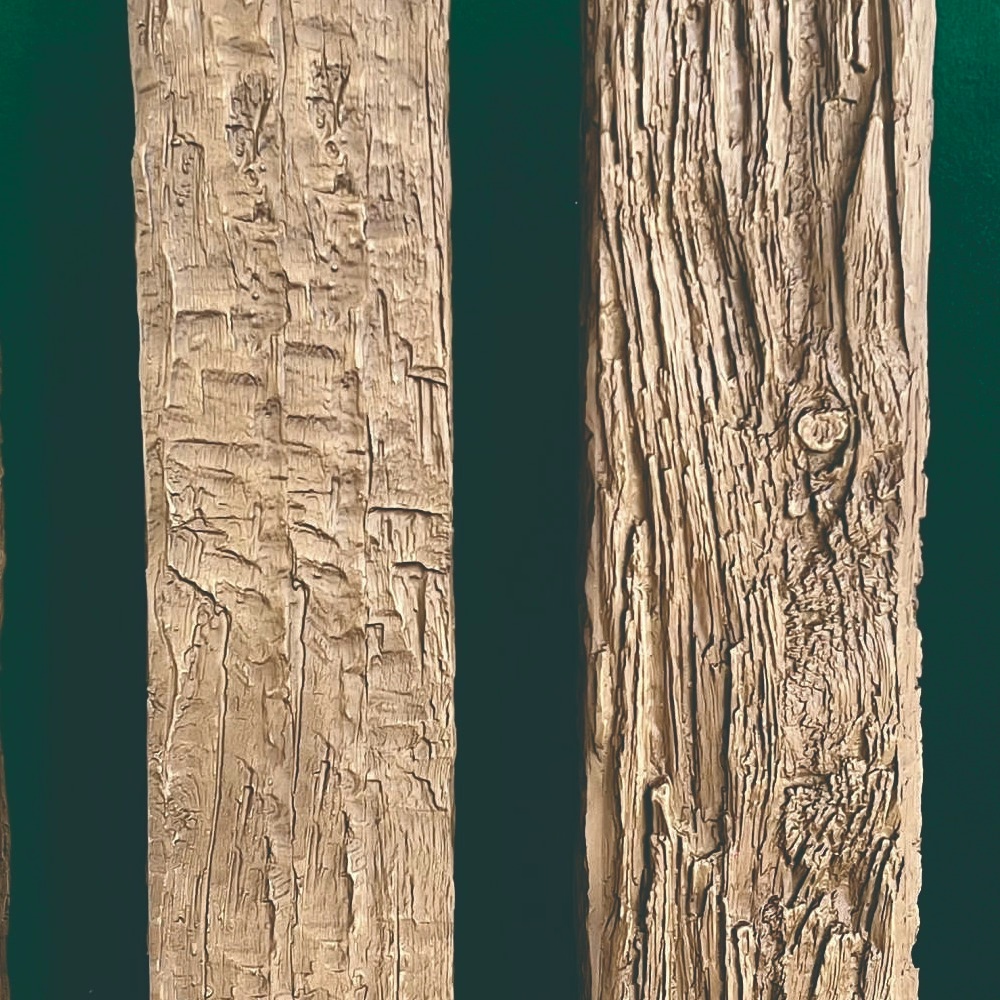
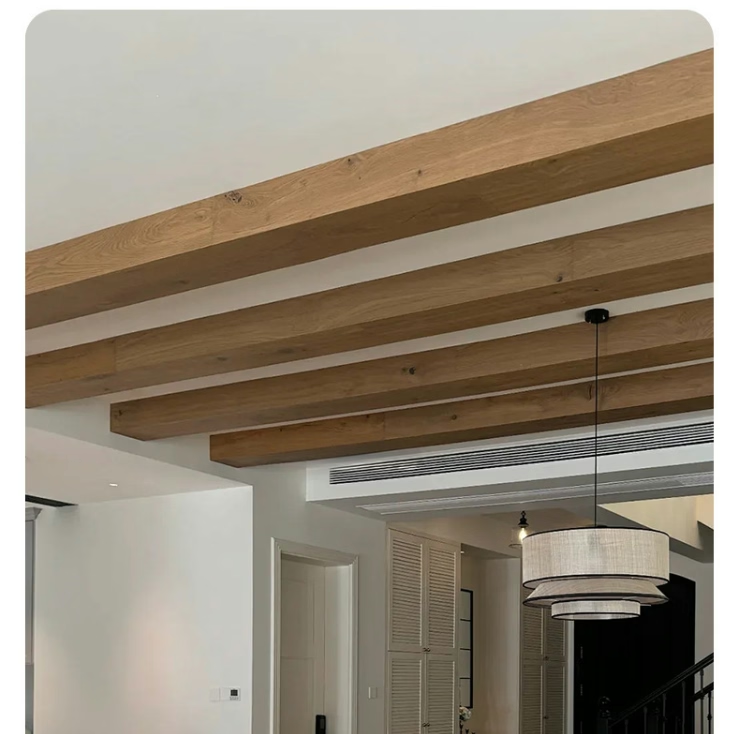
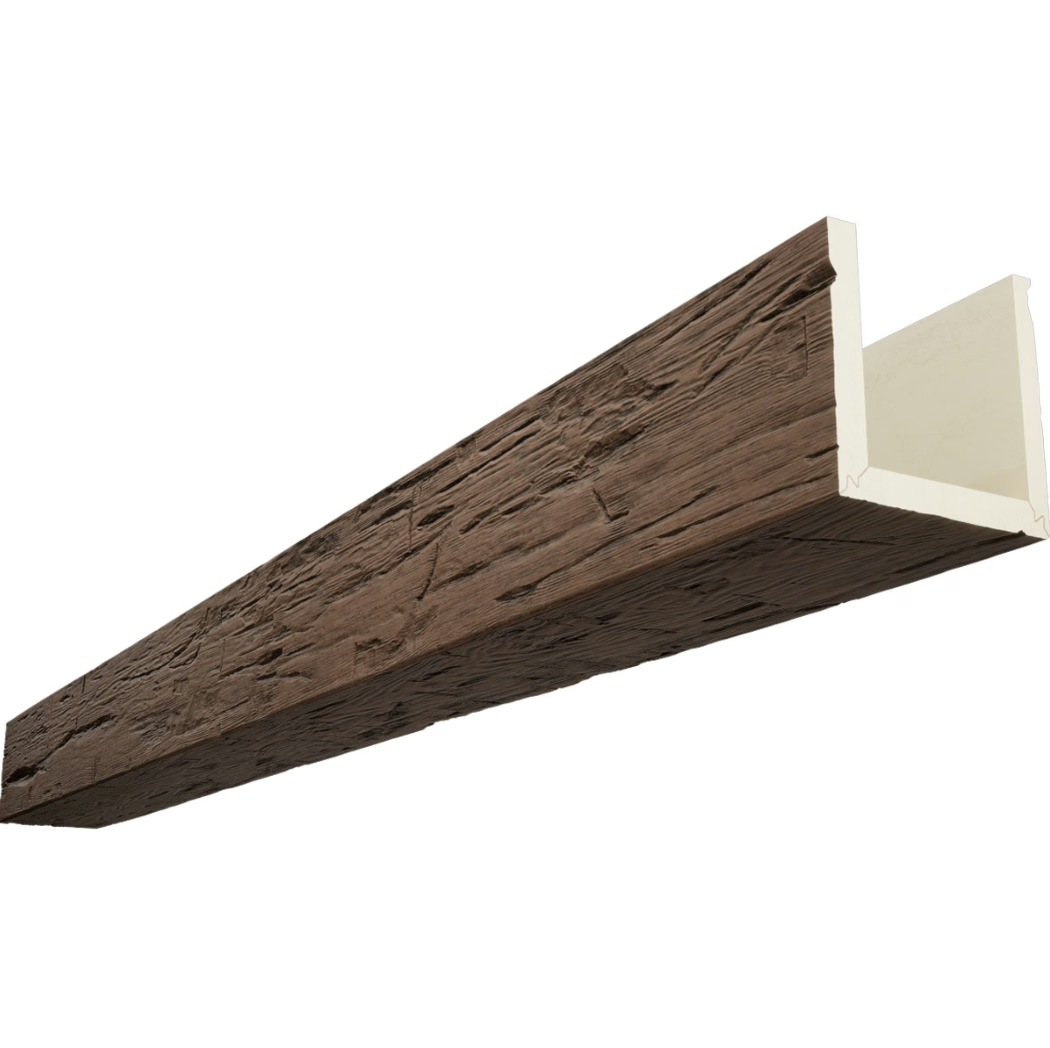
Polyurethane faux beams occupy an interesting position in the building materials world—they're lightweight enough to install without structural support, yet rigid enough that impact damage creates permanent visible problems. This combination makes shock resistance during shipping particularly important. Unlike heavy timber that tolerates rough handling or fragile items that arrive with obvious damage, polyurethane beams may appear undamaged after shipping only to reveal problems during installation when cutting or mounting reveals internal fractures.
The lightweight nature of polyurethane creates handling dynamics that differ from traditional construction materials. Workers unfamiliar with the material may not adjust their handling techniques appropriately, treating these beams more roughly than warranted by their fragility. Robust shock-resistant packaging compensates for this uncertainty, providing protection that accounts for variable handling intensity.
Material Properties and Packaging Implications
Understanding why polyurethane requires specific packaging considerations begins with understanding the material itself. Polyurethane foam used in faux beam manufacturing ranges in density from approximately 6 to 15 pounds per cubic foot depending on the product line and manufacturer. This lightweight composition provides excellent insulation properties and workability, but the cellular structure that makes these benefits possible also creates vulnerability to certain types of damage.
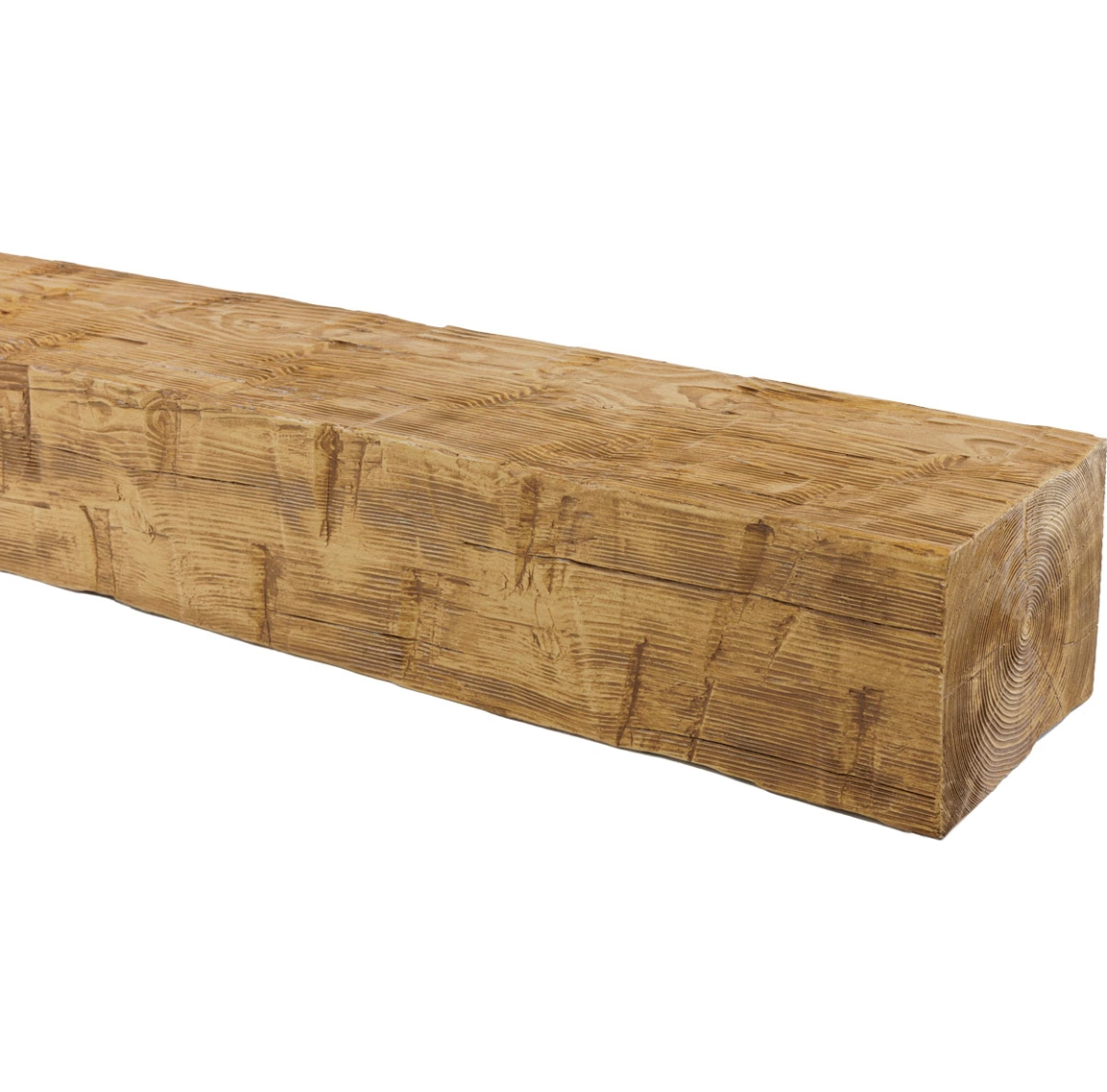
Concentrated impacts can compress or fracture polyurethane cells, creating dents, cracks, or delamination that may not be immediately visible. Unlike wood, which shows impact damage clearly, polyurethane may absorb moderate impacts without showing surface evidence while suffering internal structural compromise. The wood-grain overlay typically applied to these beams adds another consideration—adhesive bonds between foam core and surface veneer must withstand shipping stresses or face delamination risk.
These material characteristics inform packaging requirements. Protection must prevent concentrated impacts, distribute loads across broader areas, and maintain internal support that prevents flexing stress. Packaging that would adequately protect heavy timber or fragile ceramics may prove insufficient for polyurethane beams, making shock resistance specifically relevant to this material category.
Core Packaging Components
Effective shock-resistant packaging for polyurethane beams combines multiple protective elements into a system rather than relying on single solutions. The primary impact-absorption layer typically consists of foam materials selected for their cushioning properties. Polyethylene foam sheets or custom-molded foam inserts conform to beam profiles, filling voids and providing consistent support across the entire surface.
Corner protection receives particular attention in quality packaging. Corners represent the most vulnerable points for impact damage, and concentrated protection here pays dividends in overall damage reduction. Pre-molded foam corners, rigid corner boards, or reinforced cardboard corner guards all serve this function. The protection must remain effective even when packages shift and rotate during handling.
Outer containers for shock-resistant packaging must provide structural support that maintains protective materials in position. Double-wall cardboard boxes, wooden crates, or reinforced pallets all serve this function depending on shipment size and transport mode. The outer container's rigidity determines how effectively internal cushioning materials perform—if the outer container crushes, internal protection loses effectiveness regardless of its quality.
Cushioning Design Principles
Packaging engineers apply specific principles when designing shock-resistant cushioning systems. The cushioning material must have appropriate firmness for the cargo weight, neither too soft to compress excessively under load nor too firm to transmit shocks rather than absorbing them. For polyurethane beams, foam densities in the 1.2 to 2.0 pound per cubic foot range typically provide appropriate cushioning performance.
Cushion thickness affects protection effectiveness dramatically. Thicker cushioning provides more impact absorption capacity but adds to packaging size and shipping cost. The optimal thickness depends on expected drop heights, handling intensity, and cargo fragility. For long beams, cushioning must extend the full length rather than concentrating protection at obviously vulnerable areas—impacts can occur anywhere along the package surface.
Compression and deflection characteristics of cushioning materials determine how they perform under sustained loads. During ocean shipping, cargo experiences constant low-level vibration that can compress soft cushioning materials over time. Quality packaging specifies materials with appropriate compression set resistance, maintaining protective properties throughout extended transit periods rather than compacting into ineffective layers.

Handling and Stacking Considerations
How packages are stacked and handled during shipping affects shock exposure levels. Heavy packages should never be stacked on top of delicate polyurethane beam packages, regardless of outer packaging strength. Even momentary overloading can compress cushioning materials and transmit damaging stress to beam contents. Clear labeling indicating "DO NOT STACK" or weight limits helps logistics personnel handle packages appropriately.
Orientation matters for long packages like beams. Packages marked with orientation arrows should remain in specified positions throughout transit. Rotating a package 90 degrees changes how gravity and handling forces affect the contents, potentially exposing vulnerabilities that correct orientation would protect. Quality packaging designs consider likely handling orientations and provides protection accordingly.
During loading and unloading, beam packages deserve the same careful handling as other fragile items. Forklift tines, crane hooks, and conveyor systems all pose potential impact sources. Packages should never be dropped or thrown, even short distances. For unitized loads of multiple beams, ensuring stable stacking before transport prevents collapse scenarios that generate severe shock exposure.
Evaluating Packaging Quality
Buyers can assess packaging quality through several indicators without requiring engineering expertise. Visual inspection of packaging materials reveals whether appropriate protective elements are present—foam corners, adequate wall thickness, and proper closure methods. The overall construction should feel substantial and well-joined, without loose components or obvious weak points.
Packaging weight relative to content weight provides another quality indicator. Extremely lightweight packaging for heavy beams suggests insufficient protection. Professional suppliers typically specify packaging weights that provide adequate protection, and buyers should question quotes that seem unexpectedly low in packaging cost—the savings may reflect inadequate protection rather than efficiency.
Requesting packaging samples before placing large orders allows physical evaluation. Examining how packaging performs when tapped, squeezed, or oriented differently helps identify potential vulnerabilities. Professional suppliers willingly provide samples and specifications, treating informed buyers as partners rather than obstacles. Quality packaging should inspire confidence that contents will survive expected shipping conditions.
Building a Protection Partnership
Effective shock-resistant packaging results from collaboration between buyers who understand their shipping conditions and suppliers who understand protective materials. Communicate your typical shipping routes, handling expectations, and any previous damage issues when discussing packaging requirements. Suppliers can then specify protective systems calibrated to your actual needs rather than minimum legal requirements.
For important projects or new suppliers, consider having packaging evaluated by professionals who specialize in this area. Packaging consultants can assess designs, recommend improvements, and verify that protective systems match cargo vulnerabilities. This investment often proves worthwhile for significant orders where shipping damage would create substantial financial and schedule impacts.
Documentation of packaging specifications and actual packing practices provides valuable reference for future orders. When shipments arrive in good condition, note what worked well. When problems occur, document the damage pattern to identify whether packaging improvements might prevent recurrence. This continuous improvement approach gradually optimizes packaging for your specific shipping patterns and beam products.
Technical References
ASTM standards cited in every specification
Test Data
Lab results from internal testing program
Updated 2026
Reviewed against current product specs