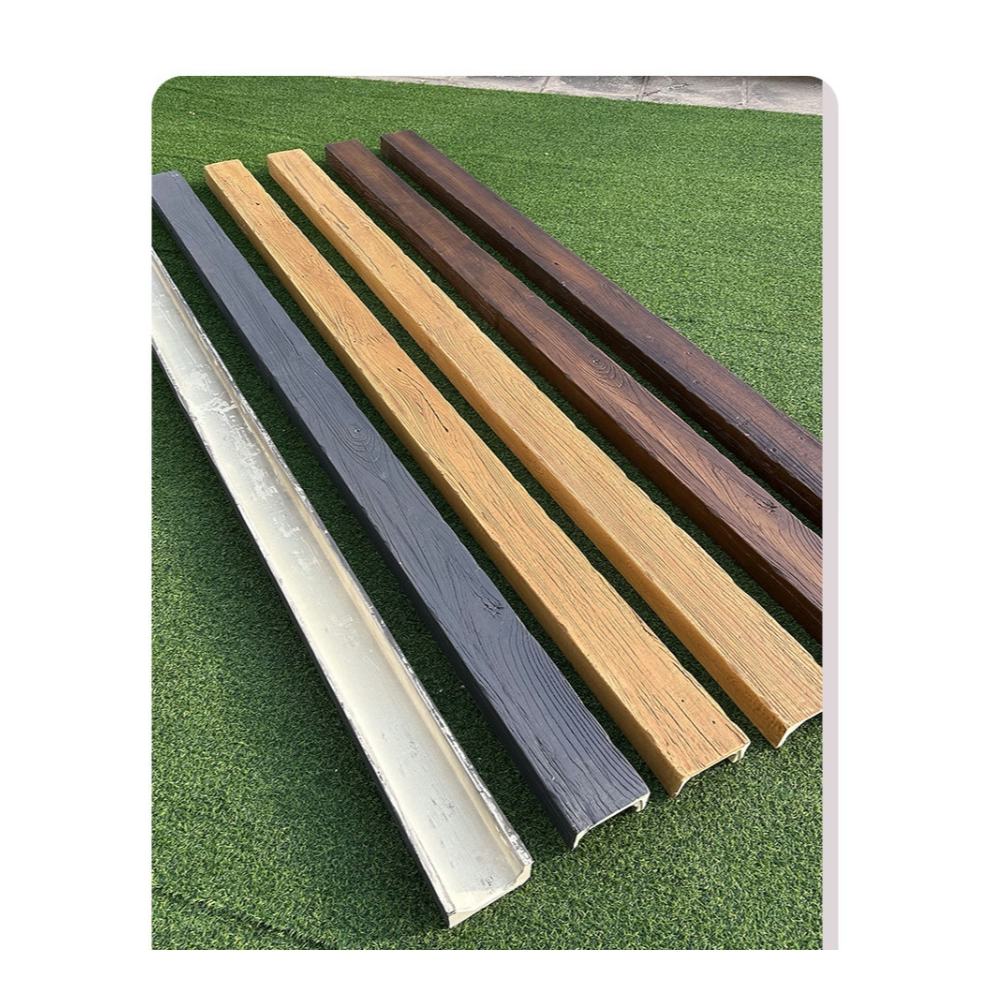
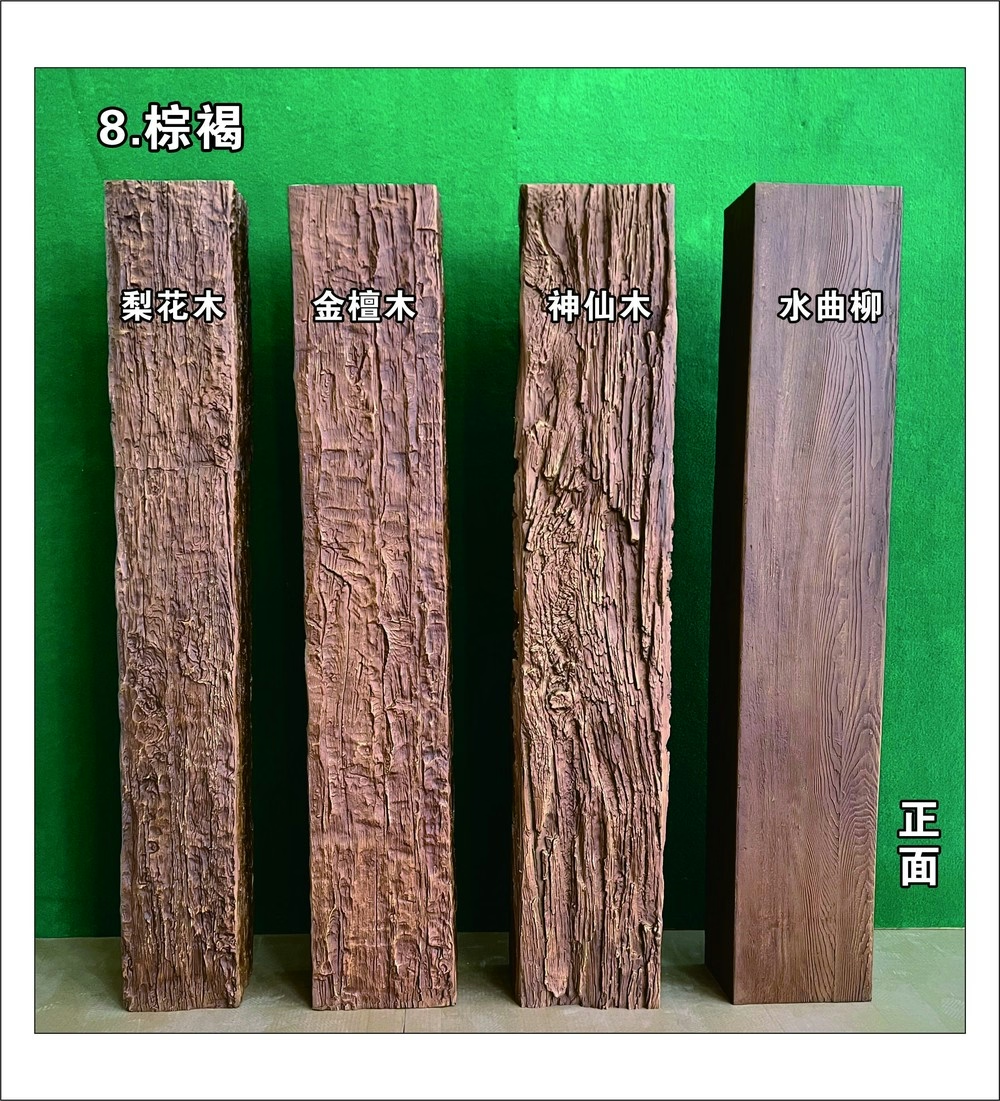
One of the appeals of polyurethane faux beams lies in their accessibility—manufacturers understand that their customers often include homeowners without construction industry experience. To support these buyers, most suppliers offer comprehensive hardware kits that include everything needed for installation beyond basic household tools. Understanding what these kits contain and how each component functions helps beginners achieve professional-quality results without specialized knowledge.
A typical hardware kit represents thoughtful engineering distilled into a package that accommodates common installation scenarios. The components work together as a system, with each piece designed to address specific challenges that beam installations present. Knowing something about these challenges and solutions builds confidence even before you begin working with the materials.
Mounting Brackets and Support Elements
The primary structural components in most kits are the mounting brackets that secure beams to ceiling structure. These metal brackets come in various configurations depending on the beam profile and mounting approach, but their fundamental purpose remains consistent: creating a secure connection between the beam and the building while remaining hidden from view once installation completes.
Heavy-duty steel brackets form the load-bearing foundation, typically designed to engage both the top of the beam and the ceiling joist or structural member above. The bracket's shape allows it to support the beam's weight while preventing lateral movement that might shift the beam out of position over time. Quality brackets use sufficient metal thickness to resist bending under load without being so thick as to complicate installation.
The number of brackets needed depends on beam length and expected load conditions. Kits typically include more brackets than minimum requirements, allowing installers to add extra support at joints between beam segments or at the ends where beams terminate. Having extra brackets available means you can add reinforcement wherever your specific situation suggests it might be helpful without needing additional purchases.
Fasteners and Connecting Hardware
Screws and bolts appropriate for the mounting surfaces come included in quality hardware kits. These fasteners are selected for specific performance characteristics—the right threading for wood joists, appropriate length to penetrate securely without protruding, and sufficient strength to resist the shear and tension forces that ceiling installations generate. Using the provided fasteners rather than improvised alternatives ensures predictable performance.
Washers distribute fastener loads across broader surfaces, preventing the localized stress concentrations that might otherwise damage mounting surfaces or pull through over time. Steel washers between screw heads and bracket surfaces and between brackets and structural members all contribute to secure connections that perform reliably throughout the beam's service life.
For installations involving multiple beam segments that must be joined, kits often include connecting hardware that bridges between pieces. These connectors might be metal plates, dowels, or specialized fittings that maintain alignment while providing structural continuity. Joint reinforcement matters considerably since these locations represent potential failure points without adequate support.
Installation Tools and Accessories
Beyond structural hardware, kits may include various accessories that simplify installation. Template guides help maintain consistent bracket positioning across multiple attachment points, ensuring that parallel beams align properly. Spacer blocks maintain consistent gaps between beams and ceiling surfaces where aesthetic or practical considerations require elevation above direct mounting.
Level indicators or bubble levels help ensure beams mount horizontally, an obvious requirement for professional appearance that beginners might overlook without guidance. Some kits include laser levels that project reference lines across ceiling surfaces, simplifying alignment for longer beam runs. While these tools represent small additions to kit contents, they meaningfully improve installation quality for inexperienced users.
Wood shims sometimes appear in hardware kits, allowing fine adjustment when ceiling surfaces aren't perfectly even or when beam positioning requires subtle elevation changes. These thin tapered pieces slide under brackets to create the slight corrections that ensure beams sit level despite underlying surface variations. Having shims available prevents installation frustration when initial mounting reveals positioning problems.
Understanding Your Specific Kit
Hardware kits vary between manufacturers and even between product lines within the same company. Always examine kit contents before beginning installation, comparing actual components against any documentation provided. If something seems missing or unclear, contact the supplier before proceeding rather than improvising with unsuitable alternatives that might compromise installation quality.

The kit documentation should explain the purpose of each component and provide basic guidance on their use. Read these materials carefully before starting, even if you're eager to begin installation immediately. Understanding why each piece exists and how it functions improves the quality of decisions you'll make during the installation process when situations arise that documentation doesn't explicitly address.
For specialized situations—unusual ceiling configurations, non-standard beam sizes, or unique mounting requirements—standard kits may not include appropriate hardware. In these cases, supplemental purchases from hardware stores or specialty suppliers may be necessary. Building supply stores with knowledgeable staff can help identify solutions for situations that kit designers couldn't anticipate.

Supplementing Kit Contents
Even comprehensive hardware kits benefit from supplemental supplies that professional installers routinely keep available. A quality caulk gun and paintable caulk creates clean transitions where beams meet walls or other surfaces. Wood filler or spackling repairs minor surface imperfections. Touch-up paint allows finishing nail holes and other minor blemishes to disappear after installation.
Safety equipment deserves mention even though it doesn't come in hardware kits. Safety glasses protect eyes during drilling and cutting. A dust mask prevents inhalation of polyurethane dust when cutting beams. Gloves protect hands during handling and installation. These items represent modest investments that professional installers consider essential rather than optional.
Having spare fasteners of common types prevents frustrating interruptions when a particular screw strips out or a bracket needs additional securing. Hardware stores sell generic fastener assortments that cover most needs, and keeping such an assortment available means you're never stopped by a missing piece. Small investments in these supplies pay dividends through smoother installation experiences.
Building Your Installation Capability
As you complete more faux beam installations, you'll develop preferences for specific approaches and may find that your needs diverge from what standard kits provide. Some experienced installers eventually source their own hardware, selecting components optimized for their particular techniques and situations. This evolution represents normal skill development that quality beginner kits support by enabling initial success.
Document your installations with photographs and notes about what worked well and what you'd do differently. These records build institutional knowledge that serves future projects. When you eventually recommend faux beam installation to friends or family, having documented experience to share helps them avoid beginner mistakes while giving your recommendations credibility.
The hardware kit approach—providing everything needed for standard situations while remaining adaptable to specific requirements—represents thoughtful product design that makes faux beam installation accessible to everyone. Trust the kit's engineering while remaining attentive to your specific circumstances, and your installations will reward you with years of satisfying performance.
Technical References
ASTM standards cited in every specification
Test Data
Lab results from internal testing program
Updated 2026
Reviewed against current product specs