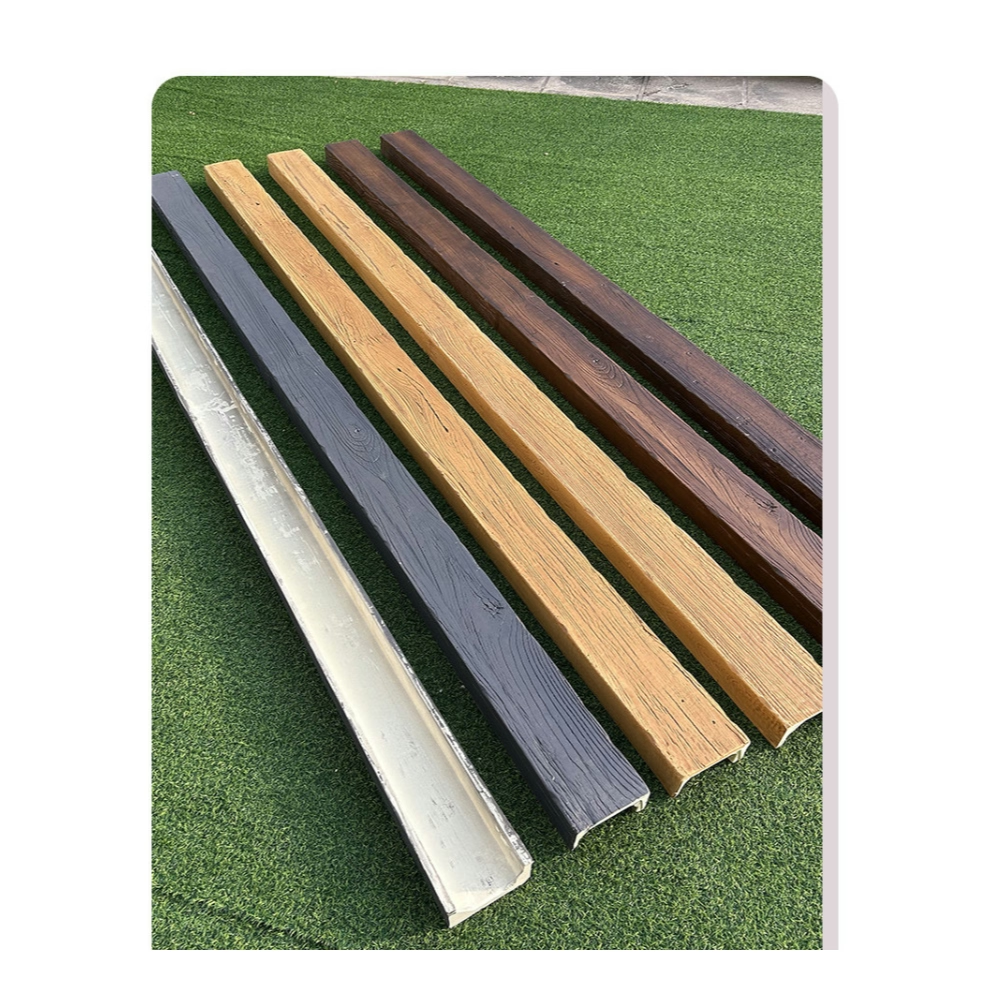
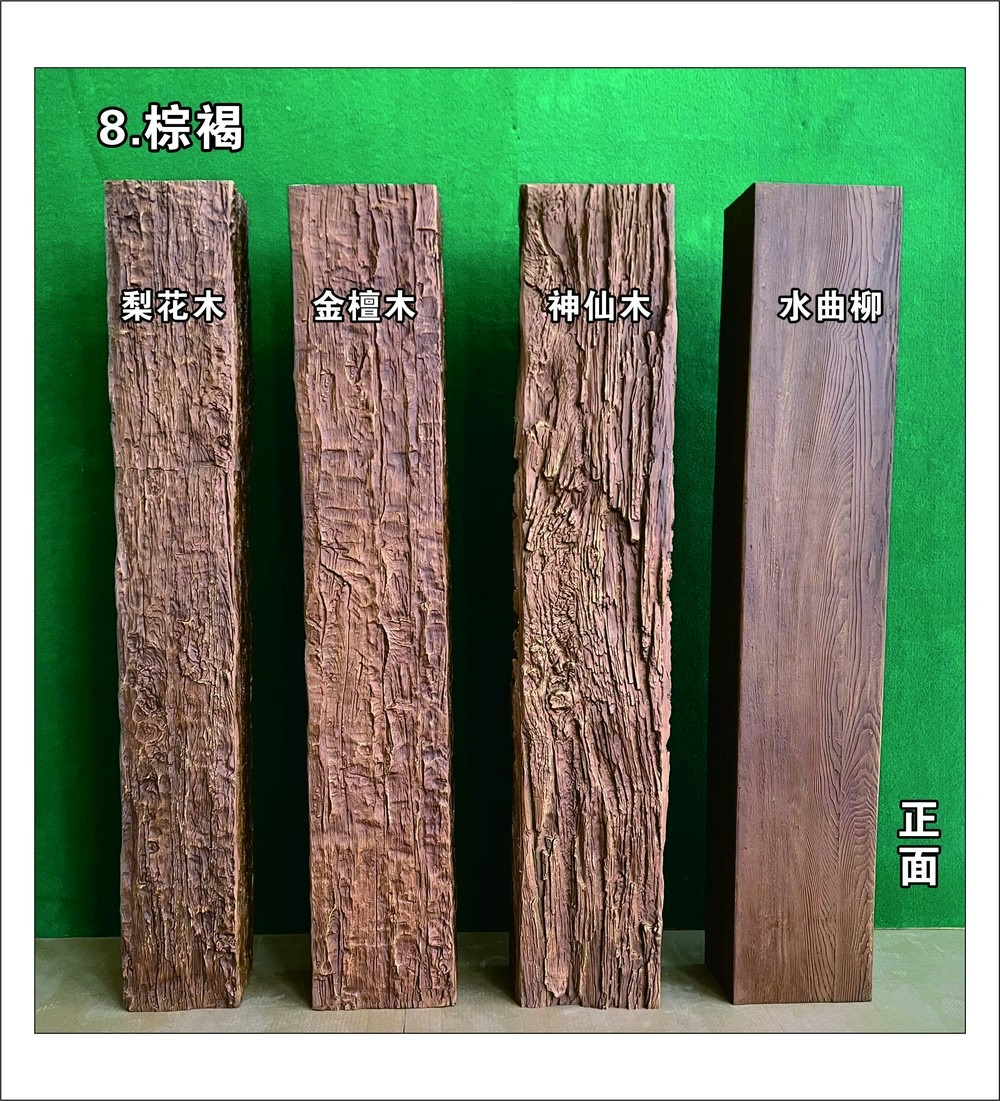
When homeowners consider ceiling improvements, the prospect of complex construction often creates hesitation. Heavy timber beams require structural assessment, specialized equipment, and potentially professional installation that adds significant cost and disruption to projects. Polyurethane faux beams offer a compelling alternative: genuine architectural improvement achievable without the construction complexity that traditional approaches demand. This ease of installation has become one of the synthetic beam category's most appreciated features.
The simplicity of polyurethane beam installation stems from several material properties that distinguish them from wood alternatives. Understanding these properties helps explain why these beams have become popular choices for homeowners seeking maximum impact with minimum hassle. The benefits translate directly into faster projects, lower costs, and reduced stress throughout the improvement process.
Weight Advantages for Accessible Handling
The most immediately apparent difference between polyurethane and wood beams involves weight. A 10-foot polyurethane beam might weigh 15-20 pounds, while a comparable solid wood beam could weigh 80-100 pounds or more. This dramatic weight reduction changes the entire installation dynamic, transforming what would be a two-person heavy lift into something manageable by a single person with reasonable care.
Reduced weight affects every phase of the installation process. Transportation from delivery location to work area becomes manageable without equipment. Positioning during installation requires less physical effort, reducing fatigue that can lead to mistakes. One-person installations become possible in situations where wood beams absolutely require multiple workers. The practical implications compound throughout the project, making each step easier than the equivalent wood installation would be.
Ceiling structure compatibility represents another weight-related benefit. Some homes have ceiling joists or structural elements that cannot safely support the weight of solid timber beams. Polyurethane's light weight often eliminates this concern entirely, allowing beam installation in homes where heavier alternatives would be structurally inappropriate. This capability opens ceiling improvement possibilities to homeowners who might otherwise be limited by their home's construction.
Simplified Mounting Systems
The mounting approaches for polyurethane beams take advantage of their material properties rather than requiring workarounds for their limitations. Light weight means that standard ceiling construction can often support beams directly without additional structural reinforcement. Standard bracket systems designed for these products attach reliably without specialized hardware or complex engineering.
Many polyurethane beam manufacturers have refined their mounting systems through years of product development and customer feedback. The result is installation approaches optimized for the specific characteristics of their products. Following these manufacturer guidelines closely typically yields straightforward installations that achieve secure, professional results. The documentation provided with quality beams represents accumulated expertise that benefits anyone willing to follow it.
The availability of matching accessories simplifies installations further. Manufacturers who produce both beams and mounting hardware have ensured component compatibility. Brackets fit beam profiles properly, fastener specifications match expected loads, and installation templates help achieve consistent results. This ecosystem approach removes the guesswork that DIYers often face when combining products from different sources.
Cutting and Modification Simplicity
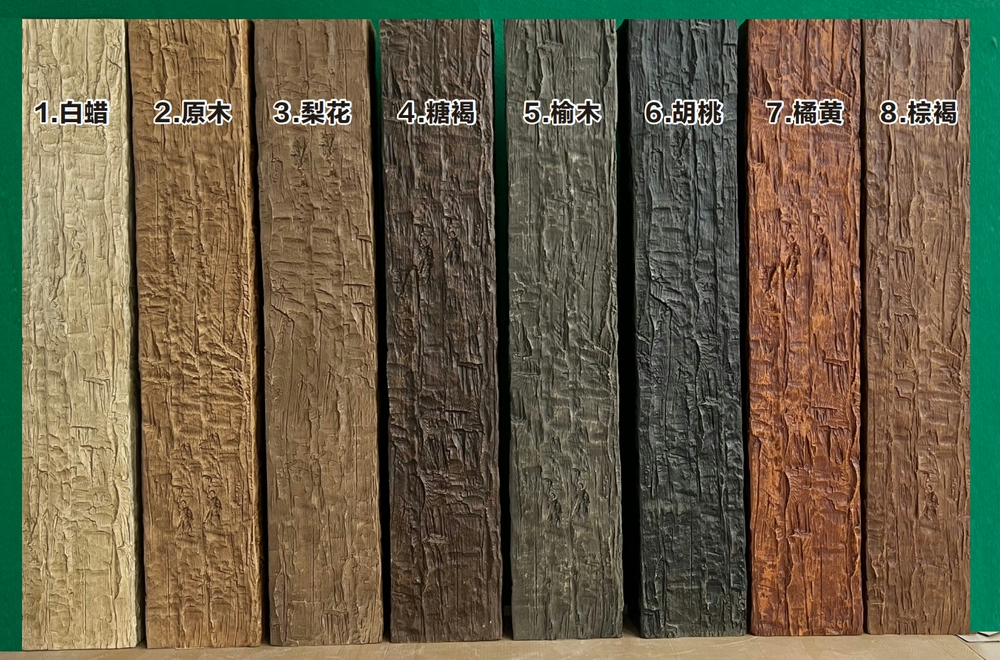
Working with polyurethane requires different techniques than wood but proves equally accessible once understood. The material cuts cleanly with standard woodworking tools—no special blades or equipment needed. A fine-toothed saw blade prevents tear-out at cut edges, producing clean surfaces that accept paint and finish well. This familiarity helps homeowners who've worked with wood adapt quickly to polyurethane specifics.
The foam core of polyurethane beams doesn't splinter, crack, or split the way wood can during cutting. This predictable behavior reduces frustration and waste, as cuts produce the expected results consistently. Even beginners achieve clean cuts that professional installers would be satisfied with, building confidence that supports successful project completion.
Holes for wiring, plumbing, or mounting hardware can be cut through polyurethane beams without the structural concerns that similar modifications would raise for solid timber. The non-structural nature of decorative beams means that holes don't compromise load capacity the way they might in genuine structural elements. This freedom simplifies installations that involve integrating beams with other house systems.
Achieving Professional Results Without Professionals
The combination of lightweight handling, straightforward mounting, and cooperative material properties enables homeowners to achieve results that would otherwise require professional installation. This democratization of ceiling improvement represents meaningful value—professional installation costs can easily match or exceed material costs for these projects, making the DIY path financially attractive without sacrificing quality.
Visual quality in beam installation depends primarily on careful measurement and attention to alignment. The technical challenges are minimal compared to many home improvement projects. A homeowner who takes time to measure accurately, uses a level consistently, and follows manufacturer instructions closely will produce installations indistinguishable from professional work. The barriers to quality results are skill-based rather than requiring expensive tools or specialized knowledge.
The satisfaction of completing ceiling improvements personally adds value beyond the financial savings. Walking into a room you've improved through your own effort creates a different relationship with your home than paying someone else to accomplish the same result. Many homeowners find this satisfaction meaningful enough that they tackle additional projects once they've experienced success with their first beam installation.


Planning for Installation Success
Despite the simplicity of polyurethane beam installation, thoughtful planning improves outcomes measurably. Before purchasing materials, measure the installation space carefully, noting ceiling height, joist locations, and any obstacles that might affect beam positioning. These measurements inform beam selection and ensure purchased materials match project requirements.
Allow adequate time for the installation without rushing. While polyurethane beams install more quickly than wood alternatives, the process still benefits from patient attention to detail. Attempting to complete an installation in less time than it reasonably requires increases the likelihood of mistakes that diminish results or require rework. Better to schedule a relaxed weekend project than a stressful evening rush.
Prepare the workspace before beginning. Clear areas below the installation location to provide working room. Cover furniture and flooring to protect from dust and debris. Ensure that tools and materials are accessible without awkward reaching or repositioning. A prepared workspace enables smooth workflow that contributes to both installation quality and installer satisfaction.
The Broader Implications of Accessible Installation
The easy installation of polyurethane beams reflects a broader trend toward homeowner-capable home improvement. Products designed for broader audiences without specialized training have expanded what homeowners can accomplish independently. This accessibility has democratized home improvement in ways that benefit homeowners, communities, and even the environment through reduced transportation and waste associated with more complex construction approaches.
Choosing polyurethane beams for your home improvement project represents alignment with this accessibility trend. You're selecting materials that respect your time and capability, enabling meaningful improvement without unreasonable demands. The results you'll achieve will look beautiful and perform reliably, rewarding the choice you made for materials that support successful outcomes.
Technical References
ASTM standards cited in every specification
Test Data
Lab results from internal testing program
Updated 2026
Reviewed against current product specs