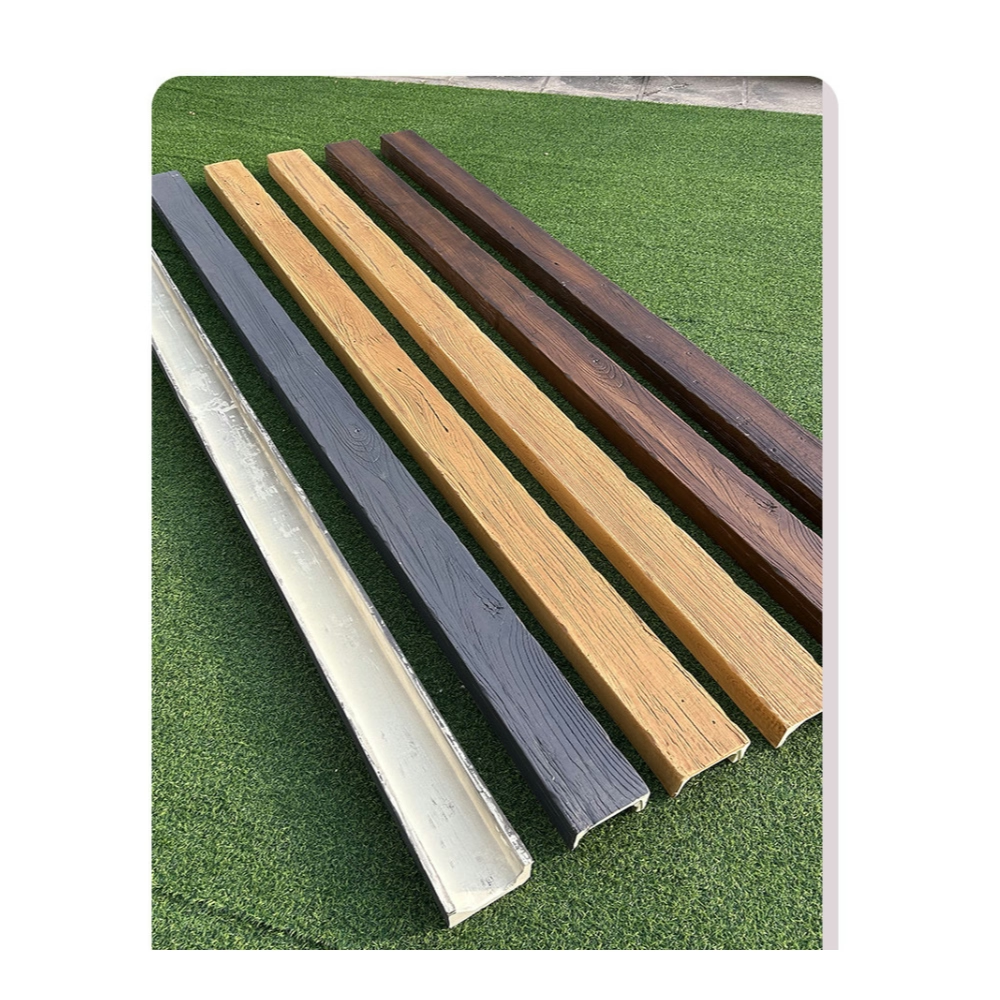
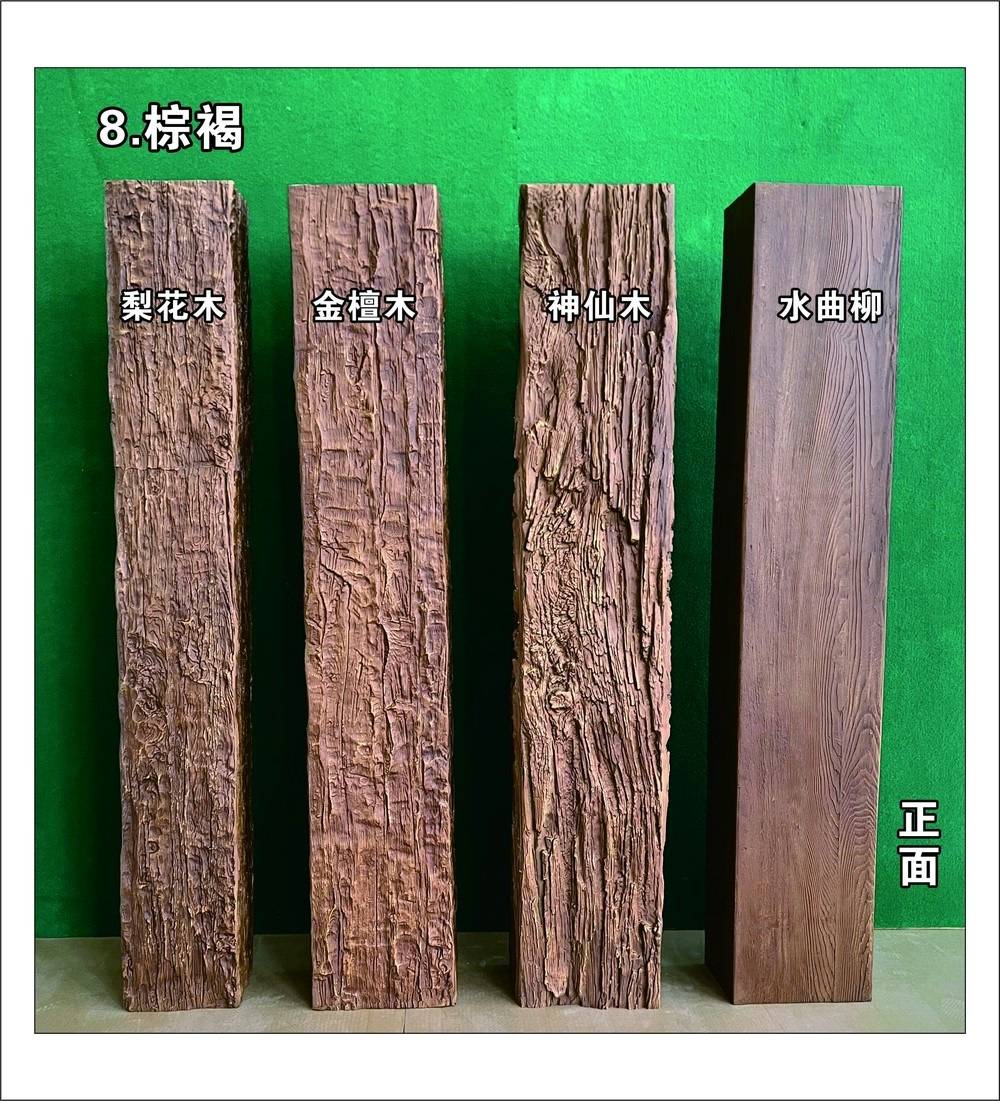
The popularity of polyurethane faux beams in residential applications owes much to deliberate engineering that makes these products accessible to non-professional installers. Unlike building materials traditionally limited to contractors with specialized skills and equipment, faux beams have been designed with the DIY homeowner clearly in mind. This design philosophy manifests in mounting systems, component integration, and overall installation approach that together create approachable improvement opportunities.
Understanding how this engineering translates into practical benefits helps explain why so many homeowners successfully complete beam installations that might have seemed daunting before product designs evolved to their current level of sophistication. The simplicity isn't accidental—it's the result of manufacturers listening to customer feedback and refining products to address real installation challenges.
The Evolution of Mount Design
Early faux beam products often lacked the refined mounting approaches available today. Homeowners who attempted installations with these earlier products sometimes struggled with improvised solutions that didn't work particularly well. Manufacturers recognized these challenges and invested in developing mounting systems specifically designed for the material properties and aesthetic requirements of polyurethane beams.
Modern mounting brackets reflect this development, incorporating features that guide proper positioning, maintain alignment, and secure beams without requiring specialized knowledge. Visual guides on brackets help ensure correct spacing. Self-leveling features reduce the need for tedious adjustment. Concealed fastening points maintain the authentic appearance that makes beams desirable while ensuring secure attachment.
The feedback loop between manufacturers and installers has refined these systems continuously. Products that create installation difficulties disappear from the market as installers share their experiences. Products that work smoothly earn recommendations and repeat purchases. This market evolution has gradually raised the baseline quality of mounting approaches until today's designs represent considerable refinement from earlier generations.
User-Friendly Component Integration
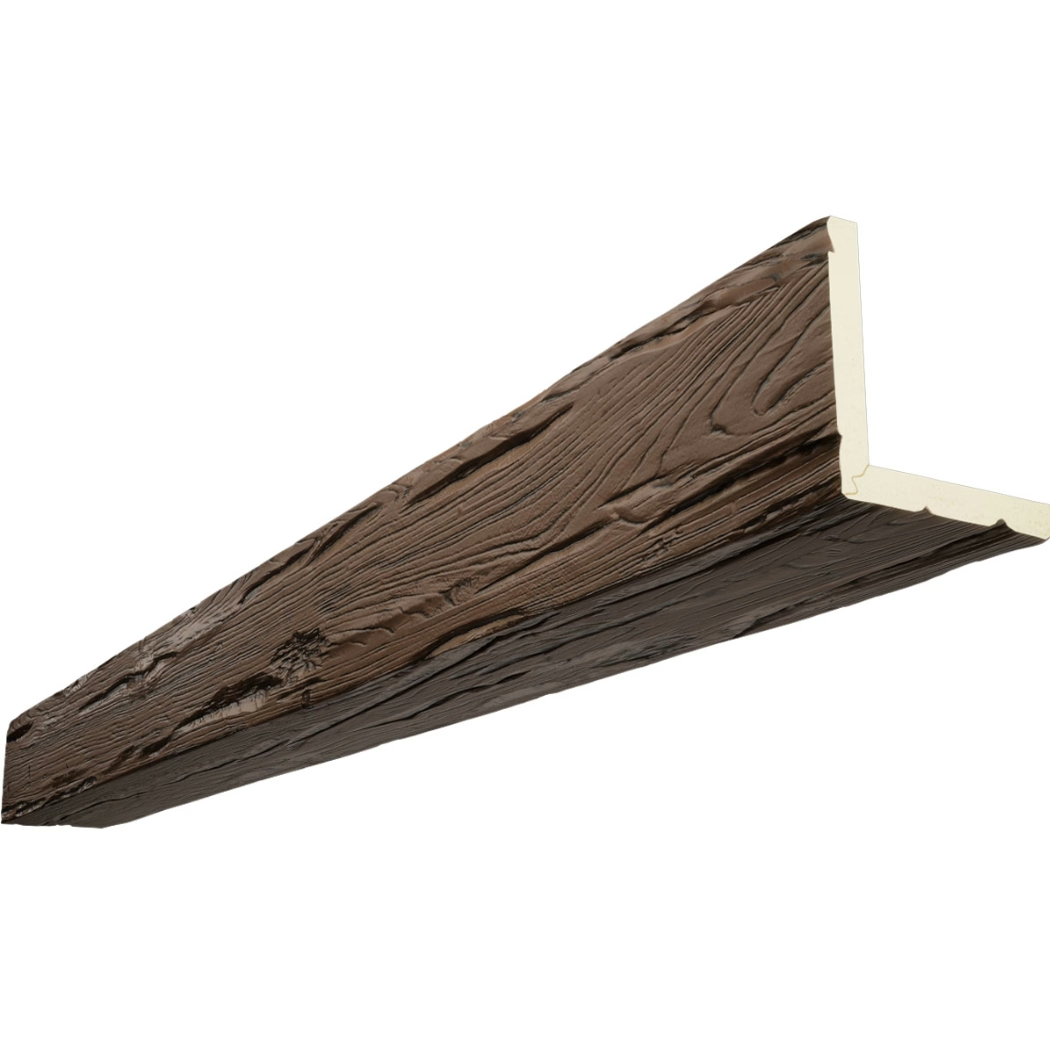
Beyond the mounting brackets themselves, modern faux beams incorporate features that simplify installation throughout the process. Pre-machined mounting channels accept bracket hardware without on-site drilling or modification. Consistent cross-sectional dimensions ensure that beams work predictably with mounting systems without requiring custom fitting or adjustment.
Factory-finished surfaces reduce on-site work requirements significantly. Beams arrive ready for installation without need for sanding, priming, or painting unless custom finishing is specifically desired. This finished quality means that the installation itself is the project, rather than installation being just the beginning of a finishing process that might extend over several weekends.
Packaging designed for easy handling reflects understanding of who typically purchases these products. Beams arrive wrapped and protected appropriately for shipping while being unpacked easily without specialized tools or excessive time. The consideration for the end user's experience permeates many small details that individually seem minor but collectively make meaningful differences in installation satisfaction.

Step-by-Step Simplicity
Quality faux beam products include installation documentation written for audiences without construction backgrounds. These instructions explain not just what to do but why each step matters, helping installers understand the logic behind specific requirements. Understanding why something matters helps when unexpected situations arise that documentation doesn't explicitly address.
The sequence of installation steps has been optimized based on accumulated experience about what works well. Beginning with ceiling preparation before any beam handling prevents frustrating repositioning later. Installing all brackets before attempting beam mounting allows focused attention on each stage. Systematic approaches produce better results than improvised methods, and documentation guides users toward systematic approaches.
Troubleshooting sections in quality documentation address common problems that might otherwise stop an installation entirely. From dealing with slightly uneven ceiling surfaces to managing beam joints, these resources prepare installers for realities that rarely match ideal assumptions. Having these resources available before problems arise prevents frustration and enables confident problem-solving.
Realistic Expectations for Beginners
Beginner installers should understand that some learning curve exists even with well-designed products. The first beam or room may take longer than subsequent work as you develop technique and familiarize yourself with materials. This learning investment pays dividends through improved speed and confidence on future installations, so patience during early stages proves worthwhile.
Minor imperfections in first installations often go unnoticed except by the installer. Small gaps at joints, imperfect paint lines, or slightly off-level beams that are barely perceptible don't affect performance or durability—these details matter for appearance rather than function. As you develop skill, these minor issues decrease naturally without requiring special attention.
When difficulties arise, quality support resources help navigate challenges. Manufacturer customer service representatives who understand their products thoroughly can address questions that documentation doesn't cover. Video tutorials showing actual installations demonstrate techniques that written instructions might not convey clearly. These resources exist because manufacturers recognize that supporting customer success builds loyalty and positive recommendations.
Building Confidence Through Success
Completing even a single beam installation successfully builds confidence that supports more ambitious future projects. The experience demonstrates that you can successfully complete construction-adjacent work, expanding your sense of what DIY projects might be achievable. This confidence often leads to tackling additional home improvements that might otherwise have seemed beyond capability.
Document your installation process with photographs and notes. These records serve as reference for future work while also providing evidence of accomplishment. Sharing these records with others considering similar projects provides both encouragement and practical guidance that draws from genuine experience rather than abstract theory.
The skills developed through beam installation transfer to other home improvement projects. Measurement precision, tool proficiency, and finish application techniques all apply broadly. Each successful project builds capability for subsequent projects, gradually expanding what you're comfortable tackling independently.
The Broader Design Philosophy
Simple mount design reflects a broader philosophy that home improvement should be accessible to anyone willing to invest effort. Rather than designing products exclusively for professional use, manufacturers who target residential markets recognize that their customers deserve products that respect both their capabilities and their aspirations. This philosophy benefits everyone involved—manufacturers sell more products, homeowners achieve results that might otherwise require expensive professional help, and the home improvement industry becomes more accessible overall.
Choosing products with simple mount design represents confidence in your own capabilities rather than acceptance of limitation. The simplicity doesn't diminish the quality of results achievable—professional-looking installations are well within reach of careful beginners. The barrier isn't ability but rather willingness to invest the time and attention that any construction project requires.
Technical References
ASTM standards cited in every specification
Test Data
Lab results from internal testing program
Updated 2026
Reviewed against current product specs