The exposed beam aesthetic has captivated homeowners and designers for centuries, evoking the structural honesty of agricultural buildings and the craftsmanship of traditional architecture. Authentic exposed beams carry this heritage but also bring genuine challenges: substantial weight that challenges ceiling structures, susceptibility to moisture and pests, and price tags reflecting the scarcity of large old-growth timber. Simulated exposed beams manufactured from polyurethane sidestep these problems while delivering appearances that satisfy even discerning eyes.
The simulation quality achievable with modern polyurethane products has improved dramatically over recent generations. What earlier products achieved only crudely, contemporary manufacturing renders with subtlety and authenticity thatblurs the line between genuine and manufactured. This progress opens exposed beam aesthetics to applications where authentic timber would simply be impractical or impossible.
The Art of Realistic Simulation
Creating convincing simulated wood requires understanding what makes real timber visually distinctive. Knots, grain patterns, color variations, and surface textures all contribute to wood's recognizable character. Skilled manufacturers study these characteristics obsessively, then develop production techniques that reproduce them convincingly in polyurethane.
Grain patterns receive particular attention because they provide wood's most recognizable signature. The repeating but varied lines of wood grain must appear on simulated beams with natural irregularity rather than mechanical repetition. Quality molds capture actual wood grain from genuine timber, then cast polyurethane that faithfully reproduces those textures. The result is surface appearance that feels authentic rather than obviously manufactured.
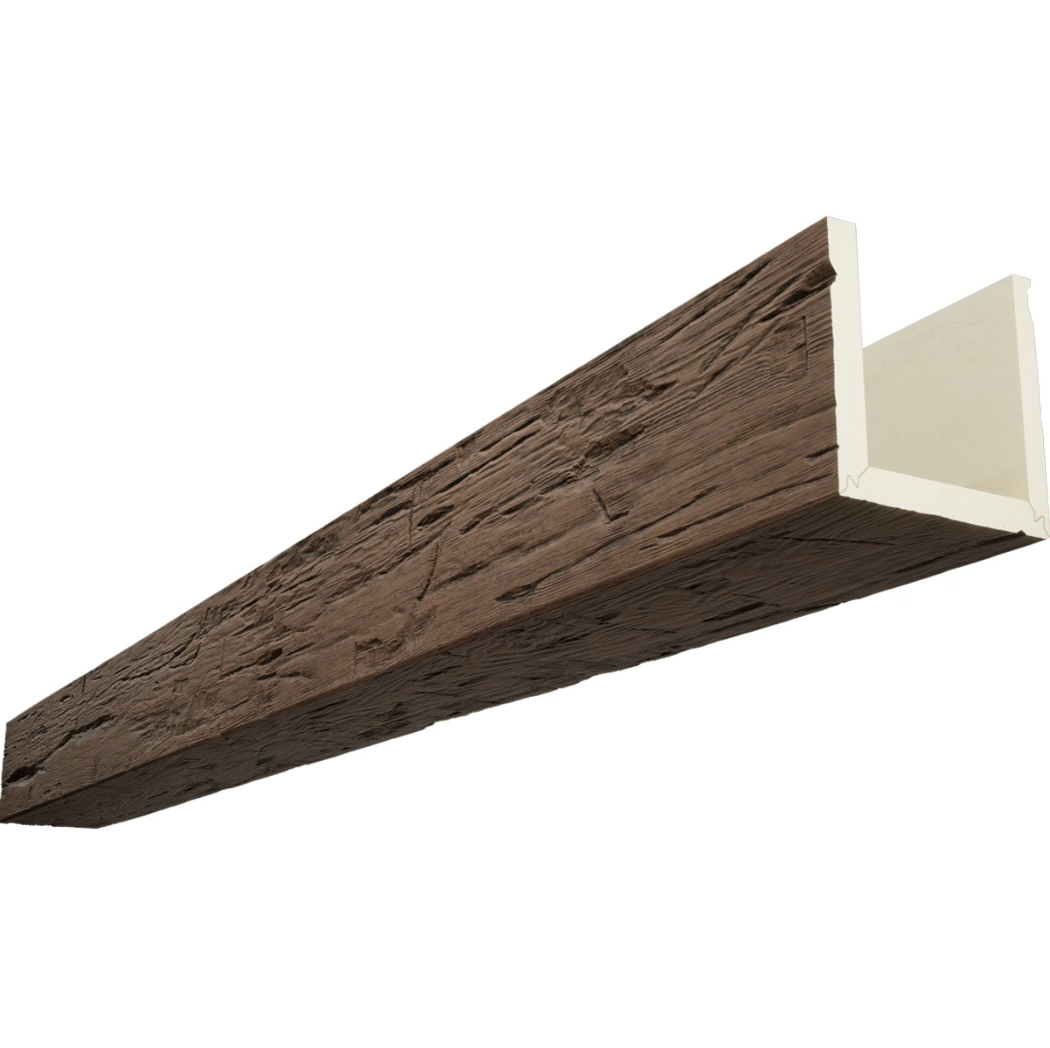
Color simulation extends beyond simple paint or stain to include the subtle variations that characterize real wood. Knots darken naturally, grain lines carry different tones than surrounding areas, and aging produces effects that uniform coloration cannot replicate. Layered finishing processes create these variations intentionally, producing beams that reward close inspection rather than revealing themselves as fakes under scrutiny.
Why Simulated Beams Expand Possibilities
Genuine timber of impressive dimensions has become genuinely scarce. Old-growth forests that produced massive, clear beams no longer exist in quantities that could supply modern demand. Reclaimed beams from demolished buildings represent limited supply with uncertain availability and inconsistent quality. Simulated beams free designers from these constraints, offering any dimension, finish, and quantity on reliable production timelines.
Weight limitations that exclude genuine timber from many applications simply don't apply to lightweight polyurethane. Older homes with ceiling structures that couldn't support real timber often accommodate simulated beams without structural concern. Upper-floor installations where floor joists limit dead load accumulation work beautifully with synthetic materials. The design freedom this enables expands what's architecturally possible.
Moisture environments that would threaten genuine timber suit polyurethane beams perfectly. Bathrooms, kitchens, basements, and other areas with humidity variation or occasional moisture exposure don't require the special treatments or maintenance vigilance that wood demands. This versatility allows consistent design language throughout homes rather than limiting exposed beams to only the driest spaces.
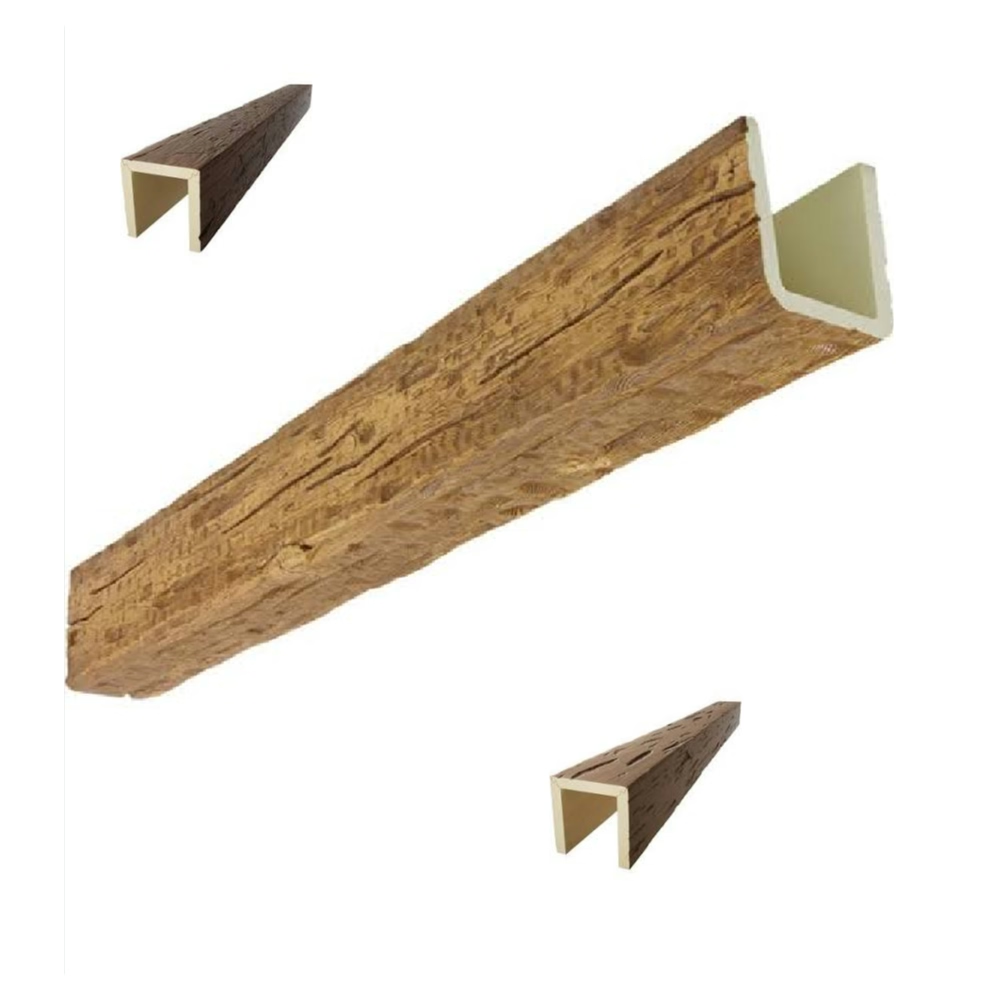
Design Applications for Simulated Beams
Great rooms and living areas represent classic applications for exposed beam aesthetics. Vaulted or cathedral ceilings gain tremendous architectural character from beams that span the open volume, drawing the eye upward while providing visual weight that prevents vast ceiling expanses from feeling overwhelming. The investment in simulated beams for these prominent spaces pays dividends through daily appreciation of the transformed environment.
Kitchens increasingly feature exposed beams as design statements, either as functional hood surrounds that incorporate beam aesthetics or as ceiling treatments above islands and dining areas. The warmth that wood tones bring to kitchen environments complements both traditional and contemporary design approaches. Simulated beams allow this warmth without concerns about grease accumulation or cleaning requirements that might plague genuine timber.
Bedrooms benefit from exposed beam treatments that create cozy retreats. The structural character that beams provide transforms ordinary bedrooms into spaces with genuine architectural personality. Whether achieving cabin-like coziness in mountain homes or farmhouse warmth in suburban settings, simulated beams deliver the aesthetic that pure design intent requires.
Installation Advantages in Exposed Applications
Exposed beam installations often involve prominent positioning where installation quality is scrutinized closely. The lightweight nature of polyurethane simplifies achieving the precise positioning that these installations require. Installers can take time to perfect alignment without fighting gravity or struggling with awkward weight.
The consistency of manufactured beams means that exposed joints between segments appear uniform throughout the installation. With genuine timber, each piece varies slightly, making joints that don't quite align appear more obviously. Simulated beams' dimensional consistency allows careful matching that produces seamless appearance even where beams must be joined.
Surface finishing on simulated beams remains consistent throughout the product, eliminating the variation between heartwood and sapwood or between different boards that genuine timber exhibits. This consistency produces installations where every beam matches perfectly, creating the cohesive appearance that unified design intent requires. The result feels intentional rather than assembled from whatever materials happened to be available.
Long-Term Performance in Exposed Settings
Exposed beams face environmental challenges that concealed installations might avoid. Sunlight through windows fades some materials over time; temperature fluctuations stress others. Quality polyurethane beams resist these challenges effectively, maintaining appearance despite years of exposure to conditions that might damage less robust materials.
The non-porous surface of polyurethane doesn't absorb the stains and odors that can penetrate genuine wood in kitchen and dining applications. Spills wipe clean without leaving permanent marks. The accumulated cooking residue that might permanently discolor real wood beams simply doesn't bond with polyurethane surfaces. This practical advantage matters especially in kitchens where beams hang above cooking and dining activity.
Maintenance for exposed simulated beams involves simple dusting and occasional cleaning with mild soap. No periodic refinishing, no pest treatments, no structural inspections required. The beam that looked beautiful on installation day continues looking equally beautiful years later with minimal attention. This reliability represents meaningful value for busy households.
Making the Choice
Selecting simulated exposed beams over genuine timber involves balancing aesthetic, practical, and economic considerations that vary for each application. In many situations, the advantages of polyurethane clearly outweigh any aesthetic concerns—and those concerns diminish as simulation quality continues improving. Modern polyurethane beams satisfy aesthetic requirements that would have seemed impossible for manufactured products a generation ago.
For projects where genuine timber remains a priority, simulated beams provide an alternative that expands what's achievable rather than replacing what timber offers. The goal is beautiful, functional spaces, and simulated beams serve that goal admirably in applications where they represent the practical choice. Acknowledging this practicality while appreciating the authentic appearance achievable removes the false choice between real and simulated that might otherwise constrain design thinking.
Your completed simulated beam installation delivers the exposed timber aesthetic you envisioned while offering practical advantages that genuine timber cannot match. The result satisfies on every dimension that matters for long-term satisfaction with your space.
Technical References
ASTM standards cited in every specification
Test Data
Lab results from internal testing program
Updated 2026
Reviewed against current product specs


