Ceilings represent an underutilized design opportunity in most spaces. While walls receive attention through paint, wallpaper, and art, ceilings often remain forgotten surfaces that do nothing for the rooms they cap. Introducing exposed beams onto ceiling planes transforms this neglected surface into a primary design feature that fundamentally changes how spaces feel. For homeowners and designers seeking this transformation, simulated exposed polyurethane beams offer compelling advantages that merit serious consideration.
The overhead position of ceiling beams creates unique challenges that the material properties of polyurethane address elegantly. Weight that would stress ceiling structures becomes irrelevant with lightweight synthetic materials. Moisture concerns that limit genuine timber in some spaces simply don't exist for polyurethane. These practical advantages combine with aesthetic quality that satisfies demanding design standards.
Understanding Ceiling Beam Aesthetics
Ceiling beams alter spatial perception in ways that wall treatments cannot match. Horizontal lines across ceiling planes draw the eye upward, potentially making rooms feel taller and more spacious. The shadow lines that beams cast onto surrounding surfaces add visual depth that flat ceilings lack entirely. Even modest beam installations can transform sterile spaces into environments with genuine architectural interest.
The scale of ceiling beams affects room character significantly. Large, substantial beams create drama and presence that commands attention. Smaller, more delicate beams add warmth and texture without dominating spaces. Matching beam scale to room proportions ensures that ceiling treatments enhance rather than overwhelm. Proportionate beams feel like natural parts of the architecture; oversized or undersized beams create discord that diminishes overall design quality.
Beam orientation influences spatial perception as well. Beams running parallel to the longer dimension of rectangular rooms emphasize that length, potentially making spaces feel more drawn out than desired. Beams perpendicular to long dimensions or arranged in grids create more complex patterns that break up monotonous ceiling planes. Understanding these effects helps you select orientations that serve your spatial goals.
Practical Advantages for Ceiling Applications
Ceiling installations present handling challenges that make polyurethane's lightweight nature particularly valuable. Working overhead is physically demanding; lighter beams reduce fatigue and the risk of accidents that heavy materials might cause. One-person installation becomes feasible for ceiling beams that would absolutely require multiple workers if made from genuine timber. This accessibility expands who can successfully complete ceiling beam projects.
Mounting requirements for ceiling beams differ from wall or other orientations. Gravity constantly pulls on ceiling installations, making secure attachment essential. The lighter weight of polyurethane reduces the load that mounting systems must support, allowing simpler attachment methods that remain reliable. This reduced demand on mounting systems simplifies installation while maintaining safety.
Ceiling exposure to light, temperature variation, and humidity differs from wall or floor positions. Sunlight strikes ceiling surfaces more directly, potentially causing UV degradation in some materials. Temperature fluctuations may be more extreme near roof assemblies. Quality polyurethane beams are formulated to resist these environmental factors, maintaining appearance despite conditions that might challenge less robust materials.
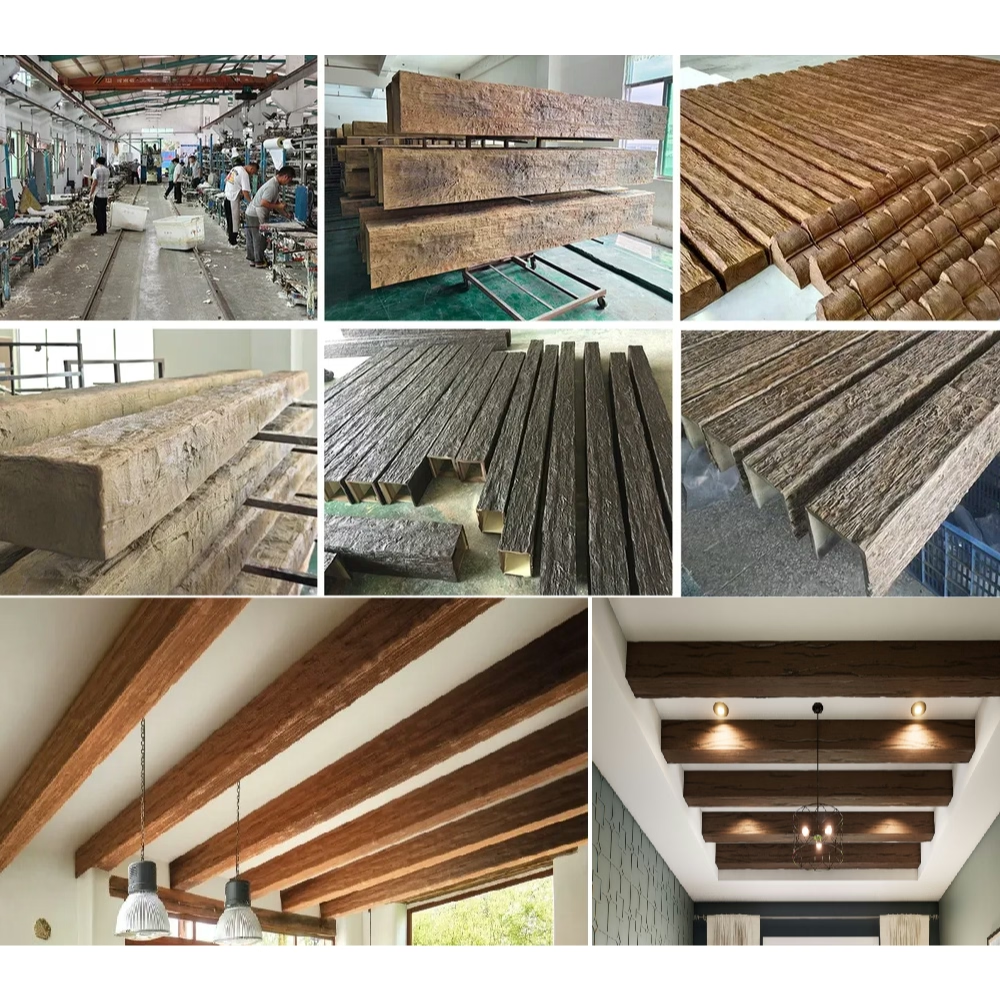
Popular Ceiling Beam Configurations
Single accent beams across ceiling centers create simple focal points that organize spaces without dramatic intervention. A centered beam above a dining table, bed, or seating area draws attention without requiring comprehensive ceiling treatment. This approach works particularly well in rooms with limited ceiling height where more elaborate beam systems might feel excessive.
Parallel beam runs across entire ceiling planes create the classic exposed timber look that evokes barns, lodges, and traditional architecture. The rhythm of repeating beams across ceiling surfaces establishes visual patterns that please the eye while providing the character that unadorned ceilings lack. Multiple beams across large ceiling expanses prevent the overwhelming effect that single beams might create in vast spaces.
Cross-beam or grid patterns create more complex ceiling treatments that suggest structural complexity. Intersecting beams form squares or rectangles that frame ceiling planes into distinct sections. This approach works well in formal spaces where the architectural detail matches the overall design character. The additional beams create more intricate shadow patterns that reward careful lighting design.
Coordinating Beams with Overall Design
Successful ceiling beam installations integrate with surrounding design elements rather than appearing as isolated additions. Beam finish should relate to other wood elements in the space—furniture, flooring, trim, and other architectural details. Matching tones creates cohesion; intentional contrast creates visual interest. Either approach works when executed deliberately rather than by accident.
Proportionate relationship between beams and other room elements matters as much as absolute scale. Large, heavy beams in rooms with delicate furniture and trim create visual imbalance. Conversely, dainty beams in rooms with substantial furnishings feel inadequate. Evaluating your existing furnishings and architectural details helps guide beam selection toward appropriate scale.
Lighting interacts with ceiling beams significantly. Recessed fixtures between beams, track lighting aimed at beam surfaces, or uplighting from beam recesses all create different effects that vary throughout day and night. Considering lighting effects during beam selection and placement ensures that the completed installation benefits from thoughtful illumination rather than suffering from poorly coordinated lighting choices.
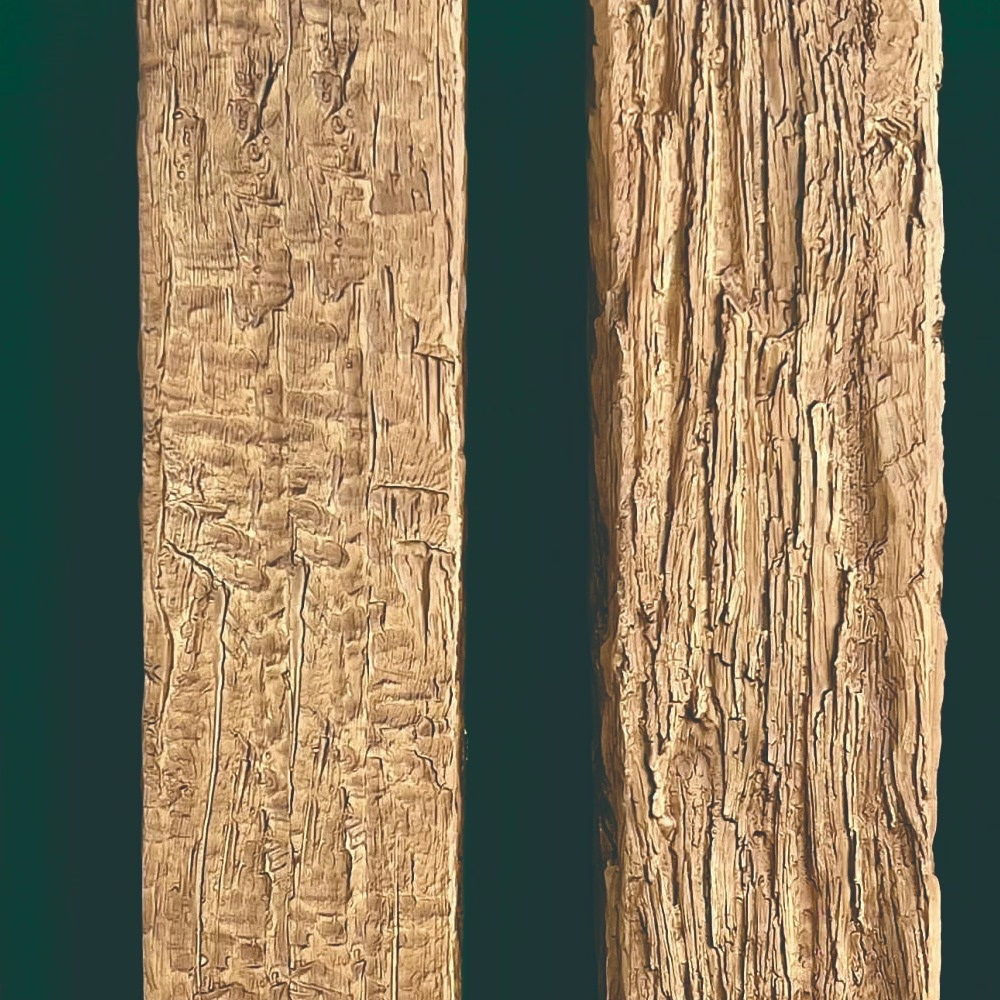
Achieving Quality Ceiling Results
Ceiling beam installations reward careful measurement and alignment more than other applications. Because beams are viewed from below against the background of the ceiling plane, any alignment issues become more apparent than they might on walls. Taking time to ensure level, parallel positioning pays dividends in the quality of final results.
Finishing details receive particular attention in ceiling applications. Gaps between beams and ceiling surfaces appear more obvious overhead than on vertical surfaces where gravity-related settling might normally occur. Caulk lines, paint application, and joint treatment all warrant careful execution. The small effort these details require pays off significantly in the polished appearance of completed installations.
The viewing angle from below creates shadows that enhance ceiling beam presence. Strategic lighting that illuminates beam surfaces while leaving surrounding ceiling darker emphasizes the three-dimensional character of exposed beams. This shadow play contributes significantly to the aesthetic impact of ceiling beam installations and rewards thoughtful lighting design.
The Transformation Waiting Above
Most spaces contain untapped potential in their ceiling planes. Ceiling beams represent one of the most impactful ways to unlock that potential, creating architectural interest that improves daily life through the spaces where families gather, meals are shared, and rest occurs. Simulated exposed polyurethane beams make this transformation accessible to homeowners who might otherwise assume such improvements required professional expertise and unlimited budgets.
The combination of authentic appearance, practical advantages, and reasonable cost positions polyurethane beams as the sensible choice for most ceiling applications. You achieve the aesthetic you desire without accepting compromises that genuine timber would impose. The transformation awaits—and it's more achievable than you might have assumed.
Technical References
ASTM standards cited in every specification
Test Data
Lab results from internal testing program
Updated 2026
Reviewed against current product specs


