Industrial ceiling design has evolved significantly over the past decade, with architects and interior designers seeking materials that deliver visual authenticity without the structural complications of genuine timber. The emergence of polyurethane faux wood beams has opened new possibilities for creating compelling industrial aesthetics in restaurants, retail establishments, office complexes, and hospitality venues.
The Industrial Aesthetic and Its Enduring Appeal
Industrial design originated from the transformation of warehouses and manufacturing facilities into functional living and working spaces. This movement celebrated raw materials, visible structural elements, and the honest expression of building components. Exposed ceiling beams became signature features, communicating authenticity and craftsmanship that more finished interiors could not replicate.
Contemporary designers continue to embrace industrial elements because they establish powerful visual hierarchies and create spatial focal points. A ceiling adorned with exposed beams draws the eye upward, making rooms feel more expansive while introducing tactile interest that smooth ceiling surfaces lack. The warmth of wood against industrial steel fixtures and concrete surfaces creates a balanced contrast that appeals to modern sensibilities.
However, genuine exposed timber beams present substantial challenges in many commercial contexts. Structural beams must meet load-bearing requirements that aesthetic timbers do not. The weight of real wood necessitates adequate support infrastructure, while authentic timber's susceptibility to moisture, pests, and environmental fluctuations makes it impractical for certain applications.
Polyurethane Technology in Faux Beam Manufacturing
Modern polyurethane manufacturing techniques have achieved remarkable fidelity in replicating natural wood characteristics. Through sophisticated molding processes, manufacturers capture the grain patterns, knots, color variations, and surface textures of genuine timber species. The resulting products offer visual quality that closely mimics authentic wood at a fraction of the weight.
Polyurethane faux beams typically weigh 80-90% less than comparable solid wood products. This dramatic weight reduction simplifies handling during installation, reduces structural requirements, and enables installation in locations where traditional timber would be impractical or impossible. A single installer can maneuver beams that would otherwise require multiple workers and specialized equipment.
The material's inherent resistance to moisture, insects, and rot addresses common concerns with natural wood in commercial environments. Restaurants with high humidity levels, healthcare facilities requiring strict sanitation standards, and hospitality venues with fluctuating temperatures all benefit from faux wood products that maintain their appearance without specialized maintenance.
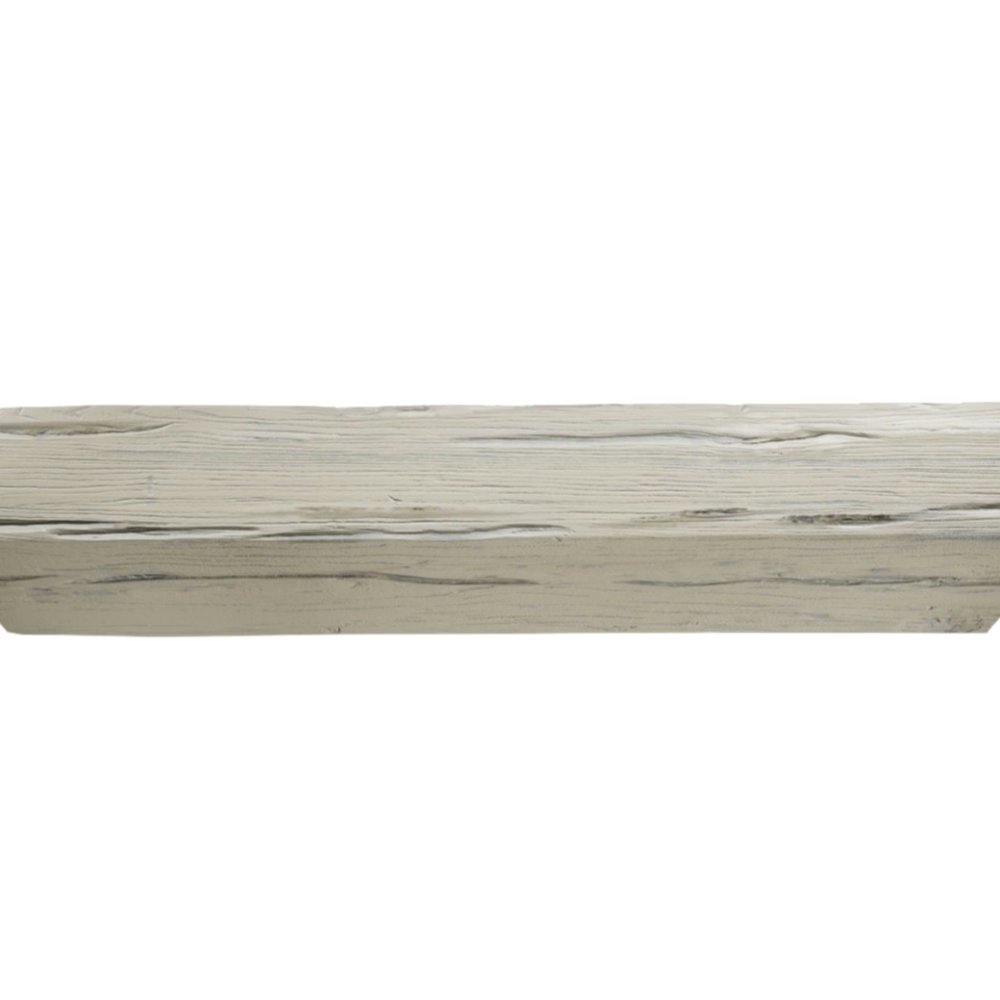
Designing Industrial Ceilings with Faux Wood Beams
Successful industrial ceiling design requires thoughtful placement and configuration of beams to achieve desired visual effects. Exposed beam installations work best when beams follow or complement existing structural elements, creating visual continuity rather than competing with the building's architecture.
Cross-beam configurations establish strong geometric patterns that define spatial zones within open floor plans. Restaurants frequently use perpendicular beam arrangements to delineate dining areas from service zones, while retail spaces employ similar strategies to guide customer movement through merchandise displays. The visual structure helps occupants navigate large spaces intuitively.
Single-direction beam installations create cleaner aesthetics suitable for more refined industrial applications. Office buildings and boutique hospitality venues often favor this approach, achieving industrial warmth without overwhelming visual complexity. Beam spacing significantly impacts the overall effect, with tighter spacing creating denser texture and wider gaps producing more subtle architectural interest.
Color selection profoundly influences how faux beams integrate with surrounding ceiling materials. Darker stains complement industrial steel elements and concrete surfaces, while lighter finishes harmonize with white-painted ceilings and contemporary fixtures. Some designers choose to stain or paint faux beams after installation to achieve precisely coordinated aesthetics.
Installation Best Practices for Commercial Projects
Professional installation ensures that faux wood beams perform optimally and maintain their appearance over time. Surface preparation begins with verifying that mounting surfaces are clean, level, and capable of supporting the chosen attachment method. Most installations utilize wooden mounting blocks or metal brackets secured directly to ceiling joists or structural supports.
Weight distribution requires careful planning, particularly for longer beam spans. Continuous mounting hardware along the beam's length prevents sagging and ensures secure attachment. Bracket spacing typically ranges from 24 to 48 inches depending on beam dimensions and ceiling height, with taller ceilings and heavier beams requiring more frequent support points.
Joint treatment presents opportunities for enhancing authenticity. Mitered corners create clean transitions in intersecting beam configurations, while butt joints with wood-colored caulk maintain continuity in single-direction installations. Some installers incorporate decorative beam plates at connection points to suggest traditional timber joinery methods.

Maintenance and Long-Term Performance
Commercial environments demand materials that maintain appearance despite continuous use and environmental exposure. Polyurethane faux beams require minimal maintenance compared to natural wood alternatives, typically needing only periodic dusting or light cleaning with mild detergents.
The material's non-porous surface resists staining from grease, moisture, and common commercial cleaning agents. This characteristic proves particularly valuable in food service environments where ceiling materials may be exposed to cooking fumes, steam, and routine sanitation procedures. Unlike natural wood, polyurethane does not absorb liquids that could cause discoloration or deterioration.
Scratch resistance varies by product quality, with higher-end faux beams featuring reinforced surface coatings that withstand moderate impact and abrasion. For high-traffic commercial applications, specifying beams with enhanced durability ratings ensures satisfactory long-term performance and reduces the need for repairs or replacement.
Cost Considerations for Commercial Installations
Budget planning for commercial ceiling projects must account for material costs, installation labor, and long-term maintenance expenses. While polyurethane faux beams typically cost more per linear foot than basic dimensional lumber, the total installed cost often favors faux products due to reduced labor requirements and elimination of finishing work.
Shipping and handling expenses decrease significantly with lightweight faux products. Transporting genuine timber beams of comparable size requires specialized vehicles and equipment, costs that multiply across larger projects. The ability to receive materials via standard delivery services simplifies procurement logistics and reduces project lead times.
When evaluating cost differences between authentic timber and faux alternatives, consider maintenance requirements over the product lifecycle. Natural wood may require periodic refinishing, pest treatment, and repairs for moisture damage—expenses that accumulate substantially over years of commercial use. Faux wood products maintain their appearance without such interventions, delivering better value over extended periods.

Applications Across Commercial Sectors
Hospitality venues have embraced faux wood beams extensively, using them to create intimate atmospheres in large open spaces. Hotel lobbies, restaurant dining rooms, and bar areas benefit from the warmth these architectural elements introduce. The material's sound-absorbing properties also contribute to acoustic comfort in spaces designed for conversation and relaxation.
Retail environments utilize faux beam installations to establish brand identities and guide customer experiences. The visual weight of exposed beams creates focal points that direct attention toward merchandise displays, feature walls, or service areas. Commercial designers appreciate the consistency of manufactured faux products, ensuring that multi-location installations maintain uniform appearance.
Healthcare and educational facilities benefit from faux wood aesthetics in common areas, waiting rooms, and gathering spaces. These environments require materials that meet strict hygiene standards while creating welcoming atmospheres. Polyurethane faux beams satisfy both requirements, offering warm visual appeal without the cleaning complications of natural wood textures.
Future Directions in Faux Wood Technology
Manufacturers continue advancing polyurethane formulations to improve authenticity and durability. Enhanced texturing techniques capture increasingly subtle wood characteristics, while new color technologies enable more nuanced stain effects and finish variations. These improvements progressively narrow the visual gap between faux and authentic products.
Sustainability concerns drive innovation in material sourcing and production methods. Some manufacturers now incorporate recycled content into polyurethane formulations, addressing environmental considerations for projects with green building requirements. The lightweight nature of faux products also reduces transportation-related carbon footprints compared to heavy timber alternatives.
Smart integration possibilities emerge as building technologies advance. Faux beam configurations can accommodate integrated lighting systems, acoustic treatments, and climate control infrastructure without compromising their authentic appearance. This adaptability ensures that faux wood products remain relevant as building design continues evolving toward integrated, intelligent environments.
Technical References
ASTM standards cited in every specification
Test Data
Lab results from internal testing program
Updated 2026
Reviewed against current product specs


