Farmhouse interiors have experienced a remarkable renaissance over recent decades, with rustic aesthetics finding their way from countryside properties into urban apartments and suburban homes alike. Central to this design movement is weathered wood—materials that carry the patina of age and use, suggesting stories and craftsmanship that contemporary manufacturing cannot replicate. Barnwood has emerged as a prized source for this authentic character.
The Enduring Appeal of Barnwood Aesthetics
Barnwood represents timber that has served agricultural purposes for decades, often spanning multiple generations of farm use. The weathering processes these timbers have undergone create appearances that cannot be artificially replicated quickly. Silver grays, weathered browns, and subtle color variations accumulate over years of exposure to sun, rain, and seasonal temperature changes.
The value of authentic barnwood reflects its scarcity and the difficulty of sourcing suitable materials. Old barns fall into disrepair as farming operations consolidate and rural populations decline. Salvage operations harvest remaining timber, concentrating available materials in specialty yards where prices reflect collector demand. This scarcity has pushed authentic barnwood beyond many project budgets.
Beyond scarcity, practical concerns limit barnwood applicability in many situations. Insect damage may compromise structural integrity in reclaimed materials. Irregular dimensions complicate installation planning. The very weathering that creates desirable appearance may indicate compromised durability. These factors encourage consideration of alternatives that capture barnwood aesthetics without associated limitations.
How PU Technology Captures Barnwood Character
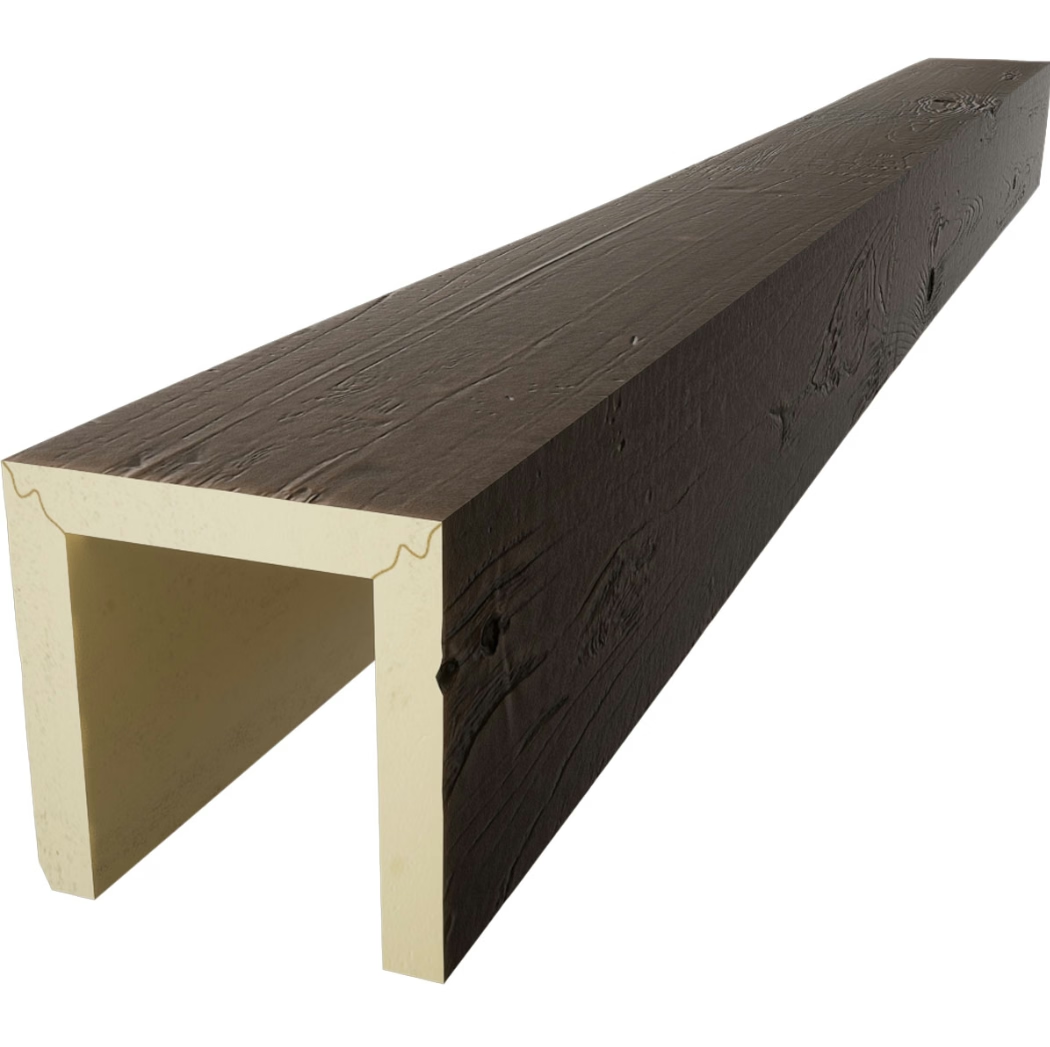
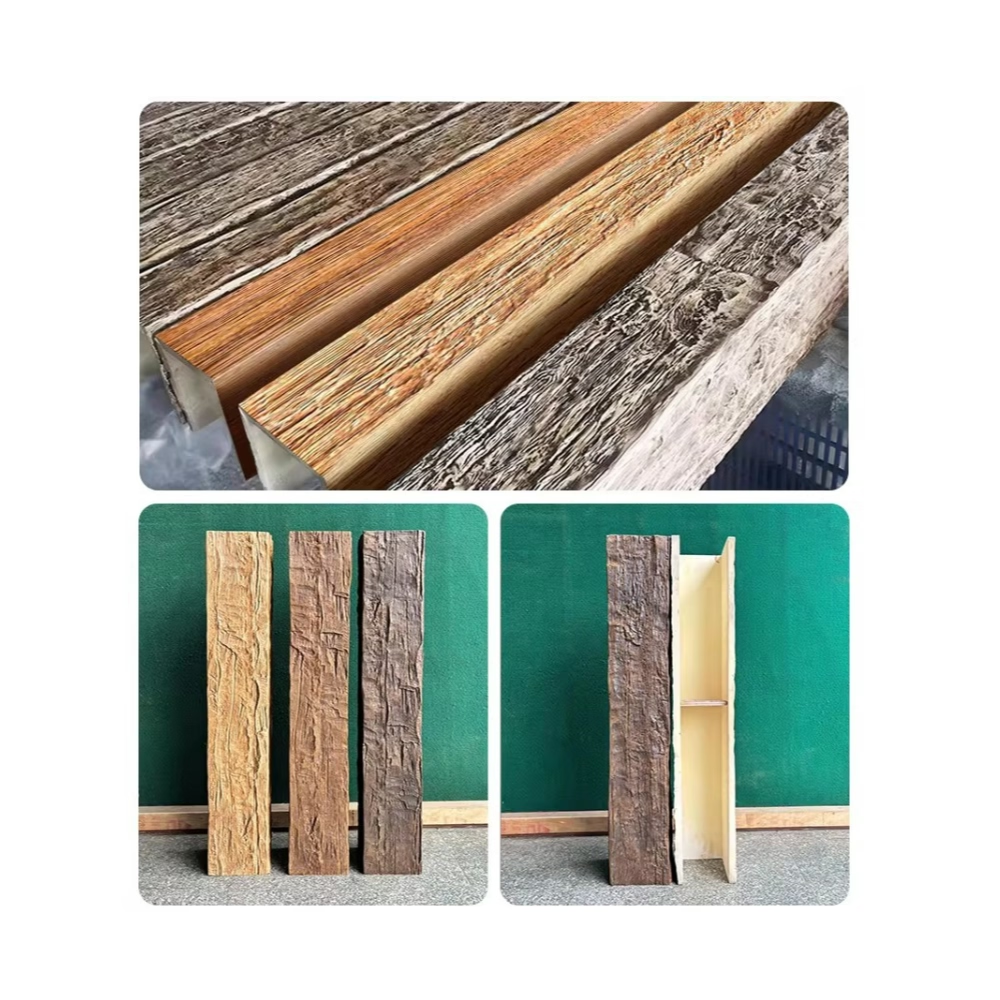
Modern polyurethane technology enables remarkable reproduction of barnwood characteristics through sophisticated manufacturing processes. Expert craftsmen prepare authentic barnwood samples, treating surfaces to highlight distinctive features for mold creation. The resulting products capture grain patterns, weathering variations, and surface textures with fidelity that satisfies all but the most demanding observers.
Coloring processes layer multiple treatments to build authentic barnwood appearance. Base coats establish underlying tones, while weathered finishes create the gray and brown variations that define barnwood character. These treatments penetrate consistently through polyurethane surfaces, ensuring color stability even if surface scratches occur. The layered approach produces depth that single-coat finishes cannot achieve.
Surface texturing adds tactile dimension that visual reproduction alone cannot capture. Wire brushing, sandblasting, and other treatments create surfaces that feel authentically weathered. This textural authenticity distinguishes quality faux barnwood from inferior products that may look acceptable from a distance but reveal their synthetic nature when touched.
Design Applications for Farmhouse Interiors
Ceiling beams establish strong horizontal visual elements that define farmhouse spaces. Beams running perpendicular to ceiling joists create rhythmic patterns that organize large rooms while introducing the timber character essential to farmhouse authenticity. The substantial visual weight of beams balances other rustic elements throughout interior spaces.
Mantels and fireplace surrounds feature prominently in farmhouse design, serving as focal points that anchor living areas. Faux barnwood mantels provide substantial presence without the weight and fire-safety concerns of authentic weathered timber. Appropriate clearances and heat-resistant detailing ensure safe installation near heat sources while maintaining rustic aesthetic goals.
Kitchen islands and breakfast bars benefit from barnwood trim that introduces warmth to workspace areas. The combination of rustic wood with practical countertop materials creates appealing contrast that defines farmhouse kitchen character. Header details above cabinet runs establish visual connections with other barnwood elements throughout open floor plans.
Integrating Barnwood with Contemporary Elements
Successful farmhouse interiors often blend rustic elements with contemporary furnishings and finishes. This integration prevents spaces from feeling overly themed or dated while maintaining essential rustic character. Barnwood beams provide warmth and texture that humanize contemporary elements, making sleek surfaces feel more approachable.
Neutral wall colors in whites, creams, and soft grays complement barnwood without competing for attention. These backgrounds allow wood elements to read as primary design features while maintaining the clean, bright atmospheres that distinguish contemporary farmhouse from purely rustic approaches. Wall color selection should consider overall design intensity—more restrained palettes for sophisticated spaces, bolder choices for more aggressive rustic statements.
Metal accents in black iron, aged brass, and matte bronze coordinate effectively with barnwood aesthetics. Light fixtures, hardware, and decorative accessories in these finishes reinforce farmhouse character while providing visual contrast that prevents spaces from feeling monotonous. The combination of warm wood and cool metal creates balanced aesthetics that feel both inviting and refined.
Installation Considerations for Faux Barnwood
Proper mounting ensures that faux barnwood beams maintain their appearance and structural integrity over time. Surface preparation involves cleaning mounting locations and verifying adequate structural support for chosen attachment methods. In new construction, blocking installed between ceiling joists provides solid attachment points. Renovation projects may require alternative approaches depending on existing conditions.
Mounting brackets spaced at regular intervals along beam lengths provide secure attachment that resists downward force and lateral movement. Bracket spacing depends on beam dimensions and ceiling conditions, with manufacturer guidelines providing appropriate starting points. Overly wide bracket spacing risks beam sag, while excessive brackets waste material without proportional benefit.
Sealing gaps between beams and mounting surfaces prevents dust accumulation and moisture intrusion that could compromise appearance over time. Caulking with color-matched materials creates finished appearances while providing weather resistance. Quality installation pays attention to these details, ensuring professional results that satisfy demanding clients.
Maintenance and Care Requirements
Faux barnwood requires minimal maintenance compared to authentic weathered timber. The non-porous surface resists staining and moisture absorption, eliminating concerns about liquid damage or mold growth that affect natural wood. Routine cleaning involves simple dusting or wiping with mild detergent—procedures that require no specialized training or equipment.
Scratch resistance depends on product quality and surface finish. Quality faux barnwood incorporates durable coatings that resist moderate impact and abrasion. Minor scratches can often be addressed through localized touch-up with matching finishes. More significant damage may require section replacement, though the modular nature of beam installations often enables repairs without disturbing surrounding elements.
Color stability ensures long-term appearance consistency. Quality products resist the yellowing and fading that affect lesser materials, maintaining barnwood character throughout extended service periods. This stability proves particularly valuable in spaces with substantial natural light, where UV exposure might otherwise cause gradual color changes.
Cost Considerations for Farmhouse Projects
Authentic barnwood commands premium pricing that reflects its scarcity and the labor involved in salvage, processing, and preparation. These costs multiply significantly in larger projects requiring substantial quantities of material. The premium may be justified for feature elements where authentic material contributes essential authenticity, but budget constraints limit broader applications.
Faux barnwood products provide cost-effective alternatives that enable generous use throughout interior spaces. The ability to specify larger quantities at reasonable prices transforms design possibilities, allowing treatments that budget constraints would otherwise preclude. This accessibility supports comprehensive design approaches where barnwood elements create unified aesthetics throughout spaces.
Installation savings further improve faux barnwood value propositions. Lighter weight reduces handling requirements and structural needs, while consistent dimensions simplify installation planning and execution. These practical advantages translate into labor savings that improve total installed costs relative to authentic alternatives.
Technical References
ASTM standards cited in every specification
Test Data
Lab results from internal testing program
Updated 2026
Reviewed against current product specs


