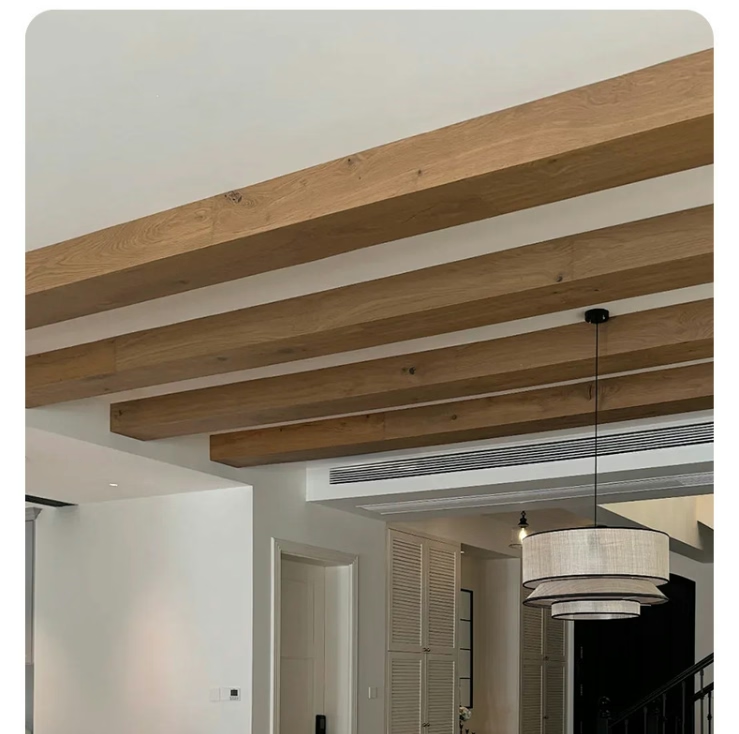
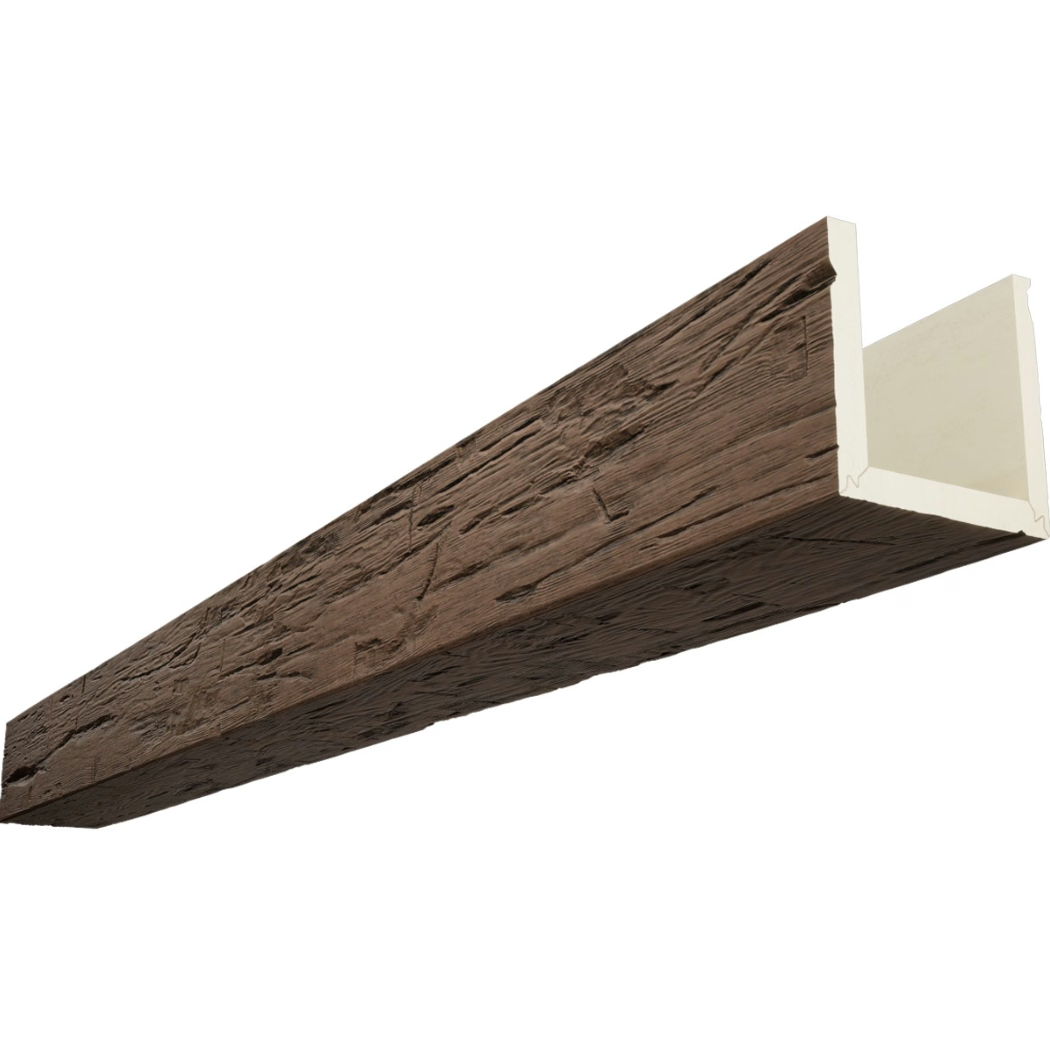
Ceiling renovation offers high-impact opportunities for transforming interior spaces, yet budget constraints often limit design ambition. Adding ceiling beams represents one of the most effective ceiling enhancements available, but authentic timber options may exceed project budgets. False timber beams made from polyurethane provide compelling alternatives that deliver premium appearances without premium costs.
The Renovation Opportunity in Ceiling Treatment
Ceilings represent significantly underutilized design opportunities in most interior spaces. While walls receive substantial attention through paint, wallpaper, and artwork, ceilings typically remain neglected afterthoughts. This neglect represents wasted potential, as ceiling treatment can transform spatial perception and overall room character dramatically.
Beam installations rank among the most effective ceiling treatments available. The visual weight of beams creates scale that makes spaces feel more substantial and designed. Textural interest adds dimension that flat ceilings lack. Material warmth introduces character that balances other interior elements. These benefits combine to create spaces that feel more complete and intentional.
The challenge lies in achieving beam aesthetics within renovation budgets that rarely accommodate premium materials and specialized installation. Authentic timber beams often exceed budget allocations, forcing compromises that reduce design impact. Alternative materials enable ambitious ceiling treatment that project budgets can support.
Understanding False Timber Beam Economics
Material costs for false timber beams typically fall below authentic timber equivalents. Manufacturing efficiency enables cost structures that natural material harvesting cannot match. While premium faux products cost more than basic alternatives, the pricing remains competitive with or superior to quality timber options on per-unit basis.
Shipping and handling expenses decrease substantially with lightweight faux products. Transporting timber beams requires specialized vehicles and handling equipment that multiply logistics costs. The lightweight nature of polyurethane products enables standard shipping methods, reducing delivery expenses that often exceed material costs for heavy timber.
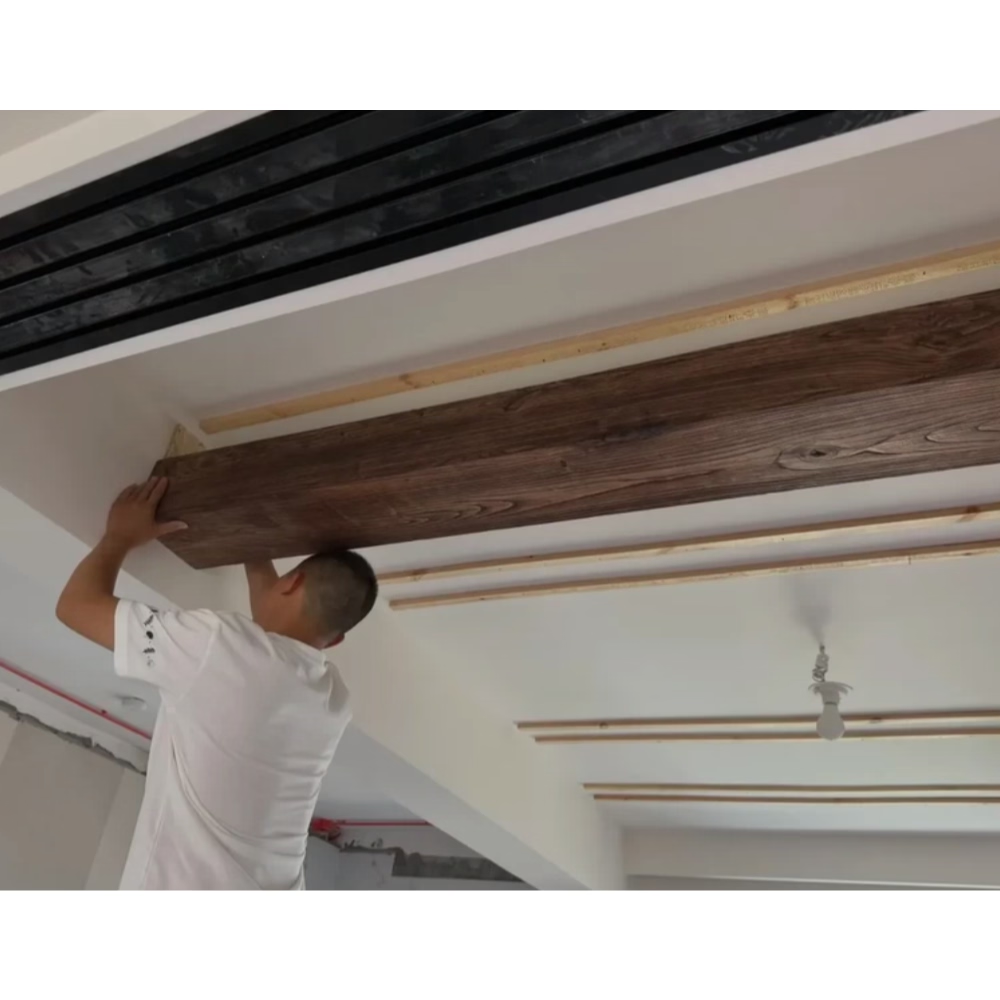
Installation labor represents potentially the largest cost component in beam projects. Faux beam handling requires fewer workers than timber alternatives of comparable size. Faster installation times reduce labor expenses proportionally. These efficiencies often make faux beams economically superior despite similar per-unit pricing.
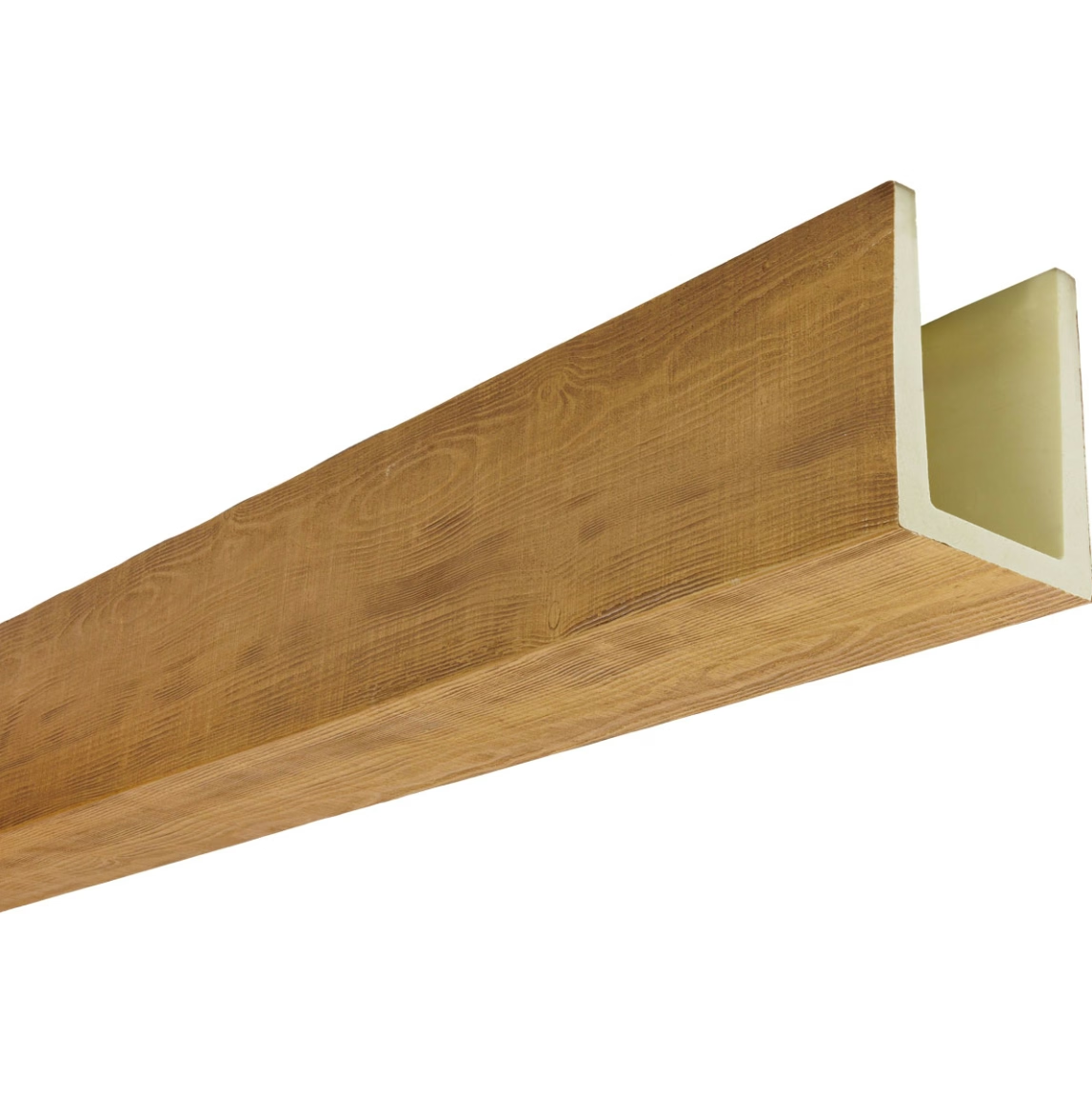
Budget Planning for Ceiling Beam Renovations
Comprehensive project budgets should account for all cost components. Material costs encompass beams, mounting hardware, and any finishing products. Labor estimates should include surface preparation, installation, and cleanup. Equipment rental for elevated access may be necessary in high-ceiling applications. Realistic budgets prevent surprises that compromise finished quality.
Comparing total costs between authentic and faux alternatives requires complete accounting. Material costs alone may favor timber in some cases, but total installed costs typically favor faux options due to handling and installation efficiencies. Requesting complete bids that specify all cost components enables meaningful comparison.
Contingency allocation accounts for conditions that emerge during renovation. Hidden structural issues, unexpected access requirements, or design modifications during installation may require additional spending. Allocating 10-15% contingency ensures that projects can address surprises without compromising finished quality.
Design Strategies Within Budget Constraints
Strategic placement maximizes impact while minimizing material requirements. Focusing beam installation on primary viewing areas rather than entire ceilings achieves substantial visual improvement at reduced cost. This selective approach concentrates design resources where they deliver maximum return.
Simpler configurations reduce material and labor costs proportionally. Single-direction beam installations require less material than complex cross-beam patterns. Wider beam spacing reduces material quantities while maintaining visual impact. These simplifications enable budget-friendly installations that still transform spaces significantly.
Smaller-scale treatments suit modest rooms where large beams would overwhelm rather than enhance. Proportionate beam dimensions ensure that installations relate appropriately to room scale. This scaling requires less material while achieving appropriate visual results for specific spatial conditions.
Quality Considerations Within Budget Projects
Budget constraints should not mean accepting inferior quality. Well-made faux beams exist at various price points, with better products generally commanding higher prices. Evaluating sample products enables assessment of quality differences that justify pricing variations. Investment in quality ensures satisfactory appearance and longevity.
Surface detail quality significantly affects realistic appearance. Higher-quality products feature detailed grain textures, natural color variations, and authentic profiles. Lower-quality alternatives may display visible manufacturing artifacts, uniform coloring, and simplified profiles that compromise realism. Quality assessment prevents disappointment with finished installations.
Finish durability ensures long-term appearance retention. Quality factory finishes resist scratches and wear that affect lesser products. UV stability prevents yellowing and color change from light exposure. These durability characteristics affect long-term value substantially, often justifying higher initial investment.
Installation Efficiency and Cost Reduction
Professional installation ensures quality results, but efficiency improvements reduce labor costs without compromising quality. Pre-finished products eliminate on-site finishing work that adds labor time and potential quality issues. Pre-assembled components reduce on-site assembly requirements.
Proper planning reduces installation time and associated costs. Accurate measurements, complete material staging, and organized workflow minimize delays that increase labor expenses. Preparation that addresses access, tools, and support needs before installation begins ensures efficient execution.
Experienced installers complete work faster than novices, though at higher hourly rates. Evaluating total project costs including labor reveals that experienced installers often deliver better value despite higher rates. Quality installations that avoid callbacks and corrections provide better total value than cheaper alternatives that require rework.
Long-Term Value Considerations
Maintenance costs affect total project economics over time. Faux beams require minimal ongoing maintenance compared to authentic timber. No periodic refinishing, no pest treatment, no moisture damage repair. These savings accumulate substantially over beam service life.
Replacement costs may arise if initial products fail prematurely. Quality faux products provide long service life that eliminates replacement concerns. Budget products that require earlier replacement may prove more expensive despite lower initial costs. Total lifecycle cost assessment reveals true economic differences.
Appearance retention affects whether renovations continue delivering value throughout their life. Quality faux beams maintain original appearance despite years of service. Budget alternatives may show wear, discoloration, or damage that diminishes visual impact. The continued satisfaction from well-maintained appearance provides value beyond initial installation.
Technical References
ASTM standards cited in every specification
Test Data
Lab results from internal testing program
Updated 2026
Reviewed against current product specs