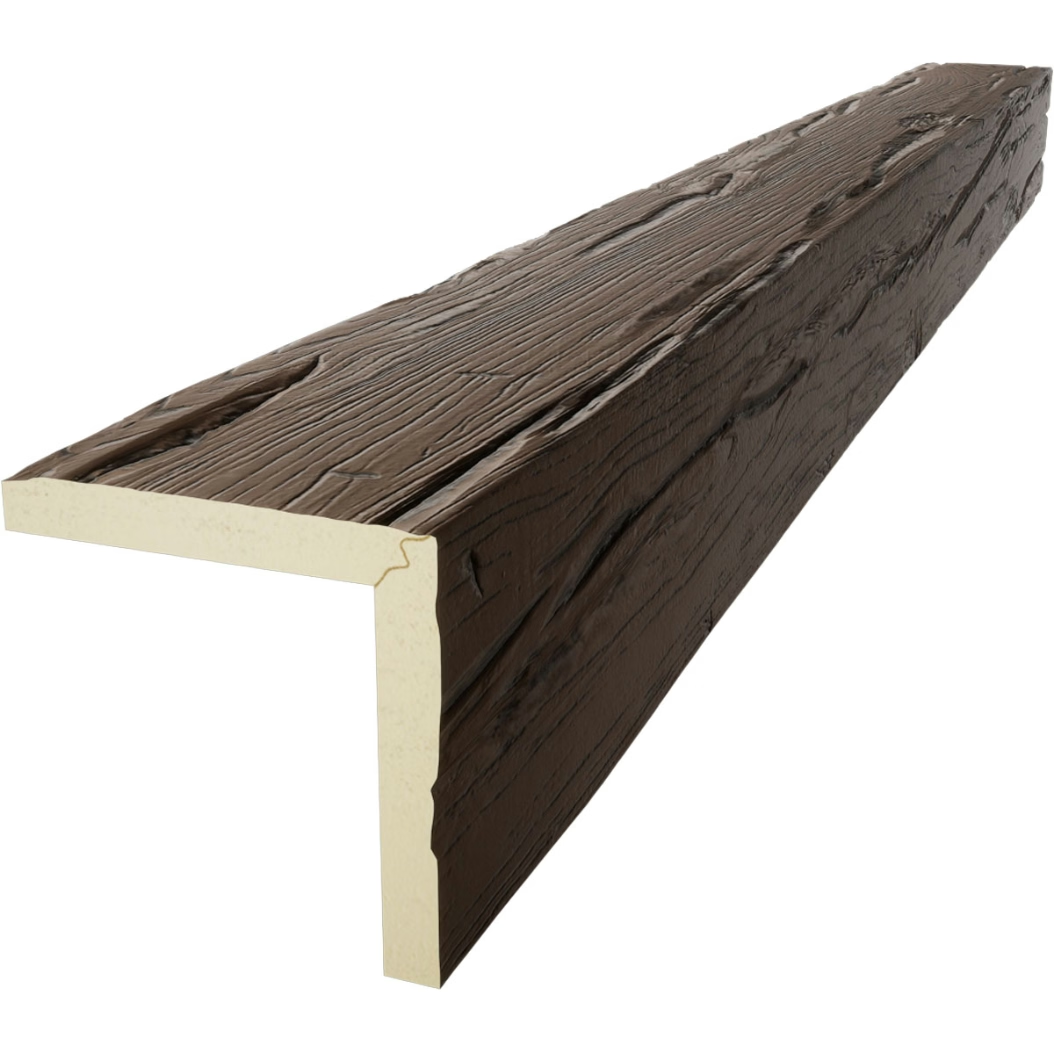
Architectural decoration serves purposes beyond mere visual enhancement—thoughtful decorative elements contribute to spatial experience, establish brand identity, and create memorable environments that distinguish properties in competitive markets. Ornamental simulation timber PU beams provide architectural decoration capabilities that serve these sophisticated requirements while delivering practical advantages that natural timber cannot match.
The term "architectural decoration" distinguishes intentional design elements from arbitrary ornamentation. Architectural decoration emerges from understanding spatial requirements, visual composition principles, and how human perception responds to different environmental qualities. Beams selected through architectural understanding contribute meaningfully to designed outcomes rather than merely adding visual complexity.
Commercial applications particularly benefit from architectural beam decoration where spaces must perform multiple functions simultaneously. Restaurants, hotels, retail environments, and corporate spaces require decoration that supports business objectives while creating appealing environments for customers and occupants. Architectural beam selection serves these business requirements through appropriate aesthetic contribution.
Architectural Functionality of Decorative Beams
Acoustic performance in commercial spaces benefits from beam installations that contribute to overall sound management. Beams with integral acoustic panels address reverberation issues while maintaining aesthetic goals. The combination of decorative and functional performance maximizes return on beam investment by addressing multiple requirements simultaneously.
Visual zoning in open-plan commercial environments uses beam installations to define distinct functional areas without physical barriers. Beam groupings establish restaurant seating zones, retail display areas, or workspace neighborhoods within larger floor plates. This zoning approach maintains spatial openness while providing psychological separation between different activities.
Wayfinding support through strategic beam placement guides occupant movement through complex commercial spaces. Beam installations at decision points, transitions, or destinations provide visual landmarks that complement signage and other wayfinding systems. The architectural approach to wayfinding proves particularly valuable in hospitality environments where guests navigate unfamiliar spaces.
Brand expression through architectural elements communicates organizational identity more effectively than signage alone. Beams finished in brand-appropriate colors, styled to reflect organizational values, and positioned to support desired spatial experiences contribute to brand embodiment. Guests experience brand through spatial qualities that signage cannot replicate.
Commercial Environment Requirements
Fire rating compliance in commercial applications requires beam products meeting relevant building codes. Polyurethane formulations can achieve various fire ratings depending on chemical composition and manufacturing processes. Specification must confirm that selected products meet codes applicable to specific project locations and occupancy types. Non-compliant products cannot be used regardless of aesthetic merit.
Durability requirements in commercial environments exceed residential expectations due to higher traffic, more frequent cleaning, and greater exposure to potential damage. Quality PU beams resist impact, abrasion, and cleaning chemicals that might damage lesser products. Initial specification of commercial-grade products prevents premature replacement that lower-quality alternatives might require.
Hygienic considerations in food service and healthcare environments favor smooth, non-porous surfaces that resist contamination. Quality polyurethane provides these characteristics while maintaining wood-like appearance. The material's resistance to moisture absorption also prevents bacterial growth that porous materials might support. These hygienic advantages support specification in demanding commercial applications.
Acoustic performance requirements in commercial spaces often demand specific noise reduction characteristics. Beams with integral acoustic treatment contribute to overall acoustic management while maintaining decorative function. The combination of acoustic and aesthetic performance addresses requirements that single-purpose solutions cannot satisfy.
Installation Considerations for Commercial Projects
Structural engineering for commercial beam installations addresses loads, seismic requirements, and safety factors that residential installations might ignore. Beams in public spaces must perform safely under conditions including crowd loading, wind pressure in exterior applications, and potential impact. Engineering documentation provides assurance that installations meet safety requirements.
Accessibility compliance in commercial applications requires consideration of beam installations that might affect path of travel or emergency egress. Beams in circulation paths must maintain required clearances while beams in occupied areas should not create hazardous protrusions. Code compliance review ensures that decorative installations do not create accessibility barriers.
Coordination with building systems including HVAC, electrical, fire suppression, and structural elements requires careful planning in commercial applications. Beams must accommodate these systems while maintaining aesthetic goals. Coordination drawings help identify potential conflicts before installation begins, preventing costly modifications during construction.

Quality verification during installation ensures that commercial projects achieve intended results. Inspection protocols verify that installed beams match approved samples, that finishing is consistent, and that installation quality meets project standards. Documentation provides record of compliance that supports subsequent maintenance and potential resale.
Return on Investment for Commercial Applications
Brand enhancement value from quality architectural decoration contributes to business positioning that justifies premium specification. Spaces that successfully embody brand values support marketing efforts and customer experience objectives. The investment in architectural beam decoration returns value through enhanced brand perception rather than merely adding decorative elements.
Maintenance cost reduction through durable beam specification provides ongoing savings that improve lifecycle economics. Products requiring frequent replacement, refinishing, or repair generate costs that initial price savings cannot offset. Quality specification focusing on long-term performance typically provides better value despite higher initial investment.
Customer experience enhancement through quality architectural environments contributes to satisfaction that supports business objectives. Hospitality venues, retail environments, and entertainment spaces benefit from environments that customers find appealing. The experiential value of quality decoration supports pricing strategies and customer loyalty development.
Property value impact from quality architectural improvements affects both user satisfaction and potential resale value. Commercial properties featuring premium architectural elements command higher valuations than comparable properties lacking these improvements. The investment in architectural decoration contributes to asset value that supports financing and eventual exit strategies.
Architectural decoration with ornamental simulation timber PU beams delivers aesthetic, functional, and business value that justifies specification in commercial applications. When beam selection, installation, and coordination receive appropriate professional attention, the resulting environments enhance brand expression, support business objectives, and create memorable spaces that serve occupants effectively.

Technical References
ASTM standards cited in every specification
Test Data
Lab results from internal testing program
Updated 2026
Reviewed against current product specs


