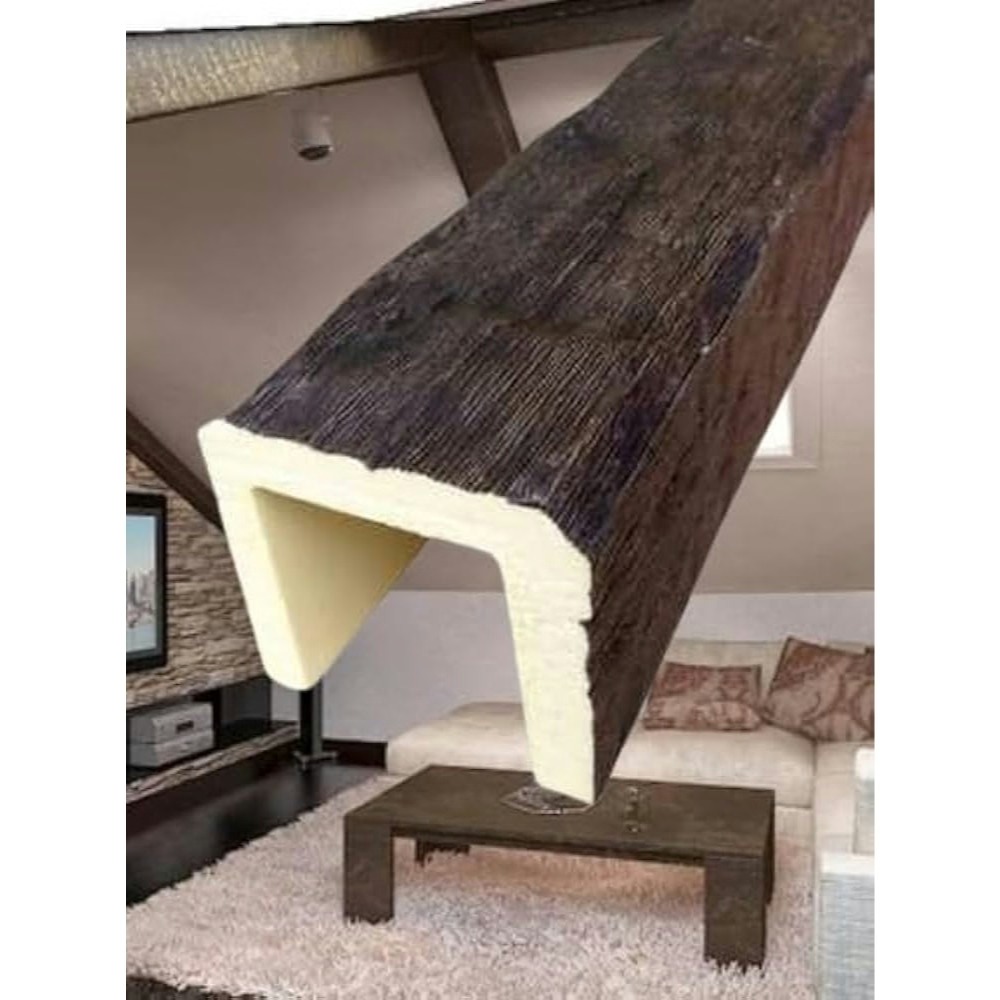
Interior design often achieves its most memorable moments through strategic restraint rather than comprehensive treatment. A single well-chosen element can transform a space more dramatically than multiple lesser features competing for attention. This principle applies perfectly to ceiling treatment, where a single decorative beam can establish focal points that organize entire room designs.
The Power of Singular Design Elements
Human perception naturally seeks focal points that organize visual experience. Spaces with clear focal points feel more composed and intentional than spaces where attention has nowhere to settle. Adding a single dominant element above a key furniture grouping creates visual anchor that makes spaces feel designed rather than assembled.
A single beam positioned above a fireplace, dining table, or seating arrangement draws the eye naturally toward that zone. This automatic attention direction organizes spatial experience, making distinct functional areas within open floor plans. The beam serves as visual shorthand that communicates the importance of the space below.
The restraint required for single-beam treatment distinguishes sophisticated design from amateur attempts. Comprehensive beam installations may feel obligatory or themed. A single beam feels curatorial—a deliberate choice that suggests the designer understood exactly what the space needed rather than applying formulaic treatment.
Selecting the Right Beam for Single Installation
Scale selection determines whether a single beam succeeds or overwhelms. Oversized beams dominate spaces awkwardly, competing for attention rather than directing it. Undersized beams disappear against ceiling surfaces, failing to provide intended focal impact. Appropriate scale relates to the furniture grouping below and the overall room dimensions.
Proportion between beam length and width affects visual balance. Longer beams can support greater width without appearing chunky. Shorter beams may require narrower proportions to maintain elegant appearances. These relationships require judgment based on specific spatial conditions rather than fixed rules.
Profile character should match surrounding design context. Simple contemporary profiles suit modern interiors with clean lines. More elaborate traditional profiles complement classic furnishings and formal arrangements. Rustic profiles with pronounced texture enhance cottage and farmhouse aesthetics. Matching profile to context ensures integration rather than conflict.

Strategic Placement Considerations
Fireplace positions represent ideal locations for single beam treatment. The beam above a fireplace creates traditional focal point that has anchored living spaces for centuries. The combination of visual weight above and gathering below creates natural destination that organizes furniture arrangement and room traffic flow.
Dining table placement establishes formal dining zones within open floor plans. A beam above the dining table marks this area as distinct from surrounding living space, creating visual boundary without physical barrier. The treatment adds ceremony to everyday meals while defining space within otherwise open configurations.
Bedroom placement above headboards creates intimate focal points appropriate for sleeping spaces. The beam anchors the bed as primary furniture element, establishing hierarchy that guides subsequent furnishing decisions. Lighter touch in bedroom applications suits the relaxed atmosphere these spaces require.
Installation Requirements for Single Beams
Mounting requirements for single beams remain essentially identical to multi-beam installations. Blocking or appropriate hardware must support beam weight securely. The difference lies in the stakes—any imperfection in a single-beam installation becomes immediately obvious, demanding more careful execution.
Ceiling condition assessment ensures proper support availability. Any surface preparation requirements should be addressed before installation. Ceiling height affects how beams appear from normal viewing positions, requiring consideration of mounting height to achieve intended proportions.
Position accuracy proves critical for single-beam installations. Small positioning errors that might be invisible in multi-beam installations become glaringly obvious when only one element occupies the ceiling. Careful measurement and marking before mounting prevents errors that would require reinstallation to correct.
Finish Selection for Single Beam Applications
Natural wood stains create warmth that complements virtually every interior style. The grain patterns and color variations add natural character that enhances surrounding materials. Stain selection should consider coordination with other wood elements in the room for cohesive design.
Painted finishes provide flexibility that enables precise color coordination. White and off-white treatments brighten spaces while adding textural interest. Bold colors make beams read as intentional design statements. The choice between stained and painted finishes depends on surrounding design and desired visual intensity.
Distressed finishes add character that suits traditional and rustic interiors. These treatments create surfaces that appear weathered by age, introducing warmth that new materials cannot provide. Distressing should appear organic rather than mechanical, suggesting genuine aging rather than artificial treatment.
Coordinating with Lighting
Lighting integration enhances single-beam installations while improving space functionality. Pendant fixtures hung from beam undersides create visual connections between lighting and architectural elements. The positioning draws attention toward beam and the functional zone below.
Track lighting positioned to graze beam surfaces emphasizes wood textures through shadow and highlight. This indirect approach creates drama without competing for attention. Adjustable fixtures enable fine-tuning of lighting effects after installation.
Natural light interaction affects how beams appear throughout day and night. North-facing light creates different effects than south-facing exposure. Understanding these variations helps specify finish and positioning that achieve intended appearance across lighting conditions.
Maintenance Advantages
Single beams require minimal ongoing maintenance compared to more comprehensive installations. Occasional dusting maintains appearance without specialized treatment. The practical nature of polyurethane materials resists most common soiling.
Touch-up requirements for single beams may be more demanding than for comprehensive installations. Any damage or wear becomes immediately visible, requiring prompt attention. Having appropriate finish products available enables immediate response to any appearance issues.
Technical References
ASTM standards cited in every specification
Test Data
Lab results from internal testing program
Updated 2026
Reviewed against current product specs


