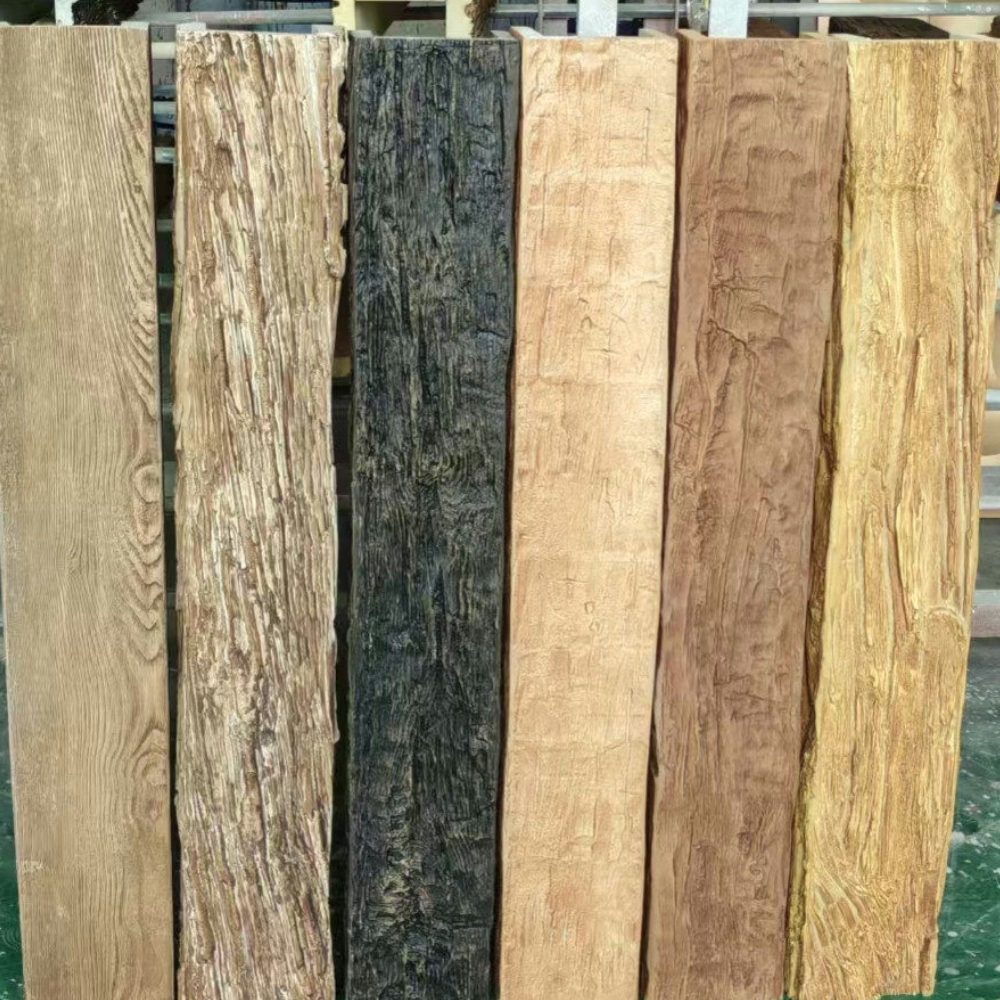
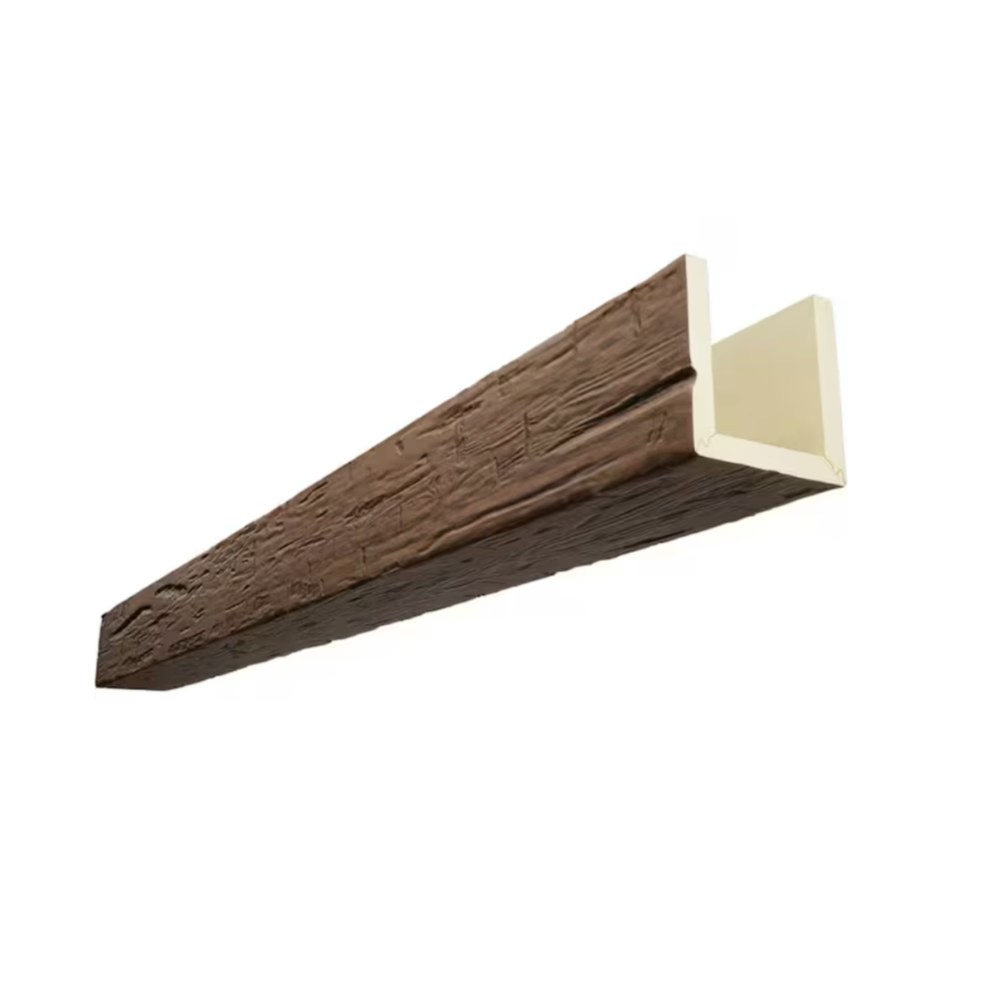
If you have ever examined a multi-piece faux beam installation up close, you may have noticed the seams where two shorter sections meet. These joints, however well-finished, can telegraph themselves to a careful observer and subtly undermine the illusion of genuine timber. The single-piece high-simulation PU beam addresses this problem directly by producing the full visual impression of solid wood from end to end, with no seams, no splices, and no interruption in the grain pattern.
How High Simulation Is Achieved in PU
The phrase "high simulation" in the context of PU faux beams refers to a combination of visual and tactile qualities that approach authentic wood in their realism. Achieving this requires multiple stages of production, each contributing a different element to the final effect.
The mold-making process begins with the selection of actual wood beams that exhibit the grain patterns, color variations, and surface character that the manufacturer wants to replicate. These reference beams are typically weathered oak, aged barn wood, or reclaimed longleaf pine, chosen because their natural beauty includes the small imperfections that make wood feel authentic. A silicone mold is taken of each beam, capturing not just the macro grain pattern but the micro textures, checks, and color variations in the wood surface.
When the mold is used to cast the PU beam, the resulting piece carries all these surface details forward. The grain lines flow continuously along the length of the beam, just as they would in real timber. The color gradations and darkening in the valleys of the grain are reproduced faithfully. When you run your hand along a high-simulation beam, the subtle texture difference between heartwood and sapwood rings is perceptible.
The Structural Logic of Single-Piece Construction
The single-piece beam eliminates the weakest point in any multi-piece installation: the joint. A joint between two beam sections is inherently a stress concentration. Temperature changes cause materials to expand and contract, and this movement is most pronounced right at the seam. Over seasons and years, even the best adhesive bond can begin to separate, creating a visible crack or lip at the joint.
A single-piece beam sidesteps this problem entirely. With no joints along its length, there are no seams to separate, no adhesive bonds to fail, and no periodic maintenance required at junction points. The beam expands and contracts as a unified whole, and its structural integrity remains constant regardless of environmental conditions.
From a manufacturing standpoint, single-piece beams require larger molds and more material per unit, which increases their cost. However, the installation cost savings often offset this. Fewer pieces mean fewer measurements, fewer cuts, fewer mounting points, and a faster overall installation that offsets the higher per-unit material cost.
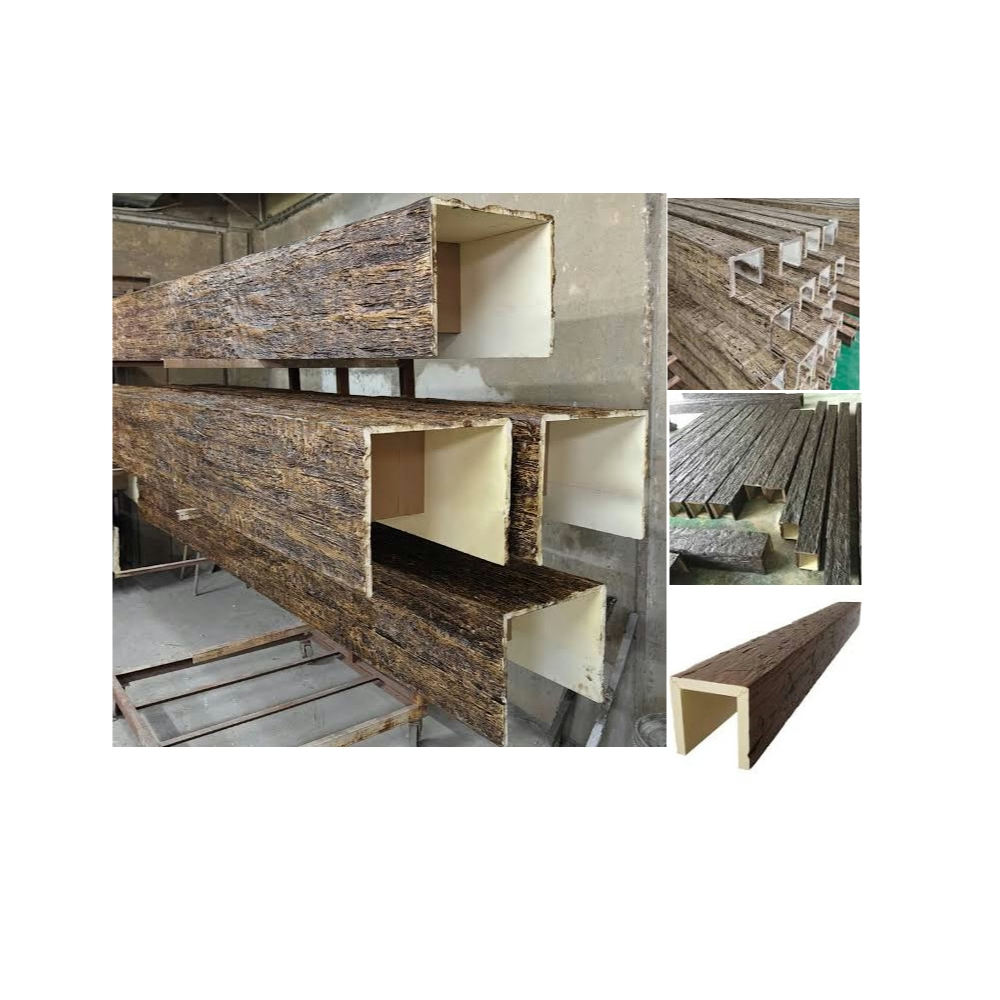
Aesthetic Advantages in Real-World Spaces
In rooms with open ceilings or exposed trusses, a single-piece beam creates a visual anchor that reads as a deliberate architectural choice rather than an installed product. When a beam spans from wall to wall in one continuous piece, it conveys permanence and intentionality. It looks like the house was designed around it.
This is particularly impactful in vaulted ceilings where the beam is the dominant horizontal element in the space. A multi-piece beam can look assembled; a single-piece beam looks inherent to the architecture. The continuous grain pattern draws the eye smoothly along the beam's length, reinforcing the sense of scale and height in the room.

Practical Considerations for Single-Piece Selection
Before selecting single-piece beams, verify that they can physically be delivered and handled in your space. A 16-foot single-piece beam requires a vehicle or storage area that can accommodate that length, and you need to confirm that doorways, hallways, and stairwells will allow passage. In some cases, a single-piece beam that looks perfect on paper simply cannot be physically moved into the installation location.
In situations where the maximum single-piece length is shorter than the required span, installers typically position the joint at a structural support point, such as a bearing wall or heavy timber, where the seam can be concealed or disguised. A decorative corbel or bracket placed at the joint adds structural support and turns the seam into a design feature rather than a liability.
The surface finish of high-simulation beams can be maintained with standard household care. Dust with a microfiber cloth or duster. For cleaning, a slightly damp cloth with mild soap removes accumulated grime without damaging the finish. Avoid abrasive scrubbers or harsh chemical cleaners, which can wear through the surface detail over time.
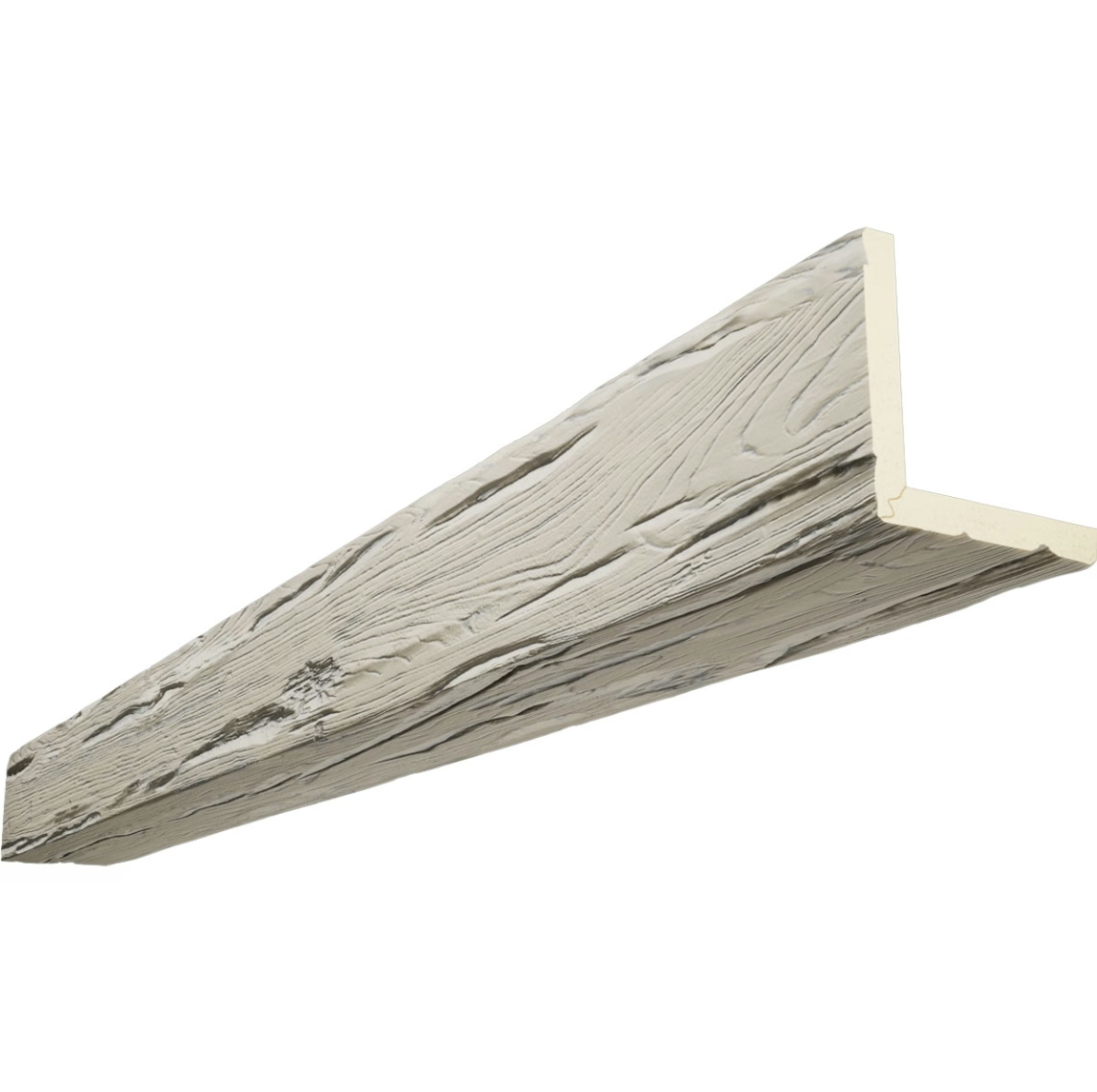
High-simulation single-piece PU beams represent the current state of the art in faux beam technology. They offer the most convincing visual performance available while retaining all the practical advantages of polyurethane as a material. For homeowners and designers who refuse to compromise on appearance, the single-piece approach is worth the additional planning required to specify and install it correctly.
Technical References
ASTM standards cited in every specification
Test Data
Lab results from internal testing program
Updated 2026
Reviewed against current product specs