Mid-century modern design is not a style you follow; it is a philosophy you absorb. It emerged from a generation of designers who believed that good design should be accessible, functional, and honest—using materials for what they are rather than disguising them as something else. That philosophy has resonated across decades, and today mid-century modern interiors remain among the most sought-after settings in residential design. Faux wood beams, when styled with an understanding of what made mid-century design distinctive, integrate into these spaces with an authenticity that goes beyond surface appearance.
Defining Characteristics of Mid-Century Beam Design
The mid-century modern period roughly spanned 1945 to 1969, and the beam styles found in homes from this era reflect the full range of that period. Early mid-century beams, influenced by the Bauhaus and Scandinavian design traditions, favored clean geometry and natural materials. Later mid-century beams, particularly in the late 1960s, began to embrace bolder forms and warmer finishes as the style evolved toward what would eventually become the 1970s.
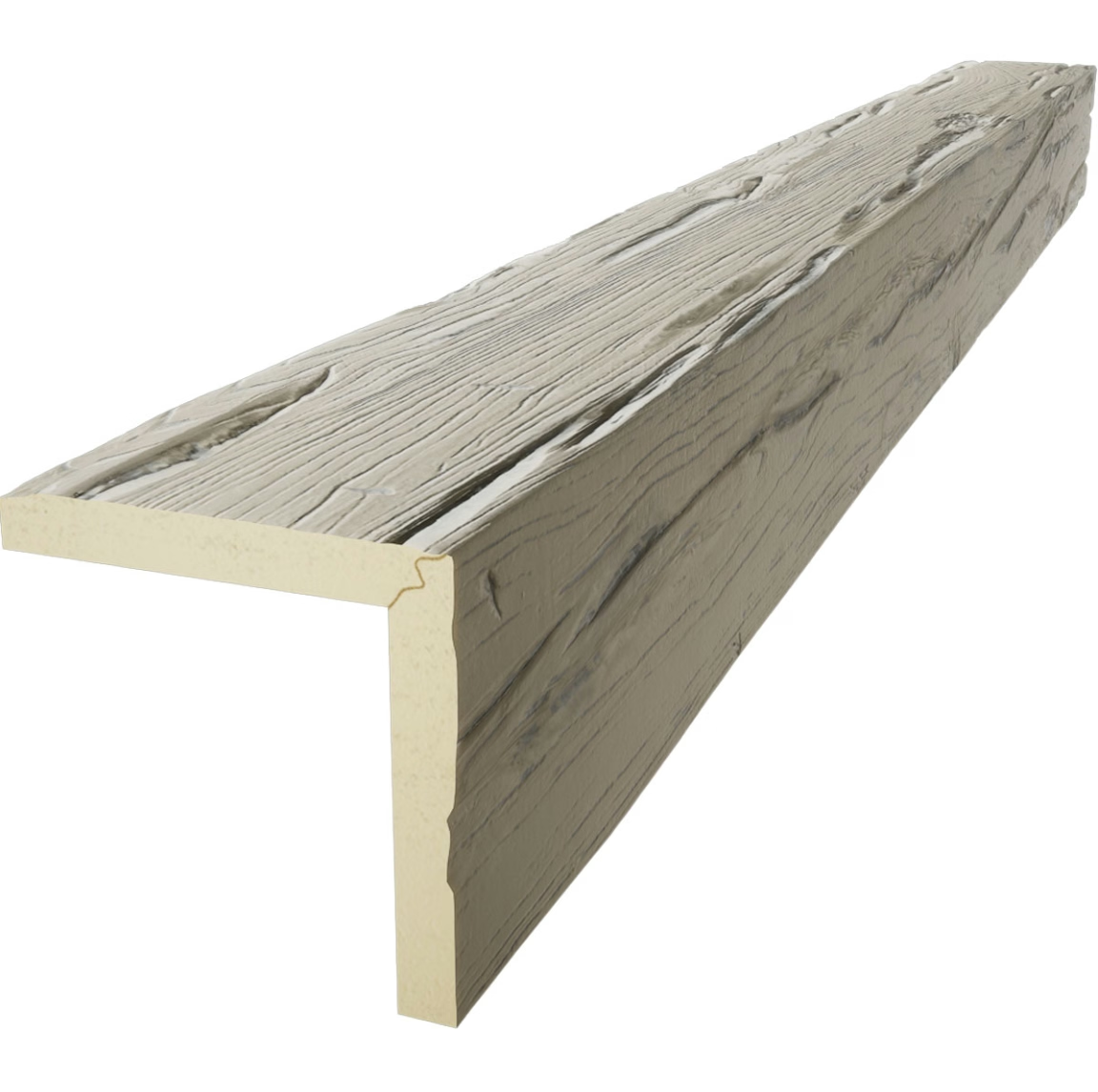
The beam profile most associated with mid-century modern design is the V-beam or the tongue-and-groove panel beam. V-beam profiles feature a V-shaped notch along the visible face, creating the appearance of multiple narrow boards that have been joined together. This profile was common in post-and-beam construction from the period and is one of the most recognizable ceiling treatments associated with mid-century residential architecture.
Panel beams, where the beam face consists of narrow tongue-and-groove boards that have been glued or nailed to a backing, create a textured ceiling plane that adds visual depth and warmth. These beams were often left in their natural finish, displaying the honey-toned warmth of ponderosa pine or the richer tones of redwood.
Appropriate Beam Proportions for Mid-Century Spaces
Mid-century architecture favored clean proportions that related to human scale rather than imposing monumental scale on the space. Beams in mid-century interiors should feel substantial enough to be credible as structural elements but not so massive that they overwhelm the room's proportions.
The ideal mid-century beam depth ranges from 4 to 7 inches, with width typically between 4 and 6 inches. These proportions create a beam that casts a meaningful shadow and reads as a distinct ceiling element without dominating the space. The V-beam profile, with its notched face, is particularly effective at this scale because the notches add visual interest that compensates for the relatively shallow depth.
Beam spacing in mid-century interiors typically follows the 4 to 6 feet on-center range, which creates a regular rhythm that is architectural rather than decorative. This spacing relates to the module of mid-century furniture design, where pieces were often designed in multiples of 2 feet, and it produces a ceiling grid that feels deliberate and considered.
Finish Selection for Mid-Century Authenticity
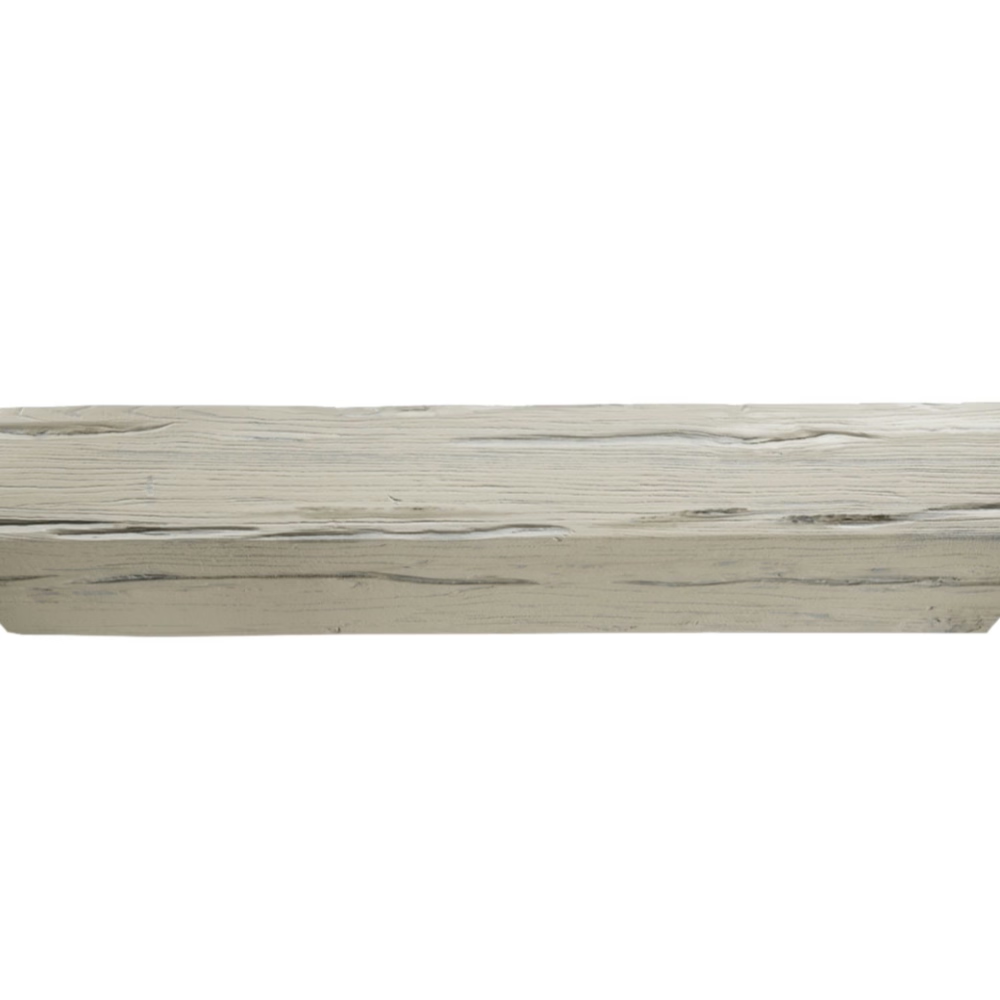
The finishes most appropriate for mid-century beam installations draw from the palette of the era itself. Natural wood finishes that show the grain clearly, without heavy stain or artificial coloring, were the standard in mid-century residential construction. The wood species most commonly seen were those native to North America: pine, cedar, redwood, and Douglas fir.
For PU faux beams in a mid-century interior, a natural oak or honey pine finish captures the period aesthetic most effectively. The finish should be applied to highlight the grain rather than to obscure it, with a level of sheen that falls between matte and gloss. Mid-century designers favored semi-gloss or satin finishes that showed the wood's character without the mirror-like shine of high-gloss lacquer.
If a darker finish is desired, a walnut-toned stain in a medium range—lighter than the dark walnut finishes common in traditional interiors but darker than honey oak—provides a sophisticated mid-century option. This finish was common in the furniture design of the period, particularly in pieces by designers like George Nelson and Eero Saarinen, and it transfers effectively to ceiling beam applications.
Painted beams in mid-century interiors typically used the same color as the ceiling or a closely related tone, creating a unified ceiling plane with subtle texture variation from the beam profile. A beam painted in ceiling white, with a V-beam or tongue-and-groove profile, adds depth to the ceiling while maintaining the clean, integrated appearance that mid-century architects favored.
Room-Specific Mid-Century Beam Applications
The living room is the most natural setting for mid-century beam installations. The post-and-beam construction style that defined mid-century residential architecture was most prominently displayed in living rooms, where the ceiling beams were visible from the main gathering space. In a contemporary home styled with mid-century furniture, a V-beam or panel beam installation in the living room establishes the period credibility that makes the furniture choices feel coherent rather than eclectic.
The dining room also benefits from mid-century beam treatment, particularly in open-plan layouts where the dining area shares a ceiling plane with the living room. Using the same beam profile and finish in both spaces maintains visual continuity while allowing each space to develop its own furniture identity.
Bedrooms in mid-century style can incorporate beams as a more subtle element. A single beam centered above the bed, running perpendicular to the headboard, creates a focused design element that anchors the sleeping area without overwhelming it. This approach is particularly effective in master bedrooms with sloped or vaulted ceilings, where a single beam can trace the ridge line or follow the slope direction.
Coordinating Beams with Mid-Century Furniture and Decor
The furniture and décor in a mid-century interior should feel like a conversation with the beams rather than a competition with them. Mid-century furniture is known for its clean lines, organic forms, and material honesty—characteristics that translate well when selecting complementary beam treatments.
Low-profile seating, iconic mid-century light fixtures such as the Arco lamp or the Nelson bubble lamp, and furniture with exposed wood legs all complement mid-century beam installations. The key is to maintain the same relationship with materials: honest, functional, and free of unnecessary ornament.
Geometric rugs in the color palette of the period—mustard yellow, avocado green, burnt orange, and warm brown—work well with wood-toned beams and help ground the space visually. Wall art in the form of abstract expressionist prints or mid-century graphic posters reinforces the period authenticity without cluttering the clean wall planes that mid-century design relies on.
The long-term appeal of the mid-century modern style lies in its refusal to apologize for either its geometry or its warmth. Faux beams styled for this aesthetic embody that same balance, providing architectural structure and organic material warmth in equal measure. When the beams, furniture, lighting, and finishes all speak the same design language, the result is a space that feels complete and timeless.
Technical References
ASTM standards cited in every specification
Test Data
Lab results from internal testing program
Updated 2026
Reviewed against current product specs


