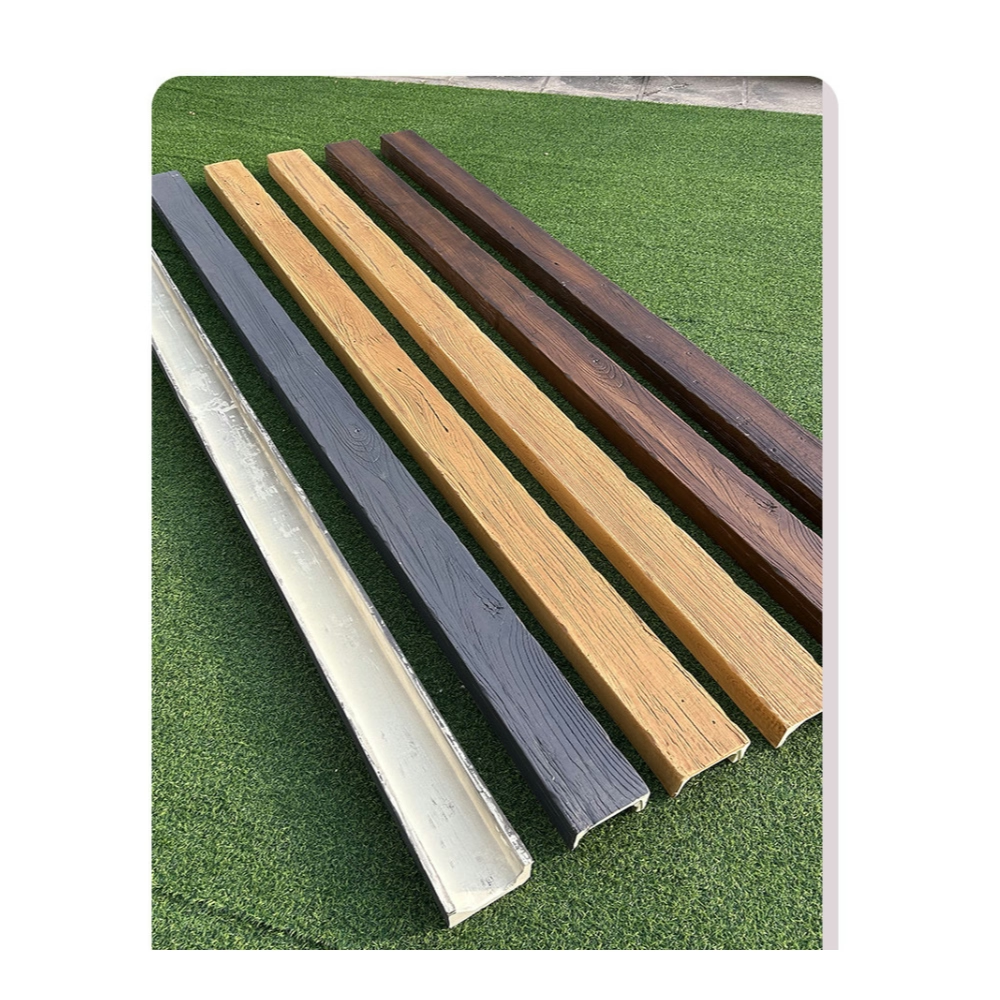
Every homeowner inherits design choices from previous occupants, and ceiling beams present some of the most challenging elements to modify. Unlike wall treatments or flooring that can be replaced during routine renovation, ceiling beams often represent structural components that cannot simply be removed. When those beams feature water damage, conflicting architectural styles, or simple dated aesthetics, slip-on faux timber sleeves provide a practical solution that respects both the underlying structure and the homeowner's design vision.
The slip-on approach differs from traditional beam renovation methods in its fundamental philosophy. Rather than treating the beam as something to be removed, repaired, or replaced, slip-on sleeves accept the beam as-is and build around it. This philosophy eliminates the structural concerns, expense, and disruption associated with beam removal while delivering results that rivals—or exceeds—what new construction would provide.

Understanding the terminology helps clarify the options available. "Slip-on" refers to the installation method—these sleeves literally slip over existing beams like a glove fitting onto a hand. "Faux timber" describes the visual effect, which convincingly mimics natural wood grain, texture, and color without requiring actual timber materials. The combination delivers aesthetic transformation through a practical, non-invasive process.
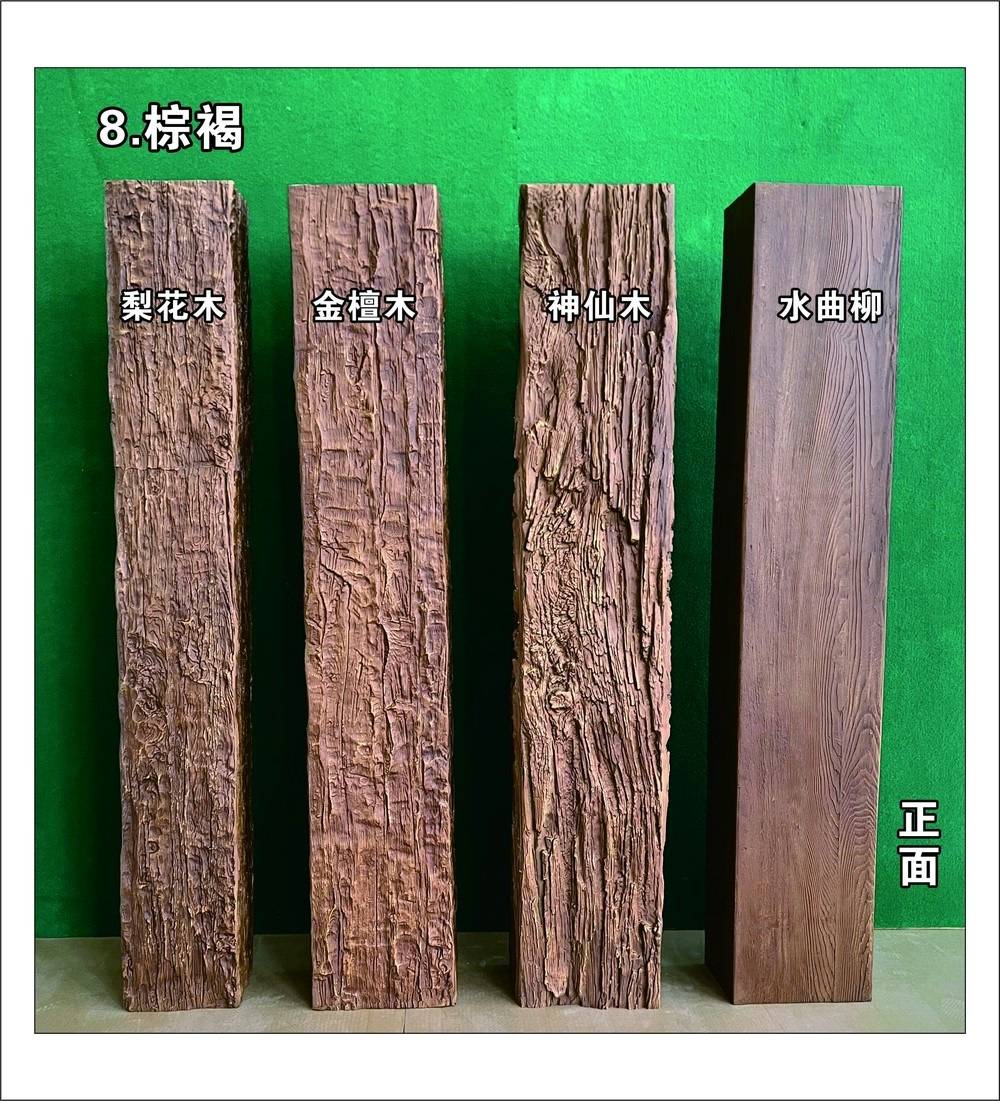
Material selection for slip-on sleeves typically involves high-density polyurethane, though some manufacturers offer PVC alternatives. Polyurethane generally provides superior detail reproduction, better paint adhesion, and more authentic weight characteristics. The material accepts wood grain textures, knot patterns, and color variations with remarkable fidelity, creating finished appearances that casual observers cannot distinguish from genuine timber without close inspection.
Sizing considerations require accurate measurement of the existing beam in all dimensions. Height and width must account for any irregularities or variations along the beam's length. Length determination should consider end treatment—whether the sleeve will terminate against walls, run to another beam, or extend beyond the original structure for visual emphasis. Custom sizing services accommodate unusual dimensions that standard products cannot address.
The slip-on installation process follows a logical sequence that experienced installers complete efficiently. Initial preparation involves clearing the work area, removing any hardware attached to the beam, and making minor repairs to the existing structure. The sleeve itself is then test-fitted to confirm dimensions and check for any interference from irregular beam surfaces. Once satisfied with the fit, adhesive is applied to all contact surfaces, and the sleeve is positioned and secured.

Corner and joint treatment presents the most technically demanding aspect of slip-on sleeve installation. Beams that change direction, intersect with other beams, or terminate at walls require careful planning to achieve clean, professional results. Manufacturers offer corner pieces, end caps, and transition components that simplify these connections. Professional installers develop techniques for making these joints disappear, creating the impression of continuous solid timber throughout.
Environmental adaptation represents a notable advantage of polyurethane sleeves over natural wood. Timber beams expand and contract with humidity changes, potentially creating gaps, warping, or visible movement over time. Polyurethane maintains dimensional stability regardless of environmental conditions, ensuring that installations remain tight and secure through seasonal transitions. This stability proves particularly valuable in regions with extreme climate variations.
Fire safety considerations have led to significant improvements in polyurethane beam products. Modern formulations incorporate fire-retardant additives that reduce combustibility and slow flame spread. Reputable manufacturers provide fire ratings for their products, allowing code compliance verification for commercial applications and providing peace of mind for residential installations. These ratings should be confirmed before purchase, particularly for projects requiring building department approval.
Integration with ceiling systems requires coordination during planning. Recessed lighting, ceiling fans, and other ceiling-mounted fixtures may require repositioning or modification to work effectively with newly covered beams. Electrical fixtures that previously attached to original beams may need alternative mounting strategies. Early planning prevents costly changes during or after installation.
Aesthetic cohesion depends on thoughtful selection of sleeve style, color, and finish to match surrounding design elements. The goal is creating a unified ceiling appearance that appears original to the home rather than a series of add-on modifications. Factors including room proportions, existing trim details, and overall design style should inform these selections. Sample pieces allow visual confirmation before committing to specific products.
Longevity expectations for quality slip-on sleeves extend to multiple decades with minimal maintenance. Unlike natural timber that requires periodic refinishing or sealing, polyurethane maintains its appearance through routine cleaning. UV exposure may eventually affect exterior applications, but interior installations typically retain their original appearance for the life of the home.
Cost analysis for slip-on sleeve projects compares favorably against alternative approaches. Full beam removal and replacement might cost three to five times more than sleeve installation when structural engineering, contractor fees, and finishing are included. The slip-on approach eliminates structural modification costs entirely while delivering comparable or superior visual results.
Technical References
ASTM standards cited in every specification
Test Data
Lab results from internal testing program
Updated 2026
Reviewed against current product specs