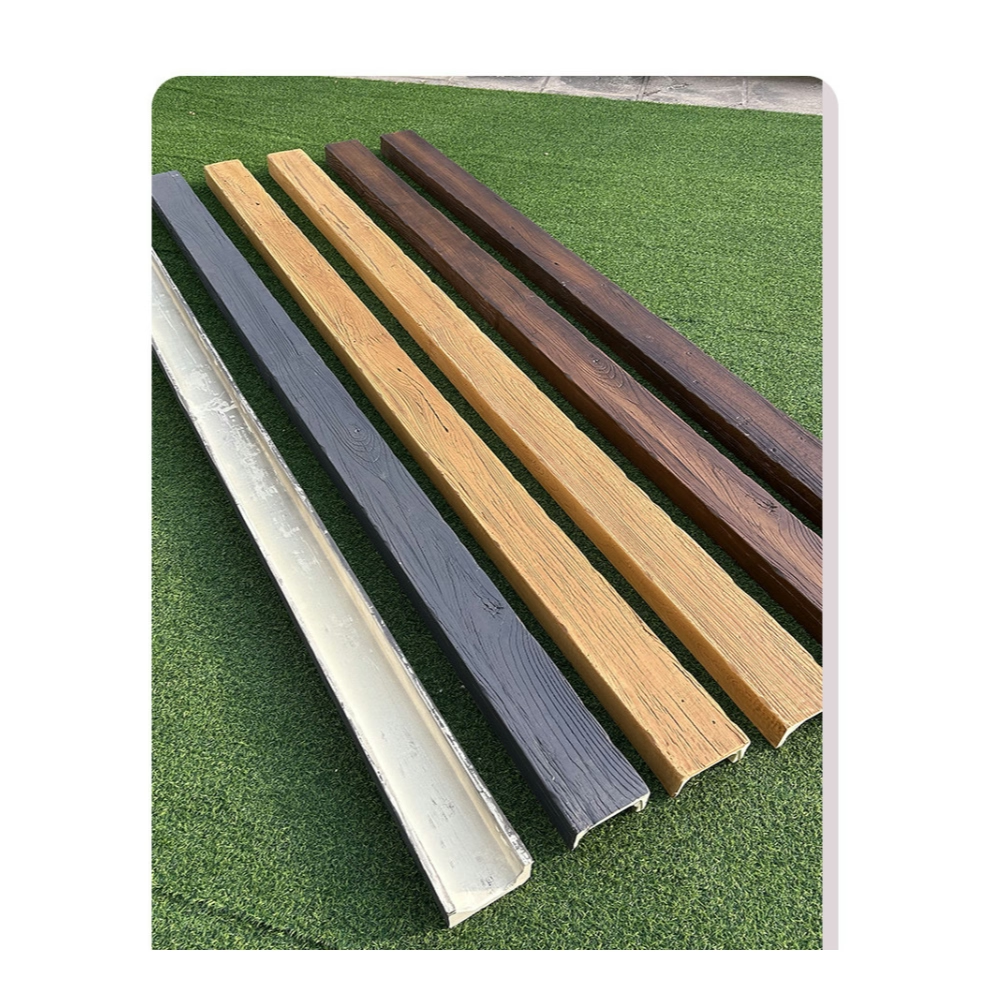
Ceiling architecture speaks volumes about a home's design heritage, and outdated beam treatments can date an otherwise modernized interior. For decades, homeowners faced an unappealing choice between expensive structural modification and accepting compromised aesthetics. Polyurethane beam technology has fundamentally changed this equation, with slip-on faux wood covers enabling dramatic ceiling transformations through simple, non-invasive installation methods.
The evolution from traditional wood beams to modern polyurethane alternatives reflects broader trends in construction materials. Engineered products now frequently outperform natural materials in durability, consistency, and versatility while reducing environmental impact. Polyurethane beam covers embody this shift, offering sophisticated aesthetics through sophisticated manufacturing processes that transform raw polymers into convincingly authentic wood replicas.

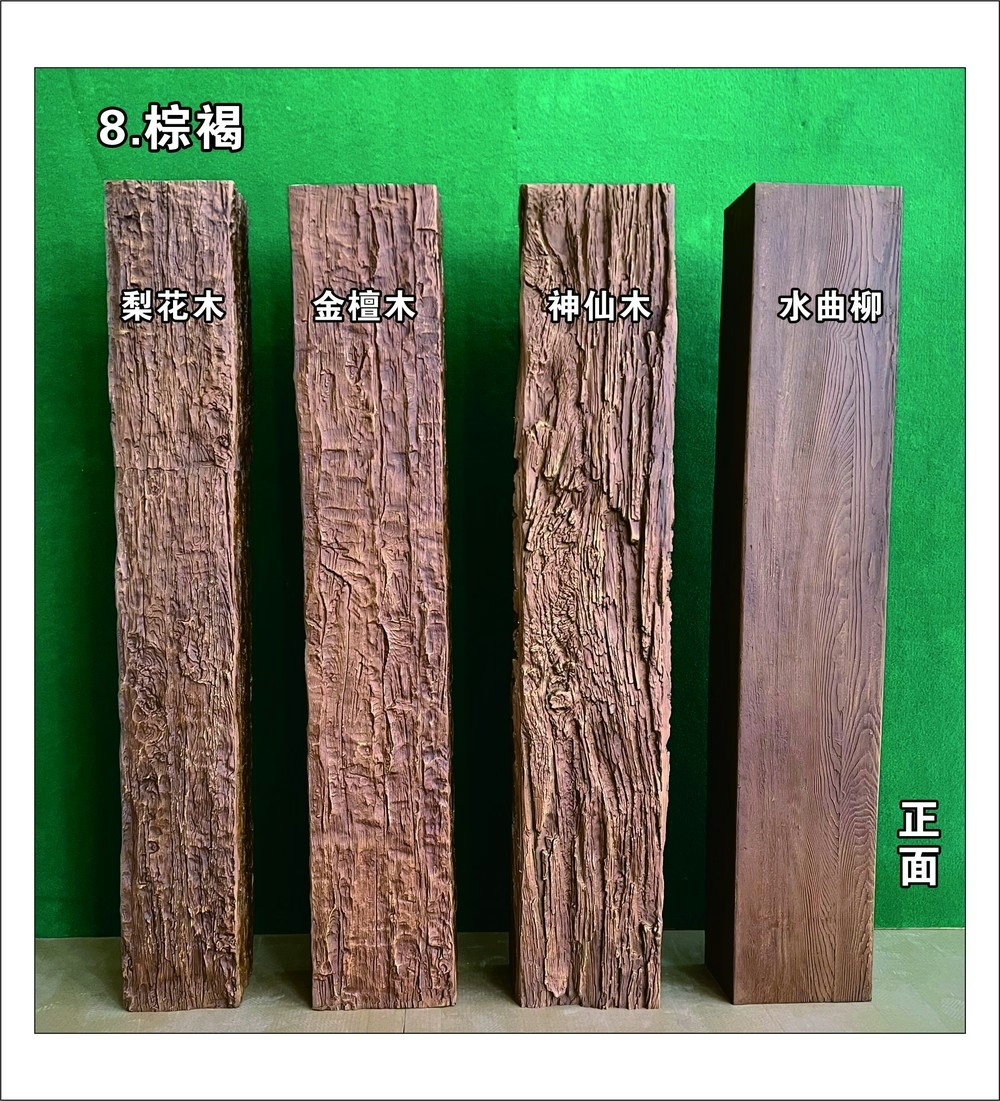
The manufacturing process behind quality slip-on covers involves multiple stages that transform liquid polyurethane into realistic timber mimics. Initial molding captures fine wood grain details from authentic timber samples, preserving every knot, ring, and natural variation. The resulting molds produce consistent pieces with remarkable fidelity to natural wood character. Secondary processing adds color through carefully formulated finishes that penetrate the surface or coat it uniformly, depending on the desired effect.
Material properties of polyurethane make it exceptionally suitable for beam cover applications. The material accepts detailed textures without air bubbles or manufacturing defects. It machines cleanly for custom modifications. It bonds readily with appropriate adhesives. Most importantly, it maintains its shape and appearance indefinitely under normal interior conditions. These characteristics allow manufacturers to guarantee their products for extended periods, providing confidence to both installers and end users.
Sizing and configuration options continue expanding as demand grows. Standard sizes accommodate common residential beam dimensions, while custom manufacturing handles unusual specifications. Lengths typically range from four to twelve feet for individual pieces, with longer spans achieved through seamless joining techniques. Cross-sectional profiles include simple rectangular beams, architectural variations with decorative edges, and authentic timber reproductions complete with natural irregularity.

Surface preparation of existing beams deserves careful attention before cover installation. Any condition that creates irregularity in the mounting surface will potentially telegraph through the cover or interfere with proper fit. Loose paint, protruding nails, water damage, or biological growth should be addressed before proceeding. This preparation ensures optimal results and prevents issues that might require remediation after the cover is installed.
Adhesive selection significantly impacts long-term performance of slip-on covers. Construction adhesives formulated for polyurethane materials provide secure bonds without chemical reactions that might damage the cover surface. The adhesive must accommodate slight movement from thermal expansion without losing grip. Application should cover all contact surfaces uniformly, with sufficient thickness to fill minor irregularities while avoiding squeeze-out that creates mess or visual issues.
Support requirements depend on cover weight and beam configuration. Most slip-on covers add minimal load to existing structures, but longer spans may benefit from hidden support brackets that prevent any possibility of sagging. Some installers add blocking between ceiling joists at cover endpoints, creating solid backing for end caps or termination pieces. These modifications remain invisible after installation while providing necessary structural reinforcement.
Finish compatibility allows for customization beyond standard offerings. While many covers arrive in ready-to-install conditions with authentic wood tones and textures, others accept paint or stain for custom color matching. This flexibility enables perfect coordination with existing trim, cabinetry, or furniture finishes. Some projects incorporate painted beams that contrast with surrounding surfaces for dramatic visual effect.
Environmental performance distinguishes quality polyurethane from cheaper alternatives. Premium products resist temperature extremes without cracking or deforming. They maintain color stability despite UV exposure in sunlit areas. They resist moisture absorption that could create swelling or delamination. These characteristics matter particularly in kitchens, bathrooms, and covered outdoor applications where environmental conditions vary significantly.
Maintenance requirements for slip-on covers remain minimal throughout their service life. Occasional dusting or light cleaning removes accumulated dirt without damaging finishes. The sealed surface prevents staining from moisture or household substances. Unlike natural wood, polyurethane never requires sealing, staining, or refinishing to maintain its appearance. This convenience proves especially valuable in high-ceiling applications where maintenance access creates challenges.
Warranty coverage varies between manufacturers and product lines. Quality producers back their products with multi-year warranties covering manufacturing defects, finish deterioration, and structural integrity. These warranties transfer to subsequent property owners, adding value during resale. Reviewing warranty terms before purchase provides assurance of manufacturer confidence in product quality.
The installation learning curve proves manageable for determined DIYers, though professional installation offers advantages for complex projects. Experienced installers handle unexpected conditions efficiently, create invisible joints, and complete projects faster than inexperienced individuals. For those choosing DIY routes, manufacturer instructions typically provide adequate guidance, and installation videos demonstrate techniques for common challenges.
Technical References
ASTM standards cited in every specification
Test Data
Lab results from internal testing program
Updated 2026
Reviewed against current product specs