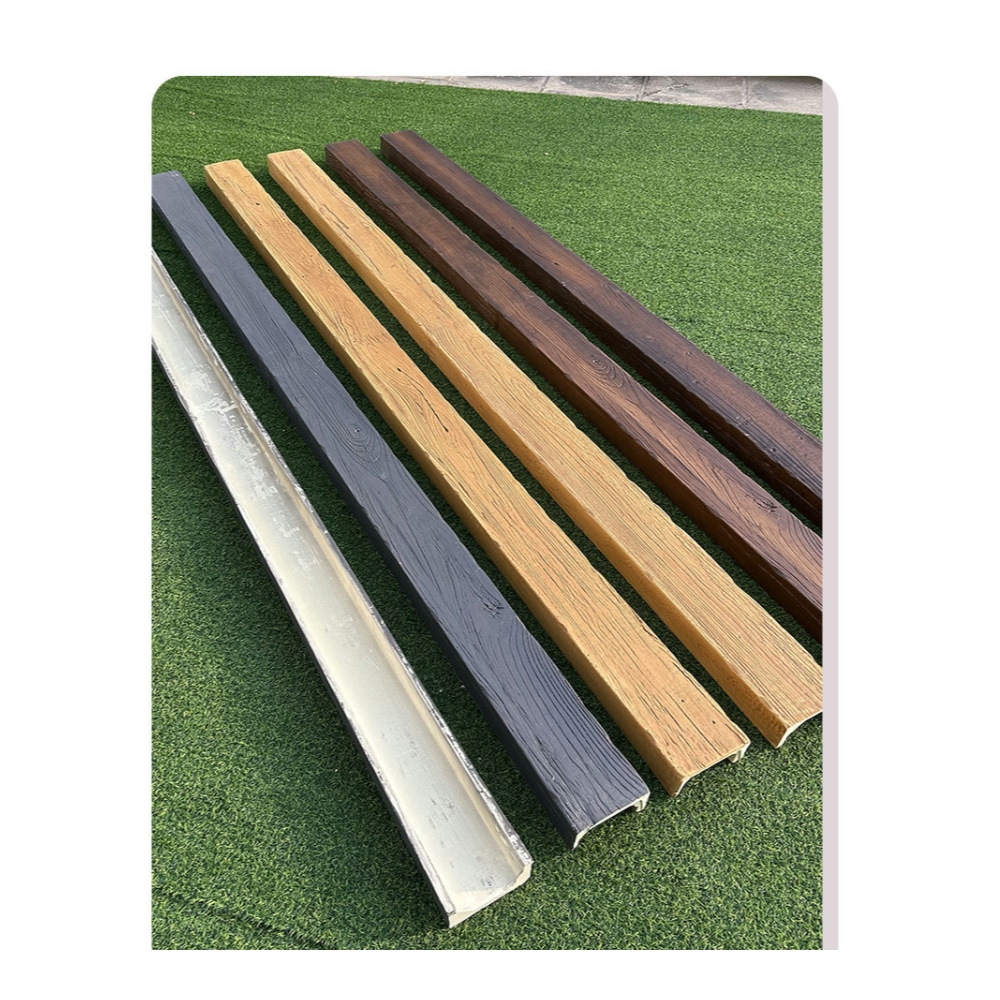
Home renovation projects frequently reveal opportunities for improvement that extend beyond initial scope, and exposed ceiling beams often appear on these lists. Whether inherited from previous construction standards, damaged by water incidents, or simply no longer aligned with current design preferences, problematic beams need not require major intervention. Slip-on polyurethane beam sleeves have established themselves as practical solutions that deliver professional results through accessible installation methods.
The simplicity underlying slip-on sleeve technology belies its effectiveness. By accepting existing structures as they are and building outward rather than replacing, this approach sidesteps complications that have historically made beam renovation expensive and disruptive. The result is a transformation process that respects both the home's structure and the homeowner's time and budget constraints.

Technical specifications for slip-on sleeves begin with dimensional requirements. Hollow construction creates interior cavities that accommodate various beam sizes while maintaining consistent exterior dimensions. Wall thickness typically ranges from one-half to one inch depending on product line and desired visual weight. Heavier wall sections provide better impact resistance and more substantial appearance, while thinner sections reduce material costs and weight.
Material formulation varies between manufacturers, with polyurethane density presenting the most significant quality distinction. Higher density formulations resist impacts that would dent or crack lower quality alternatives. They hold fastener threads more securely when mechanical attachment supplements adhesive bonding. They maintain dimensional stability through temperature cycles without developing gaps or warping. These characteristics justify premium pricing for products intended for demanding applications or high-traffic environments.
Installation efficiency represents one of the slip-on approach's strongest selling points. While careful measurement and preparation require attention, the actual installation process proceeds quickly once covers are ready. A typical room containing four to six covered beams can often be completed in a single afternoon by a pair of installers working efficiently. This timeline contrasts dramatically with beam removal or replacement projects that might require multiple days of work and subsequent cleanup.

Joint treatment between sleeve sections demands attention to achieve seamless results. Quality products feature precision-cut ends that meet with minimal visible seam when properly aligned. Some manufacturers provide alignment guides or connection systems that simplify achieving invisible joints. Others recommend specific adhesive application patterns that create strong bonds while minimizing squeeze-out and cleanup requirements.
Corner and transition configurations require specialized components or custom fabrication. Beams running perpendicular to each other, changing elevation, or intersecting with walls need careful planning to achieve clean appearances. Experienced installers develop techniques for these challenging areas, often involving careful mitering, strategic piece selection, and concealed fastening methods that maintain visual continuity.
Load capacity considerations rarely limit slip-on sleeve installations because the sleeves themselves add minimal weight. However, accessories attached through or to sleeves—like ceiling fans or heavy light fixtures—require independent support that bypasses the sleeve entirely. Pre-planning for such additions during the installation phase allows incorporation of blocking or supports that become invisible once the project is complete.
Finish maintenance follows simple protocols that preserve appearance indefinitely. The sealed polyurethane surface resists staining and can be cleaned with mild household cleaners. Occasional inspection for any signs of adhesive failure or physical damage allows early intervention before issues develop. Most installations require no ongoing maintenance beyond periodic cleaning to remove accumulated dust.
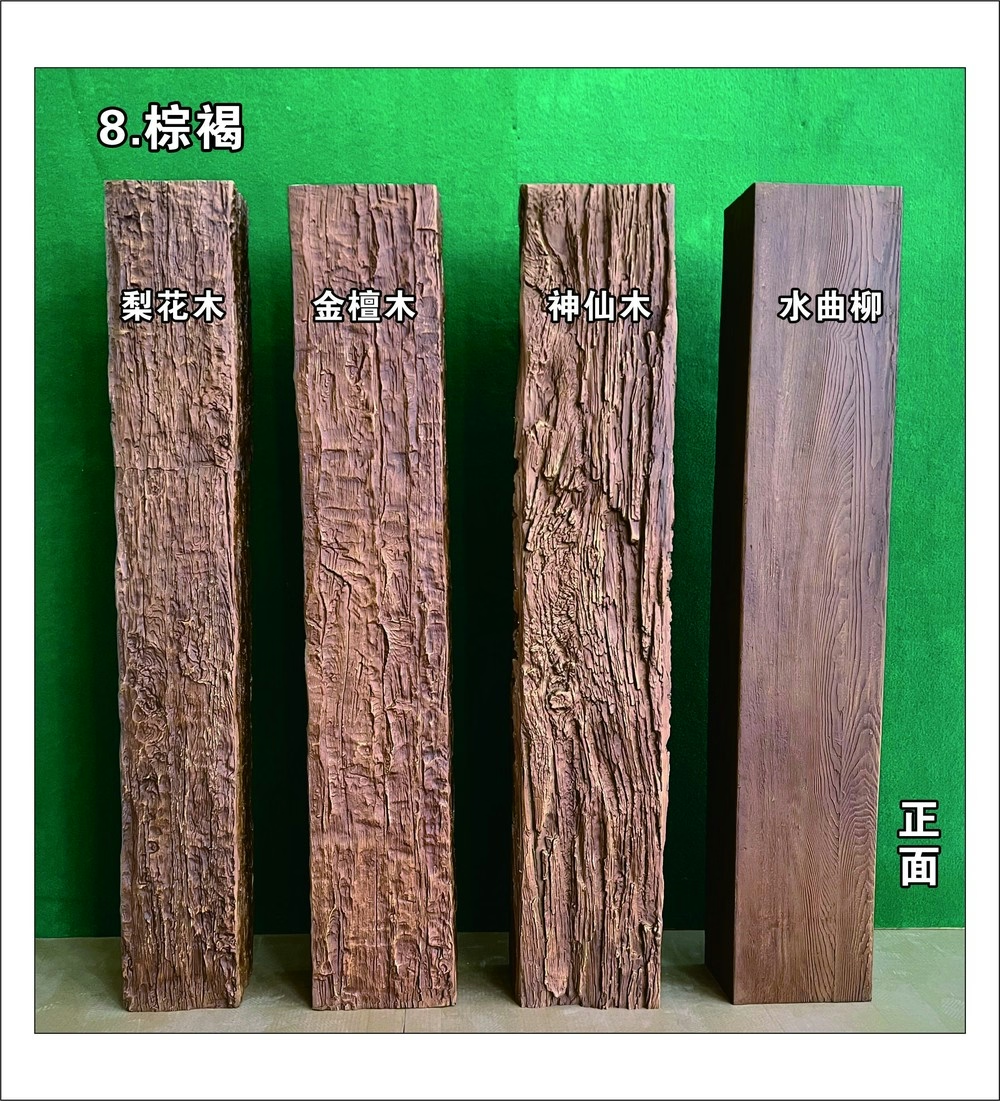
Design customization options continue expanding as market demand grows. Beyond standard wood-tone finishes, manufacturers now offer painted options, custom color matching, and specialty finishes like distressing or antiquing. These options allow architects and designers to specify exactly the appearance their projects require, with production timelines that accommodate custom orders within reasonable lead times.
Cost comparisons favor slip-on sleeves against alternative approaches in most scenarios. When considering total project cost—including materials, labor, finishing, and cleanup—sleeve installation typically undercuts beam replacement by fifty to seventy percent. Even compared to professional refinishing of existing beams, slip-on approaches often prove more economical while delivering superior, longer-lasting results.
Environmental benefits accrue from the material efficiency of slip-on approaches. By covering existing beams rather than removing and discarding them, installations divert waste from landfills while eliminating disposal costs. Polyurethane manufacturing has become increasingly efficient, with many producers incorporating recycled materials and environmentally responsible production methods. These considerations matter to environmentally conscious consumers and projects pursuing green building certifications.
Technical References
ASTM standards cited in every specification
Test Data
Lab results from internal testing program
Updated 2026
Reviewed against current product specs