Contemporary architecture has liberated ceiling design from the rectangular constraints that defined construction for generations. Curves, organic forms, and flowing lines now appear throughout sophisticated interiors, from residential living spaces to commercial hospitality environments. Smooth recessed curved polyurethane beams serve this design movement perfectly, providing the curved ceiling elements that modern designers increasingly specify while maintaining the practical advantages that polyurethane construction delivers.
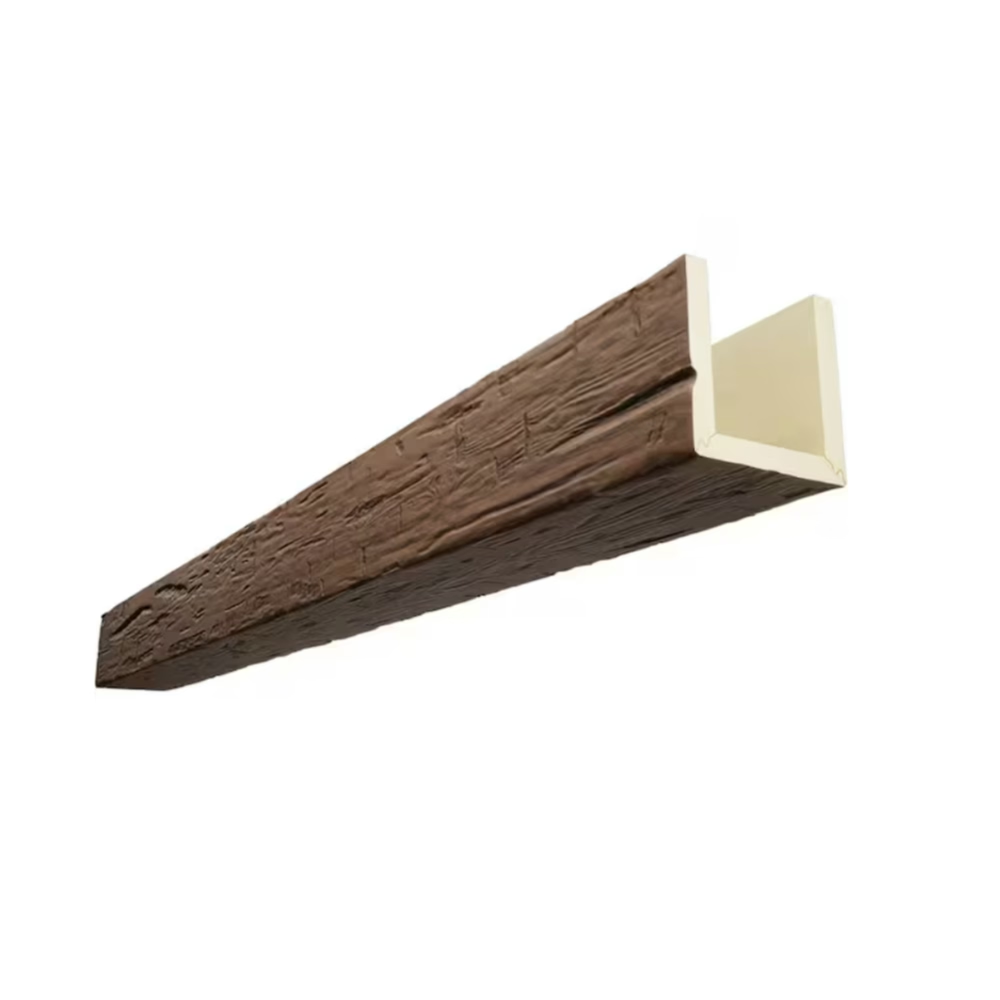
The recessed designation indicates that these beams install partially within ceiling planes rather than projecting fully below them. This integration creates the impression that beams emerge from ceiling structure rather than hanging from it, establishing visual relationships between beams and surrounding ceiling surfaces that conventional beams cannot achieve. The result feels more integrated, more intentional, more architecturally sophisticated.

Curve geometry for these beams encompasses various configurations that address different design objectives. Gentle sweeping curves create subtle movement across ceiling planes, introducing visual interest without strong directional emphasis. Tight radius curves generate more dramatic statements, creating focal points that draw attention and establish design hierarchy. Compound curves that change direction or radius create complex ceiling architecture that rewards exploration.
Manufacturing curved polyurethane beams presents technical challenges that require sophisticated capabilities. Mold construction for curved pieces differs significantly from straight beam production, involving flexible materials or segmented designs that accommodate complex geometries. Material flow during molding must fill curved cavities completely, avoiding the voids or thin sections that could compromise structural integrity. Quality manufacturers develop specialized processes for curved beam production through research and development investment.
Installation approaches for curved beams must accommodate geometries that standard mounting methods cannot address. Curved mounting surfaces create contact challenges that require adhesive selection and application techniques suited to non-linear conditions. Support structures may require custom fabrication to match beam curves while providing secure attachment points. Experienced installers develop techniques for these challenging applications through accumulated experience.

Design applications for curved beams favor spaces where distinctive ceiling architecture creates memorable experiences. Hospitality environments—hotel lobbies, restaurant dining rooms, spa reception areas—benefit from curved beams that establish brand identities through distinctive design. Retail spaces employ curves to guide customer movement and highlight merchandise displays. High-end residential applications introduce curves as design statements that differentiate properties from conventional alternatives.
Lighting integration with curved beams creates opportunities that straight beams cannot provide. Recessed fixtures following curved paths create flowing illumination patterns that reinforce beam geometry. LED strips embedded within curved beam cavities produce even glow effects that emphasize flowing forms. The interaction between curved beams and light creates living ceiling architecture that evolves throughout day and evening.
Spatial perception effects from curved beams differ significantly from straight alternatives. Gentle curves create impressions of expansion and fluidity that straight lines cannot generate. Tight curves introduce dynamic energy that suggests movement even in static installations. The choice between curve types should align with the emotional responses that spaces should evoke—calm, energizing, welcoming, dramatic.
Material efficiency of polyurethane enables curved beam applications that would prove impractical with authentic timber. Solid wood curves require steam bending or laminated construction that demands significant skill and generates substantial waste. Stone or concrete curves demand extensive forming work and permanent scaffolding. Polyurethane curves emerge from molds efficiently, with minimal material waste and no supporting structure requirements.
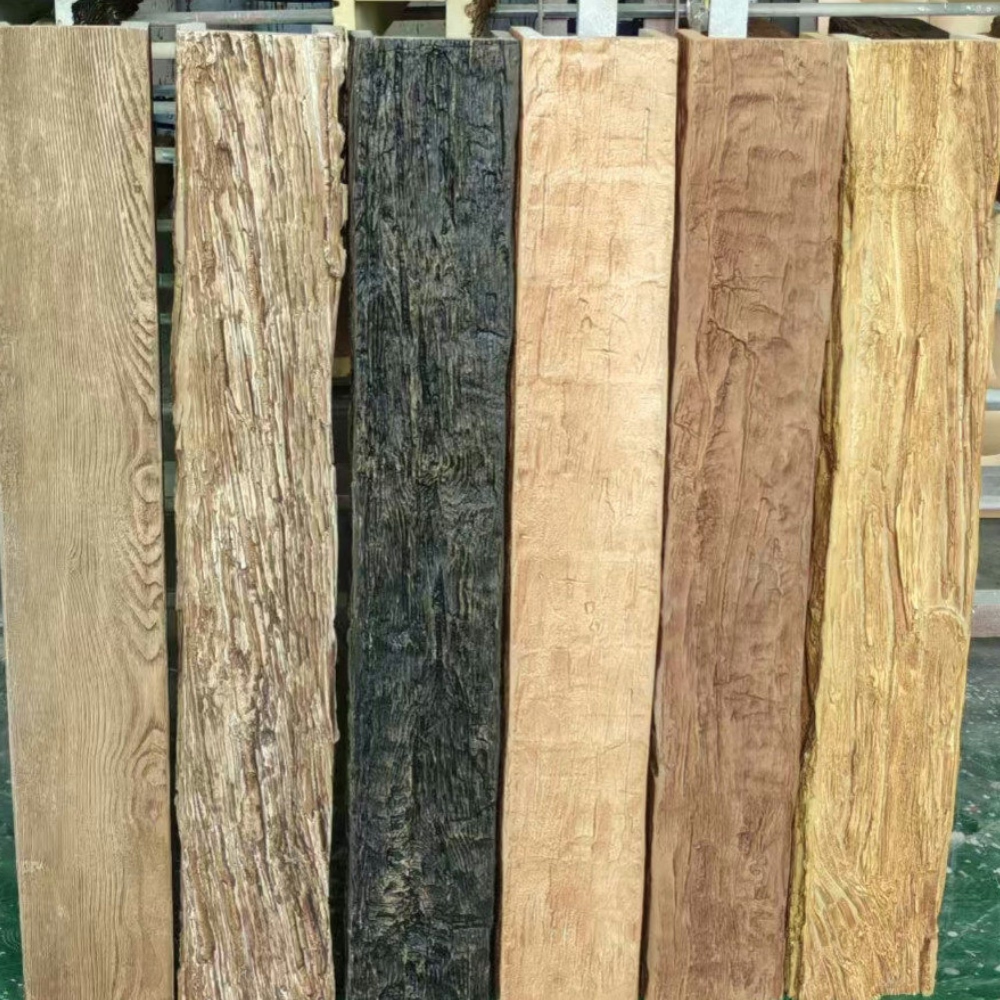
Finish options for curved beams span the same range available for straight alternatives. Smooth polished finishes enhance the contemporary character that curves typically communicate. Matte finishes provide refined appearances suitable for sophisticated environments. Textured treatments can introduce rustic character that contrasts interestingly with curved forms. Each approach creates different design effects from the same underlying geometry.
Integration with other curved elements creates unified ceiling architecture that feels comprehensive rather than fragmented. Curved beams can complement curved bulkheads, arched openings, or circular ceiling features through coordinated design language. This coordination requires planning during early design phases, ensuring that beam curves align with other curved elements throughout spaces.
Cost considerations for curved beams exceed straight alternatives due to manufacturing complexity and installation challenges. However, the distinctive visual impact that curves provide often justifies premium pricing for clients seeking unique design expression. Comparing total project costs between curved beams and elaborate straight beam systems helps establish appropriate expectations for curved beam investments.
Maintenance for curved beams follows protocols similar to straight alternatives. The smooth polyurethane surface accepts cleaning readily, and curved geometry creates no special maintenance challenges. Routine cleaning preserves appearance quality without demanding specialized techniques or equipment.
Technical References
ASTM standards cited in every specification
Test Data
Lab results from internal testing program
Updated 2026
Reviewed against current product specs