
Minimalism in interior design isn't merely an aesthetic preference—it's a philosophy that prioritizes intentionality in every choice. Each element present should earn its place through function, beauty, or both. Nothing should exist simply because it always has, or because someone assumed it belonged. This rigorous approach extends to ceiling treatments, where beams can either reinforce minimalist principles or undermine them through excessive ornamentation. Smooth surface foam PU faux beams align perfectly with minimalist values, providing architectural interest through clean lines and refined proportions rather than textured complexity.
The minimalist approach to ceiling beams favors restraint over drama. Rather than distressed surfaces, prominent grain patterns, or elaborate corbels, minimalist styling calls for understated presence that complements rather than competes. Smooth surface foam beams deliver precisely this quality—they read as architectural elements without demanding attention through surface treatment or visual complexity.
This restraint proves particularly valuable in contemporary residential design where clean sightlines and uncluttered surfaces define the aesthetic vocabulary. Open floor plans, minimal hardware, and integrated appliances all contribute to environments where surfaces speak quietly but confidently. Ceiling beams in these contexts must match this communication style, contributing warmth and interest through form alone rather than surface decoration.
The Material Science Behind Foam PU
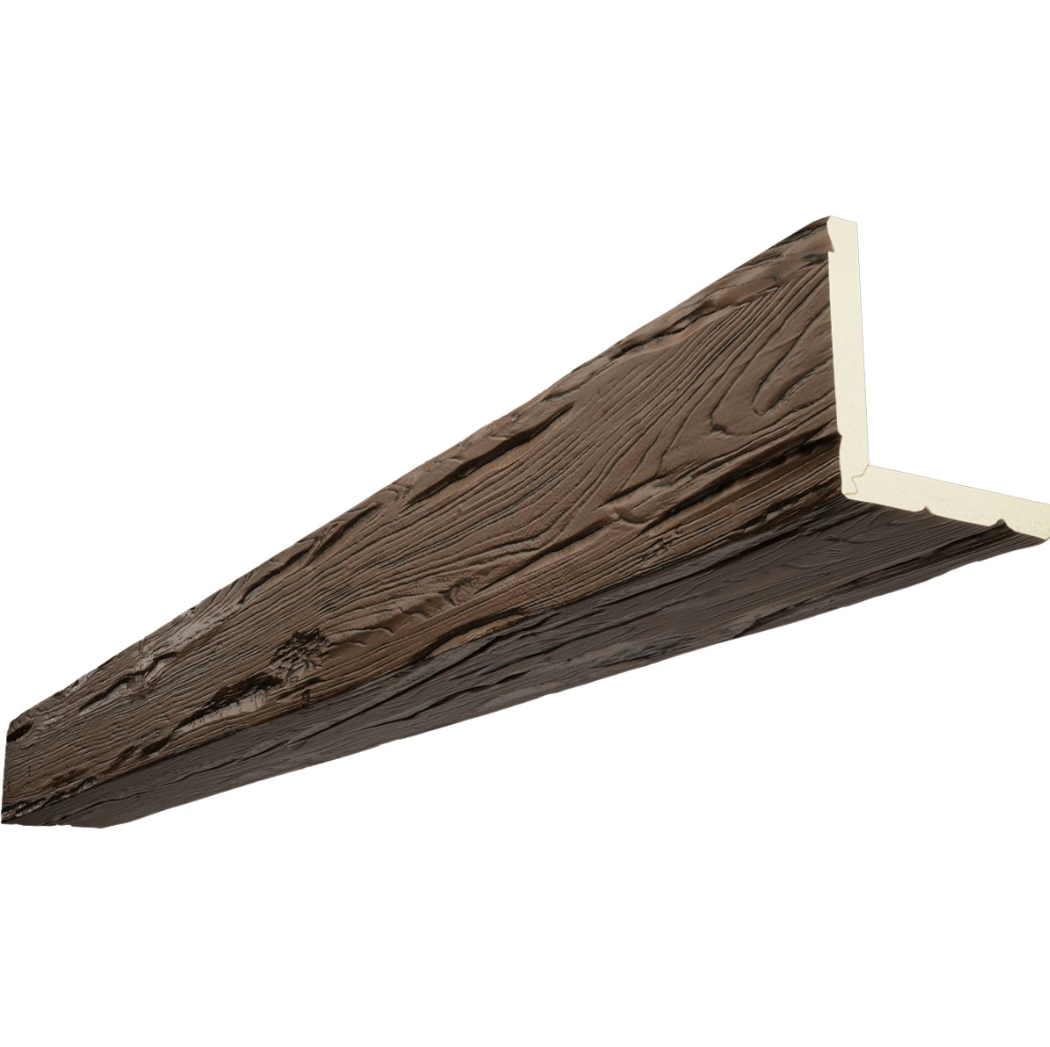
Polyurethane foam used in beam manufacturing differs significantly from the packaging foam or craft materials that might come to mind. The density, cell structure, and surface quality all receive careful engineering to produce convincing faux wood that performs reliably in demanding applications. The result is a material that handles like wood but weighs substantially less.
The foam formulation determines both appearance and performance characteristics. Quality manufacturers control density throughout production to ensure consistent weight and handling properties. Surface skin formation during molding creates the smooth exterior that requires minimal finishing work. The interior foam structure provides mounting capability and impact resistance while maintaining the lightweight properties that simplify installation.
This controlled manufacturing environment produces results that natural materials cannot match for consistency. Every beam emerging from a production run exhibits the same surface quality, dimensional accuracy, and color consistency. This predictability benefits designers who need to specify materials with confidence and installers who need components that behave predictably during fitting and mounting.
Design Integration in Minimalist Spaces
Minimalist interiors typically employ restrained color palettes dominated by whites, greys, and natural material tones. Smooth surface foam beams fit seamlessly into these palettes, contributing warmth through wood tones without introducing color intensity that might disrupt the overall harmony. The beam surface appears refined and intentional rather than rustic or casual.

The living room ceiling represents an ideal application context for minimalist beam installation. These spaces often feature large windows, simple furniture groupings, and artwork displayed on clean walls. Beams across such ceilings provide overhead architecture that balances vertical window expanses while maintaining the uncluttered character that makes minimalist interiors feel spacious and calm.
Home office and study applications benefit equally from smooth beam treatments. Remote work has elevated these spaces from afterthought closets to primary living areas requiring thoughtful design attention. Minimalist ceiling beams add visual interest during video calls without creating backgrounds that distract from professional presentations. The refined appearance suggests competence and attention to detail without appearing ostentatious.
Installation Advantages for Modern Projects
The lightweight nature of foam PU beams transforms ceiling installation from a construction project into a finishing task. Natural wood beams of comparable size would require structural considerations, multiple workers for positioning, and potentially equipment for lifting. Foam beams can often be installed by a single person using basic hand tools and appropriate adhesive or mechanical fastening.
This installation simplicity reduces project timelines and labor costs significantly. Where natural wood installation might require days of careful fitting and adjustment, foam beams can be installed in hours once mounting locations are prepared. The predictability of manufactured dimensions eliminates the fitting challenges that extend installation schedules with natural materials.
The clean surface of foam beams also simplifies finishing work. Since the beams arrive with factory-applied finishes, there's no need for on-site painting, staining, or sealing. This eliminates the mess and odor associated with finishing work, allowing spaces to remain occupied during installation. Projects can proceed on tighter schedules without the drying time requirements that conventional finishing demands.
Performance Under Real-World Conditions
Polyurethane foam beams demonstrate remarkable durability under interior conditions. The material resists impact damage that might crack or dent natural wood, and it absorbs minor impacts without showing damage that would require repair. This resilience proves valuable in households with active children or high-traffic commercial applications.
Temperature fluctuations that might cause natural wood to expand and contract don't significantly affect polyurethane foam. This dimensional stability prevents the gaps, squeaks, and seasonal movement that sometimes affect natural wood beam installations. The beam maintains its appearance and fit indefinitely, reducing long-term maintenance requirements.
Moisture resistance addresses concerns that might otherwise limit beam specification in kitchens, bathrooms, or laundry rooms. Natural wood absorbs moisture readily, potentially causing swelling, warping, or finish degradation. Polyurethane foam repels moisture entirely, maintaining appearance and structural integrity even in humid environments. This opens ceiling beam possibilities for spaces where wood's moisture sensitivity would preclude natural material installation.

Cost-Benefit Considerations
Evaluating ceiling beam options requires considering more than initial material costs. Installation labor represents a substantial portion of total project expense, and the simplified installation that foam beams enable translates directly into cost savings. Fewer labor hours at standard rates mean lower project totals while achieving comparable or superior results.
The elimination of finishing work provides additional savings. Natural wood beams might require staining, sealing, or painting after installation—each step involving material costs, labor time, and potentially temporary relocation of occupants. Foam beams arrive ready for installation and remain ready for use indefinitely without refinishing.
Long-term maintenance costs favor foam beams as well. Natural wood may require periodic refinishing, crack repair, or replacement as conditions change. The consistent performance of polyurethane eliminates these ongoing expenses, providing lifetime cost visibility that simplifies budgeting for both residential and commercial applications.
Selecting Appropriate Beam Styles
Minimalist styling benefits from beam profiles that emphasize clean geometry over decorative detail. Rectangular cross-sections with sharp corners, or gentle chamfers that soften edges without introducing ornamentation, align well with minimalist principles. The beam width and depth should relate proportionally to ceiling height and room dimensions.
Color selection for minimalist applications typically favors restraint. Light neutral tones—white, cream, light grey, or pale wood tones—maintain the visual lightness that minimalist interiors prioritize. These colors recede visually, contributing warmth and interest without creating visual weight that might close down spaces.
Finish quality matters considerably in minimalist applications where surface imperfections become more apparent against clean backgrounds. Quality manufacturers produce foam beams with consistently smooth surfaces that photograph well and maintain appearance over time.Visiting showrooms or requesting samples enables evaluation of actual surface quality before committing to full orders.
Achieving Professional Results
Professional installation ensures that minimalist ceiling beam projects achieve their intended effect. Experienced installers understand the precision that minimalist design demands—small alignment errors that might go unnoticed with textured beams become obvious with smooth surfaces. The clean sightlines that define minimalist aesthetics require careful attention to joint quality and alignment.
Mounting methods for foam beams typically involve combinations of adhesive and mechanical fastening depending on specific conditions. Professional installers know which methods suit different substrates and load requirements, ensuring secure attachment that maintains appearance over years of service. The investment in professional installation protects the overall design investment by ensuring that execution matches intention.
For projects where design excellence defines success, the combination of quality materials, thoughtful design, and professional installation delivers results that justify the investment. Smooth surface foam PU faux beams provide the foundation; the rest depends on execution that honors minimalist principles throughout the project.
Technical References
ASTM standards cited in every specification
Test Data
Lab results from internal testing program
Updated 2026
Reviewed against current product specs

